Behind the Voices of Dispatch: How Character Personalities Were Tailored to Actors
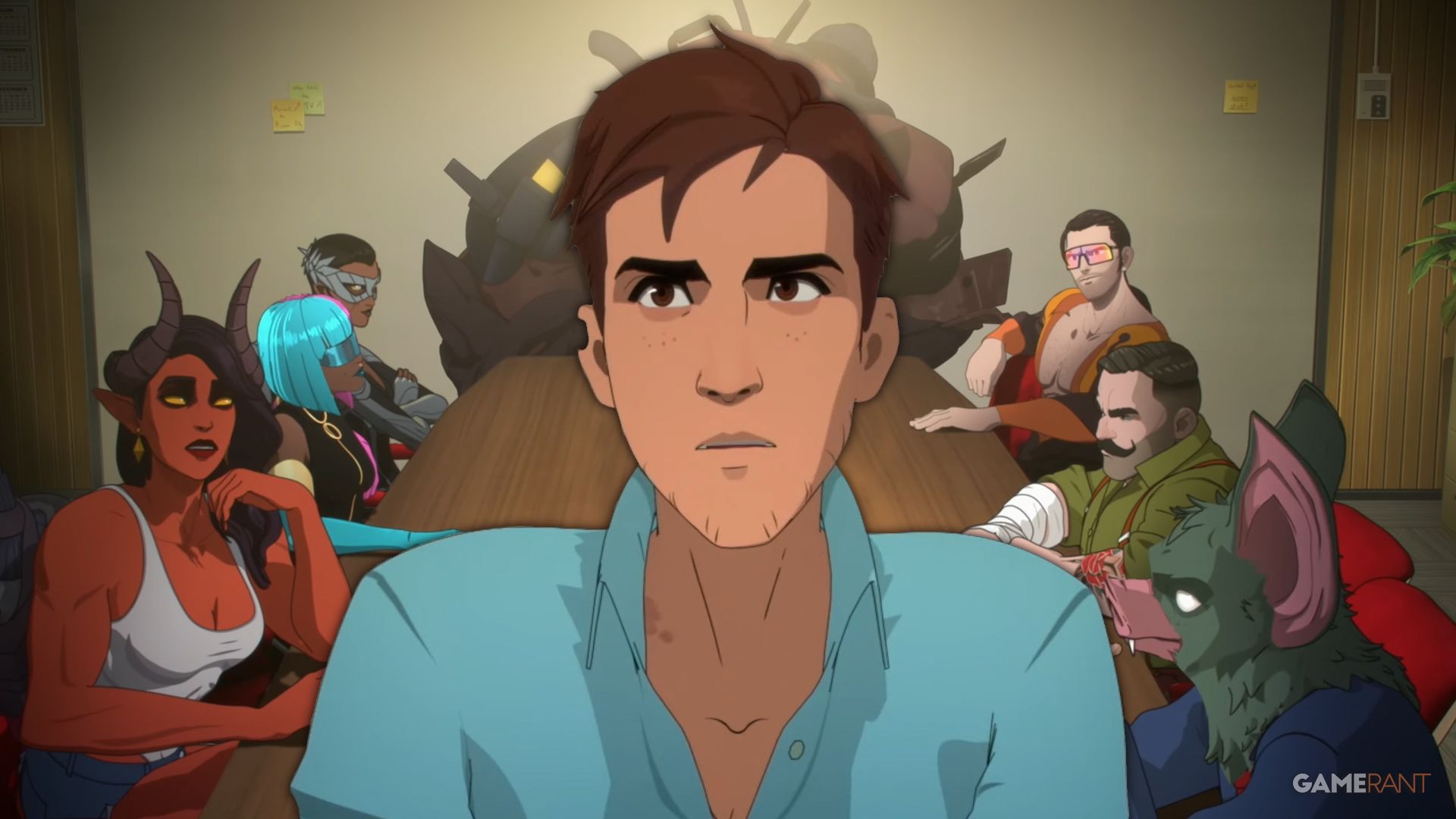
When narrative adventure game Dispatch took off as an unexpected breakout hit, players immediately fell for the chaotic rhythm of the emergency dispatch center and the dysfunctional misfits known as the Z-Team. What set the workplace comedy apart was not merely its branching interactive story choices, but a dialogue tempo that felt genuinely lived-in rather than rigidly programmed. According to a GAMINGbible report detailing how the cast approached their tailor-made characters, developers took an unconventional route: instead of shoehorning performers into rigid archetypes, the writing team shaped dialogue and character quirks around the real-life speech patterns of the actors themselves.
Independent developer AdHoc Studio, founded by veteran writers and directors behind modern narrative milestones, took a massive creative gamble on this actor-first pipeline. By turning voice-over sessions into collaborative workshops, the team preserved the messy, overlapping banter essential for sharp workplace satire. The resulting ensemble brought rare warmth to a genre often weighed down by heavy dramatic tropes.
📌 Key Takeaways:
- The Production Model: AdHoc Studio abandoned conventional pre-recorded scripts, adapting character quirks and dialogue directly to the natural mannerisms of its voice cast lineup.
- Creative Resilience: Production survived losing a publisher mid-development in late 2025, leaning on a focused ensemble to refine the Z-Team's comedic timing and narrative payoff.
- Industry Shift: The critical and player reception demonstrates how actor-driven character development can elevate independent narrative games past corporate AAA formula.
How AdHoc Studio Built the Z-Team Around Its Performers
Most interactive games construct character bibles months before auditioning talent. Audition sides are written, auditions processed, and selected actors are directed to hit rigid tonal marks designed in isolation. AdHoc Studio inverted that pipeline. Drawing on their background in branching storytelling, the studio's directors drafted loose character skeletons, identified their dream voice cast lineup, and brought the performers into the writers' room early in pre-production.
The core members of the Z-Team, the bottom-tier operators assigned to absurd, low-stakes municipal emergencies, were adjusted line by line based on how the actors naturally handled dry humor, panic, and exasperated sighing. Video game voice directors gave the performers leeway to ad-lib reactions during key multi-branch conversations. When an actor stumbled over a line in a funny, natural way, the writers frequently kept the mistake and coded a corresponding narrative branching path to support it.
This dynamic transformed the character development process from standard voice recording into organic ensemble theatre. The pacing of conversational interruptions in Dispatch mimics actual workplace arguments, where colleagues speak over one another rather than waiting patiently for an audio trigger to conclude.
Surviving the Mid-Production Crisis: AdHoc's Independent Pivot
The relaxed, improvisational energy heard in the final game belies a volatile development cycle. In a comprehensive post-mortem reported by Eurogamer on December 17, 2025, AdHoc Studio revealed that an unnamed commercial publisher dropped the title halfway through development. The sudden withdrawal left the studio without marketing support and forced deep cuts to secondary technical systems.
Rather than paring down the voice sessions, the team doubled down on its ensemble cast. The developers recognized that the chemistry among the lead voice talent formed the true spine of the experience. The indie game cast list stayed intact, recording through intense sprint sessions while the core writers streamlined branching trees around the strongest voice interactions.
The gamble paid off. When Dispatch launched independently, word-of-mouth spread rapidly across streaming platforms and social media communities. Players praised the vocal authenticity of the Z-Team, elevating the title into an organic word-of-mouth success that validated the decision to preserve casting budgets over visual spectacle.
Development Milestones, Casting Adaptations, and Production Costs
Tracking the path from initial writing rooms to post-launch acclaim highlights how tailoring roles reshaped the project's milestones, team commitments, and budget allocation between 2024 and early 2026.
| Phase / Window | Production Milestone | Structural Impact on Cast & Script |
|---|---|---|
| Q1, Q3 2024 | Concept drafting & early table reads | Writers adjust character personality traits to match natural vocal cadences of signed performers. |
| Q2, Q4 2025 | Publisher drops funding; studio pivots | Cinematic animations reduced; interactive branching restructured around long-form ensemble voice takes. |
| November 2025 | Public reception & critical breakthrough | Z-Team characters cited across reviews for spontaneous comedic timing and authentic workplace rapport. |
| 2026 Context | Sustained sales & franchise expansion talks | Cast confirmed for prospective follow-ups, establishing the tailor-made voice model as studio policy. |

Rethinking Narrative Branching Through Voice Acting
Traditional choice-driven games run into a persistent problem: voice tracks often feel disjointed. When a player selects an emotional response, the transition from calm exposition to explosive rage can sound jarred, exposing the seams of piecemeal recording schedules. Dispatch addressed this flaw by using paired ensemble recording sessions wherever possible.
Instead of locking individual voice actors into soundproof isolation booths to read long lists of disconnected lines, the directors paired members of the Z-Team in live sessions. The actors fed off one another's energy, providing real reactions to unexpected line readings. If one voice operator injected deadpan sarcasm, the responding actor met that tone with genuine weariness.
This technique required more recording hours and extensive audio editing during post-production. Yet the return on investment speaks for itself. The player's interactive story choices shift emotional trajectories gradually across an entire shift rather than swinging wildly between disconnected line reads.
The Evolution of Voice Direction in Modern Narrative Games
The critical success of Dispatch shines a light on broader conversations within contemporary game audio. For years, massive video game productions have favored stunt casting, hiring Hollywood celebrities whose names attract headlines but whose schedules preclude collaborative writing adjustments. Mid-sized and independent studios, working with tighter budgets, are demonstrating that custom-tailored writing delivers superior emotional engagement.
Voice directors working on smaller projects now push for deeper actor involvement earlier in the production pipeline. When character lines reflect the idiomatic strengths of a specific performer, dialogue feels conversational and natural. In Dispatch, that authenticity turns routine radio checks into memorable character moments, demonstrating that thoughtful voice direction can carry an entire game even during turbulent production environments.
Frequently Asked Questions (FAQ)
Q1: Did the writers write Dispatch characters specifically for the voice actors?
A1: Yes. AdHoc Studio established early character concepts, cast their preferred performers, and subsequently tailored scripts, comedic beats, and interpersonal dynamics directly to the actors' real-life personalities and speech patterns.
Q2: How did the mid-development publisher drop affect the cast's work?
A2: When their publisher pulled out in late 2025, AdHoc Studio focused resources squarely on dialogue and ensemble performance. The team retained its core cast, relying on strong vocal chemistry to drive player immersion while streamlining secondary technical scope.
Q3: Are the voice actors recorded together or separately in Dispatch?
A3: While some solo pickups were necessary, major conversations between Z-Team characters were recorded with performers sharing the booth or connected via low-latency audio links to capture organic conversational overlaps and comedic timing.
The Creative Blueprint for Narrative Design in 2026
The breakout success of Dispatch underscores that sharp storytelling cannot be separated from the people speaking the words. Writing scripts in an ivory tower and treating voice actors as mere recording instruments is an outdated production model. By embracing the creative identities of its ensemble, AdHoc Studio built an experience that feels remarkably alive.
As narrative games evolve through 2026, the lessons of the Z-Team serve as a compelling framework for independent and mid-tier development teams. True character depth is not built through bloated lore archives or technical wizardry, but through the hard-won chemistry between writers, voice directors, and an ensemble cast trusted to make the roles their own.


