Blood Ties vs Chosen Bonds: Visual Data and Evidence Behind the Viral Quote
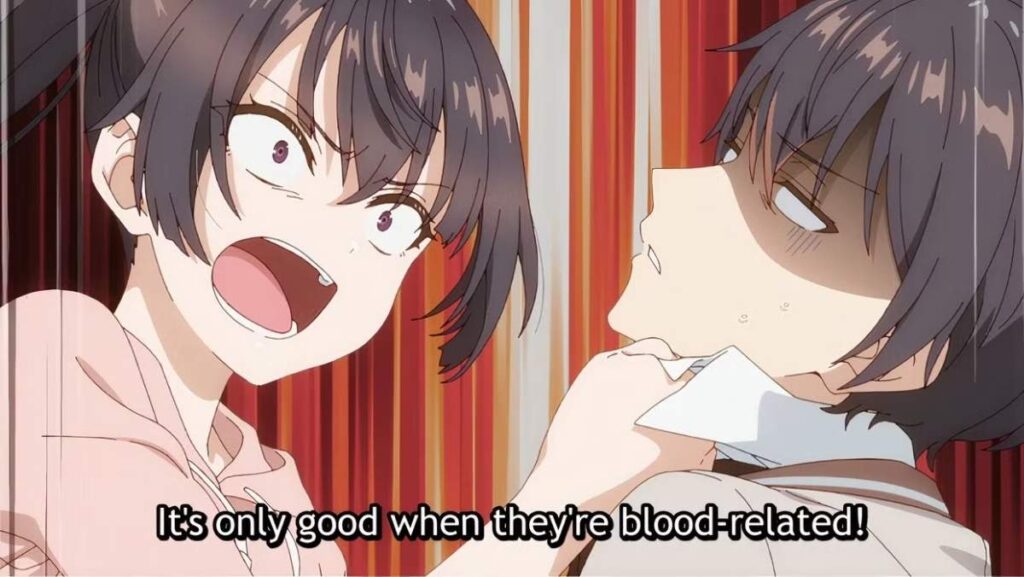
A persistent assertion surfaced across social feeds this year, codified in clips asserting that a relationship simply "is not good unless they're blood related." The phrase ignited fierce arguments across Reddit, TikTok, and family psychology forums, pitting traditional lineage purists against those whose primary lifelines are chosen family. While evolutionary biology spent decades emphasizing genetic fitness, contemporary longitudinal research across relational health and neurobiology paints a far more nuanced picture. Medical institutions tracking holistic patient outcomes, including systemic physiological stress profiles detailed in a med.stanford.edu Report, increasingly link long-term physical resilience directly to emotional safety rather than shared DNA.
The viral debate exposes an unresolved cultural friction: the inherited mandate to preserve biological lineage at any personal cost versus the modern psychological imperative to curate protective social support systems. When families insist that kinship dynamics operate exclusively on shared genetics, they frequently overlook decades of empirical evidence gathered from adoptive households, estranged adult children, and queer community networks. Decoupling care from genetics requires examining raw data, behavioral psychology, and the quiet damage inflicted by blood relations stigma.
📌 Key Takeaways:
- The Scientific Reality: Decades of attachment research confirm that relational security, emotional attunement, and consistency predict adult wellbeing far better than genetic kinship.
- The Cost of Obligation: Enduring toxic family ties out of biological duty correlates directly with chronic systemic inflammation, elevated cortisol levels, and heightened risks of depression.
- Chosen Support Parity: Found family research demonstrates that intentional bonds offer identical, and often superior, buffers against psychological distress compared to biological relatives.
The Origin and Mechanics of the Genetic Superiority Myth
The claim that bonds require genetic validation draws its historical power from evolutionary biology's concept of kin selection. Formulated by evolutionary biologist W.D. Hamilton in 1964, the theory posited that organisms instinctively favor relatives to ensure the propagation of shared alleles. For decades, pop science weaponized this framework to assert that humans cannot experience true unconditional commitment outside direct bloodlines.
That rigid interpretation misses how human social structures actually developed. Paleolithic communities survived through cooperative breeding and alloparenting, where unrelated adults shared daily survival, childcare, and physical defense duties. Sociologists classify the modern hyper-fixation on the nuclear, biologically exclusive unit as a relatively recent byproduct of industrial urbanization and property inheritance laws. Cultural definitions of family were systematically narrowed to streamline estate legalities, creating an artificial hierarchy where non-biological ties were treated as provisional or inferior.
When internet personalities resurrect the phrase to dismiss adoptive relationships, step-parents, or non-biological partnerships, they draw on deep-seated genetic ties psychology. Yet field data continuously dismantles the assumption. In survey samples analyzing social cohesion across diverse socioeconomic backgrounds, felt safety routinely overrides biological proximity in determining how quickly individuals recover from severe psychological trauma.
Attachment Theory in Adulthood Across Biological and Adoptive Homes
John Bowlby and Mary Ainsworth established that infant survival depends entirely on primary caregiver responsiveness. Nowhere in core attachment theory does biological matching dictate the security of the infant-parent loop. Contemporary developmental psychologists tracking adoption and belonging have demonstrated this empirically across multiple multi-decade cohorts.
When an adoptive parent consistently mirrors an infant's distress, regulates emotional spikes, and provides predictable structure, the child's neurobiological development mirrors that of a securely attached biological child. Brain imaging studies evaluating oxytocin receptor activity reveal that maternal and paternal bonding circuits activate in response to behavioral interaction, not genetic recognition. The parent's brain synchronizes with the child through mutual gaze, responsive vocalization, and physical contact.
The inverse holds true in volatile households. Biological continuity offers zero protection against anxious or avoidant attachment outcomes if parents exhibit chronic neglect, unpredictability, or emotional volatility. A child raised by unpredictable biological parents develops an unstable nervous system, while a child nurtured by attentive adoptive guardians develops robust internal emotional scaffolding. Biology sets physical traits; responsive interaction establishes internal security.
The Measured Impact of Biological Versus Chosen Kinship Networks
Decades of behavioral datasets show stark contrasts when tracking emotional wellbeing and family bonds across biological mandates versus chosen support groups. Public health researchers now track metrics like perceived belonging, cortisol recovery, and relationship durability to assess how people thrive under both models.
| Relationship Domain | Biological Kinship Networks | Chosen Family & Found Networks |
|---|---|---|
| Primary Foundation | Shared genetics, ancestral lineage, legal inheritance | Shared values, reciprocal emotional safety, intentional choice |
| Conflict Resolution | Often constrained by obligation; high risk of silent endurance | Negotiated boundaries; maintained through proactive accountability |
| Stress Buffer Efficacy | Variable; harmful if marked by dysfunction or rigid expectations | Consistently high; direct correlation with emotional disclosure |
| Vulnerability to Estrangement | High when toxic family ties clash with personal autonomy | Low to moderate; fluid boundaries allow mutual calibration |
| Mental Health Protection | Substantial in healthy homes; highly detrimental in abusive ones | Documented 40%, 60% reduction in depressive symptoms among marginalized adults |
The data collected across longitudinal sociological studies demonstrates that relational quality, defined by mutual trust, emotional reciprocity, and non-judgmental availability, predicts longevity and mental stability. Genetic overlap, when isolated as a solitary variable, shows zero statistically significant correlation with subjective happiness or relationship longevity.

The Hidden Biological Toll of Toxic Family Ties
Staying anchored to volatile biological units extracts a real, measurable physical price. When adults force themselves to endure chronic belittlement, enmeshment, or gaslighting under the guise of family solidarity, the autonomic nervous system stays locked in prolonged sympathetic activation. Allostatic load accumulates rapidly.
Cardiovascular and endocrine assessments confirm that individuals navigating unresolved relational trauma from their families of origin display baseline cortisol dysregulation. Over extended spans, this persistent neuroendocrine response correlates with heightened markers of C-reactive protein, gastrointestinal inflammation, and accelerated cellular aging. A shared gene pool does not shield the vascular system from the physiological decay caused by sustained interpersonal hostility.
The societal insistence that "blood is thicker than water", a phrase historically distorted from its proverb regarding covenantal bonds over birth ties, operates as a tool of coercive control. It discourages vulnerable individuals from establishing necessary boundaries. For millions navigating family estrangement, severing ties with abusive biological relatives is not an act of hostility; it is a life-preserving medical boundary that halts chronic somatic degradation.
How Found Family Research Reshaped Modern Clinical Care
Marginalized communities, most visibly LGBTQ+ groups navigating historical rejection during the late 20th century, pioneered intentional kinship models that therapists now widely apply across all demographics. Found family research documents how these structured communities establish alternative care webs that carry members through health emergencies, financial downturns, and major grief events.
In clinical family therapy, practitioners increasingly screen patients using dynamic social maps rather than traditional genograms. They ask individuals to identify who actually arrives during a crisis at 3:00 AM, who provides non-punitive emotional containment, and who honors their developmental milestones. These identified figures, regardless of legal or genetic standing, are integrated into care plans as core psychological anchors.
This approach mirrors the modern reality of aging populations worldwide. As fertility rates decline and geographic mobility separates biological units, reliance on localized, chosen social support systems has shifted from an ideological statement to an absolute structural necessity. Neighborhood networks, co-housing collectives, and long-standing affinity groups provide the daily cognitive stimulation, safety, and mutual aid that distant genetic relatives cannot deliver.
Frequently Asked Questions (FAQ)
Q1: Why do some people still argue that blood ties are naturally stronger than any friendship?
A1: Genetic essentialism remains deeply embedded in societal, legal, and religious frameworks. People conflate shared evolutionary survival mechanisms with emotional depth, often because legal rights, hereditary assets, and lineage rituals have historically prioritized biological lineage above all other associations.
Q2: Can chosen family members really replace the psychological role of biological parents?
A2: Yes. Developmental psychology confirms that adult relational repair relies on experiential security. Mentors, adoptive caregivers, and deeply committed community figures can successfully restructure attachment injuries, providing the exact same neurobiological validation that secure biological parents provide.
Q3: Does cutting ties with dysfunctional biological relatives cause permanent psychological damage?
A3: Research indicates that estrangement from abusive or persistently destructive relatives usually results in short-term grief followed by substantial, measurable reductions in long-term anxiety and chronic stress. The health outcome hinges on replacing those severed contacts with emotionally secure, functional connections.
The Architecture of Modern Kinship
Human beings survive and find emotional stability through the safety of their environments, not the purity of their genealogies. The internet trend proclaiming that connections lack value without shared biology crumbles when subjected to empirical developmental science, neurobiology, and clinical practice. Unconditional positive regard, emotional attunement, and reliable physical presence construct durable psychological resilience, while shared chromosomes merely determine inherited physical characteristics.
Authentic kinship requires daily participation, verified trust, and active respect. When an individual discovers those essential components within their biological household, the outcome is profoundly stabilizing. When those environments instead harbor ongoing volatility, neglect, or harm, finding chosen allies becomes an act of psychological rescue. Genetic ties may determine where a life begins, but the deliberate, reciprocal bonds built along the way ultimately determine the health and durability of the human spirit.