Book vs. Movie: Major Plot and Historical Changes in 'The Help' Explained

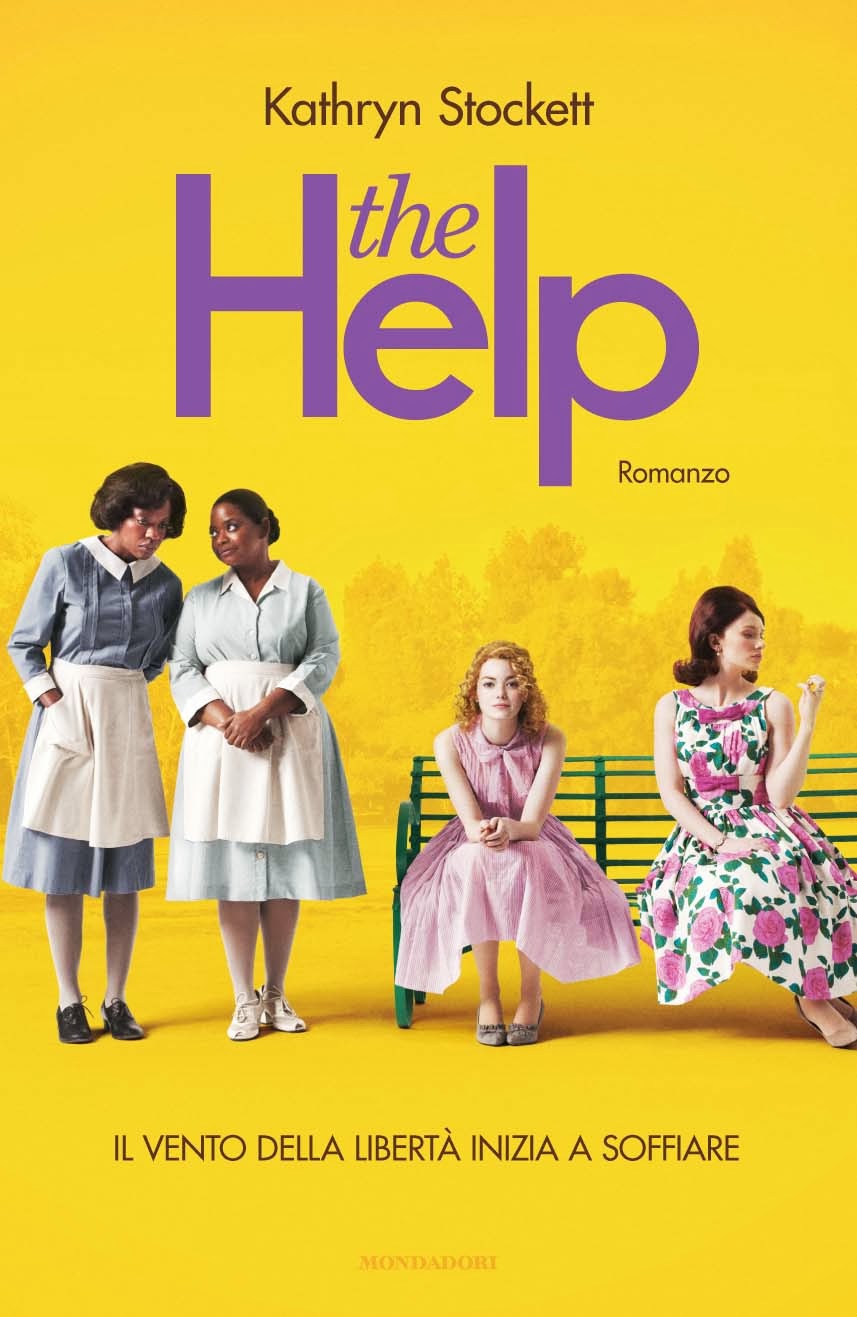
When Kathryn Stockett published her debut historical fiction novel The Help in 2009, it spent more than 100 weeks on the New York Times bestseller list. Two years later, director Tate Taylor adapted the text into a box-office powerhouse that earned four Academy Award nominations and grossed over $216 million worldwide. Yet beneath the commercial triumph lies a persistent debate over narrative omissions, softened racial politics, and creative liberties. As media critics at outlets like the Brit + Co Report have documented across modern literary adaptations, screen transitions often sacrifice systemic grit for broad emotional payoffs.
Bringing the story of Black domestic workers in Jackson, Mississippi during the 1960s to screen required cutting entire subplots, rewriting character motivations, and toning down the violent environment of Jim Crow. The resulting differences between the printed page and the silver screen illuminate how Hollywood repackages thorny civil rights history for mass consumption.
📌 Key Takeaways:
- Narrative Realignment: The film adaptation compresses Kathryn Stockett’s 500-page novel by excising Skeeter’s complex personal failures, softening the bleak realities of domestic violence, and altering key family tragedies.
- Sanitized History: While the novel touches on the terror enforced by the White Citizens’ Council and systemic segregation, the film frames Jim Crow primarily through individual interpersonal cruelty rather than state-sponsored violence.
- Legal and Ethical Scrutiny: The production remains shadowed by the Ablene Cooper controversy, where a real Jackson domestic worker alleged unauthorized appropriation of her life and likeness.
From Jackson to Hollywood: How Tate Taylor Altered Kathryn Stockett’s Text
The cinematic version of The Help was an insider production. Tate Taylor grew up with Kathryn Stockett in Jackson, Mississippi, securing the film rights before the novel even reached bookstore shelves. This close personal relationship shaped the adaptation. Taylor focused heavily on the comedic and melodramatic aspects of the narrative, leaning into the eccentricities of southern socialites while abbreviating the oppressive daily danger faced by Aibileen Clark and Minny Jackson.
A book allows interior monologues across alternating first-person chapters. Stockett divided her novel among Aibileen, Minny, and Eugenia "Skeeter" Phelan. Onscreen, visual storytelling forced substantial consolidation. The movie reduces the timeline and strips away secondary figures to keep the pacing brisk. Characters such as Skeeter’s brother, Carlton, and his fiancé, along with complex subplots involving the broader domestic worker community in Jackson, were cut entirely. What remains is a tighter, punchier story that moves quickly toward individual triumphs, often glossing over the prolonged collective organizing that defined the era.
Eugenia Skeeter Phelan and the Whitewashing of Civil Rights Agency
Emma Stone’s portrayal of Eugenia Skeeter Phelan paints the aspiring journalist as an earnest, forward-thinking outsider who rejects southern segregation almost instinctively. The novel paints a more ambiguous portrait. In Stockett’s book, Skeeter begins with a much higher degree of racial ignorance. Her decision to interview Black maids comes not purely from an egalitarian impulse, but from naked career ambition following advice from New York editor Elaine Stein. Book Skeeter participates in racial microaggressions before slowly recognizing her own complicity.
The film softens the personal cost of Skeeter's rebellion while altering her romantic life. In the book, Stuart Whitworth Jr. breaks off their engagement twice. The second split occurs after Skeeter reveals that she authored the anonymous book detailing the abuses of local white employers. Stuart withdraws, unwilling to withstand the town's social ruin. In the film, Stuart’s departure is accelerated and simplified into a tidy breakup scene, sparing the audience the lingering social ostracization that isolates Skeeter in print.
More critically, Constantine Bates’s backstory undergoes an unnecessary Hollywood rewrite. In the novel, Skeeter’s beloved childhood maid had a daughter, Lulabelle, who could pass for white. Constantine sent Lulabelle to an orphanage in Chicago as a child, later reuniting with her in Jackson. Lulabelle’s open defiance at a Daughters of the American Revolution meeting led to Constantine's firing by Skeeter’s mother, Charlotte. Constantine subsequently moved to Chicago and died shortly thereafter. The film replaces Lulabelle with Rachel, eliminates the complex racial passing narrative, and stages Constantine's death almost immediately after being cast out, trading deep sociological tragedy for quick cinematic pathos.
Softening Jim Crow: Critical Scene Changes Between Novel and Screen
The transition from page to screen dramatically softened the day-to-day violence that characterized the Civil Rights era in Jackson, Mississippi. The assassination of NAACP field secretary Medgar Evers on June 12, 1963, serves as a terrifying, ground-shifting reality in both works, but the novel establishes an atmosphere of pervasive white vigilante terror that the movie struggles to replicate. In the film, racial animus is concentrated almost exclusively within Bryce Dallas Howard’s character, Hilly Holbrook, turning structural white supremacy into a cartoonish personal grudge.
| Narrative Element | Kathryn Stockett's Novel (2009) | Tate Taylor's Film Adaptation (2011) |
|---|---|---|
| Minny Jackson’s Home Life | Endures brutal, recurring domestic abuse from her husband Leroy; detailed scenes of physical violence and fear. | Leroy remains largely off-screen; abuse is referenced verbally rather than depicted directly to maintain a PG-13 rating. |
| Constantine’s Daughter | Lulabelle, born light-skinned, sent to an orphanage in Chicago; returns years later, asserting equality and sparking scandal. | Renamed Rachel; does not pass for white; expelled after an awkward confrontation with Charlotte Phelan in the foyer. |
| Celia Foote’s Isolation | Suffers multiple, traumatizing late-term miscarriages alone; Minny helps clean up blood and conceal them from Johnny. | Condenses miscarriages into a single dramatic episode; Celia quickly reveals the truth to Johnny without prolonged secrecy. |
| Racial Violence Depiction | Depicts the severe beating of Louvenia’s grandson Robert Brown for accidentally using a white restroom. | Omitted entirely; shifts conflict to the arrest of Yule Mae Davis for stealing an ugly ring to pay college tuition. |
| Skeeter’s Departure | Leaves for New York knowing Aibileen and Minny face dangerous fallout; wrestles with guilt and moral ambivalence. | Framed as an unmitigated personal victory; Aibileen explicitly commands Skeeter to go and live her dreams. |
The omission of Robert Brown’s blinding by white assailants significantly alters the tone. In the book, that horrific act of violence convinces the other maids to take the massive risk of speaking to Skeeter. The movie substitutes this life-and-death terror with the arrest of Yule Mae Davis (played by Aunjanue Ellis-Taylor) at a high-society bridge party. This shift replaces the brutal, extrajudicial violence of 1963 Mississippi with a sanitized legal dispute over stolen jewelry.
The Ablene Cooper Controversy and the Limits of "Inspiration"
While the film basked in critical acclaim, a bitter legal fight erupted back in Hinds County, Mississippi. In February 2011, months before the movie hit theaters, a Black domestic worker named Ablene Cooper filed a $75,000 lawsuit against Kathryn Stockett. Cooper worked for Stockett’s brother for more than twelve years and looked after Stockett’s own daughter during family visits. Her claim: Stockett hijacked her name, likeness, and personal history without consent to create Aibileen Clark.
The similarities were striking. Like the fictional Aibileen, Cooper had a son named Willie who died tragically shortly before Stockett began writing the book. Cooper discovered the novel after her employer’s daughter brought home a copy. Reading the dialect and the description of the central maid, Cooper felt humiliated. "I felt like crying," Cooper told reporters in 2011. "She just took my life and used it without asking."
Stockett denied the accusations under oath, asserting that Aibileen Clark was an entirely fictional creation born of her own regrets regarding Demetrie McLence, the maid who raised Stockett during her childhood. In late 2011, a Mississippi judge dismissed Cooper’s lawsuit based strictly on the state’s one-year statute of limitations, as Cooper filed more than a year after receiving the novel. Though Stockett prevailed legally, the controversy remains an uncomfortable example of a white author profiting directly from the uncompensated life experience of a Black worker.
Historical Accuracy in Fiction: The Civil Rights Reckoning
The Association of Black Women Historians (ABWH) issued an extraordinary open statement in the summer of 2011, urging moviegoers to look beyond the film's warm, comedic veneer. The association argued that both the book and the movie presented a deeply distorted view of Black domestic workers, reducing them to archetypal mammies whose lives revolved entirely around nurturing white families.
Historians pointed out several glaring historical inaccuracies:
- Caricatured Vernacular: Stockett wrote Aibileen and Minny in an exaggerated, semi-literate dialect, while white characters spoke in standard southern vernacular. Critics noted this literary device historically delegitimized Black intellectual life.
- Erasure of Collective Activism: During 1962 and 1963, Black women in Jackson were heavily involved in voter registration drives, grassroots unionizing, and direct-action boycotts organized by the NAACP and CORE. The fiction suggests they waited for a disillusioned white debutante to offer them a platform.
- Minimizing White Complicity: By concentrating all malicious behavior into Hilly Holbrook, the narrative lets white women of the era off the hook. In reality, white housewives were enthusiastic participants in defending segregation and maintaining starvation wages for domestic staff.
Even members of the cast have voiced deep regret in recent years. Viola Davis, who earned an Oscar nomination for playing Aibileen, publicly expressed remorse for accepting the role. In multiple interviews, Davis stated that while she loved working with Tate Taylor and her fellow actors, the film failed to center the actual humanity of the maids. Instead, it serviced a comforting white savior narrative designed to make white theatergoers feel virtuous without confronting historical culpability.
Frequently Asked Questions
Did Minny Jackson’s chocolate pie incident actually happen?
The "Terrible Awful" pie incident is pure fiction created by Kathryn Stockett. There is no historical record of a Jackson domestic worker baking feces into a pie for her employer. While the scene serves as the comedic climax of both the book and the film, historians have noted that any Black maid who attempted such an act in 1960s Mississippi would have faced lynching or long-term imprisonment rather than mere social silence.
Why did the movie cut Skeeter’s relationship with Stuart Whitworth?
The movie truncated Stuart's role primarily for time and emotional tone. In the book, Stuart breaks Skeeter’s heart twice, highlighting that even well-meaning white southern men were deeply tied to the social benefits of segregation. Keeping this protracted dynamic would have extended the film past its already long 146-minute runtime and disrupted its feel-good conclusion.
Is The Help based on a true story?
No. The Help is a work of historical fiction. While Kathryn Stockett drew from her personal memories growing up in Jackson and being raised by Demetrie McLence, the characters, dialogue, and specific plotlines are fabricated. The real-world lawsuit from Ablene Cooper revealed close overlaps between reality and fiction, but the legal system categorized the work as protected imaginative writing.
The Enduring Cultural Reckoning of The Help
More than a decade after its release, The Help remains a defining case study in how historical fiction negotiates the divide between mass entertainment and raw historical truth. The changes made by Tate Taylor’s film adaptation succeeded in creating an accessible, Oscar-winning crowd-pleaser, but did so by shaving off the rough, dangerous edges of Kathryn Stockett's source material.
Today, the book and movie serve as cultural artifacts. They demonstrate how 21st-century media often prefers sentimental, individual triumphs over the terrifying, collective struggle required to dismantle white supremacy. Understanding what was changed, softened, or completely erased from the screen adaptation is essential to viewing the story for what it really is: a polished Hollywood drama, not an accurate history lesson.


