Can Any Human Replicate the Flynn Rider Smolder? The Live-Action Tangled Casting Dilemma

Every Disney character brings a signature calling card to the screen, but few carry a visual gag as technically precarious as Eugene Fitzherbert's trademark facial tic. In January 2026, casting speculation around Disney's live-action Tangled adaptation erupted when reports paired Zombies franchise lead Milo Manheim with Titans actress Teagan Croft. As detailed in a High On Films Report, fan communities immediately polarized over whether any flesh-and-blood performer can deliver the kinetic, swaggering charm that defined the original 2010 animated hit.
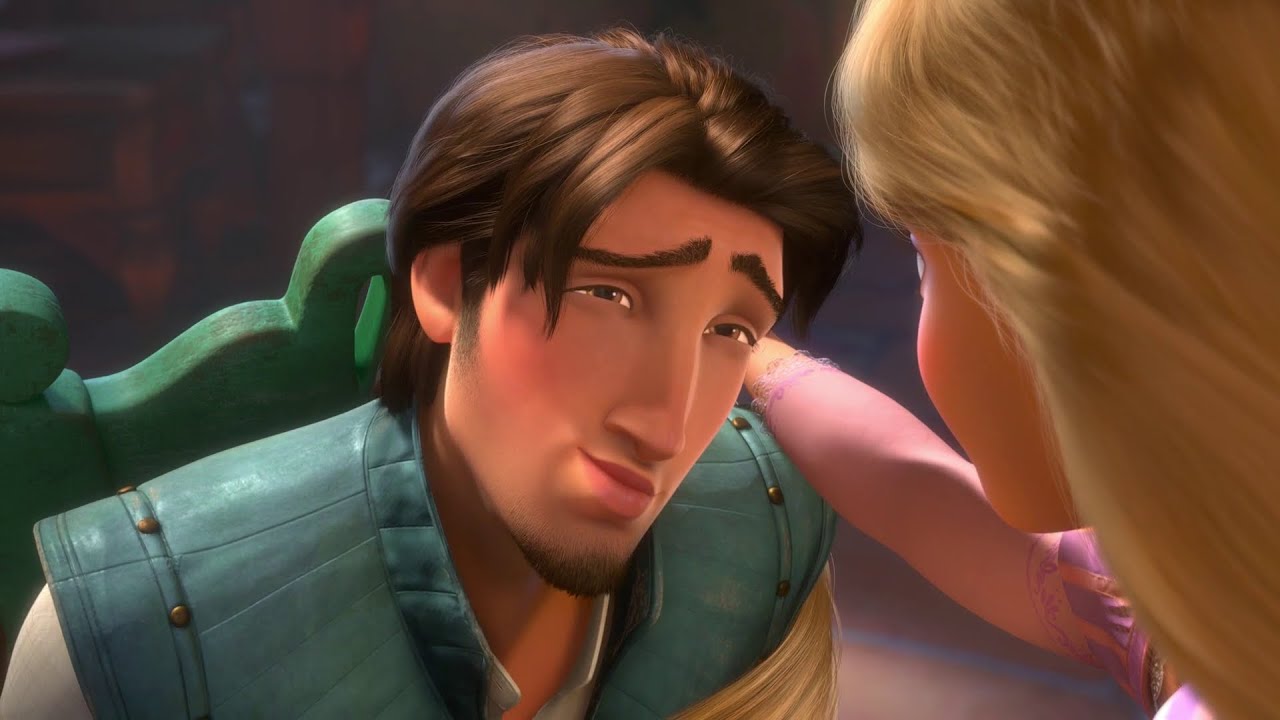
The central anxiety among fans is not vocal range or swordplay choreography. It is the smolder expression itself: an exaggerated, asymmetrical, CGI-sculpted smirk designed specifically to collapse under its own ridiculous vanity. Translating that micro-moment into practical cinematography exposes the core creative tension confronting Disney's entire live-action catalog.
📌 Key Takeaways:
- The Casting Friction: Early 2026 reports linking Milo Manheim and Teagan Croft to the live-action Tangled ignited debates regarding theater-kid exuberance versus roguish fairy tale charisma.
- The Animation Trap: The smolder works in 3D animation because computer rigs allow hyper-extended muscular contortions that look charmingly absurd on screen rather than deeply uncomfortable.
- The Production Stakes: Replicating animated comedic timing in physical live action requires stylistic exaggeration that modern photorealistic Disney remakes frequently flatten into generic drama.
The Studio Room Origins of Disney's Most Famous Vanity Gag
The smolder was never an offhand script direction. During early visual development for the 2010 animated feature, directors Nathan Greno and Byron Howard felt frustrated by classic fairytale princes who felt flat, humorless, and decorative. They wanted a runaway bandit with modern comedic edge and desperate vulnerability. To find him, they convened what production artists famously christened the "Hot Man Meeting."
Female animators, production coordinators, and studio staff gathered in a conference room with photos of Hollywood heartthrobs, male models, and classic movie stars pinned across corkboards. The animators debated jawlines, eyebrow shapes, messy hair textures, and vocal cadences. Out of those sessions emerged Eugene Fitzherbert, alias Flynn Rider, voiced by Zachary Levi. Levi brought an ironic, fast-talking insecurity beneath the thief's bravado.
The smolder debuted as his ultimate psychological weapon: heavy eyelids, raised left brow, tilted head, parted lips, and an exaggerated baritone purr. Within seconds, Rapunzel met the look with deadpan incomprehension. The entire joke rested on contrast. The smolder is funny precisely because the audience sees a man weaponizing his own vanity, only to fail spectacularly against an opponent completely immune to theatrical narcissism.
The Physics of Translating 3D Animation to Living Flesh
Why is this specific gesture so difficult for real actors to pull off? The answer lies in the technical mechanics of 3D computer animation versus human anatomy. Animators on Tangled used proprietary digital rigs that manipulated Flynn Rider's digital face beyond ordinary human flexibility. His upper eyelid drops to a half-hood while the opposing eyebrow arches at a steep 45-degree angle, a degree of muscular separation that fewer than 5% of people can consciously perform without straining.
When animated characters pull extreme expressions, our brains accept the elastic distortion as expressive stylization. In live-action filmmaking, when a human actor attempts to replicate that exact mechanical sequence, camera lenses register the involuntary tension in the forehead, neck, and jaw. What reads as effortless cartoon arrogance risks looking like an awkward medical symptom.
| Cinematic Dimension | 2010 Animated Original | Live-Action Adaptation Barrier |
|---|---|---|
| Facial Articulation | Elastic rigging allowing asynchronous brow movement and exaggerated pupil dilation. | Natural biological asymmetry risks looking stiff or forced on high-definition camera sensors. |
| Comedic Pacing | Sub-second snap cuts between smug posturing and violent, deadpan deflation. | Real actors need transitional micro-movements, which slow down snappy slapstick timing. |
| Character Likability | Vocal warmth by Zachary Levi balances out Flynn's self-centered rogue impulses. | Overplaying the arrogance in physical space can alienate viewers before his redemption arc kicks in. |
| Vocal Delivery | Broadway-trained modulation switching fluidly between baritone grit and soprano panics. | Performers must balance athletic stunt combat with pitch-perfect acoustic dialogue delivery. |
Zachary Levi succeeded because his performance lived in audio booths where he could push comedic pitch to frantic extremes. Visual animators then synchronized those audio tracks with kinetic slapstick. A live-action lead must execute both tasks simultaneously while strapped into harness rigs and navigating green-screen environments.
Milo Manheim and the Internet's Shifting Casting Debates
The January 2026 rumors positioning Milo Manheim alongside Teagan Croft generated fierce debate across film enthusiast forums and social platforms. Industry tracking from guides.justwatch.com and media observers highlighted Manheim's undeniable pedigree within the Disney system. Standing over six feet tall with musical theater bona fides, physical agility, and an established presence in Disney's television stable, Manheim checks the physical boxes.
Yet critics raised immediate stylistic flags. Eugene Fitzherbert is not an earnest boy-next-door; he is a cynical thief who grew up on the street, carrying internal scars and defensive sarcasm. Online communities quickly contrasted Manheim's sunny persona with alternative fan castings that have circulated for years, including Fabian Frankel, Avan Jogia, and Luke Pasqualino. The critique centers on presence: does a Disney Channel alumnus project the weathered, roguish danger necessary to make Flynn Rider's redemption meaningful?
Simultaneously, pairing Manheim with Teagan Croft introduces interesting screen dynamics. Croft earned critical praise for playing Raven in Titans, showing a grounded dramatic presence far removed from cartoon musical theater. If this casting lineup moves forward to principal photography, Croft's dry realism could serve as the grounding anchor that makes Flynn's swaggering peacocking readable to modern viewers.
Why Disney Remakes Repeatedly Flatten Animated Charisma
The challenge facing the Tangled remake is part of an ongoing systemic dilemma within the Walt Disney Studios production machine. Over the past decade, Disney's live-action pipeline has consistently struggled with theatrical comedy. Where 2D and 3D animated films rely on broad parody and rubber-hose slapstick, the modern studio aesthetic defaults to muted digital palettes and grim emotional earnestness.
Consider the precedents. In the 2017 remake of Beauty and the Beast, Luke Evans managed to capture Gaston's boisterous vanity through theatrical experience, but the visual direction often hemmed him into realism. In 2019's Aladdin, Will Smith wisely abandoned Robin Williams' shape-shifting vocal pyrotechnics, reinventing the Genie around his own charismatic screen persona rather than mimicking 1992 cartoon frames. When live-action remakes attempt literal shot-for-shot mimicry of animated body language, they run headfirst into stylistic awkwardness.
Flynn Rider cannot be played as a serious period-drama outlaw. The character is an affectionate send-up of traditional fairy tale machismo. If the directing team treats the frying pan gags, the Maximus rivalry, or the smolder expression with self-conscious embarrassment, the entire spirit of Tangled collapses into generic fantasy adventure.
Frequently Asked Questions (FAQ)
Q1: Has Disney officially confirmed Milo Manheim and Teagan Croft for the Tangled remake?
As of early 2026, Disney has not issued a formal studio press release confirming locked contracts for the roles of Rapunzel and Flynn Rider. The names surfaced in industry trade roundups and entertainment reporting, reflecting active chemistry testing and casting shortlist considerations rather than finalized production agreements.
Q2: Why was the smolder expression so important to the 2010 film?
The smolder functioned as Flynn Rider's central visual gag and character symbol. It visually established his inflated self-perception as a dashing, untouchable romance hero, which the narrative immediately undermined when Rapunzel tied him to a chair with her hair and completely ignored his charms.
Q3: Could digital VFX or motion capture be used to replicate the smolder?
While modern digital de-aging and face replacement software could artificially pull an actor's face into the cartoon coordinates of the smolder, film directors generally avoid heavy CGI manipulation on primary romantic leads in close-ups. Uncanny valley effects in facial close-ups break emotional immersion during critical character introductions.
The Road Ahead for Disney's Rogue Prince
Adapting Tangled will test whether modern Hollywood understands the delicate balance between parody and sincerity. Recreating Eugene Fitzherbert requires far more than finding an athletic young actor with a recognizable name and a neat goatee. It requires a performer comfortable looking deeply ridiculous on camera, willing to project unearned confidence that crumbles the moment genuine vulnerability enters the room.
Whether Milo Manheim ultimately signs on or another rising talent claims the satchel, the actor stepping into Eugene's boots faces high expectations. The smolder cannot be treated as a quick viral meme or an obligation to check off a production shot-list. It needs to land as a natural extension of a terrified orphan hiding his insecurities behind an absurd, irresistible mask. Pull that off, and audiences will buy into the fairy tale all over again.


