Can You Actually Monetize Trending TikTok Sounds? The Truth About Royalties and Fair Use
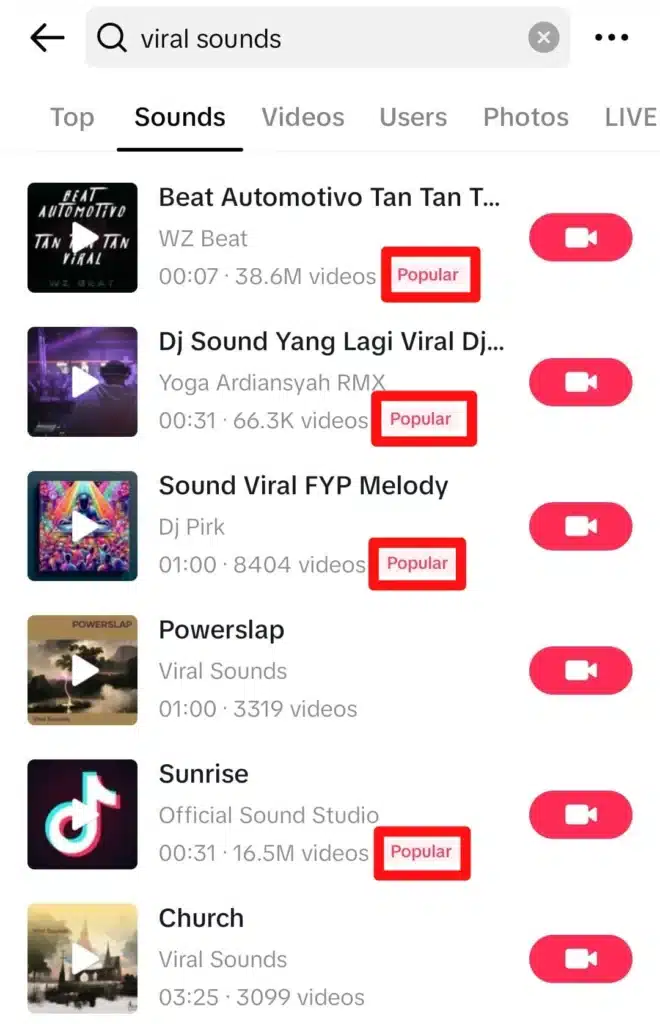
Millions of creators sync their short-form videos to chart-topping hits every morning, chasing viral reach across algorithmic feeds. The logic feels simple: pick a track climbing the charts, pair it with engaging footage, and watch engagement soar. When an invoice or monetization payout enters the equation, that assumption collapses. As detailed in a recent quasa.io Report, commercial clearance requirements on short-form platforms remain misunderstood by digital creators and enterprise marketing teams alike.
Every commercial arrangement operates under strict intellectual property laws that standard app interfaces obscure. Just because an audio snippet sits on a public shelf does not mean anyone can use it to sell a product or cash a brand partnership check. The gap between casual posting and commercial distribution has triggered account bans, retroactive invoice demands, and muted catalogs across the creator economy.
📌 Key Takeaways:
- The Commercial Dividing Line: Platform consumer licenses cover personal entertainment only, meaning any sponsored post clearance requires separate synchronization rights or pre-cleared commercial audio library selections.
- Fair Use Misconceptions: Slapping a five-second popular audio clip behind a commercial endorsement fails every standard legal benchmark for a fair use defense in federal court.
- Enforcement Escalation: Automated fingerprinting systems and label-driven audio takedown notices now target sponsored influencer posts and institutional profiles with zero tolerance for unlicensed commercial use.
The Costly Illusion of Viral Audio Marketing
Social algorithms prioritize sound as a primary discovery vector. Industry data from an August 2026 sound marketing audit published by Amra & Elma revealed that videos anchored by trending audio clips generated nearly 200% higher user recall than silent or voice-only uploads. Music fuels discovery. It drives algorithmic velocity. Because the platform makes attaching a Top 40 hook as frictionless as pressing a single button, users treat the catalog like public-domain utility music.
The consumer sound library is an entertainment product negotiated between parent tech conglomerates and publishing houses. The rights granted to personal users allow them to dance, lip-sync, or share slice-of-life updates to licensed tracks. These platform-level agreements explicitly exclude commercial advertising. When a user creates organic sound monetization through casual personal vlogging, the label collects micro-royalties through backend streaming pools. The second that creator tags a sponsor or accepts a cash stipend to promote a hydration packet, the post transforms into commercial speech. At that exact juncture, the consumer license voids instantly.
Why Fair Use Defense Fails Commercial Endorsements
Online advice frequently tells aspiring influencers that short audio segments constitute fair use. Legal claims that sampling under seven seconds, altering the pitch, or transforming the visuals shields a creator from TikTok copyright infringement are entirely false. Under Section 107 of the US Copyright Act, courts assess fair use across four statutory factors: the purpose of the use, the nature of the copyrighted work, the amount used, and the effect upon the market value of the original work.
Commercial brand promotion fails the first factor immediately. If an audio track serves as an emotional hook to hold consumer attention during a product pitch, the use is commercial and non-transformative. You are borrowing someone else's artistic capital to enrich your own business or secure brand partnership retainers. Label attorneys do not need to prove that you stole the entire composition; using the core signature riff, the hook, proves that you took the qualitative heart of the work. Label legal teams aggressively refute transformative defenses when audio accompanies affiliate links, promo codes, or paid product placements.
Account Tiers and Music Licensing Royalties in 2026
The platform enforces rigid technical partitions based on how an account registers. Business profiles encounter business account sound restrictions that limit their in-app sound picker strictly to pre-cleared, royalty-free instrumental libraries. Personal accounts access full commercial pop catalogs, which creates a dangerous regulatory trap for influencers running sponsored campaigns on personal handles.
| Use Case & Profile Setup | Audio Selection Permitted | Direct Monetization Eligibility | Legal Exposure Risk |
|---|---|---|---|
| Personal Profile (Non-Commercial) | Standard Consumer Music Library | Creator Rewards Program (Original Video) | Negligible (Protected by platform blanket deals) |
| Influencer Sponsored Collaboration | Commercial Audio Library or Custom License | Brand Sponsorship Fees, Affiliate Sales | Severe (Statutory damages up to $150,000 per track) |
| Verified Corporate Brand Account | Commercial Audio Library Only | Lead Generation, Direct Storefront Checkout | High if consumer sounds are sideloaded via original audio |
| Independent Audio Producer | Original Intellectual Property | Master Royalties, Streaming Splits, Brand Syncs | None (User holds underlying copyright) |
When an influencer with a personal profile accepts money from a skincare company and uses a trending global single, they violate the terms of service while infringing intellectual property rights. Brands cannot bypass business audio limitations by hiring personal creators to run the unlicensed audio on their behalf. Production contracts increasingly contain indemnity clauses shifting copyright liability directly onto creators who pick unapproved commercial songs.
Real-World Takedowns: The Legal Precedent Set by Major Labels
The music industry treats unauthorized institutional uses with extreme aggression. High-profile incidents during the summer of 2026 proved that artists and publishers monitor short-form video channels closely. As documented by Variety and Billboard, major publishing administrators ordered immediate removals when political campaigns used copyrighted music without explicit synchronization clearance. Taylor Swift's track "August" and George Michael's "Father Figure" were abruptly wiped from campaign clips following direct publisher takedown demands.
These actions represent more than simple platform mutes. The removal notices send a message across the corporate spectrum: no organization or monetized entity receives a free pass to exploit recorded music for messaging. Independent rights holders employ automated digital acoustic fingerprinting tools that crawl social networks continuously. When these trackers detect unauthorized commercial audio, the publisher's first move is rarely a polite message. They file statutory DMCA notifications, which count toward algorithmic account strikes, or dispatch formal demand letters requesting retrospective synchronization fees ranging between $10,000 and $75,000 per infraction.
Monetizing Original Sound Through the Creator Rewards Program
Creators eager to monetize audio legitimately must look toward original composition and platform-approved revenue paths. The Creator Rewards Program pays creators based on original video metrics, qualified views, and audience retention. Qualifying videos must exceed sixty seconds in duration. Crucially, if a one-minute video relies on a third-party copyrighted song that receives a claim, the creator's payout for that video drops to zero.
Independent musicians take advantage of this dynamic by building distinct audio assets. When an artist uploads a proprietary beat or soundbite, other accounts use that audio as a meme template. If that original sound gains traction, the original creator earns payouts through sound-on streaming incentives, publishing royalties registered through collection societies, or direct licensing fees paid by brands jumping on the viral moment. This legitimate pipeline transforms viral reach into durable music licensing royalties without triggering DMCA liabilities.
Frequently Asked Questions (FAQ)
Q1: Can I use trending pop songs if I credit the artist in my video caption?
A1: Giving credit in a caption provides zero legal protection against copyright infringement. A credit is not a license. Unless you have written synchronization clearance from both the master recording owner and the publishing administrator, the track remains legally off-limits for commercial use.
Q2: Why do some brand accounts manage to use trending sounds without getting muted?
A2: Corporate accounts seen using trending songs have either purchased a bespoke synchronization license, secured direct clearance from the rights holder, or created a licensed partnership. Alternatively, they may simply be flying under the radar on an uncleared track, running the operational risk of retroactive copyright demands and account strikes.
Q3: Does changing the pitch or speed of a copyrighted track bypass copyright systems?
A3: Modern acoustic fingerprinting software easily identifies altered tracks, including nightcore, slowed, or reverb versions. Altering a recording without authorization violates the copyright holder's exclusive right to prepare derivative works, compounding legal risk rather than eliminating it.
Q4: How can an influencer safely select background music for a paid brand deal?
A4: Influencers executing sponsored content should source audio strictly from the platform's royalty-free commercial catalog or obtain written permission through third-party commercial music subscription services that provide express synchronization rights for social sponsorships.
Building a Compliant Audio Strategy in 2026
Treat audio clearance with the same diligence applied to ad disclosures, tax accounting, and contract negotiations. The era of free, unregulated background tracks on sponsored content has permanently closed. Modern brand audio strategy requires clear guardrails: audit every piece of sponsored creative against commercial licensing registries before publishing.
True monetization stability comes from ownership, not borrowing unearned reach from top-charting singles. Creators who produce bespoke sounds, partner with indie producers, or rely consistently on pre-cleared commercial catalogs insulate their channels from takedowns. They protect their corporate partnerships from litigation and build sustainable digital businesses grounded in sound legal practice.


