Carrier Policies and Anti-Spam Crackdowns: How STIR/SHAKEN Affects Private Calling Today
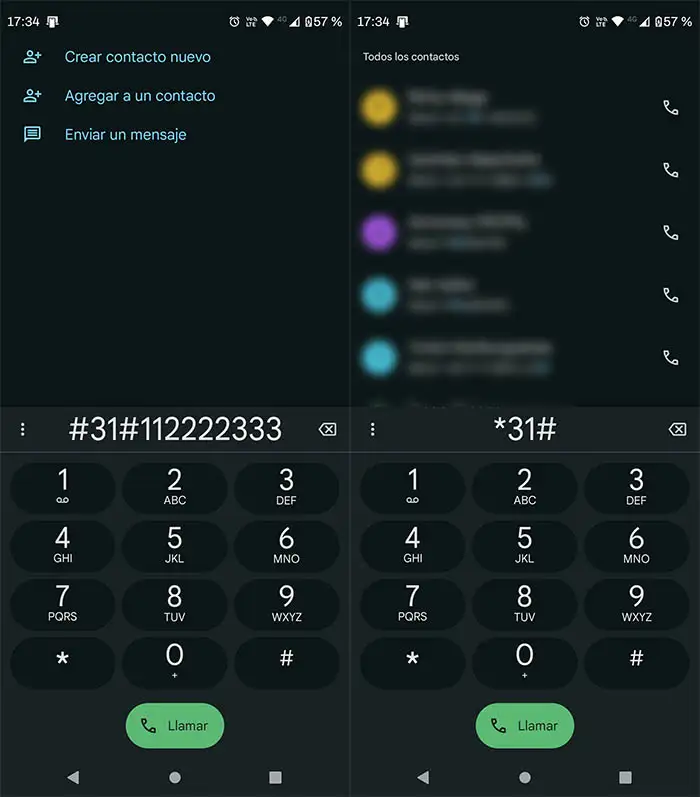
Dialing a private number used to require nothing more than a three-character prefix. Entering *67 in the United States or #31# across Europe and Latin America instructed the telephone exchange to strip outbound identities, shielding personal numbers from landlords, marketplace buyers, and unknown contacts. That casual cloak has fractured. By 2026, dialing anonymously on a mobile device is more likely to route a call straight into digital purgatory than connect with the party on the other end.
Regulatory bodies have systematically tightened controls over unverified communications. The friction between regulatory enforcement and unverified transmission parallels high-profile speech disputes, such as the institutional classification battles documented in a Proceso Report on political labeling bans, where oversight authorities clamped down on contested identifiers. Across cellular networks, that same regulatory impulse has transformed caller privacy. Network operators, armed with cryptographic validation protocols, increasingly treat hidden numbers as predatory threats.
📌 Key Takeaways:
- The Mechanical Shift: The *67 and #31# prefixes still suppress caller ID at the handset level, but carrier filtering engines now flag anonymous incoming calls as high-probability spam.
- Cryptographic Penalties: Under current STIR/SHAKEN standards, stripping outbound identifiers frequently deprives calls of Full Attestation (Level A), triggering automated network filters.
- Modern Privacy Workarounds: Masking your identity reliably in 2026 requires secondary virtual numbers, dynamic eSIM profiles, or legitimate business VoIP gateways rather than traditional dialer prefixes.
The Mechanics of Modern Caller ID Suppression
Telephone networks route two distinct streams of data during every call setup: the Calling Party Number (CPN) and the Presentation Number. The CPN is the administrative address used by telecom switches for billing and lawful intercept routing. The Presentation Number is the data packet sent forward to light up the recipient’s screen.
When you punch in a traditional vertical service code like *67 prefix or activate native private number settings on a handset, you are not erasing your number from the telecommunications grid. You are toggling a presentation indicator flag from "allowed" to "restricted." The originating central office switch still logs your true billing number. It simply tells the terminating carrier switch to display "Private," "Restricted," or "Anonymous" to the person answering.
This separation worked reliably on legacy analog circuits. On modern Voice over LTE (VoLTE) and Voice over New Radio (VoNR) architectures, however, that simple restriction flag collides head-on with carrier security algorithms. Modern mobile ecosystems prioritize identity verification over casual concealment.
How the STIR/SHAKEN Framework Broke Anonymous Calling
The core catalyst behind this breakdown is the cryptographic authentication architecture mandated under modern telecom anti-spoofing regulations. The STIR/SHAKEN framework, short for Secure Telephone Identity Revisited and Signature-based Handling of Asserted information using toKENs, requires originating carriers to sign outbound calls with digital certificates.
These digital signatures fall into three distinct attestation tiers:
- Full Attestation (A): The carrier knows the customer, owns the number, and verifies the caller has the legal right to use that identity.
- Partial Attestation (B): The carrier verifies the call originated on its network, but cannot verify whether the caller owns that specific number.
- Gateway Attestation (C): The carrier acts merely as a transmission conduit, passing the call from an unverified international or third-party trunk without validating identity.
Under strict FCC caller ID rules and global carrier compacts, networks reward Attestation A calls with green checkmarks or "Verified" badges on customer handsets. When a user activates caller ID blocking, the originating carrier can sign the behind-the-scenes call record, but the terminating network receives a payload stripped of a public identity token. Because the recipient’s phone cannot display a validated signature, built-in device defenses default to defensive screening.
Dialing Codes Versus Device Settings: Performance Breakdown
Hiding a number via dialing prefix functions differently from carrier-level provisioning or mobile operating system toggles. While the technical suppression occurs at the switch level, how downstream networks parse that call varies dramatically.
| Suppression Method | Connection Success Rate | Carrier Filter Reaction | Primary Vulnerability |
|---|---|---|---|
| Prefix Codes (*67 / #31#) | 25%, 35% | Flagged as Potential Fraud or Spam | Intercepted by auto-screening tools |
| OS Settings (iOS / Android) | 30%, 40% | Marked as "Private" or "Unknown" | Blocked by Anonymous Call Rejection |
| Account-Level Carrier Block | 45%, 55% | Treated as Authenticated Restricted | Recipients deliberately silence unknown calls |
| Secondary Virtual Numbers | 85%, 95% | Full Attestation (Level A) Passed | Requires dedicated monthly application setup |
If you choose to hide caller ID iPhone Android menus provide straightforward toggles. On iOS, navigating to Settings, selecting Phone, and tapping Show My Caller ID turns off outgoing transmission. On Android, the Google Phone dialer houses this within Settings under Calling Accounts, followed by Additional Settings and Caller ID. While these menu options ensure the restriction flag stays active permanently without re-entering the #31# dialing code before each call, they do nothing to bypass terminating filters.

Anonymous Call Rejection and Automated Screening Walls
The failure of private calls is not solely an infrastructural issue. Consumer-facing software filters have become far more aggressive. For years, wireline customers relied on anonymous call rejection, often toggled with *77, to bounce calls without caller information back to the switch.
Today, mobile operating systems perform that task quietly on-device. Apple’s "Silence Unknown Callers" feature instantly diverts any number not found in the user’s contacts, recent calls, or Siri suggestions directly to voicemail. Google’s Call Screen utilizes on-device artificial intelligence to demand an upfront spoken statement from unlisted callers before the handset ever rings.
Tier-one mobile providers reinforce these device defenses with algorithmic carrier call screening services, including AT&T ActiveArmor, Verizon Call Filter, and T-Mobile Scam Shield. These systems process billions of network transactions daily. Their behavioral spam call detection models look at call velocity, duration, and attestation level. An unlisted number calling a consumer with zero prior communication history is statistically categorized as malicious traffic and dropped instantly.
Viable Pathways for Telecommunications Privacy
The death of dial-code anonymity does not mean privacy is unattainable. Achieving it simply requires transmitting a legitimate, verified number that does not trace back to your personal billing profile.
The most effective strategy involves VoIP private calling and disposable virtual numbers. Services like MySudo, Google Voice, and Cloaked assign real telephone numbers managed via secure data tunnels. Because these services maintain genuine registration identities with underlying communications carriers, their calls carry valid certificates through the STIR/SHAKEN pipeline. They bypass carrier filters, ring the recipient's phone, and preserve the caller’s real mobile number without a single dialer code.
Dual-SIM devices operating separate prepaid eSIM profiles offer another reliable approach. By purchasing a data-and-voice plan with cash or non-identifying billing methods, callers establish a second network-native identity. The call passes cleanly with Level A attestation, eliminating the risk of being purged by spam filters while maintaining absolute compartmentalization from primary communications.
Frequently Asked Questions (FAQ)
Q1: Does the *67 prefix still function on 5G mobile devices?
A1: Yes, the technical instruction to hide your number still reaches your mobile provider. However, because modern carrier anti-spam algorithms and on-device call screeners penalize incoming anonymous traffic, the recipient’s phone will frequently silence or divert the call automatically.
Q2: Can recipients use commercial apps to uncover my private number?
A2: Consumer-grade reverse lookup apps cannot bypass legitimate carrier-level suppression on typical personal calls. However, toll-free lines (800, 888, 877) utilize Automatic Number Identification (ANI), which overrides caller ID suppression completely. Third-party call-unmasking platforms exploit this exact mechanism by routing calls through toll-free numbers to expose hidden callers.
Q3: Which dialing code hides caller ID outside the United States?
A3: While *67 is standard across North America, the International Telecommunication Union (ITU) standard code is #31#. This prefix is used across most of Europe, Latin America, Australia, and parts of Asia to suppress caller ID on GSM and LTE networks.
Q4: Do emergency services see my number if I dial them with caller ID turned off?
A4: Yes. Emergency dispatch operators (such as 911, 999, or 112) do not rely on standard presentation data. They access the raw Calling Party Number (CPN) and PSAP network data, which completely bypasses all user-level privacy toggles and dialing prefixes.
The Future of Calling Anonymously
The regulatory and technical architecture of global telecommunications has fundamentally pivoted. The era of casual, code-based anonymity over public switched telephone networks has drawn to a close. As anti-robocall mandates consolidate worldwide, networks will increasingly enforce cryptographic accountability on every voice packet.
For individuals who value privacy, relying on a legacy dialer code is no longer practical. Protecting personal contact details today requires establishing managed secondary identities, utilizing isolated eSIMs, or routing traffic through authenticated digital voice services. The telecommunications network will always deliver numbers that identify themselves cleanly; ensuring that identity points to a secure, compartmentalized proxy is the modern standard for communication privacy.


