Disney's Live-Action Snow White Dwarf Controversy: Full Timeline of Cast Changes and CGI Revamps
Walt Disney Studios spent nearly a century profiting from seven iconic mining companions. When production ramped up on the high-budget live-action reimagining, those same characters ignited one of the fiercest creative firestorms in modern studio history. What began as a standard modernization effort spiraled into leaked production set photos, heated debates among performers with dwarfism, and an eventual multimillion-dollar digital overhaul. As detailed in coverage by 玩具人 TOY PEOPLE Report, star Rachel Zegler confirmed that the reimagined narrative departs considerably from the 1937 animated original, testing whether modern moviegoers will embrace starkly revised legacy folklore.
The friction exposed an acute corporate dilemma: how to preserve beloved intellectual property while evading antiquated tropes. Between Peter Dinklage's scathing public critique and Disney's shifting descriptions of "magical creatures," the Seven Dwarfs found themselves at the center of culture-war politics, labor debates, and VFX crises.
📌 Key Takeaways:
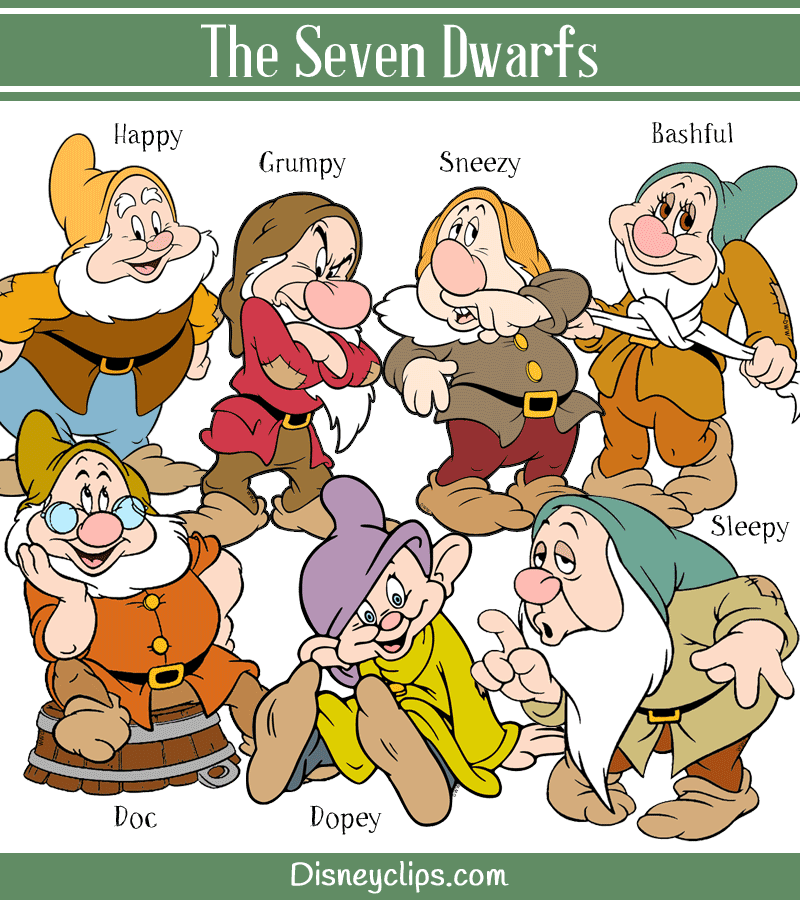
- The Lineup: The classic names, Doc, Grumpy, Happy, Sleepy, Bashful, Sneezy, and Dopey, remain the baseline names Disney created in 1937, fundamentally departing from the unnamed dwarfs of the Brothers Grimm fairy tale.
- The Spark: Actor Peter Dinklage's 2022 critique pushed Disney into an ill-fated pivot toward live-action "magical companions," triggering backlash from actors with dwarfism who lost high-profile acting roles.
- The Retraction: Disastrous reactions to leaked 2023 set photos pushed Disney into extensive post-production reshoots, shelving the live-action stand-ins in favor of full CGI figures modeled after the 1937 animated designs.
From Anonymous Miners to Doc, Grumpy, and Dopey
The names everyone recites today were not part of the original folklore. When Jacob and Wilhelm Grimm published "Sneewittchen" in their 1812 collection Children's and Household Tales, the seven miners possessed no individual names. They functioned collectively as an earthy, superstitious chorus working deep within the mountains.
Walt Disney changed that dynamic in 1937. Developing the first full-length cel-animated feature required distinct visual gags and strong narrative differentiation. Storyboard artists drafted dozens of prospective monikers during pre-production, including Jumpy, Deafy, Puffy, Wheezy, Baldy, and Burpy. Animators eventually settled on seven personalities:
- The self-appointed, flustered leader prone to spoonerisms and malapropisms.
- The cynical skeptic whose sour demeanor conceals genuine protective warmth.
- The stout, buoyant optimist anchored by infectious laughter.
- The perpetually exhausted laborer constantly tormented by stray flies.
- The blushing romantic whose anxiety triggers twisted posture and nervous grins.
- The hay-fever sufferer whose violent sinus explosions drive physical slapstick.
- The mute, bumbling child-like figure whose pantomime performance stolen the entire 1937 picture.
These personality archetypes became foundational assets for the studio, driving consumer merchandise and theme-park attractions for eight decades. The names stuck so completely that modern audiences often forget they were 20th-century Hollywood inventions rather than folklore canon.
The Dinklage Critique and the "Magical Creatures" Shift
The modern controversy erupted in January 2022 on Marc Maron's WTF podcast. Actor Peter Dinklage spoke out sharply against Disney's decision to mount a live-action remake while touting its own progressive casting choices.
"Literally no offense to anyone, but I was a little taken aback when they were very proud to cast a Latina actress as Snow White, but you're still telling the story of Snow White and the Seven Dwarfs," Dinklage said. "Take a step back and look at what you're doing there. It makes no sense to me. You


