Escaping the "Curse": The Fight for Asian Children with Down Syndrome Facing Deep-Seated Cultural Stigma
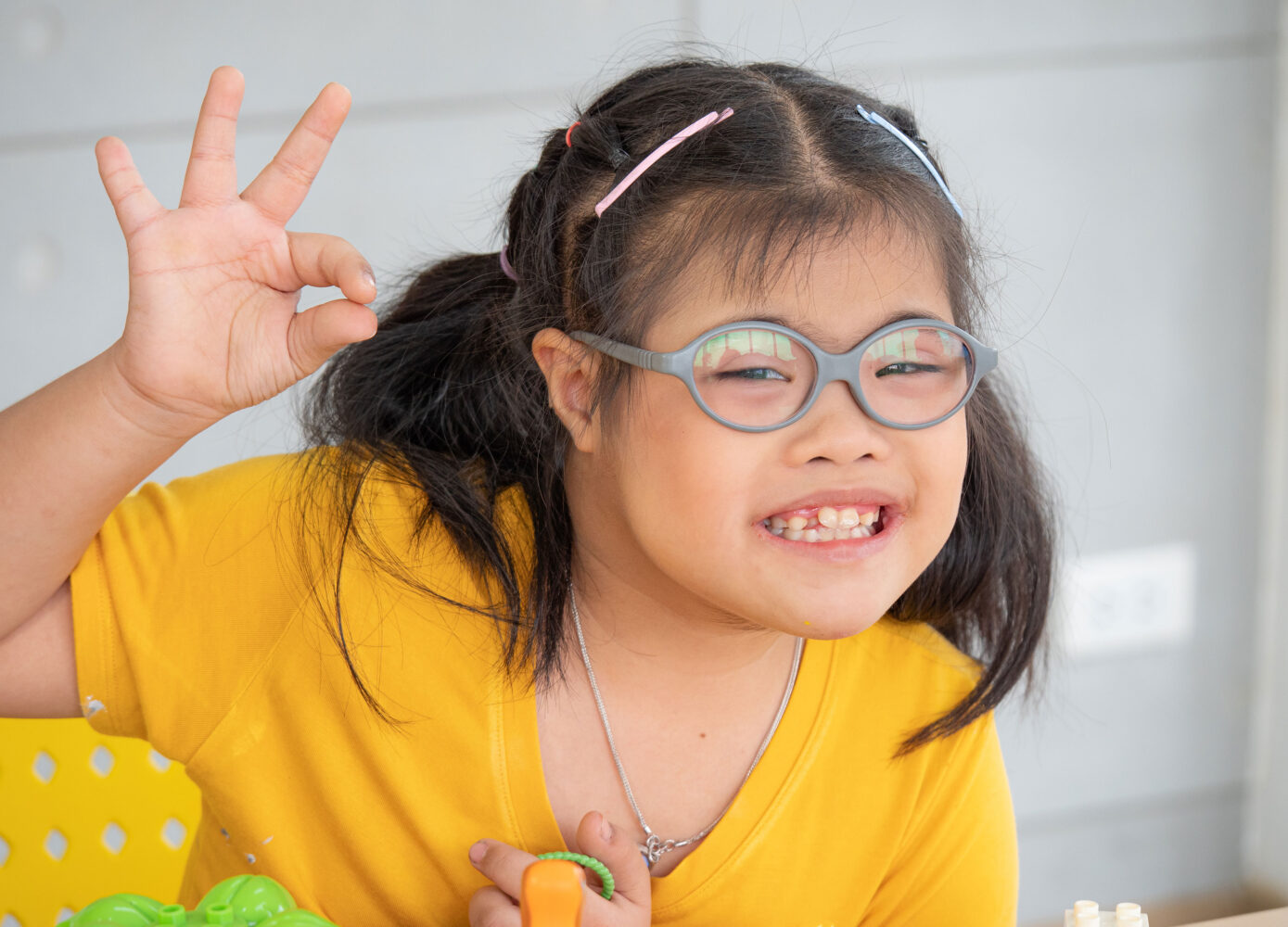
When an immigration tribunal in New Zealand reviewed the case of a young Asian boy facing deportation in July 2026, the official court transcripts documented more than just a dispute over public healthcare expenditure. The boy's family presented evidence that returning to their country of origin meant returning to severe social isolation, where neighbors and distant relatives had openly branded the child a spiritual "curse" upon the family line. The case, reported by the NZ Herald, brought international attention to a painful contradiction: as modern genetics advances across the globe, families raising children with Down syndrome in many Asian communities remain trapped between modern medical capabilities and centuries-old cultural stigmas.
The institutional treatment of genetic differences across Asia is undergoing intense public scrutiny. Bioethicists, including Dr. Alexis Heng Boon Chin in a recent CodeBlue Report, have raised urgent questions about how societies in East Asia balance reproductive autonomy with the ethics of selective termination. While clinical screening tools expand rapidly, comprehensive developmental disabilities support and legal safety nets struggle to keep pace. The friction between ancestral superstitions, state health budgets, and parental desperation defines daily life for thousands of families seeking safety and dignity for their children.
📌 Key Takeaways:
- The Deportation Precedent: High-profile visa disputes in Australasia highlight the extreme risks facing neurodivergent children who face forced repatriation to societies where developmental differences remain heavily stigmatized.
- Ethical Tensions in Healthcare: The rapid rollout of non-invasive prenatal diagnosis has outpaced public discussions regarding genetic screening ethics, intensifying social pressures on expectant mothers in East Asia.
- Civil Society Mobilization: Mass advocacy events like the 10,500-strong Happy Walk Manila demonstrate that grassroots family networks are actively reshaping community acceptance across Asian urban centers.
The Deportation Battle That Exposed Generational Taboos
The legal fight in New Zealand laid bare an open secret among immigrant communities. Immigration authorities frequently evaluate children with trisomy 21 strictly as long-term financial liabilities against public health systems. Yet for this family, deportation was not merely a change of address. It represented the loss of physical safety and basic human dignity.
In traditional communities across parts of South and East Asia, cultural stigma around congenital conditions runs deep. Misconceptions rooted in karmic retribution or ancestral wrongdoing still surface in rural enclaves and urban neighborhoods alike. Parents report relatives urging them to keep disabled children hidden behind closed doors to preserve family marriage prospects. By taking their battle to an open administrative appeals court, the family broke an unwritten code of silence, demonstrating that systemic rejection begins not in the courtroom, but inside local communities.
Immigration defense attorneys increasingly cite severe social ostracism as a compelling humanitarian consideration. When social rejection prevents a child from attending public school or leaving the house without harassment, the threshold of humanitarian risk shifts. The proceeding established that for a child with Down syndrome, returning home is often a sentence of enforced invisibility.
Genetic Screening Ethics and the Reality of Prenatal Diagnosis
The ethical debate across Asia has intensified alongside the proliferation of cell-free DNA tests and non-invasive prenatal diagnosis (NIPT). Commercial clinical laboratories in Singapore, Tokyo, and Seoul market these screenings as routine preventative care, yet pre-test genetic counseling remains largely unregulated. Expectant parents often receive catastrophic diagnoses without neutral, comprehensive information about what raising a child with Down syndrome actually involves in 2026.
Dr. Alexis Heng Boon Chin examined this dynamic, noting that termination rates following a positive Down syndrome result exceed 90% in several advanced Asian economies. In high-pressure societies centered on hyper-competitive academic benchmarks and intense economic output, a child with an intellectual disability is frequently treated as a structural burden. The decision to terminate often stems directly from the glaring absence of state-funded developmental disabilities support rather than genuine medical necessity.
East Asia disability rights groups argue that true reproductive autonomy cannot exist in a vacuum of social support. When states fail to guarantee accessible education, early intervention therapy, and adult housing, expectant mothers carry an impossible societal burden. Genetic screening ethics must move beyond mere laboratory precision to address the economic vulnerabilities that push families toward termination out of sheer panic.
Cross-Border Policy Milestones and Inclusion Efforts: 2024, 2026
Government responses and grassroots initiatives across the Asian continent vary dramatically. While some jurisdictions preserve antiquated institutional barriers, others have begun implementing direct interventions to foster social integration.
| Region / Jurisdiction | Primary Policy or Civic Focus | 2024, 2026 Measurable Development |
|---|---|---|
| Philippines | Civil society visibility and family mobilization | Happy Walk Manila gathered a record 10,500 advocates in April 2026. |
| Oman & Gulf Region | Sports-based social inclusion initiatives | Oman FA launched nationwide community training for neurodivergent youth in August 2026. |
| East Asian Metros | Prenatal diagnosis and bioethical counseling oversight | Introduction of mandatory pre-test counseling standards across major tertiary clinics. |
| Diaspora Hubs (NZ / Aus) | Immigration medical waivers and human rights challenges | Public legal appeals challenged strict medical exclusion criteria for dependent minors. |

From Manila to Muscat: Grassroots Coalitions Driving Community Acceptance
While bureaucratic reforms move slowly, public demonstrations of neurodiversity in Asian communities are shattering historical silences. On April 14, 2026, the Down Syndrome Association of the Philippines mounted the largest gathering for the condition in Asian history. Dubbed Happy Walk 2026, the event drew 10,500 participants to the SM Mall of Asia Arena, transforming public streets into an unapologetic demonstration of visibility, solidarity, and joy.
These massive public events serve an essential cultural function. They directly challenge the dynamic of shame by asserting that neurodivergent individuals belong in the public square. When thousands of families march openly through the center of Manila, the visual spectacle dismantles the lingering belief that a genetic condition must be treated as a private tragedy.
Similar shifts are surfacing in unexpected corners of the continent. In August 2026, the Asian Football Confederation spotlighted the Oman Football Association's targeted social inclusion initiatives. By training coaches to run specialized technical clinics for youth with Down syndrome and autism, the Oman FA positioned mainstream athletic institutions as drivers of neurodiversity advocacy. Bringing neurodivergent children onto regional football pitches challenges long-standing Middle Eastern and Asian taboos, teaching communities to view capability rather than limitation.
Building Dignified Futures Through Inclusive Employment Programs
The ultimate test of integration occurs not during childhood, but in adulthood. Historically, Asian adults with Down syndrome were relegated to institutional care or permanent home confinement once their parents aged. That dynamic is beginning to shift through targeted vocational training and special education advocacy.
In March 2026, AsiaNews chronicled the life of Savio, an adult living with Down syndrome who built an active, multi-faceted life centered on professional office employment and liturgical service within his community. Savio's trajectory proves that when provided with structural accommodation, individuals with trisomy 21 can maintain steady employment, manage daily independence, and contribute directly to civic institutions.
Forward-thinking organizations across Asian business centers are piloting inclusive employment programs. Social enterprises in Taipei, Singapore, and Hong Kong now operate bakeries, logistics hubs, and hospitality teams staffed by neurodivergent professionals earning competitive wages. These programs prove that developmental disabilities support should not be treated as charity. It is an investment in human capital that enriches workplaces and dismantles generational prejudices in real time.
Frequently Asked Questions (FAQ)
Q1: Why does cultural stigma around Down syndrome remain persistent in parts of Asia?
A1: Deep-seated cultural stigma often stems from traditional folk beliefs that interpret developmental disabilities as ancestral misfortunes, bad karma, or spiritual curses. Furthermore, the intense social pressure to maintain family prestige and economic standing can lead families to hide neurodivergent relatives to avoid public judgment.
Q2: How does the accessibility of prenatal testing influence birth rates of children with Down syndrome in East Asia?
A2: Non-invasive prenatal testing (NIPT) is widely accessible throughout modern Asian medical centers, leading to high termination rates following a positive result. This trend is driven largely by the scarcity of comprehensive state-funded adult care services and early intervention programs, which leaves prospective parents feeling unable to provide lifelong care.
Q3: What role do events like Happy Walk Manila play in shifting regional attitudes?
A3: Large-scale public gatherings normalize neurodiversity by taking families out of isolation and directly into public spaces. Events like Happy Walk, which gathered over 10,000 advocates in 2026, show that community networks, social inclusion, and active advocacy are gradually supplanting historic dynamics of shame with collective pride.
The Road Toward Unconditional Acceptance in 2026
The legal fight of a young boy facing deportation to an unwelcoming homeland is a sharp reminder that civil rights for neurodivergent individuals cannot be taken for granted. While legal systems deliberate over balance sheets and healthcare thresholds, real families live in the balance. True progress requires more than modern medical diagnostics or sporadic legal victories in immigration courts.
A meaningful shift demands structural reform across Asian societies: mandatory post-diagnosis counseling, fully funded special education pipelines, and corporate incentives for long-term inclusive hiring. When institutional policies finally mirror the warmth and tenacity displayed on the streets of Manila and the sports pitches of Muscat, Asian families living with Down syndrome will no longer need to seek asylum abroad to guarantee their children a life of dignity at home.


