Every Version of Biljana Electronica in 'Planet of the Bass' Compared and Explained
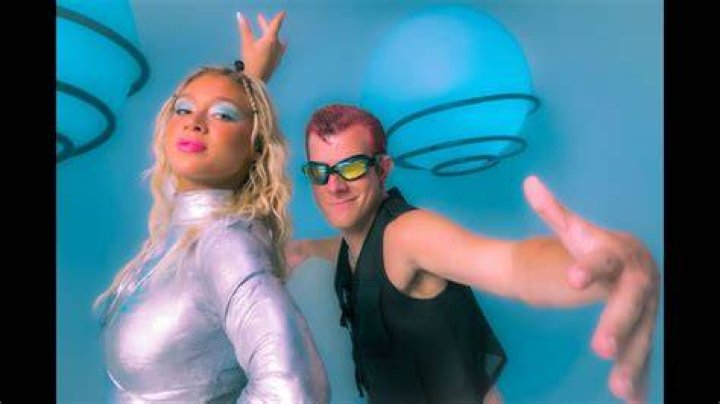
When comedian Kyle Gordon uploaded a 50-second clip of his Eurodance parody "Planet of the Bass" on July 28, 2023, he struck digital gold. Dressed in reflective sunglasses, an unzipped leather vest, and baggy track pants, Gordon stepped into his manic alter-ego, DJ Crazy Times. Yet it was his fictional collaborator, Ms. Biljana Electronica, who hijacked the collective consciousness. Sporting a silver crop top and an intense, deadpan stare, actress Audrey Trullinger lip-synced broken-English hooks inside Lower Manhattan's stark World Trade Center Oculus. The snippet racked up more than 110 million views across platforms in under two weeks.
What followed was a masterclass in chaotic audience cultivation. Instead of riding the viral wave with a single face, Gordon methodically replaced Biljana Electronica across successive TikTok teasers, triggering mock outrage, widespread confusion, and genuine cultural debate. As detailed in a contemporary rollingstone.com Report, millions of viewers suddenly demanded to know who the real Ms. Biljana Electronica actually was. The stunt did not just capture social feeds; it exposed a forgotten reality of 1990s dance-pop production.
📌 Key Takeaways:
- The Viral Bait-and-Switch: Kyle Gordon cast three distinct actresses across three separate promotional clips before premiering the full song, turning actress turnover into an organic marketing engine.
- Historical Accuracy: The revolving roster directly satirized real 1990s Eurodance acts like Corona, Real McCoy, and Technotronic, which routinely hired session vocalists to record tracks while using visual models for public appearances and music videos.
- The Voice Behind the Screen: None of the three video stars sang the song. Acclaimed session vocalist and recording artist Chrissi Poland performed the studio vocals, produced alongside Jamie Siegel.
The Oculus Lightning Strike and the Birth of DJ Crazy Times
Kyle Gordon spent years refining character comedy in New York clubs before landing on DJ Crazy Times. The persona drew directly from the frenetic, hyper-positive rap-vocalists who anchored 1990s European club hits. Songs by Snap!, 2 Unlimited, and Captain Jack relied on a rigid, recurring formula: an aggressive, rhythmically eccentric male hype-man paired with a soaring, melancholic female vocalist delivering sweeping philosophical non-sequiturs.
"Planet of the Bass" nailed the cadence with pinpoint accuracy. Lines like "Women are my favorite guy" and "Life: it is a mystery / Everyone must stand alone" hit the exact line between nonsensical translation and undeniable dance-floor ecstasy. Gordon chose the World Trade Center Oculus for the initial video shoot. Its gleaming white ribs and clinical marble floor mimicked the cold, futuristic aesthetic that European labels favored during the transition into the new millennium.
The visual chemistry of the original upload hinged entirely on contrast. While Gordon bounded around the frame in kinetic bursts, his co-star maintained an aloof, almost robotic composure. That performance transformed a simple comedy sketch into a summer anthem.
Audrey Trullinger, Mara Ryan, and Sabrina Brier: The Three Snippet Eras
The promotional rollout unfolded like an episodic sitcom that played out across algorithmic video feeds over eleven days.
The original iteration, Biljana Electronica 1.0, belonged to actress and creator Audrey Trullinger. Released on July 28, 2023, the initial video showed Trullinger fully committing to the rhythm of early VIVA music channel broadcasts. Her exaggerated mouth shapes, glassy gaze, and rhythmic head tilts made her an immediate fan favorite. Commenters adopted her as the canonical Biljana, praising her ability to look completely serious while miming absurd, syntax-scrambled lyrics.
Six days later, on August 3, 2023, Gordon blindsided his audience. A second teaser dropped featuring the same audio, but Trullinger was gone. In her place stood model and student Mara Ryan, designated Biljana Electronica 2.0. Ryan wore a sleek red leather ensemble and approached the assignment with high-fashion detachment. The internet erupted in mock grief. Comment sections across TikTok and Twitter flooded with the phrase "Not my Biljana," sparking hundreds of video essays dissecting the sudden departure.
Gordon doubled down on August 8, 2023, unveiling Biljana Electronica 3.0, played by popular New York comedy creator Sabrina Brier. Decked in a striped beret and 1990s European club gear, Brier brought a distinct, theater-kid energy to the role, delivering sharp, theatrical stares directly into the lens. By this point, the running joke had turned into an internet spectacle. Audiences realized the casting changes were deliberate, perfectly mimicking the interchangeable nature of dance-pop frontwomen from three decades prior.
The Revolving Vocalist Roster: Direct Breakdown and Timeline
Tracking the visual iterations reveals how Gordon leveraged TikTok's pacing to build suspense for the complete audio release.
| Version | Featured Performer | Release Date | Aesthetic & Public Reception |
|---|---|---|---|
| Biljana 1.0 | Audrey Trullinger | July 28, 2023 | Silver tube top, intense lip-syncing; widely crowned the "definitive" original by early viewers. |
| Biljana 2.0 | Mara Ryan | August 3, 2023 | Red leather jacket, aloof club swagger; sparked the viral "Not My Biljana" community backlash. |
| Biljana 3.0 | Sabrina Brier | August 8, 2023 | Striped beret, theatrical facial expressions; cemented the rotating-singer bit as high-concept satire. |
| The Full Video | Audrey Trullinger (with cameos) | August 15, 2023 | Trullinger stars across multiple stylized sets; Ryan and Brier appear in comedic cameo cutaways. |
Chrissi Poland and the Studio Reality Behind the Lip-Syncs
The deepest layer of Gordon's satire rested on an uncredited industry open secret: none of the women on camera were singing. The soaring, pitch-perfect vocals came from veteran New York singer-songwriter Chrissi Poland. Recorded alongside producer Jamie Siegel, Poland supplied the authentic Eurodance belt that anchored the parody's musical credibility.
This dynamic mirrored historic pop controversies from 1989 through 1995. When the Italian group Corona released "The Rhythm of the Night" in 1993, frontwoman Olga de Souza lip-synced in videos and promotional tours while uncredited session artist Giovanna Bersola supplied the actual master vocals. Black Box executed an identical maneuver with singer Martha Wash on "Ride on Time." By hiring Poland to sing while parading three different women on video, Gordon re-enacted one of the music industry's most shameless eras of packaging.
Poland's performance kept the joke from collapsing. A comedy track falls flat if the underlying production sounds amateurish. Siegel and Poland constructed an authentic sonic replica featuring punchy synth basslines, bright piano stabs, and four-on-the-floor kick drums that sounded indistinguishable from genuine European radio hits from 1994.
The Official Music Video Resolution and Cultural Impact
The narrative tension built up by Gordon's casting roulette resolved on August 15, 2023, when the full-length music video and studio track launched across streaming services. Gordon delivered a satisfying conclusion to the viral campaign: Audrey Trullinger returned as the lead Ms. Biljana Electronica, commanding the majority of the three-minute visual.
Rather than discarding the other two iterations, the video woven Mara Ryan and Sabrina Brier into the universe through quick-cut cameos. Set against green-screen space backdrops, subterranean subway stations, and chrome-plated hallways, the full music video captured the precise visual language of low-budget European music television. Trullinger cycled through multiple costume changes, validating fans who had lobbied for her return while acknowledging the collaborative nature of the stunt.
The song demonstrated that modern parody works best when rooted in genuine affection for its subject matter. Gordon did not simply make fun of Eurodance; he resurrected it with precision, offering an audience exhausted by algorithmic minimalism a chance to celebrate unabashed, colorful pop theatrics.
Frequently Asked Questions (FAQ)
Q1: Who actually sings the female vocals on "Planet of the Bass"?
A1: The studio vocals were recorded by professional singer-songwriter Chrissi Poland, not by any of the three actresses featured in the promotional videos. Poland collaborated with producer Jamie Siegel to deliver the soaring 1990s dance-pop hook.
Q2: Why did Kyle Gordon replace Audrey Trullinger in the TikTok teasers?
A2: The cast rotations were a planned satirical tribute to the Eurodance industry of the 1990s, where record labels routinely substituted visual models and stage performers for the anonymous session singers who recorded the actual records.
Q3: Where was the original viral video for "Planet of the Bass" filmed?
A3: The initial viral clip was filmed inside the World Trade Center Transportation Hub, known as the Oculus, in Lower Manhattan, New York City.
Q4: Did Audrey Trullinger return for the final official music video?
A4: Yes. Audrey Trullinger starred as the primary Ms. Biljana Electronica in the full-length music video released on August 15, 2023, while Mara Ryan and Sabrina Brier made guest cameo appearances.
The Enduring Charm of 90s Eurodance Satire
The success of "Planet of the Bass" signals a broader hunger for maximalist pop culture. In an era dominated by downtempo bedroom pop and subtle acoustic arrangements, the unapologetic energy of 1990s Eurodance provided an antidote to algorithmic monotony. Kyle Gordon, Audrey Trullinger, and their rotating ensemble proved that viral comedy thrives when backed by rigorous craft, sharp historical awareness, and earworm melodies that refuse to leave your head.


