Fact Check: Is SpongeBob Black? Unpacking Animation Canon, Cast Quotes, and Viral Merch
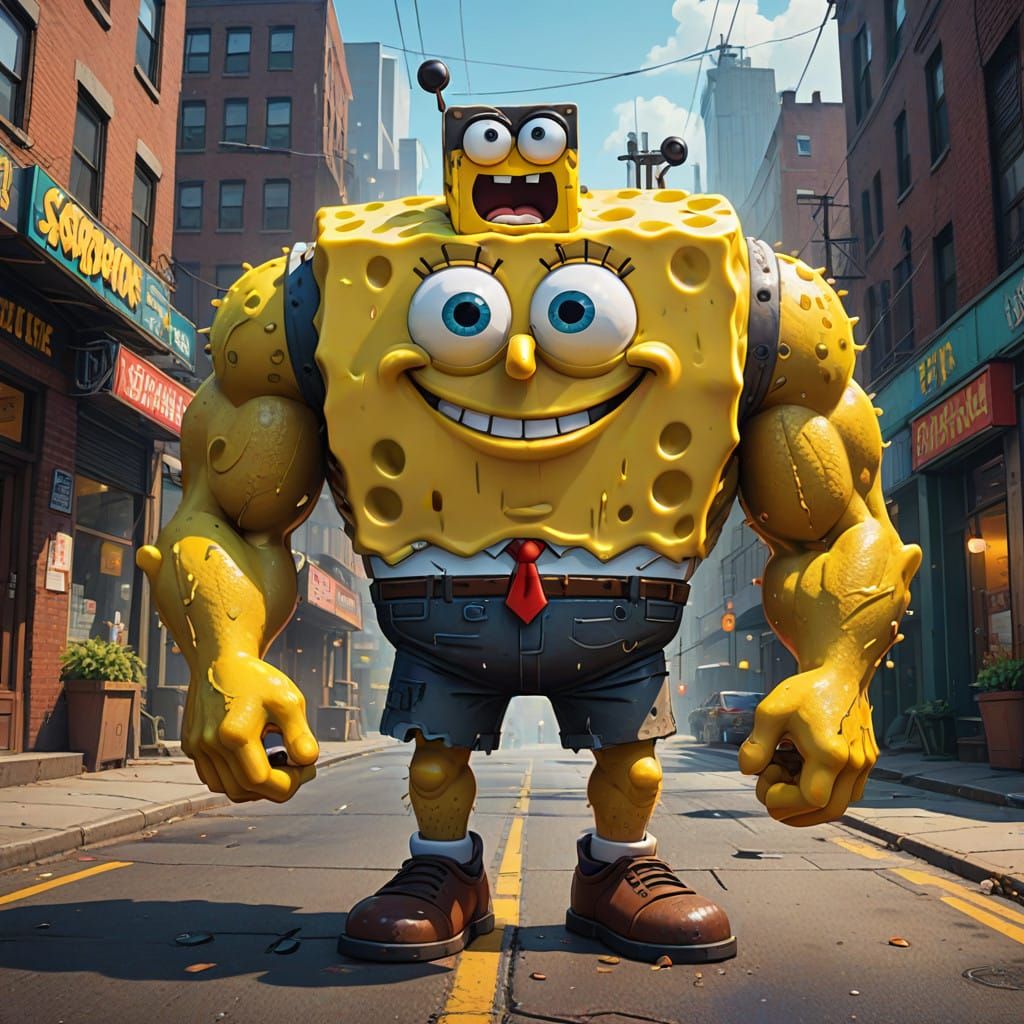
Every few months, social feeds reignite an argument that has simmered across internet culture for over two decades: Is SpongeBob SquarePants Black? Viral TikTok essays analyze his laugh, Twitter threads dissect his neighborhood dynamics, and Instagram reels match his dance moves to 1990s hip-hop classics. The porous yellow fry cook occupies a strange place in digital folklore, where absurd internet theories routinely spin out of control, investigative coverage like The Dispatch Report has even had to untangle fringe online hoaxes tying Bikini Bottom to political conspiracies.
The conversation surrounding SpongeBob’s racial coding is different. It is not malicious disinformation. Instead, it reflects a nuanced cultural adoption story that links southern California marine science, 2000s urban streetwear, and generations of Black television audiences claiming an animated icon as their own.
📌 Key Takeaways:
- The Canon Reality: Creator Stephen Hillenburg conceived SpongeBob strictly as an asexual marine organism with no human race, modeled after a kitchen sponge.
- The Voice Cast Perspective: Voice actor Tom Kenny has repeatedly affirmed that while the character possesses no biological race, his universal outsider status allows marginalized audiences to see themselves in his story.
- The Streetwear Phenomenon: Early-2000s airbrushed tees and flea-market bootlegs created an authentic urban aesthetic that major fashion houses and Nickelodeon later monetized directly.
Stephen Hillenburg, Marine Biology, and the Asexual Sea Sponge
To understand the official animation canon, one must start at the Orange County Marine Institute in Dana Point, California. Before he pitched Nickelodeon an animated powerhouse, creator Stephen Hillenburg was a marine science educator. When he drew the comic book The Intertidal Zone in 1989 to teach children about tide pools, his primary focus was scientific accuracy tempered by surreal comedy.
Hillenburg chose a sea sponge because of its biological absurdity. Real sea sponges (*Porifera*) have no brains, no central nervous systems, and reproduce both sexually and asexually. While natural sea sponges are amorphous, blob-like creatures, Hillenburg deliberately gave SpongeBob the geometric silhouette of a manufactured cellulose kitchen sponge. He wanted to emphasize cleanliness, naivety, and eccentric domesticity.
When questions about SpongeBob’s identity emerged during the conservative media firestorms of 2002 and 2005, Hillenburg was explicit: the sponge does not have a human racial identity or sexual orientation. In Hillenburg’s vision, the character exists beneath human social hierarchies, navigating a world run entirely on cartoon absurdity and ocean ecology.
Tom Kenny and Cast Perspectives on Character Identity
Longtime voice actor Tom Kenny has often fielded questions regarding how fans interpret the porous optimist. Over decades of convention panels and press interviews, Kenny has consistently defended the audience’s right to find personal representation in SpongeBob, even when the animation script never explicitly writes it into canon.
Kenny frequently points out that SpongeBob works an underpaid service job, lives next to a hostile neighbor, and fails his driver’s test dozens of times, yet approaches every morning with radical joy. That working-class struggle resonates universally. Kenny noted during several retrospectives that comedy icons like Stan Laurel, Charlie Chaplin, and Pee-wee Herman served as his primary vocal and physical inspirations.
Writers on early seasons have shared similar sentiments. The creative team never designated a human racial background for SpongeBob, Patrick Star, or Squidward Tentacles. Yet animation history is full of non-human characters taking on distinct cultural weight through audience adoption.
Swap Meets, Airbrush Tees, and the 2000s Streetwear Adoption
The argument that SpongeBob belongs to Black culture did not originate in animation studios. It started in strip malls, swap meets, and city flea markets between 2001 and 2006.
During hip-hop’s oversized-white-tee era, independent vendors began printing unauthorized custom bootlegs. Artists rendered SpongeBob, Patrick, and Squidward wearing Timberland boots, du-rags, backward fitted caps, and platinum chains. These shirts hung alongside airbrushed portraits of Tupac Shakur and designs featuring the Looney Tunes dressed in Southpole denim.
Kids across Chicago, Atlanta, New York, and Houston wore these shirts to school every day. The iconography crossed into car culture too, inspiring customized vehicles like the SpongeBob-themed rides that regularly turn heads at events like the Motor City Comic Con. The imagery became a fixture of urban pop culture, cementing an association between the bright yellow character and Black youth fashion long before Nickelodeon corporate executives recognized the marketing potential.
Cartoon Race Coding: Why Black Viewers Adopted Bikini Bottom
Race coding in American animation has a long, complicated history. Characters like Piccolo in Dragon Ball Z, the alien Darwin Watterson in The Amazing World of Gumball, and Goofy in Disney shorts have all been claimed by Black audiences through cultural coding.
Black Twitter culture frequently highlights specific elements of the show that feel intimately familiar:
- Musicality and Rhythm: Episodes like "Band Geeks" and musical numbers featuring production music from jazz, funk, and gospel traditions mirror Black American performance styles.
- The Underdog Reality: SpongeBob works as an exceptional fry cook at the Krusty Krab, generating massive wealth for Mr. Krabs while receiving pennies in return, an experience that mirrors systemic labor inequalities.
- Expressive Physicality: SpongeBob’s animated facial expressions, hand gestures, and vocal cadences align naturally with Black comedic delivery, making the show an endless goldmine for reaction GIFs and memes.
When an audience rarely saw themselves represented in mainstream Saturday morning cartoons, they appropriated anthropomorphic characters. SpongeBob’s eternal optimism in the face of mundane oppression made him an easy canvas for Black viewers.
The Evolution of SpongeBob Fashion: Bootlegs to High-End Streetwear
What began as copyright-infringing swap meet apparel eventually reshaped how Nickelodeon handled brand partnerships. Over the past decade, major fashion labels turned the bootleg aesthetic into high-priced runway and retail collaborations.
| Era | Dominant Merch Style | Key Distribution Channels | Primary Cultural Driver |
|---|---|---|---|
| 2001, 2005 | Airbrushed tees, du-rags, Timberlands | Local swap meets, urban flea markets | Grassroots hip-hop street fashion |
| 2006, 2014 | Graphic tees, skater apparel, snapbacks | Mall retailers (Hot Topic, Spencer's) | Millennial irony and youth skate culture |
| 2015, 2020 | Sneaker collabs (Nike Kyrie 5), luxury streetwear | SNKRS app, boutiques (BAPE, Moschino) | High-fashion nostalgia and athlete endorsements |
| 2021, 2026 | Viral meme-wear, designer capsules, retro reissues | Direct-to-consumer drops, global flagship stores | Black Twitter nostalgia and digital creator culture |
When NBA star Kyrie Irving teamed up with Nike in 2019 to release the official SpongeBob SquarePants sneaker collection, pairs sold out in seconds. Resale prices spiked above $300 on secondary platforms. The collection proved that the intersection of SpongeBob and urban athletic culture was not an internet joke, it was a lucrative, multi-million-dollar reality.
Frequently Asked Questions (FAQ)
Q1: Did Stephen Hillenburg ever state that SpongeBob has a race?
No. Stephen Hillenburg stated on multiple occasions that SpongeBob is an asexual sea creature without human race, gender identity, or sexual orientation.
Q2: Why do so many people on social media say SpongeBob is Black?
The claim comes from cartoon race coding, cultural adoption, and early-2000s urban fashion. Black audiences embraced his comedic timing, underdog working-class status, and bootleg streetwear presence, turning him into a cultural staple.
Q3: Are the airbrushed SpongeBob shirts from the 2000s official merchandise?
Almost none of them were official. They were unauthorized bootlegs produced by independent airbrush artists and vendors at flea markets, though they directly influenced later official high-fashion releases.
Q4: Has Nickelodeon ever officially addressed the SpongeBob race debate?
Nickelodeon has never assigned a race to SpongeBob in any official broadcast or press release. The network has, however, leaned into his diverse cultural footprint by collaborating with urban streetwear brands, hip-hop artists, and diverse designers.
Bikini Bottom’s Enduring Resonance Across Generations
Debating SpongeBob’s racial identity misses the point when viewed solely as a true-or-false factual question. From a biological and animation canon perspective, he is a yellow sea sponge living in an underwater pineapple. He has no melanin, no human ancestry, and no passport.
Culturally, the reality is far more interesting. Art does not remain inside the lines drawn by its creators. Once an animated character enters the collective consciousness, the audience decides how that character lives in the real world. Black audiences embraced SpongeBob over twenty-five years ago, printed him onto tees, matched his cadences in viral videos, and made him an enduring symbol of joy under pressure. That cultural adoption is real, vibrant, and impossible to erase.


