Fact-Checking 'Italian Brainrot': What Experts Say About 'Br Br Patapim'
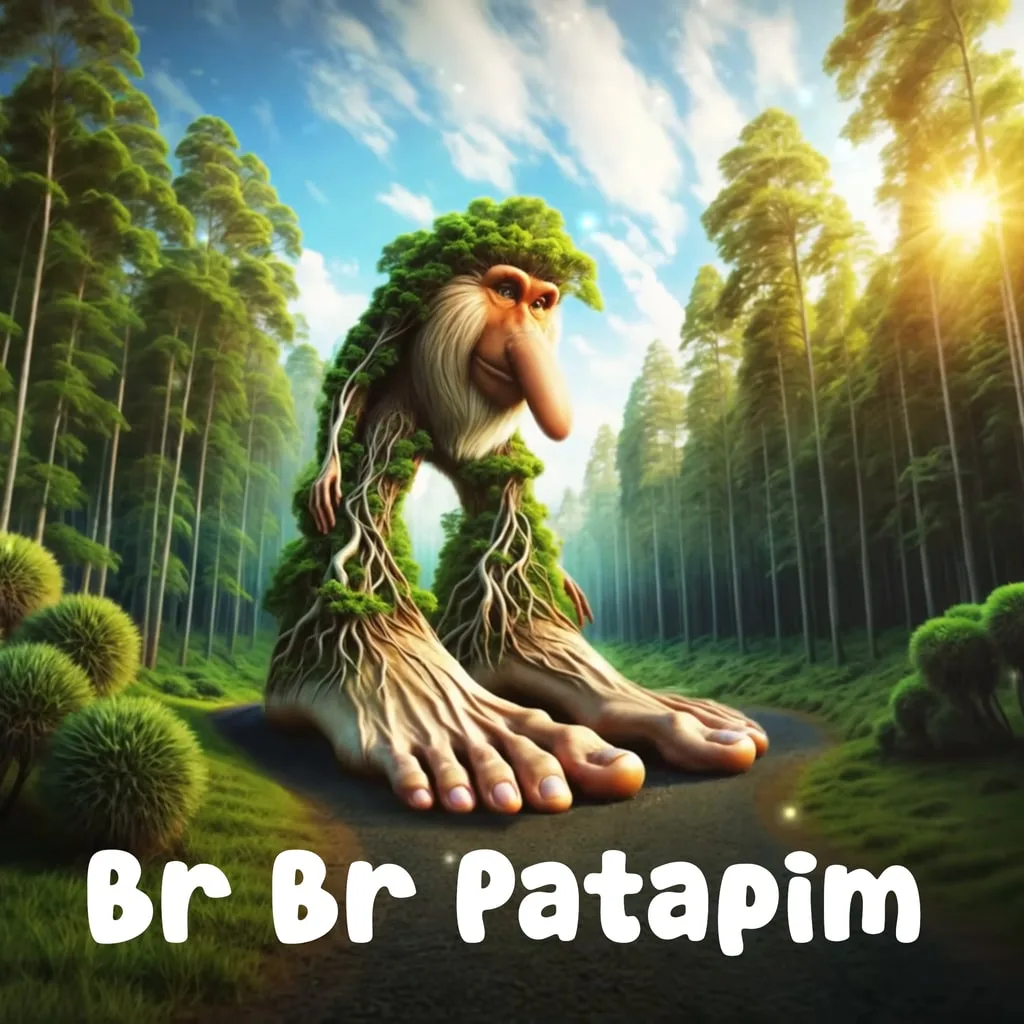
Middle school hallways and social media feeds sound markedly different this year. Walk past any cluster of eighth-graders or scroll through algorithmic short-form feeds, and you will hear a rapid-fire cadence: "br br patapim" matched with chaotic backing beats and bursts of "tralalero tralala." What began as an absurd soundbite has quickly metastasized into an international obsession, baffling parents, exhausting teachers, and sparking fierce arguments over how algorithmic media reshapes youth attention spans.
The phrase traces back to a wave of satirical online productions, highlighted by an archival YouTube Report documenting the explosion of the Italian brainrot rap parody in July 2025. Within weeks, the track spawned millions of derivative videos across short-video platforms, creating an inescapable auditory meme loop. Now firmly embedded in Gen Z internet culture and early Gen Alpha slang, the audio has expanded beyond smartphone screens into broader digital spaces, leaving researchers scrambling to assess whether this nonsense speech represents typical adolescent rebellion or genuine sensory burnout.
📌 Key Takeaways:
- The Phenomenon: The phrase "br br patapim" originated inside a viral rap parody mocking hyper-compressed online audio before morphing into a global linguistic shorthand.
- Cognitive Consensus: Developmental psychologists find little evidence of permanent cognitive harm, framing the trend as classic playground jargon accelerated by algorithmic repetition.
- Subcultural Reach: By late 2025 and 2026, the catchphrase crossed over from TikTok soundbites into competitive gaming, including professional esports team names and tournament banter.
How a Nonsensical Catchphrase Took Over Global Feeds
The term "brainrot" began as an insult targeting excessive screen time. By late 2024, online youth subcultures had flipped the term into an aesthetic badge of honor. Content creators started deliberately manufacturing hyper-surreal, synthetically voiced vignettes packed with fractured syntax, mock accents, and aggressive audio mixing.
The specific iteration dubbed "Italian brainrot" took off when creators merged exaggerated Italian vocal cadences with distorted trap percussion. The track combined "br br patapim" with singsong refrains like "tralalero tralala," stripping away narrative structure in favor of pure phonetics. It was designed specifically to arrest scrolling thumbs within the first two seconds. The sound bit immediately caught on. Millions of school-age users began dubbing the clip over mundane everyday situations: failing a math quiz, waiting for the bus, or arguing with siblings. The absurdity became the punchline.
The speed of transmission caught mainstream media off guard. Unlike traditional pop culture references that require shared media literacy, phonetic memes rely entirely on rhythm and earworm hooks. The sound travels across linguistic boundaries effortlessly. Within sixty days of its debut, localized variants appeared across Latin America, Southeast Asia, and Eastern Europe, each retaining the core staccato punch of the original audio file.
Digital Overload or Harmless Silliness: What Psychologists Say
The explosive popularity of the audio provoked immediate alarm from parenting forums and academic faculty lounges. Teachers reported students chanting the rhythm in unison during quiet study hours, prompting school districts in several regions to update classroom distraction policies. The sheer repetition led many adults to question whether hyper-condensed audio formats were degrading students' attention spans.
Developmental psychologists urge caution before declaring a societal crisis. Dr. Elena Vance, an adolescent behavioral researcher at the Digital Development Institute, points out that nonsensical wordplay is a fundamental feature of childhood development. Children have traded pig Latin, nursery nonsense rhymes, and surreal playground chants for centuries.
What has changed is the volume and delivery mechanism. Algorithmic feeds expose users to identical phonetic clips dozens of times each day, creating a mental echo chamber that amplifies the auditory loop. The repetition provides quick social validation inside peer networks while shutting out uninitiated adults. For teenagers, confusing parents is an intentional feature, not an accidental side effect.
Clinical psychologists note a legitimate operational risk: auditory fatigue. While chanting non-sequiturs does not inherently impair reasoning, consuming rapid-fire, high-tempo parodies for hours during study blocks increases cognitive switching costs. The real culprit is not the Italian brainrot meme itself, but the fragmented screen habits that keep young minds locked in constant stimulation cycles.
From Viral Parodies to Competitive Esports Stages
The lifecycle of modern internet humor moves at breakneck speed. By early 2026, the audio had evolved from an elementary school chant into an established subcultural emblem across online brainrot slang and competitive gaming. Gamers embraced the absurdity, utilizing the phrase as a psychological taunt during high-stakes matches.
This mainstreaming reached competitive esports tournaments throughout 2025 and 2026. During the Raleigh-Oops LAN 2025 competitive circuit, roster listings featured the meme directly: team "Brr Brr Patapim" faced off against "Fred's Fanclub" in the Ranked Hoops 2v2 division, as tracked by esports outlet Sheep Esports. Commentators and live streams leaned into the spectacle, repeating the catchphrase during critical game-winning moments.
| Phase & Timeline | Primary Medium | Cultural Expression |
|---|---|---|
| Q2 2025, Mid 2025 | Short-form audio & YouTube | Original rap parodies debut; audio loops reach viral engagement peaks. |
| Q3 2025, Q4 2025 | Classrooms & youth social circles | Verbal chanting replaces online playback; school administrators issue warnings. |
| 2026, Present | Esports tournaments & streaming | Meme adopts corporate and competitive identities, including tournament rosters. |
The progression underscores a standard digital trajectory: an underground oddity turns into a viral TikTok audio trend, faces institutional pushback, and ends up codified as ironic humor in community spaces.

The Architecture of an Auditory Loop
Why do short phonetic bursts anchor themselves in the mind so stubbornly? Cognitive linguists point toward two factors: plosive consonants and rhythmic pacing. The phonemes in "br br patapim" leverage harsh plosive sounds, the repeated "b" and "p", which trigger immediate auditory alertness.
These sounds mimic traditional percussion beats, turning spoken language into a micro-instrument. Paired with the singsong melodic cadence of "tralalero tralala," the phrase forms an instant musical loop. The brain latches onto the pattern much like it catches an advertising jingle or a classic nursery rhyme.
Furthermore, the soundbite offers high contextual flexibility. Because the phrase carries no concrete semantic definition, listeners can project any meaning onto it. It functions as an exclamation of triumph, an acknowledgment of confusion, or a deliberately disruptive non-sequitur. In fast-paced group chats and multiplayer voice lobbies, phrases that demand zero context are the ones that travel fastest.
Navigating Youth Slang in the Algorithmic Era
For educators and parents struggling to manage the current wave of online slang, distinguishing between behavioral disruption and typical linguistic experimentation is essential. Banning individual words rarely succeeds; prohibition historically increases a meme's social currency among teens.
A healthier approach involves establishing clear boundary lines based on environment rather than vocabulary. Chanting during a classroom lecture disrupts the group, regardless of whether the words are internet nonsense or ordinary speech. Treating the behavior as a classroom management question rather than an existential crisis reduces tension on both sides.
At the same time, parents can use the phenomenon to spark open discussions about algorithmic consumption. Asking kids why a clip caught their interest helps build basic media literacy. When young people examine how sound designers and video algorithms use repetitive audio hooks to keep users hooked on their screens, the illusion weakens. Once children see the underlying commercial machinery driving these trends, the edgy charm often wears off on its own.
Frequently Asked Questions (FAQ)
Q1: What does "br br patapim" actually mean?
The phrase carries no literal definition in Italian or English. It is an entirely made-up, onomatopoeic catchphrase created as part of an exaggerated musical parody mocking internet audio trends.
Q2: Is the Italian brainrot meme harmful to adolescent cognitive development?
Child psychologists find no evidence that repeating phonetic memes damages cognitive function. The primary concern is secondary: excessive screen time and the auditory overstimulation that comes from consuming rapid-fire content loops without regular cognitive breaks.
Q3: Why did competitive esports players start using the name?
Online gaming culture thrives on ironic internet humor. Teams adopting names like "Brr Brr Patapim" at events like the Raleigh-Oops LAN 2025 use the absurd moniker to signal cultural awareness, amuse streaming audiences, and disarm opponents.
The Staying Power of Algorithmic Absurdity
Online culture moves through trends at an unprecedented pace, but the underlying social mechanics stay consistent. Every generational cohort constructs its own private lexicon to draw a boundary between insiders and the outside world. Boomers had counterculture slang; millennials had early image macros; Gen Z and Gen Alpha have hyper-compressed audiovisual soundbites.
The fascination with this specific cadence will inevitably fade as content algorithms serve up newer, louder phonetic hooks. Yet the underlying pipeline is firmly established. As long as short-form platforms reward instant sensory gratification, creators will keep manufacturing fragmented, rhythmic absurdity, and curious youth will keep chanting it back.


