Fake vs Reality: How Scammers Weaponize Celebrity AI Deepfakes in TikTok Ads and Viral Clips
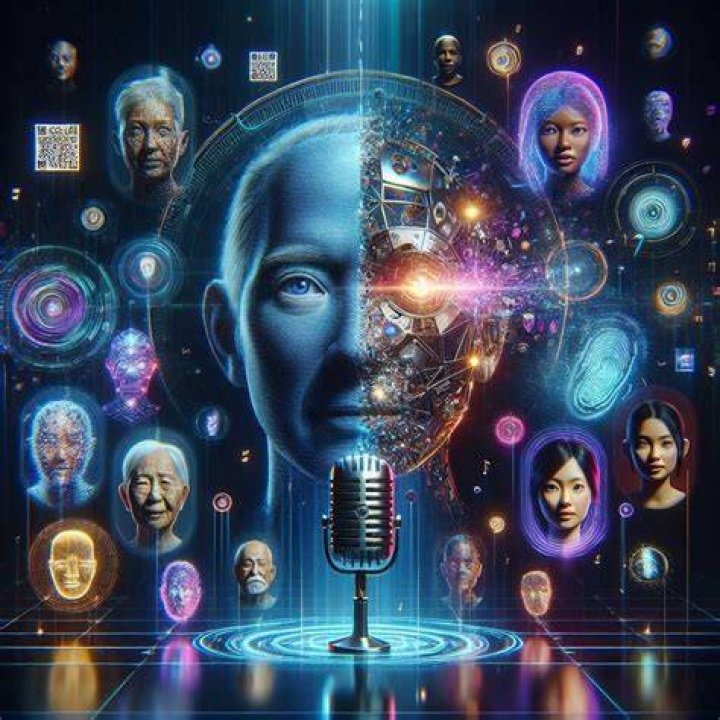
A brief six-second video appears on the TikTok feed: a strikingly crisp visual of Taylor Swift ostensibly giving away branded kitchenware, followed seconds later by an AI-manipulated clip teasing explicit celebrity outtakes behind an external link. While user reports flag thousands of these uploads daily, synthetic media syndicates continue to bypass automated review queues with alarming speed. As detailed in a recent startupfortune.com Report, automated pipelines have driven the marginal cost of producing photorealistic celebrity fraud down to virtually zero, transforming illicit impersonation into a high-volume commercial racket.
What began years ago as clumsy face swaps on fringe message boards has mutated into an aggressive distribution funnel across social feeds. The search for sensational celebrity clips and illicit imagery routinely ensnares everyday users in malicious affiliate programs, credential harvesters, and fraudulent ad campaigns. Scammers weaponize human curiosity and the sheer viral speed of short-form algorithms, turning digital identity theft into an industrial-scale enterprise.
📌 Key Takeaways:
- The Mechanized Pipeline: Rogue ad buyers deploy open-source diffusion models to synthesize convincing clips of public figures, targeting search queries tied to leaked or suggestive footage.
- The Conversion Funnel: Viral TikTok posts serve as clickbait funnels, funneling unsuspecting viewers off-platform toward fraudulent web stores, subscription traps, or data-harvesting sites.
- The Regulatory Void: Current platform safety enforcement struggles against polymorphic video generation, leaving legal frameworks playing catch-up across global jurisdictions.
How Clickbait Exploitation Migrated to Synthetic Celebrity Media
Search engines and video platforms have spent decades wrestling with salacious search queries. Enterprising spammers historically stuffed metadata with names like Kim Kardashian or Scarlett Johansson to capture high-intent traffic, routing users to malware-laden domains. Generative video tools dismantled the final technical barrier to this scheme by manufacturing convincing footage on demand.
Modern threat actors do not require actual compromising footage. Instead, they produce hyper-realistic facsimiles using open weights models trained on thousands of hours of high-definition red carpet and interview recordings. These clips mimic subtle facial micro-expressions, speech cadence, and realistic ambient room noise.
Once generated, the content is split across multiple attack surfaces. Some operations generate sexually suggestive or compromising teaser clips designed to exploit viral search traffic around leaked material. Others deploy clean, authoritative talking heads that fabricate celebrity endorsements for sham products. The core mechanism remains identical: hijack an established personal brand to establish instant, unearned trust or irresistible curiosity within the opening two seconds of a short-form video.
Unmasking the Kim Kardashian and Taylor Swift Likeness Hijacks
The tactics used against A-list celebrities reveal distinct exploitation strategies. Taylor Swift’s likeness is frequently appropriated for faux-giveaways and urgent promotional announcements, while Kim Kardashian’s brand is routinely grafted onto speculative lifestyle products, wellness drops, and sensational, scandalous teasers.
Scammers understand the TikTok user interface thoroughly. They overlay genuine interview backgrounds, such as appearances on late-night talk shows or popular podcast setups, with synthetic lip-syncing algorithms. A viewer scrolling through their feed sees a familiar studio backdrop and an instantly recognizable face. The synthetic voice uses conversational cadences, regional accents, and verbal fillers like "um" and "you know" to mask the synthetic origins of the audio track.
Visual artifacts still give these clips away under scrutiny. Subtle glitches appear around teeth during rapid speech. Earrings and stray strands of hair warp unpredictably when the synthetic subject tilts their head. Rings and hand gestures frequently blur or produce extra digits against patterned clothing. Scammers counter these flaws by applying aggressive platform filters, deliberate motion blur, high-contrast text overlays, and noisy background music, blinding the casual viewer to the underlying synthetic manipulation.
Evolution of Synthetic Likeness Abuse: 2023, 2026
The technological shifts fueling non-consensual imagery and fraudulent ads show how rapidly offensive tooling has outpaced platform moderation infrastructure. The table below details the structural shift in how bad actors operate across short-form video ecosystems.
| Phase & Timeline | Primary Production Tactic | Target Query Vectors | Moderation Failure Mode |
|---|---|---|---|
| Phase 1 (2023, 2024) | Basic 2D face swaps, robotic voice cloning | Cryptocurrency promotions, leaked tapes | Caught by basic frame-rate and skin-tone heuristics |
| Phase 2 (2024, 2025) | Diffusion lip-syncing onto authentic interview footage | Drop-shipping appliances, weight loss gummies | Audio matches audio banks; video evades copyright hash |
| Phase 3 (2025, 2026) | Full-body neural synthesis, real-time voice latency | Suggestive private clips, subscription payment traps | Polymorphic rendering changes pixel hash every upload |
Financial Incentives, Shady Ad Networks, and Moderation Gaps
Behind every viral deepfake campaign sits an intricate financial mechanism. Content rings do not post these videos merely for online notoriety. They buy compromised agency ad accounts or construct burner profiles using virtual private servers.
A legal analysis from European law firm Kancelaria Skarbiec examining social ad revenue highlighted the thorny issue of platform incentives: big tech networks collect upfront ad revenue on impressions before automated safety systems can detect and shut down fraudulent campaigns. Even when an ad runs for just four hours before removal, that window allows millions of impressions. At scale, conversion rates of just 0.1% yield substantial payouts for criminal networks.
The revenue flows through several primary channels:
- Off-platform subscription funnels: Bait videos promise full versions of explicit or scandalous celebrity media, directing users to third-party portals demanding a $1 to $5 verification fee that initiates recurring billing traps.
- Counterfeit e-commerce stores: Exploitative clips direct users to temporary online storefronts offering celebrity-branded merchandise that never ships.
- Data broker harvesting: Forms masquerading as fan club registrations or sweepstakes collect phone numbers and home addresses for resale to spam operations.
TikTok's platform policies strictly forbid deceptive identity use and non-consensual imagery. However, platform safety enforcement faces an asymmetric battle. Scammers generate 500 variations of an ad in minutes by altering audio pitches, shifting background brightness by 2%, and rotating canvas ratios. The resulting files evade standard perceptual hash matching, forcing content moderators to rely on delayed user reports.
Algorithmic Detection Versus Cheap Open-Source Generators
Detecting synthetic media at scale remains an unsolved computational challenge. Algorithms designed to spot artifacting in pixel structures struggle under the compression rates native to mobile video platforms. When a video is uploaded, TikTok’s compression engine compresses the file, flattening the subtle mathematical anomalies that automated classifiers rely on to detect deepfakes.
Watermarking standards like C2PA provide cryptographic provenance, but bad actors strip metadata headers before uploading their clips. Watermarking only functions when reputable production pipelines control both creation and distribution. Rogue ad buyers operate outside these voluntary frameworks, deploying custom code environments that produce zero provenance markers.
Legal remedies have begun mounting pressure on hosting platforms. In the United States, legislative pushes targeting commercial deepfakes and non-consensual intimate imagery seek to strip platform safe-harbor protections if companies fail to act on verified impersonation reports within set time windows. European regulators enforcement under the Digital Services Act levies severe structural fines against platforms failing to curb systemic algorithmic risks, including synthetic financial scams.
Frequently Asked Questions (FAQ)
Q1: Why do explicit or scandalous celebrity deepfake ads keep appearing on my TikTok feed?
A1: Scammers use algorithmic evasion techniques, such as slight pitch variations and background noise alteration, to bypass automated moderation queues. These ad campaigns target broad demographics, using clickbait imagery to capture fast impressions before human moderators or community reports trigger an enforcement review.
Q2: How can I tell if a celebrity video on TikTok is an AI deepfake?
A2: Watch the subject's mouth closely during rapid transitions, and look for warping around the teeth, jewelry, or hairline. Synthetic audio often lacks consistent breath intake sounds, and unnatural eye movements or a complete absence of blinking are reliable indicators of digital manipulation.
Q3: What should I do if I encounter a deceptive synthetic media ad?
A3: Avoid interacting with links in the video or bio. Report the post directly through the platform interface under "Frauds and Scams" or "Misleading Information." Interacting with the video, even through negative comments, signals engagement to the recommendation engine, increasing the likelihood that similar synthetic clips will appear in your feed.
The Shifting Battle Over Identity Verification in 2026
The rapid spread of synthetic celebrity media exposes structural weaknesses in short-form distribution networks. When high-fidelity production tools are accessible to anyone with basic hardware, traditional platform moderation models that rely on retrospective user reports break down entirely.
Combatting synthetic identity theft requires a fundamental rethink of ad verification workflows and account accountability. Platforms must implement cryptographic identity verification for commercial ad buyers while auditing automated monetization systems that profit from unauthorized likenesses. Until social platforms face direct financial liabilities for serving fraudulent synthetic media, the burden of skepticism falls on individual viewers scrolling their feeds.


