From 1980 to Today: The Definitive Timeline of 'Celebration' as the World's Party Track
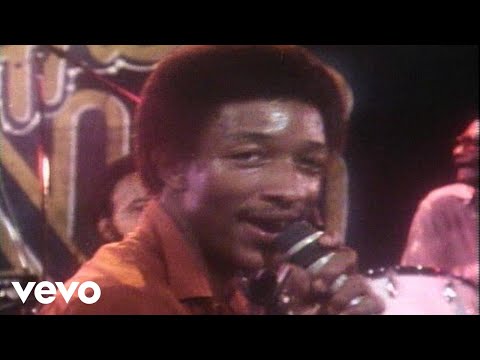
Few pop records have escaped the confines of commercial radio to become permanent civic infrastructure. Whenever stadiums erupt after a sudden-death overtime goal or confetti rains across Manhattan at midnight, six specific syllables cut through the roar: "Celebrate good times, come on!" The refrain feels anonymous now, woven directly into the fabric of human joy. Yet Kool & the Gang's 1980 masterpiece was not born as a corporate party jingle; it was a carefully engineered musical triumph rooted in spiritual reflection and hard-won artistic reinvention. As public festivities from Times Square to global soccer stages showcase Black artistic heritage, a dynamic recently detailed in a Los Angeles Times Report on cultural gatherings, the track stands as one of the most durable crossover statements in modern music history.
📌 Key Takeaways:
- Spiritual Origin: Co-writer Ronald Bell drafted the core lyrical idea after reading Quranic passages about the creation of humanity and divine gathering, turning sacred concepts into a secular party chant.
- Production Precision: Brazilian arranger Eumir Deodato stripped away the band's dense jazz-funk clutter, pairing James "J.T." Taylor’s warm lead vocals with an unshakeable four-on-the-floor groove.
- Enduring Impact: From welcoming the 52 American hostages home from Iran in 1981 to anchoring global sporting events like the 2026 World Cup, the song remains the universal victory baseline.
The Spiritual Genesis Behind an Unstoppable Horn Line
In late 1979, Kool & the Gang sat at an industry awards ceremony listening to other artists collect trophies. Co-founder and saxophonist Ronald "Khalis" Bell leaned over to his bandmates and murmured that their time to celebrate was arriving next. Bell carried that idea back to his writing desk, drawing direct inspiration while reading the Quran. He paused on passages describing angels gathering to praise divine creation, dwelling on the notion of all human beings coming together in harmonious fellowship.
Bell did not construct a solemn hymn. Instead, he translated that universal concept into a communal invitation. Working alongside his brother Robert "Kool" Bell, keyboardist George Brown, and the rest of the Jersey City collective, Bell mapped out a rhythmic framework that favored bright accessibility over technical complexity. The resulting phrase, "celebrate good times, come on", carried an open door for anyone listening. The lyric avoided regional slang, political commentary, and romantic entanglements. It offered an immediate emotional clearinghouse: drop your defenses, join the circle, and move.
The Deodato Formula and James 'J.T.' Taylor's Vocal Shift
By the late 1970s, Kool & the Gang faced a commercial crossroads. Their raw street-funk classics from earlier that decade, tracks like "Jungle Boogie" and "Hollywood Swinging", hit walls as the disco craze peaked and collapsed. The band responded with two critical additions: vocalist James "J.T." Taylor and Brazilian fusion maestro Eumir Deodato as producer.
Deodato arrived with acute structural discipline. He convinced the group to streamline their sprawling arrangements. The brass lines, once ferocious and syncopated, became buoyant accents punctuating the rhythm rather than overwhelming it. Taylor brought a silky, accessible delivery that smoothed out the collective's rougher edges without abandoning their rhythmic soul.
When "Celebration" hit tape during the sessions for the 1980 album Celebrate!, Deodato dialed in an effortless post-disco funk pocket. The rhythm section locked into a steady 121 beats per minute, the sweet spot for roller rinks, urban clubs, and suburban radio stations. The record entered the Billboard Hot 100 in late 1980 and climbed relentlessly, securing the #1 position on February 7, 1981, holding the top spot for two consecutive weeks.
| Era | Historic Event & Context | Cultural Transformation |
|---|---|---|
| 1980, 1981 | Billboard Hot 100 #1; Iran Hostage Crisis homecoming | Shifted from an urban dance hit into an official soundtrack for national relief and unity. |
| 1982, 1999 | World Series locker rooms, Super Bowls, Times Square ball drops | Institutionalized as the mandatory victory theme across pro sports and holiday ceremonies. |
| 2000, 2020 | Global wedding circuit expansion; Library of Congress National Recording Registry (2021) | Recognized as an indelible artifact of American cultural heritage and wedding reception playlists. |
| 2024, 2026 | World Cup stadium rotations; modern Black music retrospectives | Serves as a global bridge connecting legacy R&B traditions with modern international celebrations. |
From Top 40 Radio to National Catharsis in 1981
Songs rarely cross over into history through radio airplay alone; they require an intersection with sudden real-world trauma and relief. For "Celebration," that moment arrived in January 1981 with the resolution of the Iran hostage crisis. After 444 days in captivity, 52 Americans finally returned home to an emotional nation.
As planes carrying the freed personnel landed and motorcades traveled through New York and Washington, radio stations played the track on endless repeat. Loudspeakers mounted along parade routes blasted the horn fanfare. The song evolved instantly from an infectious R&B party groove into a non-partisan anthem of national healing. Ronald Bell later recalled weeping as he watched the evening news, recognizing that his band’s three-minute dance single had offered solace to an exhausted country.
That watershed moment established a cultural precedent. Whenever an ordeal ended, or a triumph was secured, programmers and stadium operators reached for Kool & the Gang.

The Architecture of an Inescapable Stadium Staple
Sports franchises quickly adopted the track as an operational staple. In the autumn of 1980, the Oakland Athletics played the single inside their stadium during late-season surges, prompting local broadcasters to dub the team's spirited style "BillyBall" to the track's bouncy rhythm. Major League Baseball quickly adopted the song for postseason champagne celebrations, a tradition the St. Louis Cardinals cemented following their 1982 World Series title.
The track's genius lies in its psychoacoustic design. The opening keyboard sweep acts as an instant Pavlovian bell. Even in noisy venues with muddy acoustics, the brass fanfare cuts through concrete and crowd noise. Fans instantly understand their cue: clap on beats two and four, pump your fist, join the chorus.
The record crossed oceans with ease. During major international soccer events, including modern stadium rotations gearing up for the 2026 World Cup, stadium soundboards cue "Celebration" the moment the final whistle sounds. European clubs and Latin American federations use it with equal regularity. The message requires no translation: victory has arrived, and it smells like sweat, confetti, and cheap beer.
Preserving the Groove in Modern Black Music History
The ubiquity of "Celebration" often obscures the musicianship required to make it. In an era dominated by synthesized hooks and short-lived algorithmic trends, the song represents an unmatched milestone in Black music history. Kool & the Gang were seasoned jazz improvisers before they ever chased chart dominance, and that deep musicality supports every second of the track.
George Brown's drumming avoids electronic stiffness, letting the groove breathe. Robert Bell’s bass lines provide a fluid, walking counterpoint to the horn hits. The rhythm section drives forward without rushing.
In 2021, the Library of Congress recognized this sonic mastery by inducting "Celebration" into the National Recording Registry, preserving the original vinyl pressing for future generations. The track generates substantial synchronization royalties each year, proving that sincere communal funk outlives the fickle trends of contemporary radio.
Frequently Asked Questions (FAQ)
Q1: Did religious concepts inspire Ronald Bell when writing "Celebration"?
Yes. Co-writer and saxophonist Ronald Bell stated across multiple interviews that the initial conceptual idea sprang from reading passages in the Quran concerning angels and human creation coming together in fellowship. He distilled that theological vision into a universally welcoming pop lyric.
Q2: Why did Kool & the Gang change their sound for this record?
By 1979, the group's raw instrumental funk was losing commercial traction. Bringing in producer Eumir Deodato and lead singer James "J.T." Taylor allowed the band to streamline their sound with pop-forward arrangements and smoother melodies, keeping them at the top of the charts for the next decade.
Q3: How did the track become tied to the Iran Hostage Crisis?
The song reached the top of the charts in January 1981, aligning directly with the release and homecoming of 52 American hostages after 444 days in Iran. National radio stations and welcoming parades blared the track across the country, transforming it into an anthem of relief.
The Undefeated Power of Shared Joy
Pop music continues to drift toward introspective, digitized bedroom production, making Kool & the Gang's horn-fueled communal anthem an increasingly rare treasure. "Celebration" endures because it demands genuine human participation. It rejects cynical detachment, asking listeners to share the floor with strangers under flashing lights. Decades after its release, that simple invitation remains as urgent, generous, and powerful as ever. When that opening horn line fires up, the response is immediate: you drop everything, step onto the floor, and join the party.


