From 2002 Cult Hit to 2026 Viral Sensation: The Chronological Rise of 'It’s Me, Jessica'
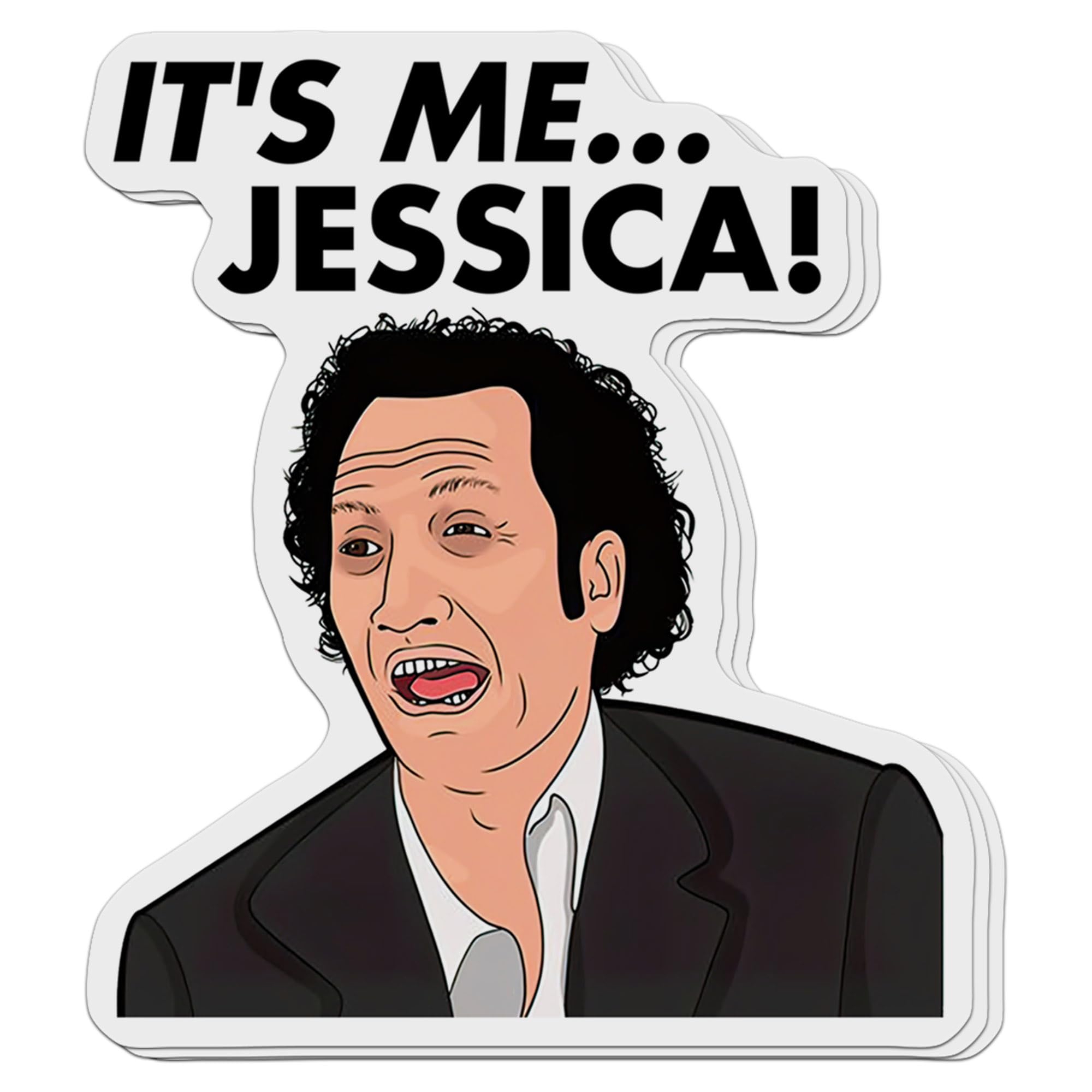
Rob Schneider sprinted across a manicured public park sporting a cropped sweater, low-rise pants, and the manic desperation of a cornered thief. When he lunged toward his character’s best friend and shrieked five frantic words, he created a cinematic beat that outlived its box office cycle by decades. Released in December 2002, Touchstone Pictures' body-swap comedy The Hot Chick paired Schneider with a luminous newcomer named Rachel McAdams. The project was conceived as an unpretentious, mid-budget teen romp. Today, Schneider’s breathless, high-pitched proclamation, "It’s me, Jessica!", has transformed into a cross-generational digital shorthand, logging billions of impressions across global short-form video platforms.
The cultural persistence of early-2000s artifacts is not accidental. Retrospective analyses, such as this TODAY.com Report examining persistent millennial entertainment feuds and media milestones, show how intensely digital audiences cling to turn-of-the-millennium pop culture. Stripped of its original feature-length runtime, the audio fragment has decoupled from Hollywood distribution networks to serve as an instant, punchy punchline for millions of creators navigating personal reinvention, fashion mishaps, and absurd identity reveals.
📌 Key Takeaways:
- The Cinematic Origin: Written by Tom Brady and Rob Schneider, the line anchors the premise of The Hot Chick, where an arrogant high school cheerleader swaps bodies with a small-time criminal.
- The Platform Migration: Between 2021 and 2026, the soundbite crossed platform boundaries, accumulating more than 4.2 million unique video creations across TikTok, YouTube Shorts, and Instagram Reels.
- The Utility Driver: The audio functions as an acoustic shortcut, enabling creators to stage immediate visual contrast, unmask disguised pets, or satirize drastic aesthetic changes in under four seconds.
The Absurdist Engine of a 2002 Body-Swap Comedy
When director Tom Brady and Rob Schneider drafted the script for The Hot Chick in 2001, high-concept body-swapping was enjoying a commercial resurgence. Hollywood studios regularly traded in broad identity crises, but Schneider’s vehicle placed extreme demands on physical mimicry. Rachel McAdams played Jessica Spencer, an intensely self-absorbed, conventionally attractive high school senior whose life revolves around cheerleading status and petty social cruelty. A pair of cursed ancient Abyssinian earrings sends her consciousness into Clive Maxtone, an unkempt 30-something petty thief played by Schneider.
The humor relied almost entirely on total commitment to physical disparity. When Jessica awakens in Clive's body, her frantic efforts to convince her inner circle of her true identity culminate in the park sequence. Cornering her skeptical best friend April, played by Anna Faris, Schneider drops every scrap of machismo. He flutters his hands, pitch-shifts his voice into an anxious rasp, and screams the line. It worked because the premise demanded absolute, unhinged vulnerability from an actor primarily known for coarse slapstick.
Why the Scene Landed When Traditional Gags Failed
Most teen comedies produced during the early George W. Bush administration aged rapidly. The era's humor leaned heavily on crude stereotypes and shock value that draw cringes from modern viewers. Yet the central park scene in The Hot Chick bypassed those pitfalls through pure character discipline. Schneider studied McAdams' onset mannerisms for weeks before shooting, mimicking her cadence, her nervous wrist-flicks, and her petulant pout.
Faris acted as the crucial anchor. Her deadpan, terrified reaction provided the precise comic friction needed to make Schneider’s plea memorable. Rather than playing the scene as an ironic joke, both performers leaned into genuine panic. That tonal sincerity gave the moment an unusual shelf life. Viewers on home video replayed the sequence not for its narrative utility, but for the stark cognitive dissonance of an adult man desperately trying to validate his teenage soul.
From Cable Reruns to Algorithmic Audio Staple
The journey from linear television syndication to viral platform ubiquity spanned nearly a quarter-century. The transition reflects broader structural changes in how contemporary audiences consume, dissect, and reuse film dialogue.
| Timeframe | Primary Distribution Vehicle | Dominant Audience Behavior | Scale & Metrics |
|---|---|---|---|
| 2002, 2005 | Theatrical runs, VHS rentals, and DVD sales | Passive viewing, word-of-mouth quote repetition in peer groups | $54.6 million worldwide gross; multi-platinum home video sales |
| 2006, 2015 | Comedy Central syndication, peer-to-peer clips, early YouTube | Nostalgic millennial forum threads, static image-macro memes | Low-resolution bootleg clips averaging 200,000, 800,000 views |
| 2016, 2020 | Vine revivals, sound libraries, early micro-video apps | Irony-driven sound bites paired with cosplay and dramatic reenactments | Occasional audio spikes; initial cataloging in digital soundboard apps |
| 2021, 2026 | TikTok sound ecosystems, Instagram Reels, YouTube Shorts | High-frequency user participation, pet makeovers, dramatic identity reveals | 4.2 million+ individual video uploads; billions of cumulative views |
The Mechanics of Short-Form Soundbite Mechanics
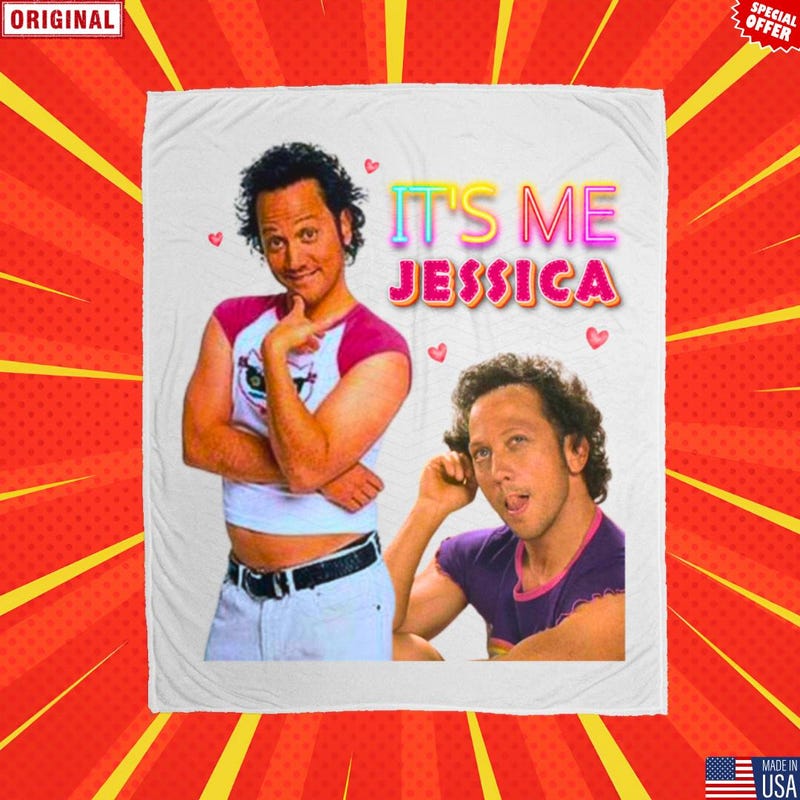
Why did this specific snippet survive while hundreds of other memorable 2000s comedy lines vanished from internet discourse? The answer lies in the structural economy of the modern vertical feed. A successful meme audio must communicate narrative tension, rising stakes, and a clean resolution in under five seconds. Schneider’s delivery executes all three steps immediately.
The audio begins with breathless panting, creating instant curiosity. Next comes the declarative statement of self-hood, followed by the bewildered silence of an onlooker. Creators do not need to explain the plot of The Hot Chick. The context is baked into the acoustic dissonance. A golden retriever emerging from a professional grooming session soaking wet uses the sound to signify an unwanted identity crisis. A beauty creator revealing an unblended foundation contour uses it to mock their own reflection. The line became an all-purpose vessel for self-deprecating unmasking.
Nostalgia Mining and Rachel McAdams’ Cultural Trajectory
The audio’s resurgence also benefited from Rachel McAdams’ subsequent career arc. Two years after The Hot Chick, McAdams exploded into global superstardom with back-to-back releases: Mean Girls and The Notebook in 2004. As cultural commentators look back at her career, her debut in The Hot Chick stands out as an overlooked showcase of her raw comedic timing.
Online film communities frequently revisit McAdams’ early catalog, marveling at how convincingly she inhabited Schneider’s coarse thief during her half of the body swap. That critical re-examination drove younger viewers, many of whom were not born when the film hit theaters in 2002, to seek out original scenes. What they discovered was not a dated relic, but a kinetic, unhinged comedic setup ready-made for vertical video parody.
Frequently Asked Questions (FAQ)
Q1: What film is the soundbite "It’s me, Jessica" from?
A1: The line originates from the 2002 teen fantasy comedy The Hot Chick, produced by Happy Madison Productions and Touchstone Pictures. It is delivered by Rob Schneider's character, Clive Maxtone, while possessed by the spirit of high school student Jessica Spencer.
Q2: Who originally played Jessica Spencer in the movie?
A2: Rachel McAdams portrayed the teen version of Jessica Spencer. The Hot Chick marked her first major studio role in North America before her breakthrough performances in Mean Girls and The Notebook two years later.
Q3: Why did this specific quote go viral on short-form platforms years after its release?
A3: The audio tracks perfectly with visual transformation templates on TikTok, Shorts, and Reels. Its high-energy vocal delivery and abrupt announcement make it an ideal soundtrack for dramatic reveals, awkward makeovers, pet videos, and identity-focused physical humor.
The Enduring Currency of Millennial Screen Slang in 2026
Digital culture rarely invents entirely new comedic forms; it mines existing media archives for assets that match modern algorithmic pacing. Five words uttered in a suburban park twenty-four years ago now function as global conversational currency. Stripped of studio distribution models, Rob Schneider’s manic plea proves that visceral, committed character work retains immense narrative value. The platform formats change, the resolutions upgrade, but the universal absurdity of looking in the mirror and failing to recognize what stares back remains as sharp as ever.


