From Breakrooms to Car Dashboards: The Wild Viral Evidence of Banana Bread Mania
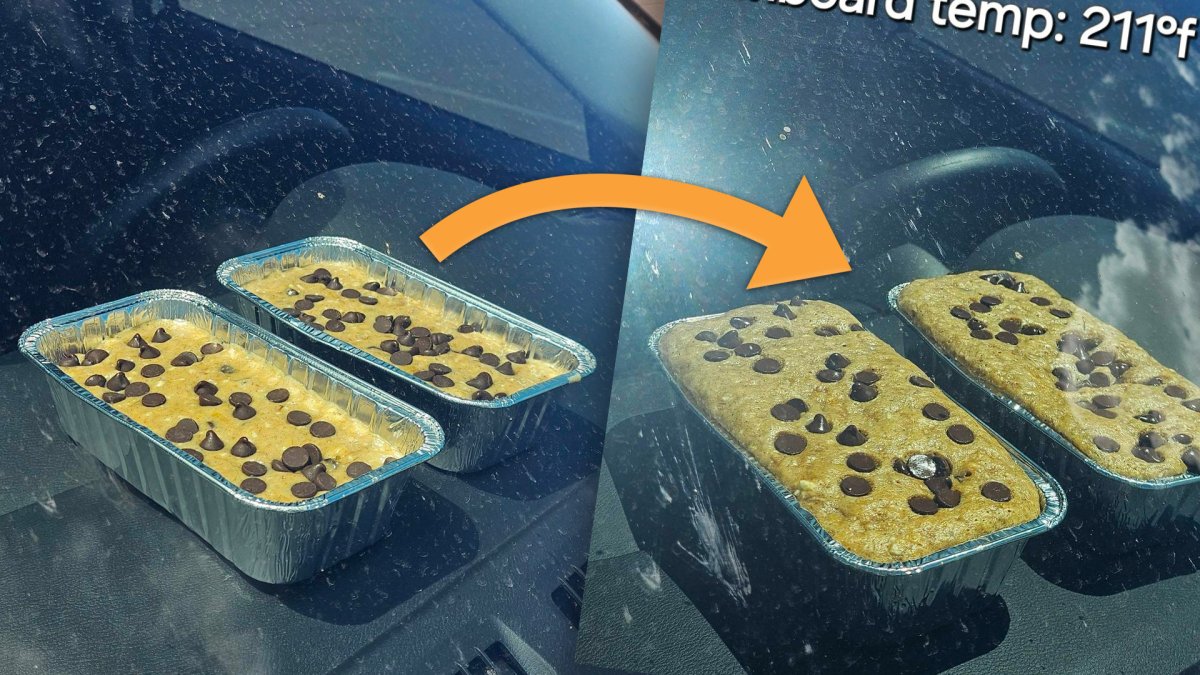
Few workplace moments transcend corporate drudgery quite like a rogue culinary offering sitting on a linoleum counter. When the iconic internet audio "banana bread at work, dude, hell yeah" first took over TikTok feeds and Instagram Reels, it struck an intensely relatable nerve. Office workers across the globe recognized the sudden surge of dopamine that comes from finding warm, foil-wrapped baked goods waiting near the communal coffee pot. But over recent blistering summers, that wholesome corporate meme mutated into something radically different. Rather than merely bringing loaves into the office, Americans started using their sweltering parking lots as improvised convection chambers.
What began as a low-stakes office comedy bit converged with an escalating record of environmental extremes. As documented by automotive journalists at The Drive Report, modern vehicle windshields trap solar radiation with such ferocity during summer heat domes that everyday passenger cabins effectively turn into functional baking ovens. Drivers, park rangers, and bored remote workers have traded conventional kitchen ranges for parked sedans, tracking internal cabin temperatures and documenting the culinary results across millions of video views. Banana bread has become the unofficial, edible barometer of extreme heat.
📌 Key Takeaways:
- The Viral Audio: The phrase "banana bread at work, dude" originated as an ode to unexpected breakroom food before becoming an omnipresent audio template for modern workplace comedy.
- The Dashboard Pivot: Blistering summer heat domes pushed creators and state officials to use windshield heat reflection to bake actual loaves inside stationary vehicles.
- The Thermal Reality: Dark automotive dashboards routinely breach 200°F (93°C) when ambient air hits triple digits, sufficient to cook starches over extended four-to-six-hour windows.
- Food Safety Cautions: While fun as a visual stunt, sun-baked food recipes often hover in the USDA food temperature "danger zone," creating genuine risks of foodborne bacteria if undercooked.
How a Casual Breakroom Audio Sparked a Workplace Phenomenon
The original audio clip was simple, unpolished, and completely sincere. A casual voice recording celebrating the arrival of home-baked goods at the office captured the quiet desperation of modern work life. For millions of employees stuck under fluorescent lighting, free pastry represents an undeniable, universal victory. The sound bite quickly became a default soundtrack across social media for office workers filming empty breakrooms, overstocked conference tables, and colleagues darting toward shared kitchens before the good slices disappeared.
The audio gained staying power because it spoke directly to office survival culture. Comment sections filled with shared memories: the administrative assistant who baked during quarterly reviews, the team lead who brought three overripe bananas back to life after a weekend shift, or the fierce competition over the crusty end-pieces. It was wholesome office absurdity. Yet internet culture rarely stays confined to its original context. As temperatures began shattering records across North America, the punchline shifted from the breakroom counter out into the asphalt parking lot.
Turning Parked Sedans Into Convection Ovens
The leap from eating banana bread at your desk to baking it behind the steering wheel happened organically during the brutal heatwaves of mid-2024. Social media creators, desperate for original content during stifling summer lockdowns indoors, looked at their boiling vehicle interiors and saw an untapped heat source. Short-form videos tracking raw batter placed on the dashboard in the morning and emerging golden-brown by 3:00 PM began racking up tens of millions of views.
The mechanics behind dashboard baking rely on basic greenhouse physics. Sunlight enters through the angled front windshield, which acts as a massive thermal collector. The dark dashboard absorbs the incoming shortwave solar radiation and re-radiates it as longwave infrared energy. Because standard auto glass prevents infrared radiation from escaping easily, heat rapidly accumulates inside the cabin. On a sunny day with outside temperatures hovering near 100°F (38°C), the dashboard surface itself can exceed 200°F (93°C) in less than an hour, turning the passenger compartment into an ultra-slow, low-temperature dehydrator and cooker.
The Saguaro National Park Experiment and the Heat Wave Timeline
The trend moved from individual social media creators to official public safety messaging in July 2024. Park rangers at Saguaro National Park in Arizona took the viral stunt and turned it into an educational campaign. Amid ambient temperatures reaching 105°F to 108°F, rangers mixed a batch of banana bread batter, placed it inside a mini loaf tin on a government vehicle dashboard, and set a digital probe thermometer directly into the center.
The bread baked over several hours, eventually reaching an internal temperature high enough to cook the batter through. The park posted the visual proof on official social channels, pairing the browned, sweet crust with a severe warning about heat illness, hydration, and the lethal dangers of leaving pets or children inside locked vehicles. What began as a food meme functioned as a visceral demonstration of environmental risk.
| Phase / Event | Timeframe | Observed Metrics & Conditions | Primary Cultural Impact |
|---|---|---|---|
| Original Breakroom Sound Meme | 2021, 2023 | Millions of audio uses across platforms | Established banana bread as the ultimate workplace morale currency. |
| Heat Dome DIY Cooking Wave | June 2024 | Ambient air: 100°F, 112°F; Dashboards: 195°F, 215°F | Suburban drivers began attempting car-cooked cookies, steaks, and quick breads. |
| Arizona Park Rangers Demonstration | July 2024 | Ambient air: 105°F; Cabin temp: 160°F+; 4-hour bake time | National media picked up the stunt to spotlight escalating climate risks. |
| Corporate Parking Lot Stunts | 2024, 2026 | Standard sedans parked 8:00 AM, 4:00 PM during shifts | Employees merged the original meme with the stunt, baking lunch on their dashes. |

The Thermodynamics and Food Safety Hazards of Car Cooking
Cooking food on a car dashboard sounds harmless, but food scientists raise immediate concerns about bacterial growth. Traditional banana bread recipes bake at 350°F (175°C) for roughly 50 to 60 minutes. That high heat ensures rapid leavening, starches gelatinizing properly, and internal temperatures quickly passing the critical 165°F (74°C) threshold required to kill pathogens found in raw eggs and flour.
Dashboard baking operates on an entirely different thermodynamic curve. The pan warms slowly as the sun rises. For several hours, the batter lingers between 40°F and 140°F (4°C to 60°C), precisely within the USDA designated danger zone where microorganisms like Salmonella and Bacillus cereus multiply rapidly. While the surface temperature of the car's vinyl or plastic can reach scorching levels, the air circulating inside the car remains cooler, leading to uneven heat transfer. A loaf might show browned edges while the dense center remains undercooked, wet, and potentially dangerous to consume.
Vehicle interiors also release volatile organic compounds when subjected to extreme heat. Plastics, adhesives, and flame-retardant upholstery outgas chemical vapors inside closed cabins during heat waves. Placing food directly on these surfaces or leaving unsealed pans exposed to concentrated cabin air introduces contaminants that no home cook would deliberately add to a recipe.
Why Coping Humor Dominates the Climate Conversation
The ongoing obsession with workplace banana bread stunts reflects a broader coping mechanism for extreme weather. Record-setting heat waves no longer arrive as isolated weather anomalies; they define whole months across the American South and West. Faced with infrastructure strain, air-conditioning bills, and outdoor work bans, humor serves as a collective emotional release valve.
Employees posting videos of baking loaves outside corporate parks capture the surreal reality of working normal shifts during record-breaking environmental events. Filming a mini loaf browning on a Ford Focus dashboard while discussing quarterly deliverables highlights the contrast between daily commercial routine and ecological reality. The meme endures because it balances everyday humor with undeniable physical evidence of an increasingly sweltering world.
Frequently Asked Questions (FAQ)
Q1: Where did the "banana bread at work, dude" meme originally come from?
A1: The phrase originates from a viral short-form video clip featuring an office worker excitedly exclaiming over the presence of freshly baked banana bread brought into the workplace. The audio subsequently became a universal template across TikTok and Instagram for celebrating workplace snacks and spontaneous office treats.
Q2: Can a car dashboard actually bake raw banana bread thoroughly?
A2: Yes, under extreme conditions. When ambient outside air reaches 100°F (38°C) or higher, dashboard surface temperatures inside a closed vehicle can climb above 200°F (93°C). Over four to six hours, this level of heat can cook small or thinly spread portions of batter, though leavening and texture will resemble a dense bar rather than a fluffy oven-baked loaf.
Q3: Is it actually safe to eat food cooked on a car dashboard?
A3: Food safety experts strongly advise against eating it. Vehicles heat up slowly, meaning raw ingredients like eggs and flour spend extended periods in the food safety danger zone (40°F, 140°F), creating favorable conditions for bacterial growth. Additionally, hot dashboards outgas automotive chemicals that can settle onto open food.
The Cultural Legacy of Parking Lot Gastronomy
The journey of banana bread from a joyful breakroom shout to an environmental stunt illustrates how modern internet culture adapts in real time. It binds office workers together through shared workplace rituals while offering a lighthearted, visual lens on severe meteorological realities. While leaving raw batter on your dashboard remains better suited for viral video experiments than actual lunch prep, the phenomenon proves that human humor remains intact, even when the thermometer pushes well past the century mark.


