From Potluck Classics to Modern Weeknight Staples: How Savory Sweet Potatoes Took Over Menus
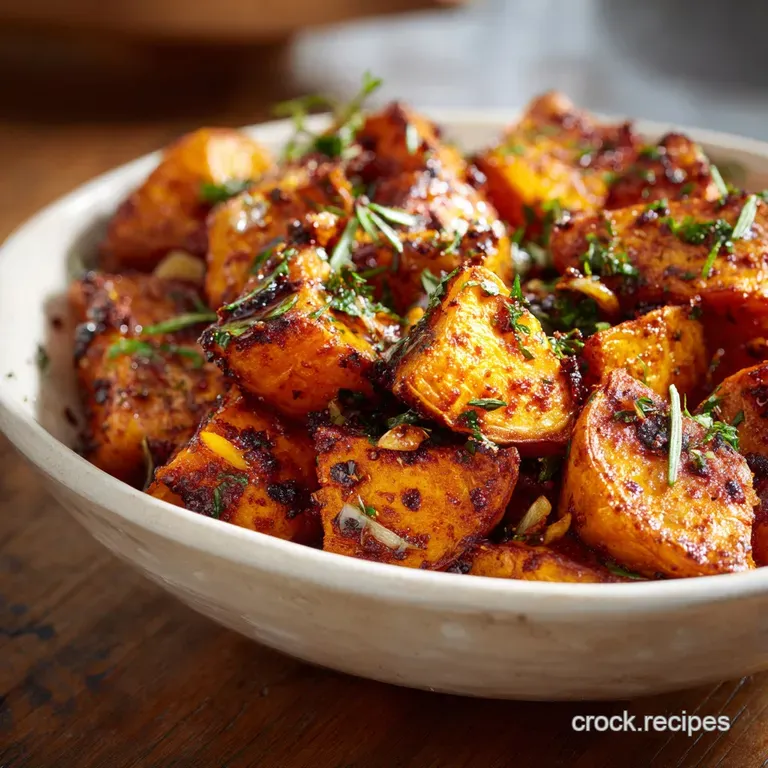
For nearly seven decades, the sweet potato remained trapped beneath a crust of brown sugar and scorched mini marshmallows. Long codified by mid-century holiday tradition, the orange tuber was treated primarily as a confectionery side dish rather than a versatile vegetable. That rigid culinary definition has shattered over the past few years as home cooks and restaurant chefs stripped away the excess sugar, discovering an ingredient that thrives when paired with acid, salt, pungent herbs, and fire.
The timing of this kitchen migration is deliberate. According to a Canadian Grocer Report detailing recent consumer shifts, high-protein, few-ingredient recipes driving TikTok food trends have fundamentally reshaped grocery carts and dinner routines. Sweet potatoes now serve as the structural backbone of weeknight cooking: a complex carbohydrate that holds its texture during high-heat roasting, pairs seamlessly with lean meats, and requires little more than pantry spices to turn into a complete meal.
📌 Key Takeaways:
- The Flavor Reversal: Home cooks have swapped candied glazes for garlic, chilis, and fermented dairy to balance the tuber's innate natural sugars.
- The Macro Driver: Nutritional emphasis on low-glycemic carbs and high-fiber fuel established the vegetable as an essential staple for high protein meal prep.
- Appliance Efficiency: The proliferation of high-draw air fryers and convection ovens cut roasting times down to under 20 minutes, cementing sweet potatoes as a reliable weeknight standard.
The Post-War Sugar Trap: How Marshmallows Captured the Tuber
The sweet potato’s long association with dessert-level sweetness was an engineered consumer habit. While historical reporting from The Washington Post traced how sweet potato pie anchored centuries of African American baking traditions across the American South, the savory potential of the root vegetable vanished from commercial cookbooks during the mid-20th century. Marketers in the 1910s first published recipe booklets pairing sweet potatoes with manufactured marshmallows to drive industrial sales, a trend that hardened into ironclad tradition by mid-century.
Retrospective culinary surveys by Allrecipes tracking the most popular dishes of the 1950s highlight how canned yams drenched in processed corn syrups, canned fruit juices, and broiled sugar toppings came to dominate American holiday tables. Southern Living observed that this dessert-adjacent presentation created a stubborn nostalgic reflex, making it difficult for diners to imagine the vegetable outside of a butter-heavy Thanksgiving potluck. By treating an already sweet root crop as candy, cooks inadvertently obscured its earthy qualities, dynamic starches, and rich moisture content.
Balancing the Root: The Culinary Logic of Salt, Acid, and Heat
Modern savory cooking operates on counterpoints. Because sweet potatoes contain roughly 4 to 6 grams of natural sugar per 100 grams, doubling down on maple syrup or brown sugar creates a cloying, one-dimensional profile. Culinary professionals realized that the root vegetable responds best when treated like winter squash or heritage corn, requiring sharp contrasts to bring its flavor into balance.
Chefs lean into high salinity and concentrated umami to tame the sweetness. Aged pecorino, smoked sea salt, toasted cumin, and charred alliums pull the profile away from dessert and into dinner territory. Introducing sharp acidity, such as pickled red onions, fresh lime juice, or aged sherry vinegar, cuts through the dense, velvety texture of the roasted flesh. By subjecting the vegetable to high dry heat rather than gentle steaming, cooks trigger the Maillard reaction along the exterior edges, producing a nutty, caramelized crust that grounds the dish.
A Decadal Evolution: From Holiday Potlucks to Weeknight Fast Casual
The shift from saccharine casseroles to weeknight dinner staples unfolded across several distinct waves of dining culture. As nutritional science moved away from simple calorie counting and toward functional whole foods, the sweet potato gained favor among athletes, restaurant chefs, and busy home cooks looking for minimal ingredient lists.
| Era | Predominant Cooking Style | Signature Preparation | Primary Cultural Driver |
|---|---|---|---|
| 1950s, 1980s | Canned & candied holiday sides | Marshmallow-topped casserole | Post-war convenience food marketing |
| 1990s, 2000s | Deep-fried pub appetizers | Sweet potato fries with aioli | Casual dining menu diversification |
| 2010s, 2020s | Fast-casual grain bowls & meal prep | Roasted sweet potato cubes | Paleo, clean eating, and complex carb focus |
| 2024, 2026 | High-heat air frying & sheet pans | Stuffed roots & garlic parmesan wedges | High-protein prep & few-ingredient simplicity |
Fast-casual chains played an unheralded role in bridging this gap. During the 2010s, salad and grain bowl concepts introduced millions of office workers to roasted cubes tossed in olive oil, chipotle powder, and lime juice. The vegetable functioned as an anchor ingredient: hearty enough to make a plant-based bowl satisfying, yet light enough to avoid an afternoon energy crash.
The Weeknight Engine: Sheet Pans and High-Protein Simplicity
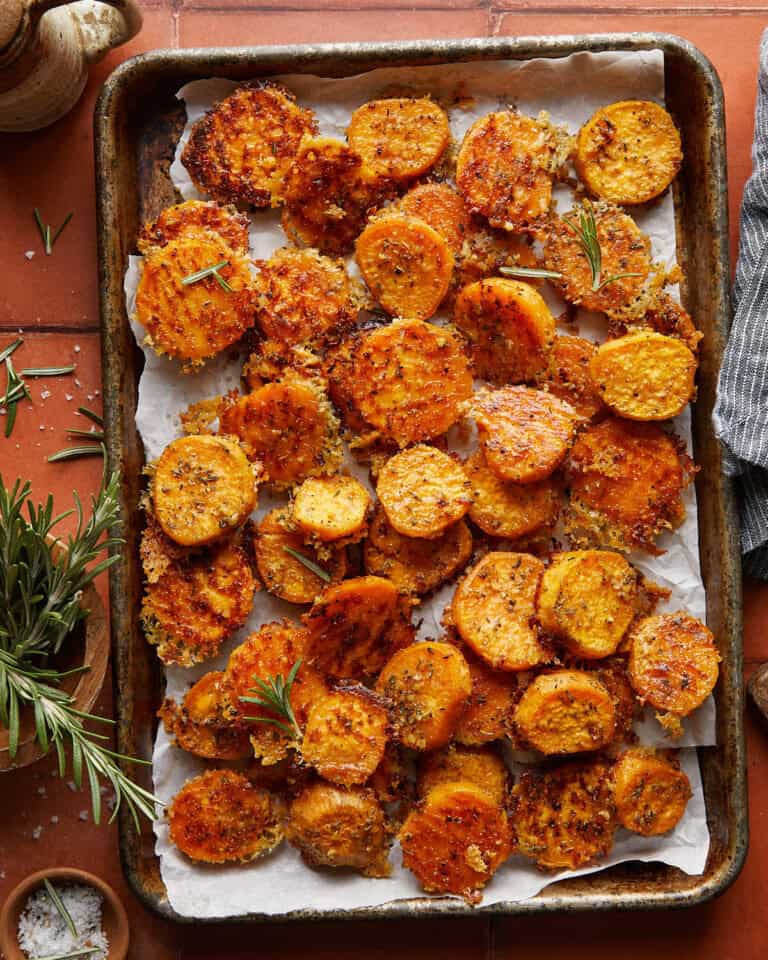
The modern appeal of savory sweet potato recipes lies in practical kitchen economics. For families navigating chaotic schedules, few ingredient dinner recipes offer a path to a home-cooked meal without extensive prep work. Tossed onto heavy baking sheets alongside bone-in chicken thighs, sliced sausages, or chickpeas, sheet pan weeknight dinners allow the starch to absorb dripping savory fats while its edges crisp under 425°F heat.
Kitchen hardware accelerated this movement. Air fryer sweet potato wedges have largely displaced traditional frozen fries in health-conscious households. By combining high-velocity convection with a light dusting of potato starch and smoked paprika, home cooks achieve crunchy exteriors in 15 minutes, bypassing the soggy texture that often plagued older oven-baking methods.
Fitness communities have similarly embraced the tuber as a non-negotiable tool. In the world of high protein meal prep, batches of roasted sweet potato cubes provide slow-digesting starches that hold up inside glass storage containers for four to five days without breaking down into mush. Paired with seared flank steak, spiced ground turkey, or baked salmon, the cubes offer steady energy release while keeping weekly meal assembly straightforward.
Beyond the Roasting Pan: Global Spices and Modern Casseroles
As cooks became comfortable using sweet potatoes in savory contexts, recipe developers looked outward to global cuisines that never treated the root as a confection in the first place. West African, Caribbean, and South Asian culinary traditions have long paired the tuber with pungent alliums, fiery peppers, and savory broths.
A pot of curried sweet potato soup combines coconut milk, fresh ginger, lemongrass, and red curry paste, using the vegetable’s natural starch to achieve a creamy body without relying on heavy dairy. In plant-forward households, stuffed black bean sweet potatoes topped with crushed avocado, cilantro, and cotija cheese serve as a weeknight centerpiece that costs pennies per serving. Even weeknight breakfasts have evolved; a cast-iron savory sweet potato hash tossed with diced pancetta, scallions, and topped with fried eggs turns humble scraps into a nutrient-rich morning plate.
Even traditional holiday side dishes have undergone an overhaul. The modern savory sweet potato casserole strips out the brown sugar entirely, replacing it with a rich layer of Gruyère cheese, fresh thyme, caramelized leeks, and a crispy panko-parmesan topping. On standard weeknights, garlic parmesan sweet potatoes roasted alongside rosemary olive oil roasted potatoes satisfy cravings for classic steakhouse sides, while slow-simmered pots of sweet potato chili rely on the root’s density to balance smoky chipotle peppers, crushed tomatoes, and lean beef.
Frequently Asked Questions (FAQ)
Q1: Why do sweet potatoes often turn soggy instead of crispy when roasted?
A1: Sweet potatoes contain more moisture and less starch than Russet potatoes. To achieve a crisp exterior, cut them uniformly, soak the cut pieces in cold water for 30 minutes to pull off excess surface starch, dry them thoroughly with paper towels, and toss with a half-teaspoon of cornstarch before roasting at high heat (400°F, 425°F) with adequate space between pieces on the baking sheet.
Q2: How do you balance the sweet flavor when building a savory dinner?
A2: Counterbalance the sweetness with high-acid and high-umami ingredients. Incorporate fresh citrus juice, cider vinegar, feta cheese, smoked paprika, soy sauce, garlic, or fermented hot sauces. These sharp, salty notes bring out the vegetable's earthy complexity while muting overt sugary notes.
Q3: How long do roasted sweet potato cubes hold up for meal prep?
A3: Stored in an airtight container in the refrigerator, roasted cubes stay fresh for 4 to 5 days. For the best texture, reheat them in an air fryer or a hot, dry skillet for 3 to 4 minutes rather than using a microwave, which can make them damp and soft.
The Permanent Elevation of a Humble Tuber
The transformation of the sweet potato from a candy-coated holiday side dish to a standard savory staple reflects a broader maturation of how we cook. Busy home cooks and professional chefs alike have stepped away from overly processed shortcuts, opting instead for ingredients that deliver substantial nutrition, structural flexibility, and deep flavor with minimal intervention.
By balancing sweet with savory, home cooks have unlocked a vegetable that works across an astonishing breadth of preparations, from weeknight air-fried sides to slow-simmered stews. As grocery budgets and dietary trends continue to emphasize simple, nutrient-dense ingredients, the savory sweet potato has secured its place not just on the holiday table, but on every weeknight menu that follows.


