The Ultimate Seafood Lasagna Recipe: Step-by-Step Guide for Shrimp and Crab
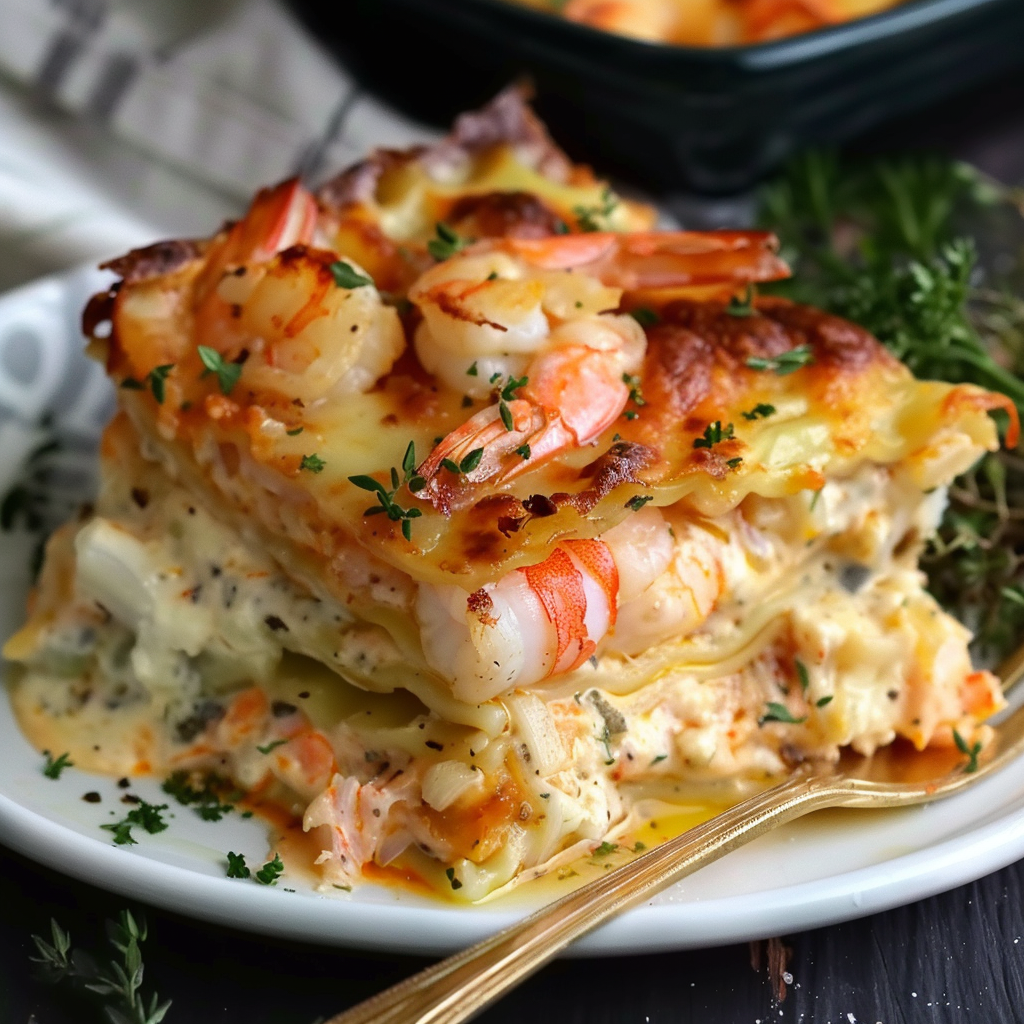
Baked pasta dishes remain the undisputed centerpieces of communal dining, yet traditional tomato and beef variations often feel too heavy for modern coastal dinner parties. As highlighted in a recent Allrecipes Report tracking reader-favorite seafood pasta recipes, home cooks gravitate toward elevated seafood casseroles that balance luxurious comfort with ocean sweetness. Mastering this dish requires far more than layering raw shellfish between boiled pasta sheets; it demands calculated moisture management and precise temperature regulation.
When engineered properly, layered seafood pasta delivers clean slices where delicate proteins remain tender rather than rubbery. This step-by-step master recipe bridges classical French saucing with Italian pasta architecture, turning sweet crab and plump shrimp into a dinner experience that commands center stage.
📌 Key Takeaways:
- Moisture Control: Preventing watery seafood bake issues requires par-cooking shellfish, straining cheeses, and utilizing a stabilized sauce.
- Sauce Architecture: A silky bechamel deepened by an aromatic reduction balances richness without masking subtle shellfish flavors.
- Make-Ahead Utility: Assembling the casserole 24 hours early allows flavors to marry while streamlining dinner party logistics.
Solving the Science Behind Watery Seafood Bakes
Most failed seafood casseroles suffer from an identical defect: a puddle of gray liquid pooling at the bottom of the baking dish. Shellfish tissue contains up to 80% water. When raw shrimp, crab, or scallops encounter direct oven heat within an enclosed casserole, protein strands tighten rapidly, squeezing out retained moisture directly into the surrounding sauce.
To eliminate this problem, par-cook your succulent shrimp in a searing skillet for roughly 90 seconds until they turn translucent pink, then drain them on clean kitchen towels. For lump crab meat, skip the pan entirely. Instead, pick through the jumbo lumps by hand to remove stray shell fragments, press the meat gently inside a fine-mesh strainer, and fold it in during assembly. Pre-rendering the shellfish locks in structural integrity and guarantees every forkful remains firm, sweet, and intact.
The Flavor Engine: Wine Reduction and Velvety Bechamel
Red tomato sauces overwhelm delicate crustacean meat. A pure Alfredo, on the other hand, leaves guests feeling weighed down after three bites. The ideal medium is a balanced, creamy bechamel sauce fortified by a concentrated pan reduction.
Begin by searing your aromatics in high-fat European butter. Minced shallots and grated garlic cook over medium heat until translucent, followed by a splash of dry Italian Pinot Grigio or Sauvignon Blanc. Simmer this white wine garlic reduction until the liquid volume decreases by 75%, leaving behind a fragrant, golden syrup. Whisk in all-purpose flour to create a blond roux, then slowly incorporate warm whole milk infused with fresh thyme sprigs, cracked white pepper, and a microplane grating of whole nutmeg. The sauce must coat the back of a wooden spoon cleanly before you remove it from the heat.
Component Ratios and Layering Architecture
Selecting the right bakeware dictates thermal performance. A standard metal cake pan conducts heat too erratically, scorching the perimeter while leaving the interior cold. A heavy-gauge enameled stoneware or ceramic deep dish lasagna pan measuring at least 9×13 inches with a 3-inch depth provides the thermal mass needed for steady heat penetration.
| Layer Element | Proportions & Specs | Culinary Function |
|---|---|---|
| Seafood Medley | 1.0 lb shrimp + 0.75 lb lump crab | Core protein delivering sweet, briny notes without turning rubbery. |
| Sauce Matrix | 4.0 cups bechamel with wine reduction | Binds layers together; prevents pasta from drying during bake. |
| Cheese Filling | 15 oz whole-milk ricotta + 1 cup parmesan | Whipped with egg and lemon zest to establish cohesive structure. |
| Pasta Framework | 12 sheets fresh lasagna noodles | Tender bite; absorbs excess moisture without tearing under weight. |
| Top Gratin | 2.0 cups low-moisture mozzarella | Forms a golden seal that traps interior aromatics. |
Prepare your ricotta parmesan mixture by combining strained whole-milk ricotta, finely grated aged Parmigiano-Reggiano, one large beaten egg, lemon zest, and chopped flat-leaf parsley. The egg serves as a vital setting agent, ensuring clean slices once cooled.
For pasta, opt for thin fresh lasagna noodles rather than thick, wavy dried pasta sheets. Fresh sheets require no pre-boiling if your sauce contains adequate moisture. They tenderize evenly during baking and compress smoothly into neat, restaurant-grade layers.
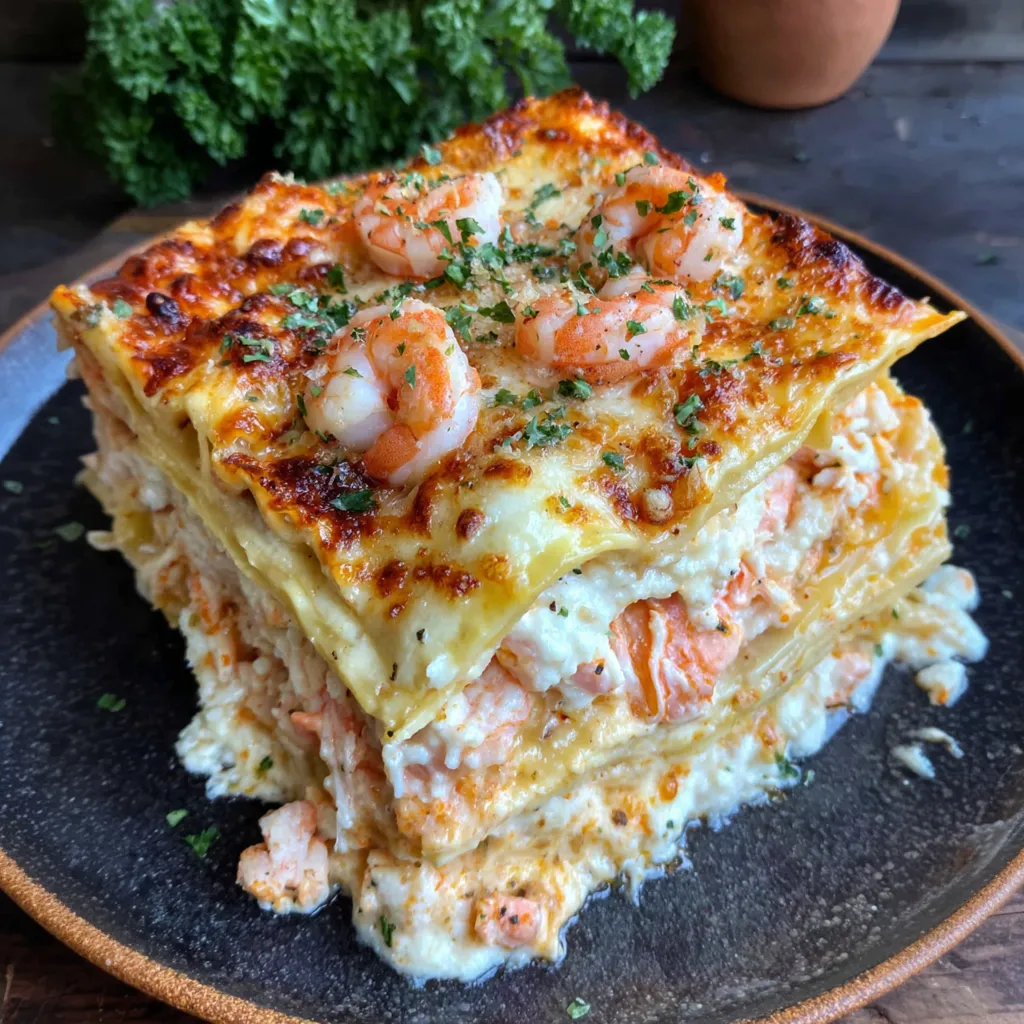
Step-by-Step Construction Guide
Assembly requires methodical layering to distribute the seafood evenly throughout every square inch:
1. Base Coat: Ladle 0.5 cups of the warm bechamel into the base of the buttered pan to prevent sticking.
2. First Deck: Lay 3 fresh pasta sheets across the sauce, trimming edges slightly if needed.
3. Filling Spread: Spread half of the ricotta blend across the noodles, then scatter half of the seared shrimp and sweet crab meat over the surface.
4. Sauce Veil: Spoon 1 cup of bechamel across the seafood, ensuring the proteins are lightly enveloped.
5. Repeat: Layer the second deck of pasta, the remaining ricotta, seafood, and sauce. Top with the third layer of pasta.
6. Crown: Pour the final cup of sauce smoothly over the pasta sheets, ensuring complete coverage to stop edges from curling. Scatter a generous mozzarella cheese topping blended with freshly shaved Pecorino Romano over the surface.
Adapting with Bay Scallops and Seasonal Shellfish
Home cooks seeking variety can explore a bay scallops variation. Unlike larger sea scallops, sweet bay scallops measure smaller and cook rapidly within casserole formats. Treat them with care: pat them bone-dry with paper towels and sear them in screaming-hot brown butter for no longer than 45 seconds. Toss them with a squeeze of fresh lemon juice before folding them alongside the crab meat.
Lobster tail medallions or chopped cold-water langoustines also make exceptional additions. Avoid oily fish such as salmon or mackerel, which release strong oils that overwhelm the nuanced, dairy-forward character of the reduction sauce.
Baking Protocols and Make-Ahead Hosting Strategies
This dish works exceptionally well as a make ahead seafood casserole. You can construct the entire lasagna up to 24 hours in advance. Cover the unbaked dish tightly with parchment paper followed by heavy-duty aluminum foil, then store it in the refrigerator at 38°F (3°C). When cooking from chilled, let the pan sit on the counter for 30 minutes to reduce thermal shock before sliding it into the oven.
Preheat the oven to 375°F (190°C). Bake the casserole covered for 25 minutes to trap internal steam and activate the pasta. Remove the foil and bake for an additional 15, 20 minutes until the cheese bubbles vigorously and develops bronze blister spots.
Verify doneness using a calibrated digital probe thermometer inserted into the center. The internal baking temperature must reach exactly 165°F (74°C) to guarantee safe food temperatures while preserving shellfish tenderness. Let the baked lasagna rest on a cooling rack for a full 20 minutes before slicing. Resting allows the starch in the pasta and the egg within the ricotta matrix to settle, producing razor-sharp, photogenic cross-sections.
Frequently Asked Questions (FAQ)
Q1: Can I use imitation crab meat (surimi) instead of lump crab?
A1: While budget-friendly, surimi turns pasty and dissolves into the sauce during a long oven bake. Genuine wild lump crab meat maintains fibrous flakes, sweet natural brininess, and the structural integrity needed to contrast with soft pasta.
Q2: How do I prevent no-boil dried noodles from turning rubbery in this recipe?
A2: Dried no-boil noodles require excess liquid to hydrate. Because seafood casseroles must minimize free water to prevent sogginess, dried noodles often stay chalky. Fresh pasta sheets or briefly blanched traditional noodles perform significantly better.
Q3: How long will leftover seafood lasagna stay fresh in the refrigerator?
A3: Stored in an airtight container at or below 40°F (4°C), leftovers keep well for up to 3 days. Reheat individual slices in an oven set to 325°F (163°C) covered in foil with a splash of milk to restore moisture without drying out the shrimp.
Elevating the Modern Coastal Feast
Executing an exceptional seafood lasagna requires treating delicate shellfish with culinary discipline rather than casserole casualness. By precooking water-heavy proteins, building a concentrated white wine reduction, and respecting the resting window, home chefs can sidestep the soupy pitfalls that ruin ordinary baked pasta dishes. The result is a clean, golden, multi-layered showpiece that redefines casual entertaining with coastal sophistication.


