From Underground Edits to Luxury Runway: The Timeline of Bart Simpson in Rap Culture
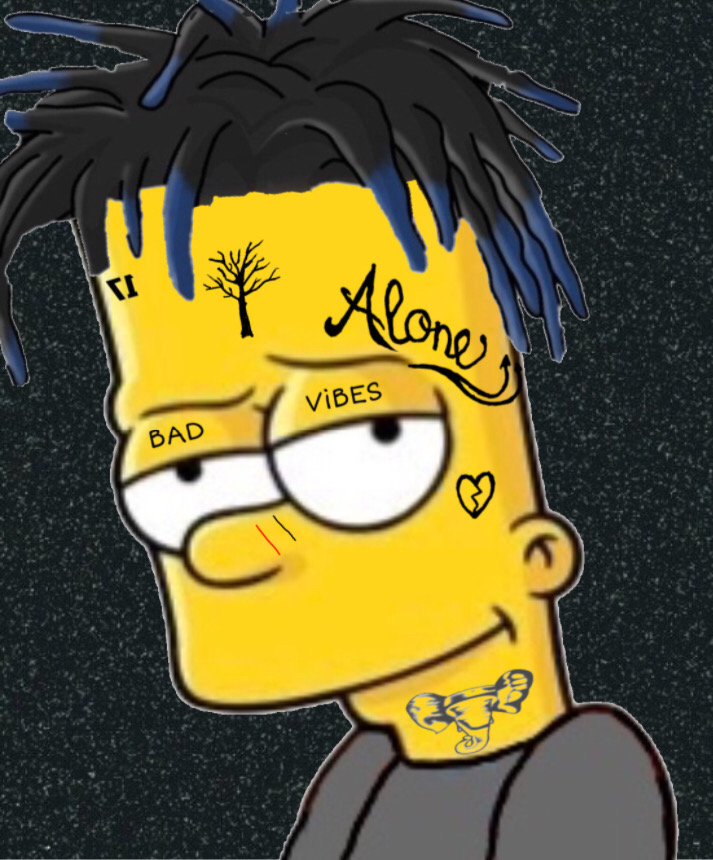
Sometime in early 2017, an improbable cultural collision hijacked the algorithmic underbelly of YouTube. Teenage editors, armed with pirated copies of Sony Vegas and cracked Adobe Premiere suites, began ripping classic 1990s episodes of The Simpsons, tinting the footage in muted violet hues, applying faux-VHS tape tracking lines, and looping melancholy scenes of Bart Simpson crying in his bedroom. Underneath these micro-animations, they scored the distorted, bass-heavy acoustic guitar loops of Jahseh Onfroy, the South Florida rapper known as XXXTentacion. Within months, the depressed Bart meme culture grew from an obscure subcultural quirk into the defining visual shorthand for an entire generation's emotional reckoning.
What started as bedroom remix culture soon reverberated across global creative industries. The melancholy cartoon motif traversed platforms from SoundCloud to TikTok, evolving from fan-made tribute edits into high-dollar commercial design. By the time Demna Gvasalia staged an official animated collaboration between Springfield and Balenciaga during Paris Fashion Week, an event thoroughly chronicled in a contemporary Hypebeast Report detailing luxury hoodies priced north of $900, the rebellious 10-year-old skater had completed a decade-long metamorphosis. He had shifted from Fox's primetime trickster to a sacred totem of modern internet existentialism.
📌 Key Takeaways:
- The Aesthetic Fusion: Sad Bart Simpson edits fused mid-2010s vaporwave aesthetics with raw, lo-fi SoundCloud rap, establishing a new visual grammar for adolescent grief.
- The Core Catalyst: XXXTentacion’s August 2017 debut studio album 17, particularly the track "Jocelyn Flores," turned fan-made emo rap AMVs into viral emotional clearinghouses.
- Corporate Assimilation: Underground bootleg visual culture was ultimately absorbed by high-fashion houses, culminating in the historic 2021, 2022 Balenciaga Simpsons crossover.
The Lo-Fi Bedrooms That Merged Springfield with South Florida
The visual pairing of Matt Groening's signature character with distorted hip hop was not an accidental occurrence. It emerged from the direct collision of two distinct mid-2010s subcultures: the nostalgic vaporwave Simpsons aesthetic and South Florida's DIY trap scene. In 2015, British YouTuber Lucien Hughes pioneered "Simpsonwave," overlaying pitch-shifted chillwave tracks with wistful scenes from golden-era Simpsons episodes. Hughes bathed Springfield in scan lines, CRT monitor distortion, and purple-magenta color grades, emphasizing Bart’s existential dread in episodes like "Bart Sells His Soul" and "Bart the Genius."
Simultaneously, XXXTentacion and his Members Only rap collective, featuring Ski Mask the Slump God and Wifisfuneral, were dismantling contemporary rap production standards. Recording on budget USB condenser microphones and driving 808 bass lines into deliberate audio clipping, Onfroy uploaded tracks directly to SoundCloud. His music oscillated violently between screeching industrial aggression and sparse, suicide-tinged diary entries. When bedroom video editors swapped vaporwave synthesizers for Onfroy's acoustic lo-fi ballads, an intuitive synergy emerged. Bart Simpson was the rebellious, anti-authority kid who masked deep isolation with external defiance; Onfroy projected that exact psychological duality.
These underground rap edits spread through informal creator networks on Tumblr, Instagram edit pages, and YouTube channels like Sad-Boy Edits and Emotional Club. Teenagers didn't want polished Hollywood music videos. They gravitated toward imperfect, fractured media that reflected their own sensory overload and mental health struggles.
The Anatomy of the "Jocelyn Flores" Video Movement
On August 25, 2017, Onfroy released his debut commercial album, 17. Opening with an explicit spoken-word plea to listeners struggling with severe depression, the record departed sharply from his viral breakthrough single "Look at Me!". The second track, "Jocelyn Flores", built around a melancholic vocal loop by lo-fi producer Shiloh Dynasty, dealt directly with the suicide of Onfroy's friend during a Florida visit.
The track instantly became the global soundtrack for sad Bart Simpson edits. Within forty-eight hours of the album's drop, hundreds of independent editors uploaded unauthorized visualizers matching the song to looped clips of Bart. The visual conventions of the Jocelyn Flores lo-fi edit were remarkably consistent:
Bart sits alone on a school bus staring out a rain-slicked window. Bart lies motionless on his bed while ceiling fan blades chop overhead light. Bart breaks down in tears in an empty school hallway, his eyes obscured by heavy digital teardrop overlays. Editors layered cartoon rain effects, faux VHS time stamps showing dates from the mid-1990s, and ambient vinyl static across the audio track. These clips frequently functioned as an emo rap AMV (Anime Music Video), borrowing sequencing techniques from Japanese animation editing communities and adapting them to Western television iconography.
The numbers were massive. Individual fan edits on YouTube routinely accumulated between 15 million and 60 million views, far outpacing the viewership of official television broadcasts. These uploads transformed into virtual therapy sessions. The comment sections under 3-minute looped edits served as anonymous bulletin boards where young listeners left thousands of paragraphs detailing panic attacks, failed relationships, academic burnout, and chronic loneliness.
Evolution of the Depressed Bart Rap Aesthetic (2015, 2026)
The trajectory of Bart Simpson's integration into internet hip hop spans a full decade, moving from underground digital fringe art to commercial high-fashion adoption.
| Era | Creative Movement | Primary Audio/Visual Format | Platform Epicenter |
|---|---|---|---|
| 2015, 2016 | Pioneering "Simpsonwave" | Washed-out vaporwave synths, VHS grain, existential season 2, 7 Bart clips | YouTube, Tumblr |
| 2017, 2018 | The SoundCloud Emo Rap Peak | XXXTentacion, Lil Peep, acoustic loops, crying Bart edits, rain overlays | SoundCloud, YouTube, Instagram |
| 2018, 2020 | Memorials and Lo-Fi Study Streams | Jahseh Onfroy tribute visuals, ChilledCow/Lofi Girl formatting, slowed + reverb | 24/7 YouTube Live, Discord |
| 2021, 2023 | High-Fashion & TikTok Irony | Official Balenciaga runway special, ironic nostalgic reels, phonk drift tracks | TikTok, Runway / Luxury Retail |
| 2024, 2026 | Post-Internet Folk Canonization | Archival 4K re-renders, corecore video essays, retro Gen Z micro-aesthetics | TikTok, Web Archives, Spotify Canvases |
The Memorial Visuals Following Jahseh Onfroy’s Death
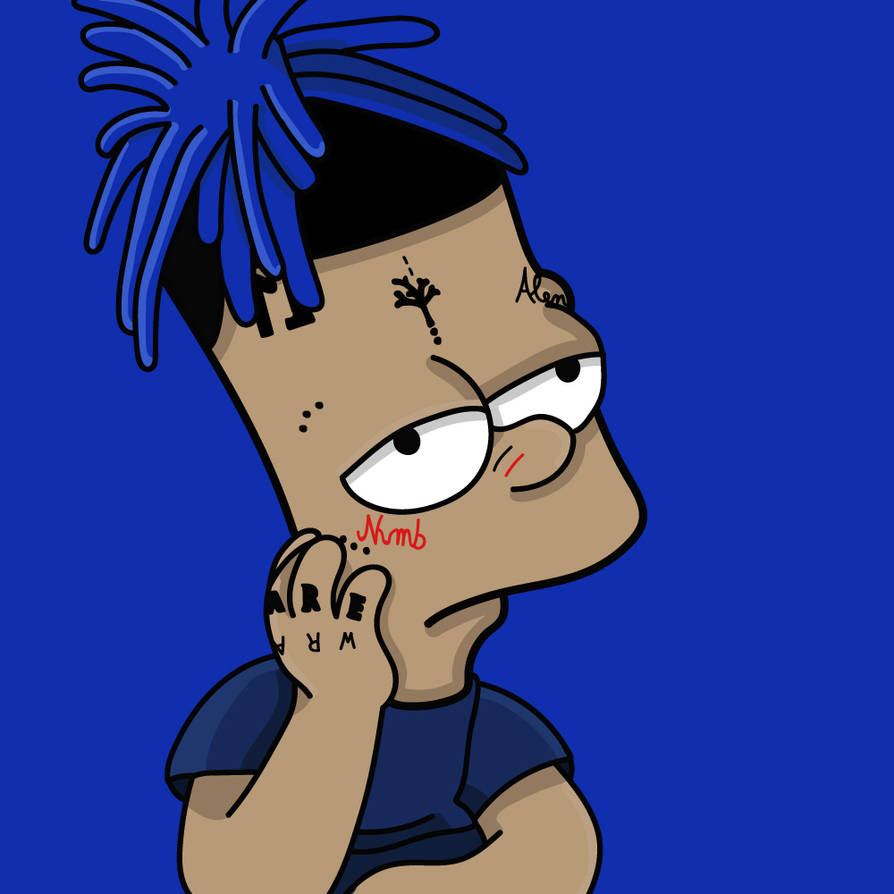
On June 18, 2018, Jahseh Onfroy was shot and killed outside a motorsports store in Deerfield Beach, Florida, at age 20. The event sent shockwaves through streaming platforms. In the hours following the confirmation of his death, the internet did not turn to press photos; it turned to animation.
The Jahseh Onfroy tribute visuals deployed Bart Simpson as a primary surrogate for Onfroy himself. Digital artists drew Bart with Onfroy’s signature half-blonde, half-black dreadlocks, later updating illustrations to reflect the rapper's blue dreadlocks and facial tattoos, specifically the "Alone" script above his eyebrow and the broken heart on his cheek. These hybrid avatars flooded social media feeds worldwide.
The lo-fi hip hop community embraced this iconography as well. On 24/7 streaming hubs, looped animations of tattoo-clad Bart typing on an old Macintosh or walking down a dimly lit suburban street became constant motifs. The visual style gave fans an emotional buffer. Mourning a deeply controversial, real-world figure involved navigating complicated legal and personal histories; mourning an animated Bart Simpson wrapped in purple clouds allowed young fans to engage pure, unadulterated sadness without public moral ambiguity.
From Bootleg Edits to the Balenciaga Runway
For decades, underground bootleggers had printed Bart on unauthorized rap merchandise, from 1990s "Black Bart" streetwear shirts across Harlem to unlicensed Supreme box-logo stickers on early Tumblr blogs. But corporate fashion houses watched the late-2010s digital renaissance of depressed Bart with calculated commercial interest.
The turning point arrived in October 2021. Creative director Demna Gvasalia engineered the Balenciaga Simpsons crossover for the luxury house’s Summer 2022 presentation. Instead of a traditional runway stroll, Balenciaga premiered an official 10-minute mini-episode produced by Matt Groening’s team, where Springfield's residents traveled to Paris to model oversized tailoring. The collection featured distressed, oversized vintage hoodies and graphic tees emblazoned with the Simpson family dressed in past-season Balenciaga looks.
The high-fashion world was effectively monetizing the exact aesthetic that bedroom editors had spent half a decade formulating: ironic detachment blended with sentimental cartoon comfort. Streetwear consumers who had spent their late teens watching sad Bart edits scored to XXXTentacion were now in their early twenties with disposable income, eager to purchase luxury physical artifacts of their digital youth.
The Cultural Psychology Behind Gen Z Internet Nostalgia
Why did a cartoon boy born in a 1987 sketch on The Tracey Ullman Show become the emotional mascot for digital natives thirty years later? The answer lies in the emotional architecture of The Simpsons itself.
Bart Simpson was never written as purely malicious. In classic episodes, his bratty humor frequently collapsed into gut-wrenching vulnerability: failing a fourth-grade history test after studying all night, watching his parents argue through a cracked bedroom door, or realizing his own reputation prevented anyone from believing him when it mattered. He was an archetype of emotional frustration. For Gen Z teenagers experiencing their own mental health crises during the late 2010s, Bart was instantly legible.
The imagery represented an intersection of comfort and tragedy. The Simpsons was universal background noise in childhood living rooms, while SoundCloud rap was the abrasive, illicit soundtrack found on personal smartphones. Binding them together allowed listeners to process post-adolescent disillusionment through a familiar visual language. It was pop-culture therapy conducted through free video-editing software.
Frequently Asked Questions (FAQ)
Q1: Why was Bart Simpson specifically paired with XXXTentacion instead of other cartoon characters?
A1: While anime characters from Naruto and Dragon Ball Z were also popular in AMVs, Bart Simpson possessed a uniquely American suburban vulnerability. Bart’s blend of juvenile rebellion, academic frustration, and loneliness closely mirrored Jahseh Onfroy’s troubled adolescent backstory and confessional songwriting style.
Q2: Did XXXTentacion ever officially approve or comment on the Bart Simpson edits?
A2: Onfroy was well aware of his fandom's visual culture and frequently reposted fan art on his Instagram stories between 2016 and 2018, including depictions of himself as anime characters and cartoon figures. While he never commissioned an official Bart Simpson video, his creative team leaned heavily into fan animation for posthumous music videos like "Sauce!" in 2019.
Q3: Were copyright strikes ever enforced against the depressed Bart YouTube channels?
A3: Yes, extensively. Fox (and later Disney, following its 2019 acquisition) routinely issued DMCA takedown notices to channels hosting Simpsonwave and depressed Bart edits. In response, creators altered pitch, saturated audio tracks, added artificial ambient rain, and reversed frame orders to bypass automatic Content ID detection algorithms.
The Digital Legacy of a Remixed Antihero
The era of the bedroom SoundCloud boom has shifted, its defining artists either lost to violence and accidental overdoses or integrated into the major-label ecosystem. Yet the visual artifact of Bart Simpson sitting in a dim, purple-hued bedroom remains an indelible marker of internet folklore. The edits proved that emotional expression in the algorithmic era rarely builds symbols from scratch. Instead, it repurposes cultural debris, taking a Saturday-morning television rebel and a lo-fi audio file, to construct a shared space for dealing with loneliness.


