Giant Maine Coon Growth Myths Debunked: Slow Maturation and Real Vet Facts

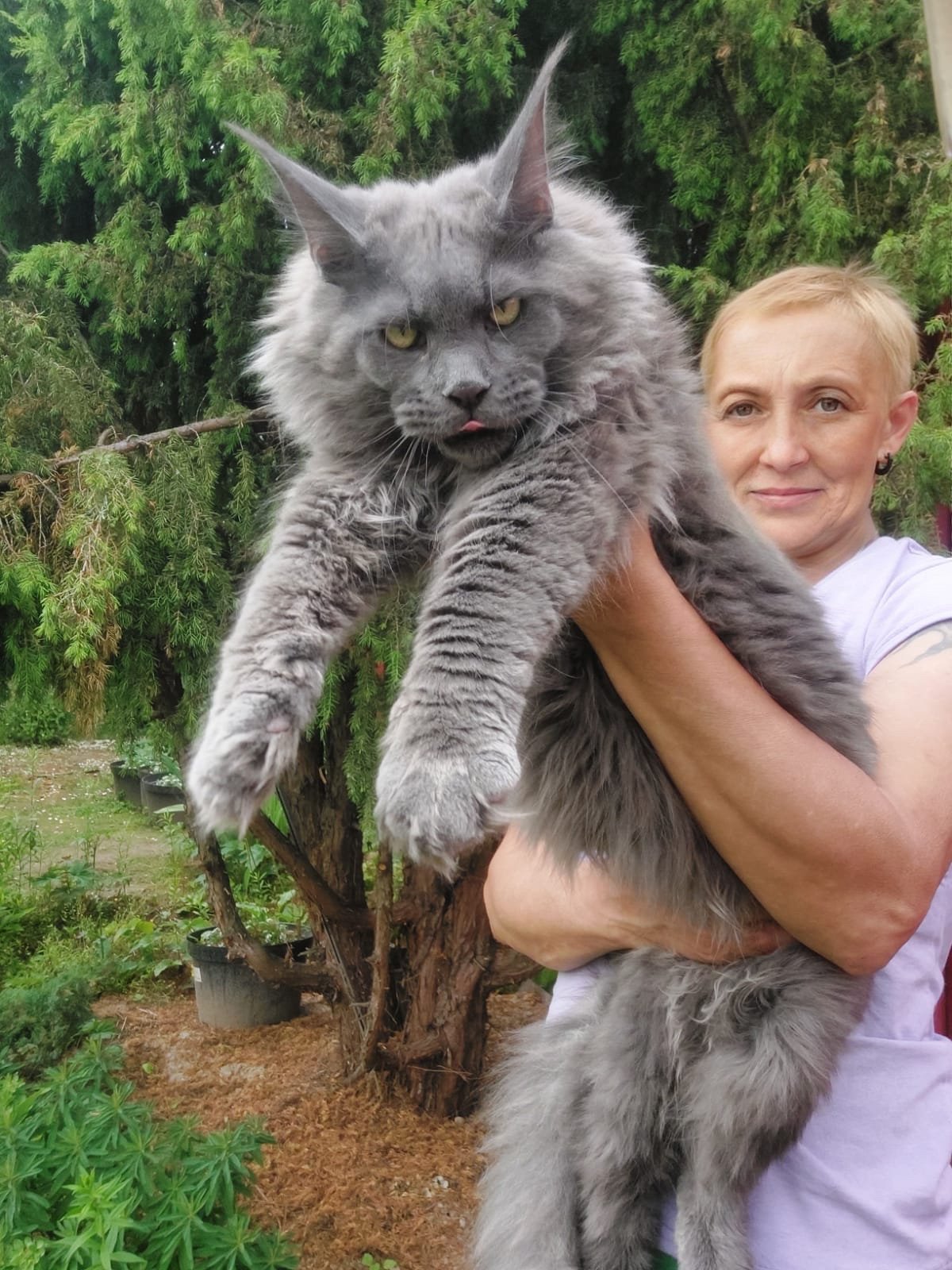
Social media feeds are flooded with images of domestic cats stretching across adult human torsos like juvenile cougars. These posts rack up millions of views, convincing prospective pet owners that an ordinary kitten will effortlessly morph into a 35-pound house tiger. Recent reporting from feline health specialists, including an extensive veterinary breakdown documented in a recent Catster Report on feline skeletal dimensions, reveals a starkly different reality. Most viral images rely heavily on wide-angle lenses, forced perspective, and deliberate camera positioning rather than biological marvels.
The Maine Coon is indeed the largest pedigree domestic cat breed recognised by major cat registries worldwide. Yet sensationalized online claims have distorted public understanding of their genuine growth trajectory and care requirements. Breeders and veterinarians increasingly sound alarms over unrealistic consumer expectations, irresponsible breeding operations pushing dangerous body masses, and the subtle medical vulnerabilities that accompany extended feline bone development.
📌 Key Takeaways:
- The Viral Illusion: Most viral 35-pound cats are either optical illusions caused by wide-angle forced perspective or dangerously obese specimens requiring veterinary intervention.
- Extended Development: Maine Coons do not follow typical domestic feline timelines, requiring three to five years to reach full skeletal maturity age.
- Health Screening Imperatives: Chasing excessive size leads to severe cardiac stress and early hip dysplasia, making hypertrophic cardiomyopathy screening non-negotiable.
Camera Tricks and the Anatomy of Viral Cat Content
Pick up a wide-angle smartphone lens, set the focal length to 24mm or 13mm ultra-wide, hold an 18-pound cat directly out toward the camera at arm's length, and sit six inches behind the animal. The optical result is jarring. The cat's head suddenly appears larger than the human's torso, creating an immediate sensation on TikTok and Instagram. This photographic technique, known in commercial photography as forced perspective, drives millions of clicks while warping reality.
The actual breed standard height and length published by the Cat Fanciers' Association (CFA) and The International Cat Association (TICA) paints a concrete picture. An adult male typically stands 10, 16 inches tall, measuring 30, 40 inches from the tip of the nose to the end of the tailbone. While some verified record holders have achieved a maximum reach and body length exceeding 48 inches, these individuals are genetic outliers, not standard representations of the breed. An honest vet health evaluation quickly distinguishes structural frame mass from adipose tissue; many cats celebrated on internet forums for weighing 30 pounds are suffering from morbid feline obesity that halves their active lifespan.
Slow Maturation Timeline Across Five Years of Growth
Common domestic shorthairs complete roughly 90 percent of their skeletal development within 10 to 12 months. Maine Coons operate on a completely different metabolic clock. Understanding the kitten development stages prevents owners from overfeeding during critical growth phases in a misguided attempt to force rapid mass accumulation.
The first twelve months establish structural frame length, characterized by long, gangly limbs and pronounced paws. Between months 12 and 36, the frame gradually widens, muscle mass dense, and the cat begins to fill out through the chest and shoulders. The slow maturation timeline continues through months 36 to 60, when the facial ruff thickens and the cranial bone structure solidifies into final adulthood. Attempting to rush this timeline with high-calorie kitten foods past year one stresses unfused growth plates, inviting early-onset skeletal deformities.
Weaning introduces its own unique physiological friction. Large-frame kittens display higher caloric requirements yet fragile digestive balance. Transitioning from queen's milk to solids requires a gradual, calculated shift across weeks four through nine. Early reliance on starch-heavy commercial foods triggers chronic loose stools, bacterial dysbiosis, and stunted bone mineral density, underscoring why ethical breeders monitor daily gram gain with precision scales rather than eye estimations.
Full Grown Size Chart: Male vs Female Weight Comparison
Prospective buyers frequently ask breeders for guarantees that a kitten will hit a specific adult scale reading. Biological genetics does not offer contractual weight targets. Genetic growth potential derives from ancestral lineage, maternal nutrition during gestation, hormone profiles, and post-neuter endocrine shifts. Healthy adults show significant sexual dimorphism across all validated cohorts.
| Age / Maturation Stage | Healthy Male Weight Range | Healthy Female Weight Range | Skeletal & Developmental Status |
|---|---|---|---|
| 3 Months | 3.5, 5.5 lbs (1.6, 2.5 kg) | 3.0, 4.5 lbs (1.4, 2.0 kg) | Rapid long-bone elongation; active weaning stabilization |
| 6 Months | 7.5, 11.5 lbs (3.4, 5.2 kg) | 6.0, 9.0 lbs (2.7, 4.1 kg) | High-growth phase; primary dentition fully replaced |
| 12 Months (1 Year) | 12.0, 16.0 lbs (5.4, 7.3 kg) | 9.0, 12.5 lbs (4.1, 5.7 kg) | Linear body length reached; growth plates remain open |
| 36 Months (3 Years) | 15.0, 22.0 lbs (6.8, 10.0 kg) | 11.0, 15.0 lbs (5.0, 6.8 kg) | Torso broadening, muscular densification, facial widening |
| 48, 60 Months (Skeletal Maturity) | 16.0, 25.0 lbs (7.3, 11.3 kg) | 11.0, 16.0 lbs (5.0, 7.3 kg) | Full skeletal maturity age attained; permanent adult physique |
A full grown size chart demonstrates that even the heaviest standard male rarely exceeds 22, 25 pounds without carrying unhealthy levels of body fat. A female tipping scales at 14 pounds is an exceptionally well-developed, structurally sound animal. Contextualizing these metrics removes the pressure on owners to overfeed their pets to match internet hyperbole.
Orthopedic Stress and Cardiac Vulnerabilities in Large-Frame Cats
Massive bone structure exacts a physiological toll. The biomechanics of supporting a 20-pound feline body over a 12- to 15-year lifespan exposes joints to unique degenerative patterns. Hip dysplasia, historically categorized as a canine affliction, occurs at surprisingly high rates in giant cat breeds. Veterinary studies indicate that up to 24 percent of tested cats display mild to severe subluxation of the femoral head from the pelvic socket. Subsidizing reckless breeding programs that select purely for extreme mass exacerbates these genetic defects.
Hypertrophic cardiomyopathy screening forms the cornerstone of proactive breed health management. Hypertrophic cardiomyopathy (HCM) causes thickening of the left ventricular muscular walls, impairing the heart's filling efficiency and precipitating congestive heart failure or arterial thromboembolism. A single genetic test checking for the MYBPC3-A31P mutation is helpful but insufficient on its own. True clinical vigilance demands serial transthoracic echocardiograms conducted by board-certified veterinary cardiologists throughout the cat's breeding life, ideally repeating every one to two years.
Spinal muscular atrophy (SMA) and polycystic kidney disease (PKD) represent secondary genetic markers requiring mandatory verification. When an owner buys a kitten bred without certified genetic clearance, they gamble with conditions that remain asymptomatic until irreversible organ failure sets in.
The Gentle Giant Temperament Versus Urban Living Realities
Despite their imposing presence, the gentle giant temperament remains a defining hallmark of properly bred stock. These cats are distinctively dog-like: attentive, inquisitive, and deeply attached to their domestic groups without becoming cloyingly needy. They produce soft chirps and trills that contrast delightfully with their rugged outdoor lineage, retaining high playful energy well into their senior years.
That serene temperament, however, does not eliminate physical housing demands. An animal with a 40-inch span cannot comfortably turn around in standard retail litter pans. Owners must source heavy-duty commercial storage totes or specialized industrial basins measuring at least 24 by 36 inches. Standard wall-mounted cat furniture, typically built to hold 10-pound cats with plastic brackets, can rip out of residential drywall under the kinetic landing force of a bounding 20-pound male. Vertical enrichment requires solid wood posts anchored directly into wall studs.
Grooming is equally non-negotiable. Their triple-coat structure, composed of a short undercoat, longer insulating middle layer, and water-repellent guard hairs, knots easily around the armpits and hindquarters. Without thorough comb work two to three times weekly, matting tightens into painful dermal pelts that require veterinary sedation to shave off cleanly.
How to Identify Ethical Breeders and Avoid Mass-Breeding Scams
Surging demand for "giant" lines has catalyzed backyard operators who market "European XXL Giants" for prices ranging from $2,500 to $4,500. These labels are marketing fabrications. Reputable Maine Coon breeders never market size as their primary value proposition; they breed strictly for physical health, structural balance, pedigree longevity, and temperament.
A legitimate breeding program operates with total administrative and clinical transparency. Expect to see official pedigrees registered with the CFA, TICA, or FiFe. The cattery will readily present recent echocardiogram screening certificates for both parents, signed by a veterinary cardiology specialist, not merely a primary care vet writing a basic wellness stamp. Furthermore, ethical operations will not release kittens before 12 to 14 weeks of age, ensuring immune stability, double vaccination protocols, complete socialization, and successful weaning transition.
Red flags include sellers who refuse live video visits, demand untraceable peer-to-peer payment methods, prioritize extreme aesthetic features like oversized ear tufts at the expense of jaw and bite alignment, or boast about 35-pound parent cats. Responsible preservation breeding focuses on preserving historical agility and natural resilience, not creating novelty oversized carnivores.
Frequently Asked Questions (FAQ)
Q1: Do Maine Coons really reach 30 to 40 pounds?
A1: Under normal physiological conditions, almost never. An adult male Maine Coon generally caps out between 15 and 25 pounds. Any domestic cat weighing over 25 pounds is either an extreme genetic outlier or severely obese, the latter placing dangerous strain on joints and vital organs.
Q2: Why are giant Maine Coons more expensive than regular domestic breeds?
A2: Pedigree kitten prices reflect extensive genetic screening, regular veterinary echocardiograms for breeding pairs, specialized nutritional input during the extended growth phase, and proper registration with established feline registries. Backyard breeders charge similar inflated prices without covering the necessary healthcare overhead.
Q3: How long should I feed my kitten high-calorie growth food?
A3: Because of their prolonged skeletal development, large breeds require balanced nutrition longer than standard breeds. Transitioning to adult maintenance food typically occurs around 12 to 15 months, but switching to extreme calorie-dense formulas without veterinary guidance can trigger dangerous rapid bone growth without proper joint support.
Practical Realities for Prospective Cat Owners
Owning a Maine Coon is rewarding, provided owners engage with the animal as a living biological organism rather than an internet status symbol. The genuine article is magnificent on its own merits: an intelligent, vocal companion with sweeping whiskers, snowshoe paws, and a majestic presence that commands attention purely through posture and character.
Navigating breed ownership successfully demands abandoning the myth of the 35-pound giant. Prioritizing lineage longevity over sheer mass safeguards the breed from reckless physical degradation. By demanding verified cardiac clearances, supporting responsible catteries, and investing in structurally appropriate home furnishings, owners can ensure their gentle giants thrive safely through a full, robust lifespan.


