How a Tragic Last Resort Became Anime’s Funniest Viral Internet Meme

A mild inconvenience hits. Your Wi-Fi router blinks red right before a deadline, a barista forgets oat milk, or an opponent lands an unexpected hit in an online fighting game. For millions of anime fans across TikTok, X, and Instagram, the universal response is no longer an exasperated sigh. Instead, they cross their wrists, extend their fingers into an elaborate hand sign, and utter seven fateful words: "With this treasure, I summon..."
What originated inside Gege Akutami’s dark fantasy manga Jujutsu Kaisen as a desperate, mutually assured destruction pact has metastasized into peak online humor. As documented by digital culture trackers in the comprehensive Know Your Meme Report, Megumi Fushiguro’s suicidal fallback ritual became shorthand for extreme overreaction. Rather than working through adversity, the internet decided that summoning an unbeatable eight-handled divine beast to obliterate everyone in the room was the only reasonable path forward.
📌 Key Takeaways:
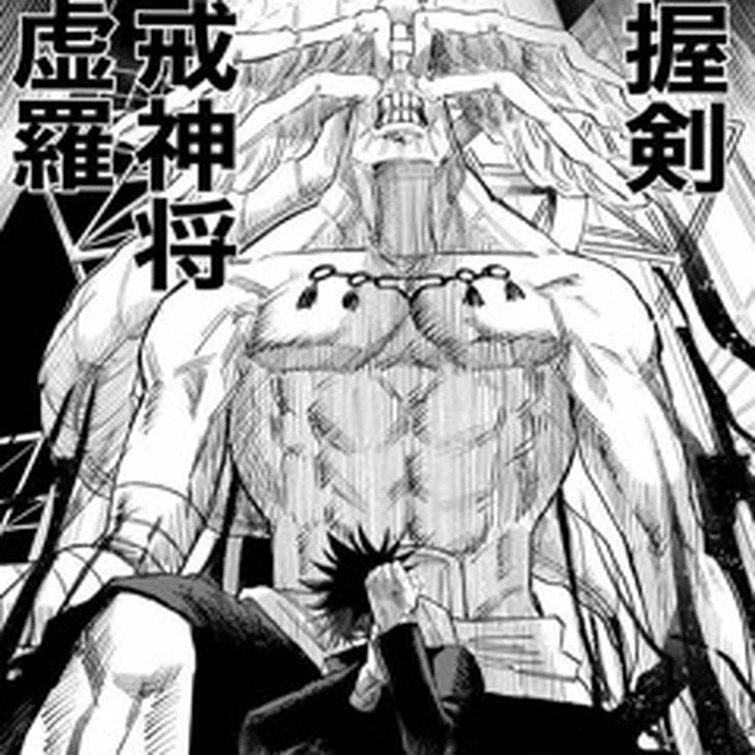
- The In-Universe Origin: The phrase represents the invocation chant for Eight-Handled Sword Divergent Sila Divine General Mahoraga, the untamable apex shikigami of the Ten Shadows Technique.
- The Comedic Flip: Fans noticed Megumi reaching for this fatal trump card repeatedly throughout early arcs, turning a high-stakes sacrifice into a running gag about extreme overreaction.
- Peak Saturation: The MAPPA animation of the Shibuya Incident arc in late 2023, followed by the catastrophic Sukuna vs Mahoraga battle, pushed the phrase from niche fandom circles into ubiquitous social media slang.
The Port Arthur of Sorcery: The Brutal Lore Behind the Sacred Chant
To understand why the internet finds the line hilarious, one must examine how terrifying it was meant to be. Within Jujutsu Kaisen, Megumi Fushiguro inherits the prized Ten Shadows Technique from the Zen'in clan. The power allows the user to summon ten distinct animal spirits using shadow puppets. There is a catch: each shikigami must be subdued in a solo exorcism ritual before it obeys the sorcerer.
Throughout centuries of Zen'in lineage, no summoner ever managed to defeat the tenth entity: Eight-Handled Sword Divergent Sila Divine General Mahoraga. The creature operates on an absolute rule of adaptation. Hit Mahoraga with any physical blow or elemental curse, and the eight-spoked wheel floating behind its head turns. Once it spins, Mahoraga becomes completely immune to that attack vector while developing offensive counters to pierce the opponent's defenses.
Summoning Mahoraga untamed is an automatic death sentence. Because external sorcerers can be dragged into the ritual to nullify the taming process, the chant functions strictly as a suicide bomb. If Megumi invokes Mahoraga, the shikigami slaughters Megumi first, cleanses everyone nearby, and vanishes back into the shadows. Gege Akutami designed the mechanism to showcase Megumi’s tragic psychological flaw, a boy so burdened by low self-worth that he treats his own existence as disposable collateral.
From Desperate Sacrifice to the "Potential Man" Phenomenon
The turning point from gothic drama to farce happened when manga readers cataloged Megumi’s combat record. Fans noticed a distinct pattern. Whenever Megumi faced a mid-tier curse, took heavy damage, or simply found himself slightly outmatched, his fingers immediately snapped into the Mahoraga hand posture.
He almost pulled the trigger against Sukuna at the juvenile detention center in Chapter 9. He readied the chant against Aoi Todo during an inter-school training scuffle. He prepared it against special-grade curse Hanami, and reached for it again against Noritoshi Kamo. Reddit communities like r/Jujutsufolks seized on this obsessive readiness to quit, birthing the enduring potential man meme.
The running community joke stripped away the tragic nuance. Satoru Gojo had repeatedly praised Megumi’s limitless ceiling, asserting that Megumi could one day rival his own godlike power. Yet, instead of developing his Domain Expansion or refining his base shadows, Megumi seemed eager to hit the nuclear abort button over everyday inconveniences. On TikTok and Instagram, creators created sketches where Megumi stubs his toe on a coffee table, drops his toast butter-side down, or fails a high school pop quiz, only to immediately throw his hands together and begin the ominous incantation.
The Shibuya Climax and the Viral Explosion
The meme evolved from a forum gag into a global trend when MAPPA broadcast Episode 41 of the Shibuya Incident arc on November 16, 2023. Cornered and fatally wounded by the cowardly curse user Haruta Shigemo, Megumi finally executes the forbidden ritual in full canon animation.
The production treated the sequence with staggering cinematic weight. The haunting voice acting, the metallic grinding of the eight-handled wheel, and the ensuing kaiju-scale duel of Sukuna vs Mahoraga leveled entire city blocks in Shibuya. Sukuna unleashed his Malevolent Shrine and a devastating Fire Arrow just to eradicate the beast before Megumi succumbed to his injuries.
The visual spectacle provided the internet with endless high-definition meme assets. Overnight, clips of Mahoraga walking menacingly through Sukuna’s slashing attacks became green-screen templates for handling everyday stress.
| Phase & Era | Context & Media Trigger | Internet Sentiment & Format |
|---|---|---|
| Manga Pre-Anime (2018, 2020) | Chapters 9 through 118 serialized in Weekly Shonen Jump | Theoretical analysis; fans dissect the suicidal nature of the Zen'in bloodline. |
| Manga Climax (2021, 2023) | Sukuna commandeers Megumi’s body; "Potential Man" labels spread on Reddit | Satirical image boards mock Megumi’s over-reliance on Mahoraga for minor fights. |
| Shibuya Broadcast (Nov 2023, 2024) | MAPPA releases Episode 41; the Sukuna vs Mahoraga battle goes viral worldwide | Mainstream TikTok audio breakout; used as a reaction to minor real-world inconveniences. |
| Post-Canon Longevity (2025, 2026) | Manga conclusion and integration into global pop culture slang | Universal conversational shorthand across gaming, sports, and workplace humor. |
The Mechanics of JJK Brainrot: Why the Chant Traveled Beyond Anime
The phrase's staying power rests on linguistic rhythm. The formal English translation, "With this treasure, I summon...", delivers a rhythmic build-up that sets an instant cadence for short-form video. The Japanese original, "Furube Yurayura, Yatsuka-no-Tsurugi Ikaishinshō Makora," draws directly from ancient Shinto purification rituals, giving it an inherently dramatic, sacred tone.
This stark contrast between archaic nobility and everyday absurdity fuels modern social media comedy. The broader trend of JJK brainrot thrives on taking solemn shonen battle tropes and dragging them into trivial domestic conflicts. When someone drops a glass plate, the logical real-world step is grabbing a broom. The internet version is adopting Megumi's battle stance, dropping the shoulders, and threatening to level the entire apartment complex with Mahoraga.
Gamers adopted the phrase with equal speed. In Street Fighter 6, Tekken 8, or Super Smash Bros., burning an entire Super meter on round one or calling in an assist character when losing an exchange is now universally called "popping Mahoraga." In competitive spaces, the meme became synonymous with panicking and dragging everyone down with you.
Frequently Asked Questions (FAQ)
Q1: What is the exact chant Megumi uses to summon Mahoraga?
A1: In the English translation, the ritual phrase begins: "With this treasure, I summon Eight-Handled Sword Divergent Sila Divine General Mahoraga." In Japanese, it begins with the Shinto phrase "Furube Yurayura" (meaning to shake or sway sacred treasures) followed by the shikigami's formal title.
Q2: Why does Megumi summon Mahoraga if he knows it will kill him?
A2: Megumi utilizes Mahoraga strictly as an unescapable double-suicide maneuver. When fatally injured by Haruta Shigemo in Shibuya, Megumi initiated the exorcism ritual to ensure that Haruta would be dragged into the contest and executed alongside him, denying the enemy a clean victory.
Q3: Did Megumi ever actually tame Mahoraga himself?
A3: No. Megumi never tamed Mahoraga. In the story, Sukuna took control of Megumi’s body and used his own overwhelming cursed energy and Malevolent Shrine domain to defeat the shikigami, successfully incorporating its adaptation ability into his own arsenal.
Q4: Why is Megumi called the "Potential Man" in community memes?
A4: The nickname originated on community forums like Reddit as satire. Characters within the story constantly praised Megumi's limitless ceiling, yet readers grew amused by how often he relied on suicidal summoning rather than winning his own battles.
How Megumi’s Last Stand Became Digital Lore
Pop culture often repurposes profound fictional tragedy into comic relief. Just as Hamlet's solemn soliloquies were reduced to comedic stage tropes over centuries, Megumi Fushiguro’s desperate act of defiance found new life as an internet punchline. The transformation shows how digital audiences process high-tension media: by taking fictional despair, stripping away its darkness, and turning it into an everyday pressure valve.
The manga may have concluded, but the chant remains deeply embedded in modern internet slang. Whenever a printer jams, an online server crashes, or an alarm goes off at 6:00 AM on a Monday, millions of people will keep balling their fists, raising their knuckles, and calling upon the eight-handled wheel to wipe the slate clean.


