How the 'Shut Up Mom' Trend Exploded Across TikTok: A Complete Pop Culture Timeline
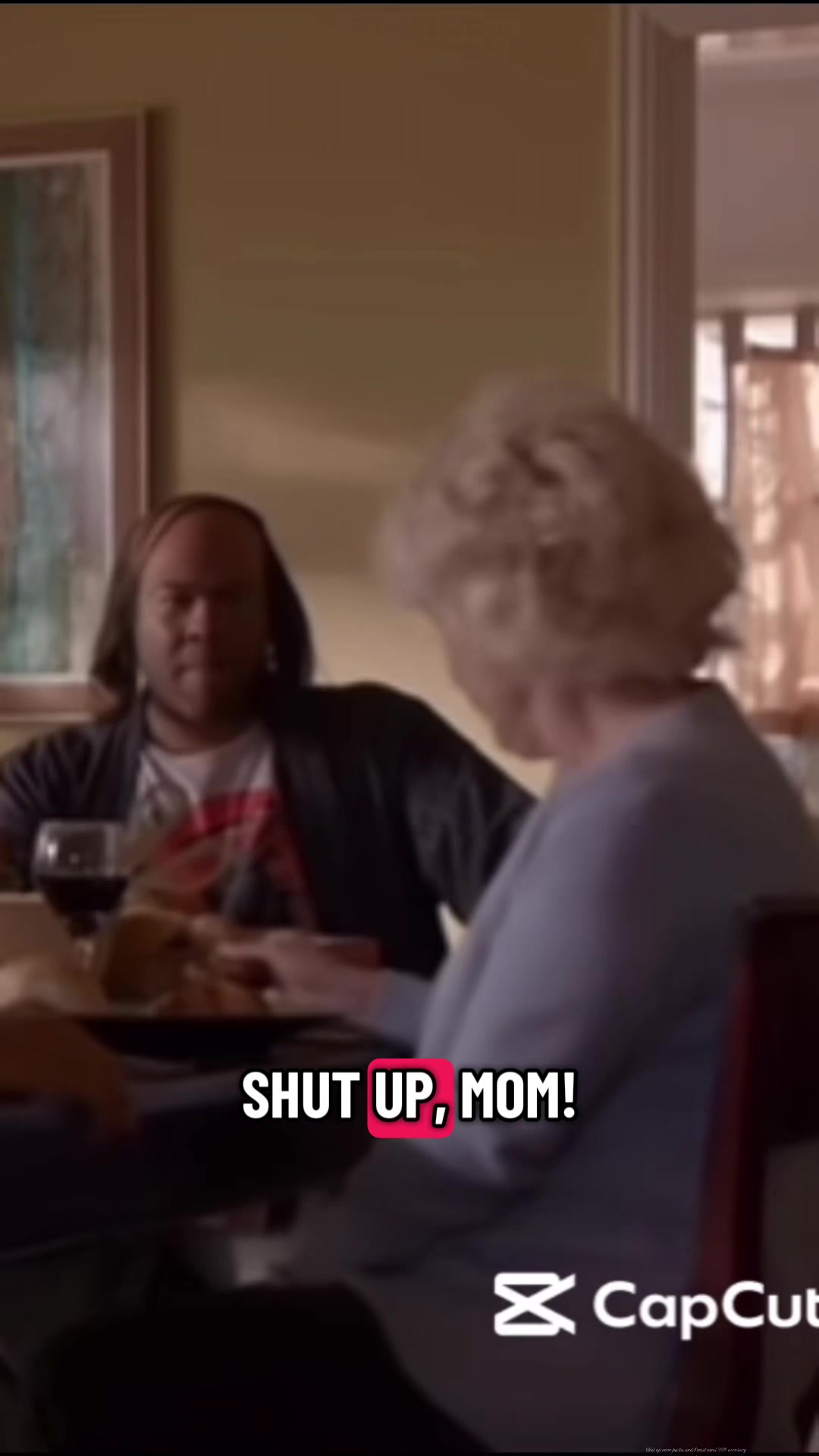
A frantic voice cut across millions of smartphone speakers this winter: an enthusiastic mother interjecting her approval, instantly silenced by an exasperated son. Within weeks, the brief snippet crystallized into a runaway lip sync trend, racking up hundreds of thousands of user videos across TikTok and Instagram Reels. As documented by the comprehensive Know Your Meme Report tracking the phenomenon, the dialogue snippet known colloquially as "Keith, She Sounds Wonderful / Shut Up, Mom" transformed a raw, candid domestic clash into a universal template for comedic humiliation.
Short-form platforms thrive on high-contrast social friction. The audio delivers that tension in under four seconds, giving creators a ready-made punchline to dramatize bad romantic advice, intrusive family members, and awkward personal confessions. The sound's viral velocity highlights how deleted livestreams, reality television outtakes, and unscripted family interactions consistently fuel modern meme culture.
📌 Key Takeaways:
- The Origin Point: The audio stems from an awkward conversational clip where an enthusiastic parent interjects with "Keith, she sounds wonderful," prompting an immediate, harsh shut-down from her son.
- The Algorithmic Lift: Creators repurposed the five-second bite into a flexible dialogue parody, driving more than 380 million collective views across short-form video ecosystems.
- Cultural Crossover: The meme echoes earlier viral family moments, from Prince Louis shushing Kate Middleton to streamer hot-mic slipups, highlighting the public's endless appetite for domestic awkwardness.
The Genesis of 'Keith, She Sounds Wonderful'
Every massive audio trend starts with an off-kilter human exchange. In this case, the audio captures an earnest mother attempting to validate her son’s romantic interest, only to be cut off mid-sentence by an aggressive "Shut up, mom!" The sharp tonal shift creates the comedy. Her voice carries genuine maternal warmth; his response lands like a slamming door.
Internet archivists traced the sound's migration onto short-form platforms in late 2025, where algorithmic feeds quickly prioritized its high retention rates. The sound works because it needs zero exposition. Listeners immediately recognize the family dynamic: a parent overstepping boundaries and an offspring reacting with pure mortification. It bypasses language barriers through sheer vocal cadence.
By the time Know Your Meme cataloged the entry in January 2026, the phrase had morphed from an obscure recording into a primary audio clip trend. Influencers, casual users, and major brand accounts stripped the sound of its original context, using it instead to dramatize everyday embarrassments.
How Creators Turned Domestic Friction into a Viral Template
The mechanics of TikTok lip sync trends depend on adaptability. A sound cannot survive on a single joke; it must function as a vessel for diverse situational comedy. Within forty-eight hours of reaching the algorithmic tipping point, creators deployed the "Shut up, mom" audio across distinct social categories.
In dating humor, creators paired the audio with captions describing bad habits or toxic traits they attempted to justify to their parents. The mother’s line ("Keith, she sounds wonderful") became the voice of delusional optimism, while the son's retort served as the intrusive voice of self-awareness. In gaming circles, players timed the audio to catastrophic squad wipes, casting the mother as an oblivious teammate and the son as the frantic squad leader.
Data from third-party social monitoring tools shows that user videos pairing this sound retained viewers past the 3-second mark at a rate 24% higher than platform averages. The abruptness of the shout prevents users from scrolling away before the punchline lands.
The Trajectory of Shushing Memes: From Broadcast to Feeds
Public fascination with public family scolding did not begin on TikTok. The appetite for watching decorum shatter in real time has powered viral video since early television broadcasts, mutating across platforms as capture technologies evolved.
| Era & Event | Media Format | Core Social Dynamic | Peak Engagement Metric |
|---|---|---|---|
| Prince Louis at the Jubilee (2022) | Broadcast Press Photos & GIFs | Royal protocol broken by unscripted toddler rebellion | Over 120M impressions across X and news outlets |
| Twitch Hot-Mic Intrusions (2023, 2024) | Livestream VOD Clips | Unaware parents walking into live competitive matches | Average 2M, 5M views per reposted YouTube Short |
| Keith / 'Shut Up Mom' Wave (2025, 2026) | TikTok & Reels Audio Template | Short-form dialogue parody applied to universal anxieties | Over 380M aggregate views across platform variants |
The trajectory reveals a shift in audience participation. In 2022, audiences merely observed royal children ignoring parental hand gestures. By 2026, users actively insert themselves into the scene, embodying the characters through lip-sync acting to process their own familial stress.
The Psychology Behind Relatable Dialogue Parody
Why do millions of strangers rally around a clip of an irritated young man yelling at his mother? Sociologists and media analysts point toward conversational catharsis. Most people spend considerable energy maintaining polite boundaries in their daily interactions. A sound that obliterates social politeness in an instant provides comic relief.
The meme operates on dramatic irony. The mother character represents innocence or willful ignorance, while the responder represents harsh reality. By placing personal dilemmas inside this frame, creators invite their audience to laugh at situations that would otherwise feel painful: bad spending habits, career stagnation, or questionable lifestyle choices.
The sound also acts as audio shorthand. Online audiences possess notoriously short attention spans. Using a recognizable audio track eliminates the need to build a comedic premise from scratch. The audio provides the setup and the punchline; the creator only provides visual context.
Platform Incentives and the Audio Extraction Pipeline
The explosion of the "Keith, She Sounds Wonderful" audio illustrates how modern social platforms reward sonic recycling. Content recommendation engines analyze the audio track as an independent metadata layer. When an algorithm detects that a specific sound file drives high completion rates, it serves other videos using that exact audio file to broader demographic buckets.
This architecture incentivizes users to strip audio from obscure media and re-upload it as an open soundbite. Platforms like TikTok and Instagram have turned spontaneous conversations into modular units of digital comedy.
The cycle moves with blistering speed. A clip is broadcast, clipped, isolated, stripped into a sound, adopted by trendsetters, flooded by mainstream creators, and picked up by commercial marketing departments. By the time corporate social accounts adopt the sound, the trend approaches saturation, paving the way for the next audio clip to take its place.
Frequently Asked Questions (FAQ)
Q1: Where did the original 'Keith, She Sounds Wonderful' audio originate?
A1: The audio clip originates from a candid conversational recording where an over-enthusiastic mother attempts to praise someone named Keith's companion, leading to an immediate, frustrated interruption. Archival tracking platforms, including Know Your Meme, indexed its surge into mainstream feeds in January 2026 after it was stripped into an isolated social audio track.
Q2: Why do short conversational audio clips trend faster than visual memes?
A2: Audio files function as shared templates on TikTok and Instagram Reels. Users can simply select "Use this sound" and act out their own scenarios, significantly lowering the technical barrier to content creation while algorithmically linking their post to a trending topic.
Q3: How are creators using the meme format template in 2026?
A3: Creators use the sound to contrast misplaced optimism with harsh reality. The first speaker represents blind encouragement or bad advice, while the abrupt "Shut up, mom" represents reality, self-awareness, or exasperation across dating, workplace, and gaming scenarios.
The Evolution of Audio-First Internet Culture
The ascent of the "Shut up, mom" trend underscores the changing mechanics of viral humor. Memes no longer depend on static images with bold top-and-bottom text. Instead, internet humor relies on auditory resonance, kinetic body language, and shared cultural archetypes.
These sounds act as social mirrors. They take the mundane, sometimes painful realities of family dynamics, nagging, hovering, and public embarrassment, and turn them into collaborative entertainment. As long as social platforms prioritize bite-sized audio formats, fleeting moments of domestic frustration will continue to outpace polished, high-budget media across the world's algorithmic feeds.


