How to Warm Up Before Running: The Complete 5-Minute Routine for Any Distance
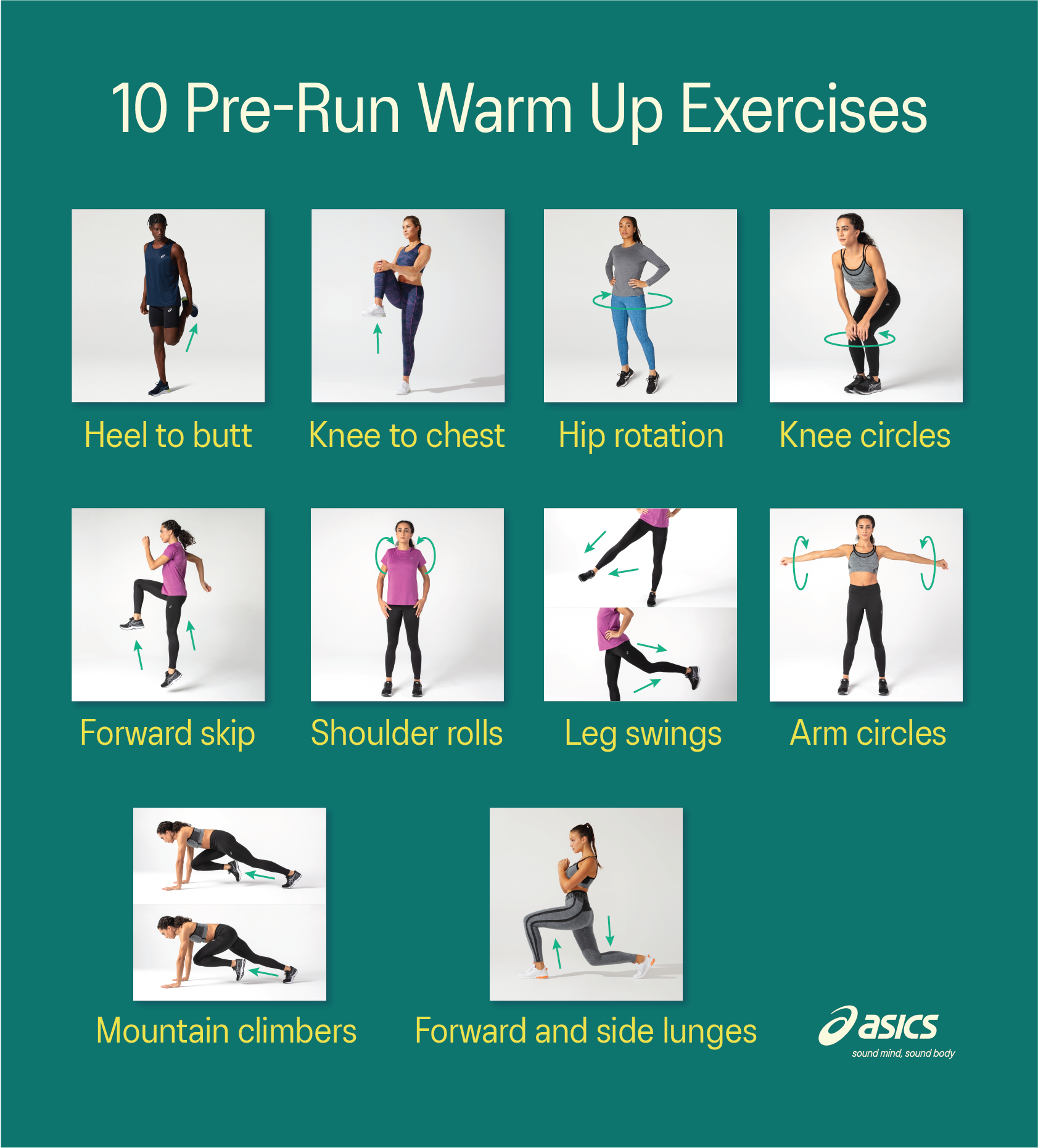
Stepping straight out the front door into a steady run feels efficient, but it forces cold tissue into high-impact loading. Muscles stiffen, tendons act like brittle rubber bands, and the nervous system scrambles to recruit stabilizers. As detailed in a recent Runner's World Report, skipping a warm-up creates compounding penalties as runners age, leading to sluggish early splits and nagging soft-tissue flare-ups. A structured pre-run sequence is not wasted time; it alters muscular compliance before the first footfall hits asphalt.
Modern sports physiology has shifted away from drawn-out stretching routines toward rapid neuromuscular priming. You do not need a twenty-minute trackside ritual. Five focused minutes of multi-planar movement elevate heart rate, recruit dormant stabilizers, and lubricate load-bearing joints. This approach turns heavy, disconnected opening miles into fluid, rhythmic running.
📌 Key Takeaways:
- The Core Mechanism: Dynamic mobility stimulates synovial joint lubrication and primes motor units without dampening muscle power.
- The Time Investment: A targeted 300-second sequence outperforms generic jogging and provides measurable runner's knee prevention.
- The Essential Sequence: Prioritize hip mobility exercises and glute activation before adding linear velocity.
Why Static Stretching Fails Before a Stride
For decades, track coaches told athletes to reach for their toes and hold calf stretches on curbs. Sports science has largely dismantled that practice. Holding prolonged static positions before aerobic activity reduces force production. When an athlete holds an isolated stretch past 30 seconds, the muscle-tendon unit experiences temporary mechanical laxity. This diminishes tendon stiffness, dulling the natural spring effect required to recycle ground reaction forces efficiently.
The static vs dynamic warmup debate is resolved by tissue thermodynamics. Static holds cool down muscle beds while an athlete stands idle on damp pavement. Dynamic stretching actively circulates oxygenated blood into working extremities. By continually cycling through active ranges of motion, core body temperature rises by 1°F to 2°F. That shift speeds nerve transmission, accelerates enzyme activity in skeletal muscle fibers, and increases the elasticity of surrounding fascial sheaths.
Joint mechanics also rely on movement rather than stillness. Articular cartilage contains no direct blood supply. It depends on compression and decompression cycles to distribute synovial fluid across the hip sockets, knees, and ankles. This process of joint lubrication reduces frictional resistance between cartilage plates. Running cold grinds dry surfaces together; moving dynamically coats them first.
The 5-Minute Pre-Run Activation Protocol
A functional warm-up moves from multi-joint mobility to target muscle firing, ending with aerobic priming. Execute these five movements consecutively without long pauses. Complete each exercise for 45 to 60 seconds.
1. Walking Lunges with a Torso Twist (60 Seconds)
Step forward into a controlled lunge, dropping the back knee toward the ground while keeping the torso upright. Rotate your upper body toward the lead leg, pause for one beat, push off the front heel, and step directly into the next lunge. This movement lengthens tight hip flexors on the trailing leg, restores thoracic mobility after desk work, and stabilizes the lead ankle.
2. Multi-Directional Leg Swings (60 Seconds)
Find a wall, signpost, or car hood for light balance support. Swing one leg forward and backward through a controlled arc for 30 seconds, focusing on hamstring mobility at the front of the swing and hip extension behind you. Turn to face the wall and swing that same leg laterally across your torso for 30 seconds to free up the adductors and abductors. Switch sides and repeat.
3. Standing Glute Activation Pulses (60 Seconds)
Prolonged sitting leaves posterior chain motor neurons dormant. Stand on one leg with a slight bend in the knee. Hinge slightly at the waist and extend the opposite leg straight backward, pulsing the heel upward to contract the gluteus maximus. Perform 15 pulses per side, then switch immediately to high knee holds to engage the deep hip flexors. Waking up the glutes ensures your hamstrings do not absorb excessive loading during initial ground contact.
4. High Skips and Butt Kicks (60 Seconds)
Transition from low-speed mobility to elastic recoil. Skip forward, driving one knee upward while snapping the foot toward the ground beneath your center of mass. Follow this with rapid butt kicks, focusing not on leaning forward, but on cycling the heel directly under the pelvis to dynamically stretch the quadriceps while engaging the hamstrings.
5. Progressive Cadence Strides (60 Seconds)
Finish with two 50-meter accelerations on the flat. Start at an easy jog, accelerate to roughly 80% of your maximum sprint pace over four seconds, and coast to a gentle deceleration. This final neuromuscular cue teaches your motor cortex to recruit fast-twitch fibers, stabilizing the pelvis before sustained running begins.
Evaluating Warm-Up Strategies and Biomechanical Return
Pre-run routines carry distinct physiological costs and mechanical benefits. Selecting the right method dictates early cadence economy and determines how well soft tissues manage eccentric load.
| Warm-Up Approach | Force Production Impact | Joint Readiness Score | Typical Time Window |
|---|---|---|---|
| Cold Departure (Zero Prep) | Baseline (high initial drag) | Extremely Low (dry friction) | 0 minutes |
| Passive Static Stretching | Decreased by 5%, 8% | Moderate (tissue laxity) | 8, 12 minutes |
| Targeted Dynamic Activation | Maintained or elevated (+2%) | Optimal (synovial saturation) | 5, 7 minutes |
| Indoor Stationary Cycling Priming | Neutral to elevated (+3%) | High (minimal impact loading) | 10, 15 minutes |
Cold Weather Running Prep and Thermoregulation
Winter running presents distinct physiological hurdles. Cold air pulls blood away from peripheral limbs toward vital internal organs. Vasoconstriction reduces the supply of warm blood to the achilles tendons, plantar fascia, and calf complexes. If you launch straight into freezing temperatures, connective tissues remain stiff and vulnerable to micro-tearing during the eccentric braking phase of each step.
Outdoor winter conditioning begins in the entryway. Complete dynamic movements inside before stepping onto icy pavement. As endurance guides from Treeline Review emphasize for sub-freezing runs, breaking a light sweat indoors prevents the shock of sharp, sub-zero air on unprepared bronchial tubes. Spend 3 to 4 minutes cycling through bodyweight squats, ankle rotations, and gentle jumping jacks in a hallway. You should feel slight skin warmth before touching the doorknob.
When running in icy conditions, warm ankle stabilizers thoroughly. Uneven, frozen terrain forces rapid, unexpected pronation and supination. Without pre-activation, the peroneal muscles cannot react quickly enough to catch sudden lateral slips, dramatically raising the risk of severe lateral ankle sprains.
Shielding the Kinetic Chain from Runner's Knee
Patellofemoral pain syndrome, commonly called runner's knee, is rarely an isolated knee problem. It is usually a mechanical issue caused by poor hip stabilization and weak glute recruitment. When the gluteus medius fails to support the pelvis, the femur rotates internally. This causes the kneecap to track improperly against the femoral groove under repetitive impact.
Dynamic walking lunges, paired with lateral hip circles, create active pelvic control before repetitive ground impact occurs. By firing the lateral hip stabilizers prior to running, you maintain a neutral knee axis when landing. This single mechanical adjustment reduces patellar sheer stress across thousands of continuous footstrikes.
Hamstring compliance also protects the knee joint. Hamstrings act as the primary deceleration brake during the swing phase of running. If they are stiff or unprimed, the quadriceps pull the patella forcefully upward, creating anterior joint irritation. Rhythmic leg swings encourage the hamstrings to accept reciprocal inhibition, allowing the knee to track smoothly without friction.
Frequently Asked Questions (FAQ)
Q1: Is a warm-up necessary before an easy recovery run?
Yes. Recovery runs aim to promote tissue repair and clear metabolic waste, not add mechanical stress. Running on cold muscles places higher strain on tendons. A short, three-minute dynamic sequence ensures your stride stays light and natural, rather than plodding and heavy.
Q2: When should I do static stretching?
Save static stretches for post-run recovery or standalone mobility sessions. When muscles are warm, holding positions for 30 to 60 seconds helps down-regulate the nervous system, lower resting muscle tone, and restore structural length to the quadriceps, calves, and hip flexors.
Q3: What if I only have 60 seconds to spare?
Prioritize walking lunges and leg swings. This combination targets the major movement axes of running: hip extension, hip flexion, and thoracic counter-rotation. Thirty seconds of each will prime the kinetic chain far better than stepping cold straight into a jog.
Mastering the Pre-Run Habit
Consistency builds resilient runners. A five-minute dynamic sequence is not lost mileage; it is an investment in clean mechanics, muscle activation, and durable joints. Dedicating 300 seconds to smart movement protects you from persistent soft-tissue injuries that can sideline you for months.
Make this protocol a non-negotiable step in your training. Lace your shoes, step through the dynamic movements, and hit your first stride fully primed. Your joints, pace, and stride will reflect the preparation.


