Ice Age Baby Lore Explained: From 2002's Roshan to Baby Scrat in Boiling Point

When Disney and 20th Century Animation unveiled the first look at Ice Age: Boiling Point at CinemaCon, industry insiders expected nostalgic quips about melting glaciers and acorn chases. Instead, the footage reignited a persistent piece of internet folklore: the saga of the Paleolithic human child known to fans as the Ice Age baby. Audiences have maintained a bizarre obsession with Pleistocene fauna and survival stories for over two decades, mirrored in real-world science where discoveries like Yukon ice-age cheetah bones detailed in a CBC Report consistently capture global imagination. In animation, however, human survival took a backseat to comic slapstick long ago.
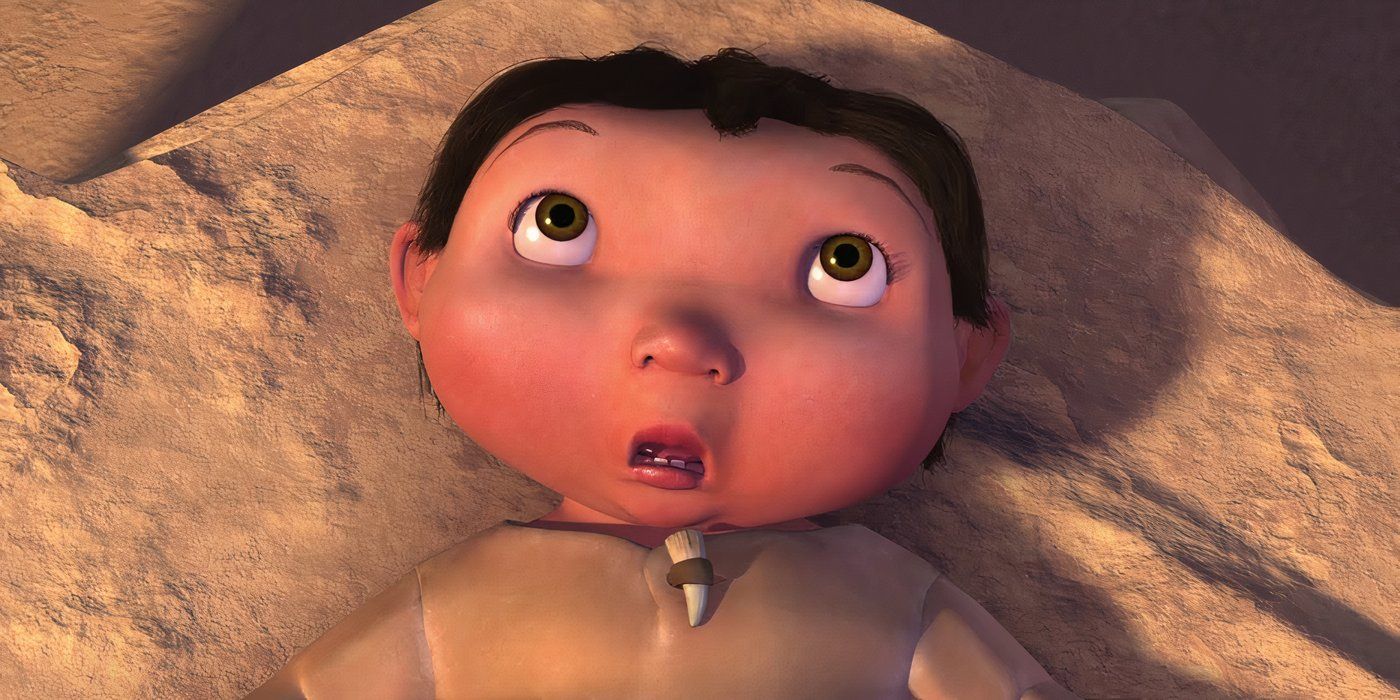
The original 2002 classic rested entirely on human vulnerability. The child, named Roshan in development notes and production scripts, served as the emotional engine that forced a cynical mammoth, a chatty ground sloth, and a conflicted saber-tooth tiger to become a family. Twenty-four years later, with franchise expansions, viral meme campaigns, and new theatrical reveals, the legacy of that baby remains one of the weirdest artifacts of digital culture.
📌 Key Takeaways:
- The Narrative Core: Roshan, the infant from the Runar human tribe, provided the foundational plot stakes of the original 2002 film before humans vanished from the franchise entirely.
- The Viral Resurgence: A bizarre wave of surreal irony transformed the toddler into the internet's favorite satirical villain during the early 2020s, generating millions of views across Reddit, X, and YouTube.
- The Franchise Horizon: CinemaCon footage confirms Ice Age: Boiling Point extends the storyline into extreme climate volatility, shifting juvenile comic relief toward Baby Scrat and younger herd dynamics.
The 2002 Catalyst: How Roshan Built the Unlikely Herd
The original Ice Age 2002 plot had teeth. Directed by Chris Wedge and Carlos Saldanha, the film positioned humanity as an active threat rather than a background novelty. The Runar human tribe hunted apex predators for fur and food, triggering a vicious blood feud with the Soto saber-tooth pack. When Soto ordered Diego to steal the tribal chief’s newborn son as retribution, the ambush set the entire story into motion.
Roshan’s mother leaped into a freezing waterfall to shield him from the big cats. Her desperate act left the infant in the path of Manfred (Manny) and Sid. Manny carried deep trauma from the slaughter of his own mate and calf by human hunters. Protecting this child forced him to confront that loss head-on. Without the baby, Manny remains an isolated misanthrope, Sid starves or gets trampled, and Diego stays loyal to Soto's predatory circle. The baby gave disparate loners a shared moral objective.
Blue Sky Studios animators deliberately gave Roshan oversized eyes and exaggerated proportions to offset the uncanny valley limitations of early computer-generated imagery. Production designer Peter de Sève designed the humans with stylized, weathered features reminiscent of Neanderthal portraits. Yet, once the herd returned Roshan to his father at the mountain pass, the human element evaporated from the franchise forever. The creators recognized that keeping humans around grounded the storytelling in realistic peril, whereas future sequels required cartoon physics.
Behind the Hate Campaign: The Anatomy of a Viral Shitpost
Internet culture does not treat legacy intellectual property with reverent silence. In early 2020, an obscure YouTube comment spiraled into one of the most aggressive satirical hate campaigns in meme history. The target was Roshan.
Users weaponized the character’s early-2000s CGI design, branding him grotesque, arrogant, and disproportionately massive. A popular fan calculation circulated across Reddit and TikTok claimed that based on Manny's real-world mammoth height, the baby stood 6 feet 10 inches tall and weighed over 175 pounds. While scientifically absurd given the film's stylized scaling, the claim fueled thousands of parody posts calling for Roshan’s immediate fictional execution.
Facebook groups titled "I hate the Ice Age baby" amassed over 100,000 members in weeks. Clips of Roshan laughing or learning to walk were recut with violent explosions, heavy metal soundtracks, and mock trial footage. Why did a gentle animated toddler receive such venomous mockery? The trend operated as deadpan absurdity. By treating a harmless, fictional infant as an existential threat to humanity, Gen Z creators found an endless well of surrealist humor that kept the 2002 film trending long after its theatrical run.
The Franchise Evolution: From Grim Survival to High-Concept Slapstick
The tone of the series changed dramatically after the initial box-office success. As the box office numbers climbed past $3.2 billion across five theatrical releases, the grim survivalist tone of the first entry melted away in favor of colorful family spectacles.
| Film / Project | Release Window | Core Youth Figure | Primary Narrative Focus |
|---|---|---|---|
| Ice Age | 2002 | Roshan (Paleolithic Human) | Survival, pack betrayal, tribal reunion |
| The Meltdown | 2006 | Crash & Eddie (Juvenile Opossums) | Glacial collapse, mammoth extinction anxieties |
| Dawn of the Dinosaurs | 2009 | T-Rex Hatchlings / Peaches (Infant) | Subterranean worlds, adoptive parenting |
| Continental Drift | 2012 | Peaches (Adolescent) | Plate tectonics, teenage independence, pirates |
| Ice Age: Scrat Tales | 2022 | Baby Scrat | Parental rivalry, slapstick nut-hoarding |
| Ice Age: Boiling Point | Upcoming theatrical | Next-Gen Herd Descendants | Extreme heating events, continental shifts |
The progression reflects an animation studio shifting from experimental realism toward broad-appeal franchise mechanics. The gritty snowfields of 2002 gradually yielded to pirate ships, alien spacecraft, and subterranean tropical jungles, shedding the vulnerable weight of the human world.
Baby Scrat and the Shifting Mascot Dynamics
When Blue Sky Studios shuttered its doors in 2021 following Disney’s acquisition of 21st Century Fox, animators left behind one final gift: Ice Age: Scrat Tales. The series introduced Baby Scrat, completely changing the franchise's concept of an infant character.
Unlike Roshan, who served as a moral compass for the adults around him, Baby Scrat operated as a chaotic, Machiavellian foil. Scrat’s paternal instincts were constantly tested against his primal lust for the acorn. Whenever Scrat chose affection, the cunning baby exploited that vulnerability to steal the prize. The shorts relied purely on pantomime humor, drawing critical praise for capturing the vintage Looney Tunes energy that made the original side gags famous.
Baby Scrat provided an infant character that modern audiences actually celebrated rather than satirized. The dynamic offered high-energy physical comedy without the sentimental weight of human drama. It proved that audiences enjoyed juvenile characters most when they amplified chaos instead of slowing down the pacing.
The CinemaCon Footage Reveal: What Boiling Point Means for the Herd
CinemaCon audiences received their first concrete look at the next chapter with the official teaser for Ice Age: Boiling Point. Reports from Deadline and Collider confirmed that the property remains a priority for Disney's theatrical slate, returning the core cast after a decade away from theatrical screens.
The presentation revealed an environment radically destabilized by hyper-accelerated climate shifts. Geysers, shifting volcanic rifts, and drying waterways frame the narrative backdrop. Manny, Sid, and Diego appear older, navigating a landscape where the cold security they spent years defending has vanished. Notably absent from the reveal were any human footprints, closing the door on theories that Roshan might make an adult appearance.
Instead, the footage centered on cross-generational comedy within the herd. Sid’s chaotic guardianship instincts and Manny’s protective patriarch status continue to drive the emotional core. While the studio leans heavily into physical comedy, the underlying threat of habitat destruction grounds the stakes, echoing the environmental urgency of the earliest entries.
Frequently Asked Questions (FAQ)
Q1: What is the official name of the Ice Age baby?
A1: In the film's script and official production notes, the baby is named Roshan. He is never referred to by name in spoken dialogue on screen, where characters simply call him "the baby" or "Junior."
Q2: Why did the internet turn against the Ice Age baby in 2020?
A2: The hate campaign was an absurdist satire. Online communities mocked his early-2000s CGI character model and facial expressions, creating exaggerated memes that treated the harmless infant as an all-powerful supervillain.
Q3: Will Roshan appear in Ice Age: Boiling Point?
A3: No. The CinemaCon footage reveal and studio production notes indicate that Ice Age: Boiling Point focuses exclusively on the animal herd and their descendants navigating extreme climate rifts, without humans.
Q4: Why did Blue Sky Studios eliminate humans from the sequels?
A4: Directors found that human characters forced the story toward grounded historical drama and realistic survival perils. Removing humans allowed the franchise to embrace wilder slapstick, prehistoric action, and anthropomorphic animal adventures.
The Lasting Legacy of Blue Sky's Human Element
The original 2002 adventure remains unique because of its vulnerability. By putting a human baby in the care of natural rivals, Blue Sky Studios discovered the emotional heart of an unlikely family. Later entries expanded the box office, added colorful sidekicks, and embraced absurd cosmic stakes, yet the original emotional core remains unmatched.
Meme culture may treat Roshan as an object of internet satire, but his narrative role remains rock-solid. He gave Manfred a reason to live, turned Sid into a protector, and taught Diego empathy. As the franchise steps into another theatrical era with Boiling Point, that strange little bundle of furs remains the bedrock that kept the entire herd alive.


