Inside the New TikTok Studio Desktop Upload Suite: Symphony AI in Action

Desktop posting on TikTok used to feel like an afterthought, defined by a stripped-down browser interface that lacked mobile editing features and forced creators to juggle third-party tools. That fragmented setup changed this year as ByteDance rolled out major upgrades to TikTok Studio desktop upload. With direct integration of the Symphony AI agent and video generation models, the browser console now functions as an end-to-end command center for social production and performance marketing. According to analysis from the thekeyword.co Report on enterprise tooling, the platform's focus has moved past manual uploading toward automated campaign creation and asset optimization.
📌 Quick Summary:
- The Platform Shift: The upgraded TikTok Studio desktop portal combines raw media staging, native AI rendering, and direct commerce tracking in a single browser window.
- The Core Engine: Integration with Seedance 2.5 expands automated generation into full 30-second multi-scene clips with native voice synthesis and auto-framing.
- The Creator Impact: Teams can execute bulk video scheduling and launch conversion funnels directly from desktop monitors without handling mobile devices.
How Desktop Publishing Broke Free From Mobile-First Constraints
For years, social media managers relied on clunky workarounds. Editing took place in desktop suites like Premiere Pro or DaVinci Resolve, files were exported to cloud storage, and videos were manually downloaded to smartphones just to access native trending audio, stickers, and commercial tags. The web uploader existed, but it stripped away algorithmic optimization hooks, frequently compressed video bitrate poorly, and restricted access to commerce features.
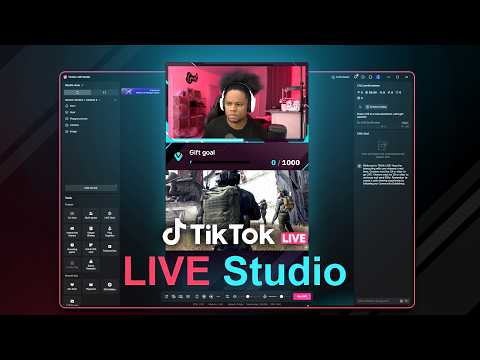
ByteDance rebuilt the desktop pipeline around production efficiency. The modern creator upload workflow treats the desktop monitor as the natural home for long-range content planning. Instead of mimicking a vertical smartphone interface inside a browser frame, the dashboard expands into a multi-column workspace. Creators can drag uncompressed master files directly into staging queues, check audio clearing rights in real time, and adjust aspect ratios with precision safe-zone overlays designed for varied screen sizes.
This architectural shift aligns with how production teams operate. Creative agencies, brand publishers, and solo media entrepreneurs rarely edit on phones. By establishing parity between mobile capabilities and desktop tools, the platform eliminated steps that previously caused rendering bottlenecks and workflow delays.
Inside the Symphony AI Integration and the Seedance 2.5 Engine
The primary driver behind this workflow upgrade is the Symphony AI agent, operating directly inside the browser-based TikTok creative studio. Rather than functioning as a standalone text prompt generator, the agent works contextually alongside content staging. It reads uploaded raw video files, identifies transcript breaks, detects brand assets, and suggests optimal cutting points tailored to audience retention curves.
Powering this system is the Seedance 2.5 video engine. Industry coverage by PPC Land documented that the Seedance 2.5 rollout enables automated generation of high-definition 30-second video segments. Early AI video generators produced disjointed three-second snippets that suffered from obvious visual glitches, but this system maintains character and stylistic consistency across multiple scenes. Users provide asset inputs, such as product photography, an audio hook, or a raw voice track, and the engine renders complete creative options with synchronized dialogue, dynamic subtitles, and smooth scene cuts.
In practice, video ad automation runs without leaving the browser tab. Marketing teams input product URLs from their commerce catalogs, select their campaign goals, and let the software assemble variant creatives. The agent drafts hook copy, overlays dynamic call-to-action cards, and runs policy compliance checks against advertising standards before a media buyer ever submits the final schedule.
The Evolution of Desktop Posting Capabilities
Publishing on TikTok has evolved from a basic single-file upload box into a multifaceted commercial control panel. The timeline below illustrates how desktop features advanced across key platform milestones.
| Phase / Era | Core Upload Capability | Operational Bottlenecks |
|---|---|---|
| Legacy Browser (2020, 2022) | Basic MP4/WebM file posting, simple caption entry, cover thumbnail frame selection. | No audio licensing library, no scheduling calendar, frequent video bitrate degradation. |
| Initial Web Center (2023, 2024) | Basic scheduling, basic analytics monitoring, manual commercial rights confirmation. | Zero in-browser video manipulation; creators forced back to mobile for interactive stickers and Shop tags. |
| Symphony Era (2025, 2026) | Seedance 2.5 generative rendering, batch scheduling, automated funnel conversion mapping. | Requires tight oversight to prevent generic AI visual framing across brand campaigns. |
This timeline highlights a clear trend. The interface has evolved from an emergency backup for lost mobile devices into the primary workspace for performance teams managing complex video schedules.
Streamlining Operations with Bulk Scheduling and Conversion Tools
Managing high-volume publishing across multiple channels creates real operational hurdles. The modern desktop portal solves this through robust bulk video scheduling. Operational leads can configure up to 30 days of queued content, setting publication times down to the minute across specific international time zones. The batch editor lets managers upload a dozen video masters simultaneously, applying sound tags, disclosure labels, and accessibility subtitles across the batch in minutes.
The system connects these scheduling workflows directly to conversion goals. As detailed by Social Media Examiner, the platform's all-in-one conversion funnel links organic video views directly to paid promotion and retail operations. Within the staging module, users can attach native product anchors, lead capture cards, and interactive app install cards before publishing.
When combined with the built-in desktop analytics suite, retention patterns become instantly actionable. If an account manager spots a drop-off at the 4-second mark across a specific series, they can use the desktop interface to trim the front hooks of pending scheduled assets. This feedback loop bridges creative changes and performance analytics, helping teams optimize active campaigns quickly.
Monetization Workflows and the Real Risks of Automated Content
The monetization structure within the desktop suite ties organic viewership directly into TikTok creator monetization channels and paid advertising models. The platform allows creators to link published uploads into the Creator Rewards Program, check copyright clearance against commercial audio databases, and grant spark ad authorization codes from one settings page. Marketing4eCommerce emphasized this shift, noting that marketing teams now run programmatic ad variants directly through browser workflows without manually handling individual asset approvals.
This level of automation brings real challenges. While AI video generation cuts production overhead, relying heavily on automated rendering can yield generic content that fails to connect with audiences. TikTok's algorithmic feed favors personal delivery, conversational pacing, and genuine human interaction. Renders produced purely through script generation tools risk triggering algorithmic spam flags or alienating communities that value unpolished, relatable creators.
Creative directors must strike a balance. Top teams use automated campaign creation for time-consuming background tasks, generating alternate aspect ratios, burning accurate multi-language captions, and testing secondary thumbnail variations, while keeping human talent front and center for core video messaging.
Frequently Asked Questions (FAQ)
Q1: Can I access the Symphony AI agent features using a free personal TikTok account?
A1: Basic upload scheduling and standard desktop analytics are open to all registered accounts. However, deep generative capabilities through Seedance 2.5 and automated commercial script rendering require a TikTok Business account or verified enrollment in the Creative Studio partner tier.
Q2: Does uploading high-bitrate video via desktop harm organic reach compared to mobile app posting?
A2: No. Historical compression penalties for desktop uploads have been resolved. The current pipeline supports files up to 4K resolution at 60 frames per second, running audio checks and safe-zone validations that match mobile publishing quality.
Q3: How do automated disclosures work for Seedance 2.5 video generation?
A3: The platform enforces algorithmic transparency rules. Any clip built using generative AI tools automatically applies the platform's mandatory synthetic content disclosure tag during export, preventing manual bypasses and keeping accounts compliant with platform policies.
Managing Creator Workflows in the Automated Media Environment
The revamped desktop upload experience marks a clear transition for the platform. By pairing generative editing tools with bulk scheduling, ByteDance transformed a basic web uploader into an enterprise-grade production console. Video teams no longer have to jump between third-party schedulers, external cloud folders, and mobile screens to launch campaigns.
Efficiency, however, does not replace editorial judgment. Automated video tools and instantaneous campaign deployments can flood accounts with soulless visual clutter if left unchecked. Successful teams treat the platform's desktop suite as an operational lever, using automated systems to handle mechanical tasks while preserving the personality, authentic perspective, and original creative choices that capture attention.


