Is 'Eat Zucchini' Real Slang? Fact-Checking the Viral Urban Dictionary Rumor
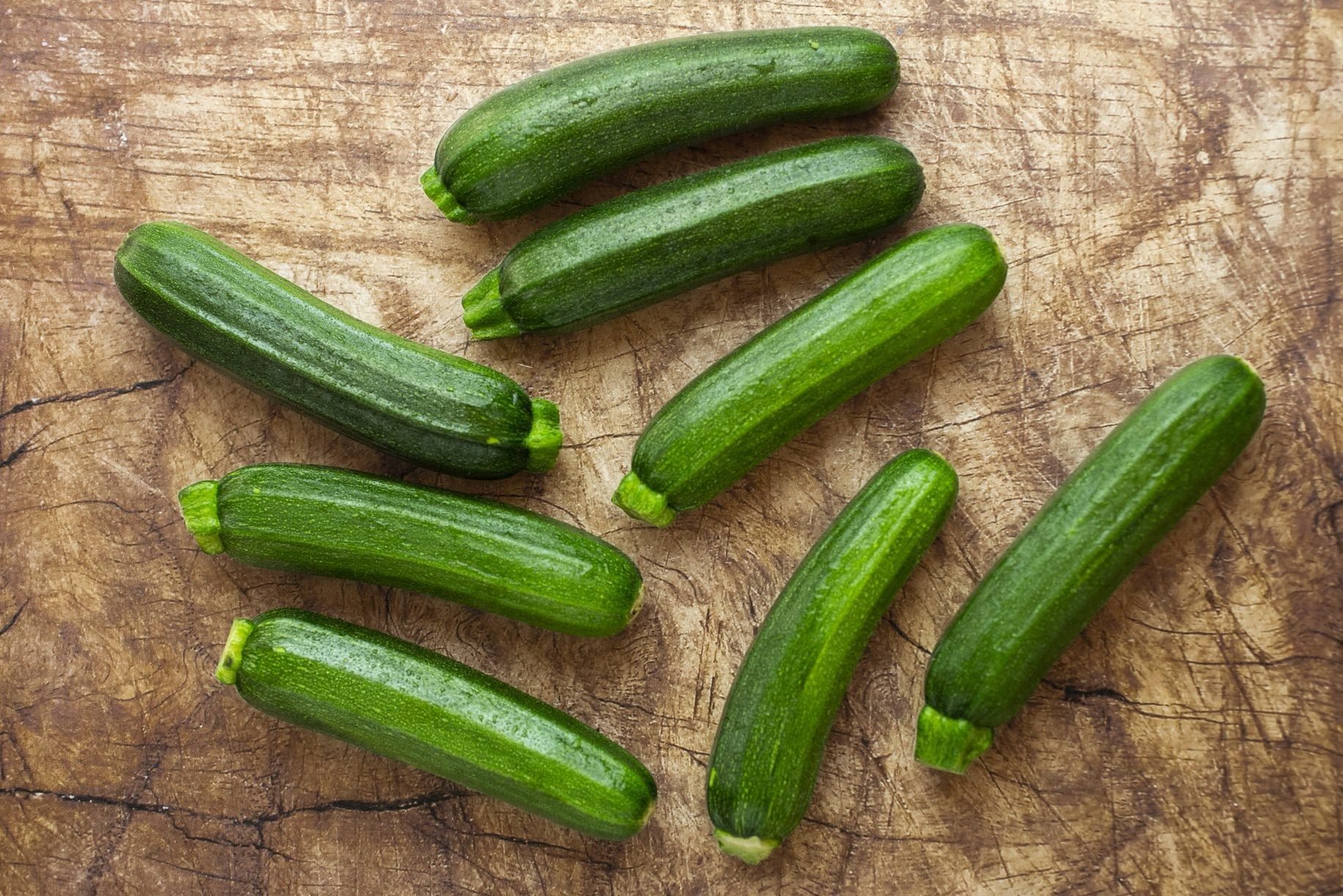
When global girl group KATSEYE dropped their biting track "Internet Girl," social media algorithms latched onto a single, bizarre phrase: "eat zucchini." Within forty-eight hours, search queries spiked across TikTok, Reddit, and Urban Dictionary as listeners scrambled to figure out whether the line was a vulgar sexual euphemism, an obscure Gen Z insult, or pure absurdist humor.
The frantic search for a hidden meaning exposed the strange mechanics of modern online vernacular. According to an investigative lyric breakdown by the Auralcrave Report, the phrase is not an established, historical piece of street slang at all. Instead, it serves as a deliberate piece of pop satire aimed squarely at comment-section brainrot, illustrating how easily algorithmic curiosity can manufacture a viral linguistic mystery out of thin air.
📌 Key Takeaways:
- The Core Origin: The phrase exploded in early January 2026 following the release of KATSEYE's track "Internet Girl," where it functions as a dismissive, surrealist clapback rather than established street slang.
- Urban Dictionary Reality: Crowdsourced dictionary definitions claiming the term is a long-standing explicit euphemism were largely retrofitted by users after the song gained traction.
- The Editorial Verdict: "Eat zucchini" is an intentional piece of algorithmic bait, a nonsensical insult designed to mock toxic internet habits and ignite search engine speculation.
The KATSEYE Lyric Sparking Mass Confusion
Pop lyrics have always relied on double entendres, but "Internet Girl" arrived with a distinct focus on online dysfunction. The track targets the relentless surveillance, parasocial hostility, and arbitrary judgment that young women endure in digital spaces. When the vocalists deliver the line instructing detractors to "eat zucchini," listeners immediately assumed they were missing an inside joke.
Comment sections on TikTok split into distinct camps. Older listeners assumed it was brand-new teenage slang they had aged out of understanding. Younger fans scrambled to define it before anyone else did, creating short-form videos analyzing facial expressions in the music video for clues. The search volume climbed rapidly because the lyric sits at the intersection of phonetic catchiness and total semantic ambiguity. It sounds like it ought to mean something illicit, so people assumed it did.
Urban Dictionary and the Mirage of Pre-Existing Slang
The instinct of modern internet users confronted with unfamiliar phrasing is to check Urban Dictionary. Within hours of the song's circulation, user-submitted entries began multiplying on the platform. The definitions ranged from explicit physical acts involving phallic green vegetables to retroactive claims that the phrase meant telling someone to "choke on their own words."
This dynamic illustrates how crowdsourced glossaries manufacture false linguistic history. Anyone can submit an entry to Urban Dictionary, and when an ambiguous phrase trends on TikTok, opportunistic contributors rush to supply salacious explanations that farm upvotes. A rigorous audit of historical digital archives reveals zero meaningful usage of "eat zucchini" as an established idiom prior to the track's release. The supposedly ancient street definition was an illusion created in real time to satisfy a sudden wave of Google searches.
Evaluating Viral Pop Euphemisms Across Recent Releases
To understand why this specific phrase triggered such intense debate, it helps to examine how contemporary songwriters deploy food imagery, absurdist metaphors, and intentional ambiguity to generate social media discussion.
| Viral Phrase | Primary Cultural Source | Actual Verified Meaning |
|---|---|---|
| "Eat Zucchini" | KATSEYE, "Internet Girl" (2026) | Absurdist dismissal mocking toxic social media comments; no prior slang lineage. |
| "Bite the Apple" | Pop/R&B vernacular (2023, 2025) | Biblical temptation metaphor denoting yielding to unhealthy desires or risky relationships. |
| "Touch Grass" | Gaming & Twitch communities (2020, 2024) | Direct directive instructing chronic online users to disconnect and return to reality. |
| "Spill the Tea" | Black Drag Ballroom Culture (1990s, Present) | Sharing confidential gossip or authentic personal truth, widely absorbed into mainstream slang. |
Linguistic Mechanics of the Lyric Breakdown
Songwriters crafting tracks for the streaming era understand phonetics. Harsh consonants, open vowel sounds, and rhythmic unpredictability stick in a listener's ear far better than conventional phrasing. In "Internet Girl," the pairing of "eat" with "zucchini" functions on multiple linguistic levels:
First, it mimics the cadence of classic playground insults. Telling someone to "eat dirt" or "eat shorts" carries an inherently childish, dismissive energy. Substituting a bitter, watery summer squash deflates the seriousness of whatever critic the singer is addressing. It tells the listener that the online trolls do not warrant an elevated poetic retort.
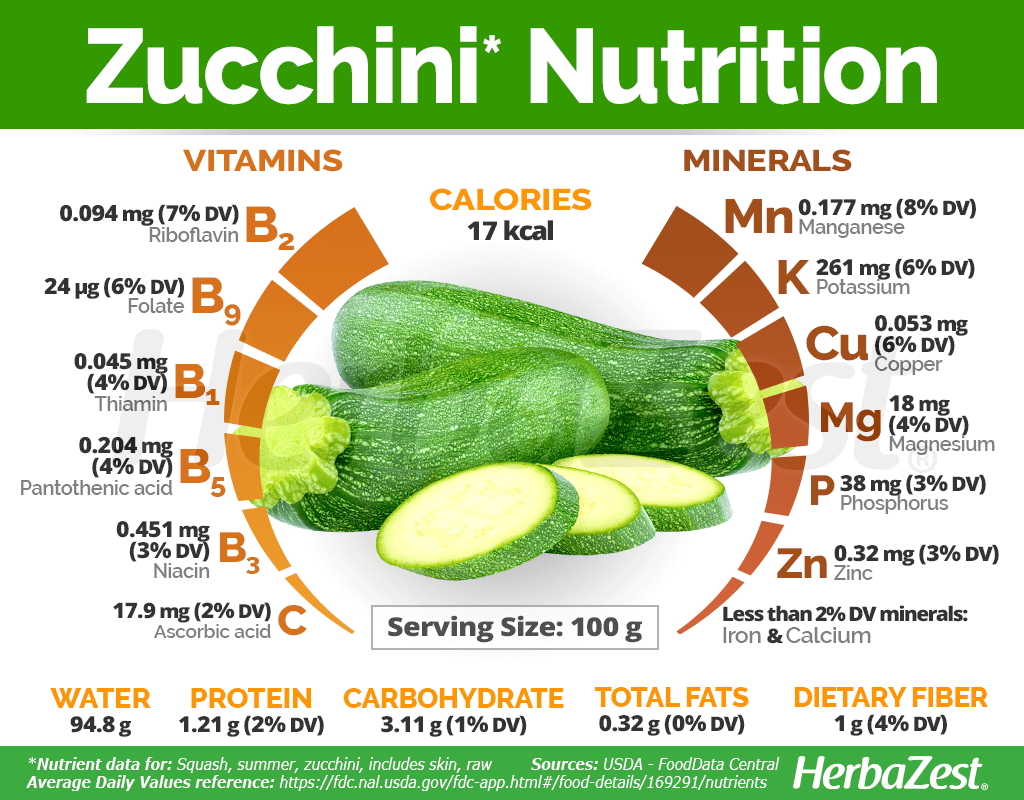
Second, the vegetable emoji economy has conditioned audiences to read produce as inherently anatomical. The eggplant emoji represents male genitalia, while the peach represents buttocks. The zucchini sits directly adjacent to the eggplant in casual visual shorthand. By selecting an alternate green vegetable that lacks a codified emoji double entendre, the lyricist toys with listener expectations. Audiences instinctively search for a dirty punchline, only to find an absurd dead end.
How TikTok Amplifies Phantom Vocabulary
The rapid spread of "eat zucchini" highlights how recommendation engines create demand for linguistic consensus where none exists. On TikTok, content creators gain significant engagement by "explaining" things that confuse the public. If thousands of users search for an explanation, producing an authoritative-sounding video, even one built on fabricated trivia, is rewarded with algorithmic traffic.
Dozens of creators filmed themselves whispering conspiratorially into lapel mics, claiming the lyric was an obscure reference to niche dating app vernacular. Others argued it referenced specific regional dietary insults. None of these claims held up under basic fact-checking, yet they accumulated millions of collective views. The feedback loop became entirely self-sustaining: curiosity drove search, search drove speculative content, and speculative content convinced listeners the phrase was a genuine cultural artifact.
Frequently Asked Questions (FAQ)
Q1: Is "eat zucchini" an explicit double entendre in the song?
A1: No verified evidence supports an explicitly crude meaning. While listeners often associate elongated vegetables with suggestive emojis, the writers use the phrase as an absurdist, dismissive brush-off aimed at online trolls.
Q2: Did "eat zucchini" exist as real slang before KATSEYE released "Internet Girl"?
A2: No. Historical lexical archives, sociolinguistic databases, and social media records show no consistent usage of the phrase as an idiomatic expression prior to the release of the track in early 2026.
Q3: Why are there sexual definitions for the phrase on Urban Dictionary?
A3: Urban Dictionary entries are entirely user-submitted and unmoderated. Following the viral surge of the song, anonymous contributors submitted inventive, explicit definitions to capitalize on trending search queries.
The Pop Music Playbook for Algorithmic Attention
The viral trajectory of "eat zucchini" reveals how the music industry now navigates digital culture. Direct, obvious lyricism often washes over casual listeners without leaving an impression on the algorithmic systems that govern discovery. By dropping an ambiguous, slightly jarring phrase into an upbeat track, artists create an interactive puzzle.
The song stops being merely something to stream; it becomes an active conversation topic across platforms. Fans argue over the intended message, creators build content around the controversy, and casual onlookers run searches to ensure they are not missing out on modern slang. In the end, the phrase means exactly what it sounds like: a surreal, nonsensical dismissal that tricked the internet into doing the promotional work for free.


