Is the Disney Fairies Franchise Truly Over? Fact-Checking Tinker Bell's Legacy and Roster
For nearly a decade, the shimmering canopy of the Pixie Dust Tree anchored one of the most profitable character-driven empires in children’s media. Backed by home video sales, video games, books, and merchandise, Disney turned a silent sidekick from 1953’s Peter Pan into the commander of a self-contained cinematic ecosystem. Yet, a decade after the release of Tinker Bell and the Legend of the NeverBeast (2014), the animated series remains frozen in place. While Disney recently retooled its production slate following notable box-office turbulence, as detailed in an imdb.com report tracking project cancellations following theatrical underperformances like Strange World and Wish, the fairy universe disappeared far earlier, leaving an entire generation curious about the names, talents, and sudden retirement of Pixie Hollow’s resident flyers.
📌 Quick Summary:
- The Lineup: The primary Disney Fairies core cast centers on Tinker Bell alongside Silvermist, Rosetta, Iridessa, Fawn, Vidia, and Periwinkle, each governing distinct elemental talents within Pixie Hollow.
- Why Production Ceased: Direct-to-consumer home entertainment divisions collapsed during the mid-2010s, prompting DisneyToon Studios to wind down and eventually shutter in 2018.
- Current Status: Disney retired the narrative universe from active animation, migrating Tinker Bell back to legacy merchandising while leaving the auxiliary fairy ensemble inactive.
The Origin and Dissolution of the Pixie Hollow Enterprise
The Disney Fairies franchise began not on a movie screen, but in print. In 2005, author Gail Carson Levine published Fairy Dust and the Quest for the Egg, an illustrated novel commissioned to flesh out the world on the outskirts of Never Land. Disney Consumer Products quickly saw the potential. The company needed a commercial counterweight to its wildly successful Disney Princess line, which target-marketed royalty to young girls. Tinker Bell provided an immediate anchor: an established character who possessed edge, mechanical ingenuity, and zero desire to marry a prince.
Disney originally planned to slot Tinker Bell into the official Disney Princess lineup. However, brand managers realized that her presence compromised the visual harmony and narrative logic of the royal court. As reported by Mental Floss, Tinker Bell and Esmeralda were quietly removed from the official Disney Princess roster during the 2000s when executives concluded that Tinker Bell’s standalone brand power could support an independent merchandise empire. The result was Pixie Hollow, an intricate society complete with seasonal courts, guild structures, and distinct job classifications.
Under John Lasseter’s creative stewardship at Pixar and Walt Disney Animation, the concept transitioned to feature-length computer animation. DisneyToon Studios was tasked with building the series. Between 2008 and 2014, the studio delivered six full-length films and two television specials. The project was not a low-budget exercise; each installment carried production values rivaling mainline theatrical releases, utilizing lush orchestral scores and star-studded voice casts.
Every Major Fairy in the Pixie Hollow Roster
The appeal of Pixie Hollow rested on its clear, RPG-style division of labor. Fairies did not simply cast generic spells. They belonged to precise talent guilds that managed the balance of nature across the mainland. At the center was Tinker Bell, whose natural inclination toward metalwork, invention, and tinkering broke the traditional mold of dainty storybook spirits.
Tinker Bell (Tinker Talent): Outspoken, impatient, and mechanically gifted, Tinker Bell fixes broken tools and invents contraptions using lost things from the mainland. Voiced by Mae Whitman throughout the animated films, she serves as the emotional bridge between fairy tradition and radical innovation.
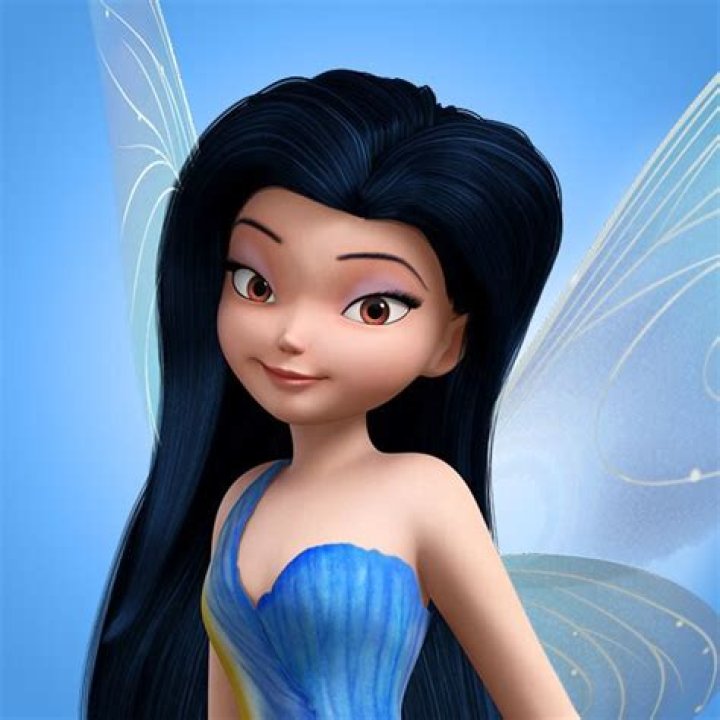
Silvermist (Water Fairy): Easygoing, deeply empathetic, and occasionally absent-minded, Silvermist manipulates water in all its forms. Whether creating dew drops, carving streams, or guiding whirlpools, her fluid approach to life often acts as a calming influence on Tinker Bell’s short temper. She was voiced by Lucy Liu.
Rosetta (Garden Fairy): Hailing from the southern regions of Pixie Hollow, Rosetta possesses an exquisite sense of aesthetics and an intense aversion to mud, despite her botanical duties. She dresses in rose petal gowns, cultivates blossoms, and speaks with a signature southern drawl, voiced originally by Kristin Chenoweth and later by Megan Hilty.
Iridessa (Light Fairy): Analytical, disciplined, and cautious, Iridessa manipulates light beams, paints rainbows, and trains fireflies. As voiced by Raven-Symoné, she often serves as the voice of reason, dreading the chaos that inevitably follows Tinker Bell’s unsanctioned experiments.
Fawn (Animal Fairy): Mischievous, athletic, and fiercely protective of wild beasts, Fawn communicates directly with creatures of all sizes. Voiced by America Ferrera and later Ginnifer Goodwin, Fawn’s unyielding empathy took center stage in the franchise's final movie, driving the plot when she rescued the misunderstood NeverBeast.
Vidia (Fast-Flying Fairy): Marked by her violet plumage, sharp tongue, and competitive streak, Vidia can summon fierce gusts of wind and outfly any creature in Never Land. Voiced by Pamela Adlon, she started as Tinker Bell’s bitter rival before developing into a begrudgingly loyal protector of the group.
Periwinkle (Frost Fairy): Introduced in the 2012 film Secret of the Wings, Periwinkle lives across the border in the Winter Woods. Voiced by Lucy Hale, she was revealed to be Tinker Bell’s twin sister, born from the exact same baby's laugh, specializing in frost patterns and sub-zero survival.
Supporting this ensemble were authority figures and comedic working-class fairies. Queen Clarion (voiced by Anjelica Huston) ruled Pixie Hollow with regal composure, while Clank and Bobble provided slapstick humor as Tinker Bell’s bumbling guild brothers. Together, this structure provided an endlessly repeatable formula for seasonal storytelling.
The Production Run: Films, Dates, and Box Office Transitions
The operational engine behind the Disney Fairies line was direct-to-video home media, supplemented by limited overseas theatrical releases. When the first film arrived in October 2008, DVD sales were still a multi-billion-dollar business. As physical retail declined throughout the 2010s, DisneyToon Studios faced shrinking margins on high-budget home releases.
| Release Year | Film Title | Distribution Model | Key Franchise Development |
|---|---|---|---|
| 2008 | Tinker Bell | Direct-to-DVD / International Theatrical | Establishes Pixie Hollow and core elemental guilds |
| 2009 | Tinker Bell and the Lost Treasure | Direct-to-DVD / International Theatrical | Expands outer Never Land lore and Blue Pixie Dust mechanics |
| 2010 | Tinker Bell and the Great Fairy Rescue | Direct-to-DVD / International Theatrical | First direct interaction between the fairy core and human mainland |
| 2012 | Secret of the Wings | Hybrid Limited Theatrical / Blu-ray | Introduces Periwinkle and the Winter Woods mythology |
| 2014 | The Pirate Fairy | Hybrid Limited Theatrical / Digital | Ties into Peter Pan lore via young Captain Hook and Zarina |
| 2014 | Legend of the NeverBeast | Digital / Direct-to-Video | Shifts focus to Fawn; serves as the de facto series finale |
Why Did Disney Shelve the Pixie Hollow Universe?
The demise of the Disney Fairies films was not caused by creative burnout or disastrous fan reviews. It was triggered by structural collapse inside physical entertainment distribution. In 2008, a family movie could generate upwards of $100 million solely through DVD and Blu-ray wholesale to Walmart and Target. By 2015, home video revenue had cratered under the rise of SVOD streaming services like Netflix, while Disney+ was still years away from inception.
Production costs for DisneyToon Studios features ran between $30 million and $35 million per title. When digital rental margins failed to replace the loss of high-margin disc sales, the studio's unit economics broke down. Disney executives initially planned at least two additional films following Legend of the NeverBeast, including an unannounced seventh title that was quietly cancelled during pre-production in 2014.
In June 2018, The Walt Disney Company officially shut down DisneyToon Studios, laying off 75 animators and staff members. The Glendale facility, which had produced sequels for The Lion King, Aladdin, and Planes alongside the entire Tinker Bell library, was shuttered forever. With no dedicated mid-budget animation arm remaining at the company, Pixie Hollow lost its production home.
The Legacy of Tinker Bell and Her Companions Today
Despite the cancellation of future animated films, the Disney Fairies did not vanish completely from public memory. The brand shifted into an archival legacy property. The films found a stable second life on Disney+, where millions of younger viewers who were unborn during the franchise's theatrical window discovered Silvermist, Vidia, and Rosetta for the first time.
On social platforms, the roster experienced an unexpected cultural resurgence. Character dynamics from Pixie Hollow frequently circulate on TikTok and Instagram, where Gen Z audiences celebrate the distinct fashion, strong female agency, and aesthetic coding of the talent guilds. Fan discussions routinely position the series as superior to standard fairy tale media due to its emphasis on trade work, craftsmanship, and platonic sisterhood rather than romantic pursuit.
Within Disney Parks, Tinker Bell has reverted to her legacy role. She meets guests as Peter Pan’s iconic companion rather than the leader of an elemental guild. The dedicated Pixie Hollow character greeting areas in Disneyland and Walt Disney World were either removed or scaled back, signaling corporate preference for current box-office priorities over late-2000s direct-to-video brands.
Frequently Asked Questions (FAQ)
Q1: What are the main fairies' names and their talents in Tinker Bell?
The core group consists of Tinker Bell (tinker talent), Silvermist (water fairy), Rosetta (garden fairy), Iridessa (light fairy), Fawn (animal fairy), and Vidia (fast-flying fairy). Later films introduced Periwinkle, a frost fairy from the Winter Woods.
Q2: Why did Disney stop making Tinker Bell movies?
The primary driver was the financial decline of the direct-to-video DVD market. High-budget home media releases were no longer economically viable, leading Disney to cancel upcoming fairy projects and permanently shut down DisneyToon Studios in 2018.
Q3: Is Tinker Bell considered an official Disney Princess?
No. While she was included in the early princess lineup during the early 2000s, Disney Consumer Products removed her to launch the separate Disney Fairies franchise, recognizing her commercial strength as a standalone character.
Q4: Are Tinker Bell and Periwinkle actually sisters?
Yes, within the canon of the film Secret of the Wings (2012). They were born from the exact same infant laugh that drifted across Never Land, splitting into two halves: one landing in the warm seasons of Pixie Hollow and the other in the Winter Woods.
Where Pixie Hollow Stands Moving Ahead
The Disney Fairies franchise remains a textbook study in entertainment lifecycle dynamics. It rose out of clever corporate brand division, thrived through the peak years of direct-to-consumer home physical media, and evaporated when streaming reorganized entertainment consumption. While Disney’s ongoing risk-averse studio strategy makes an expensive theatrical revival unlikely, the six completed films remain permanently accessible to new viewers. The world of Pixie Hollow proved that children's fantasy could focus on creative labor, technical skill, and mutual problem-solving, a legacy that outlasts the studio that built it.


