Nostalgic for the Present Theatrical Cut: How Sia Handed the Stage to Maddie Ziegler
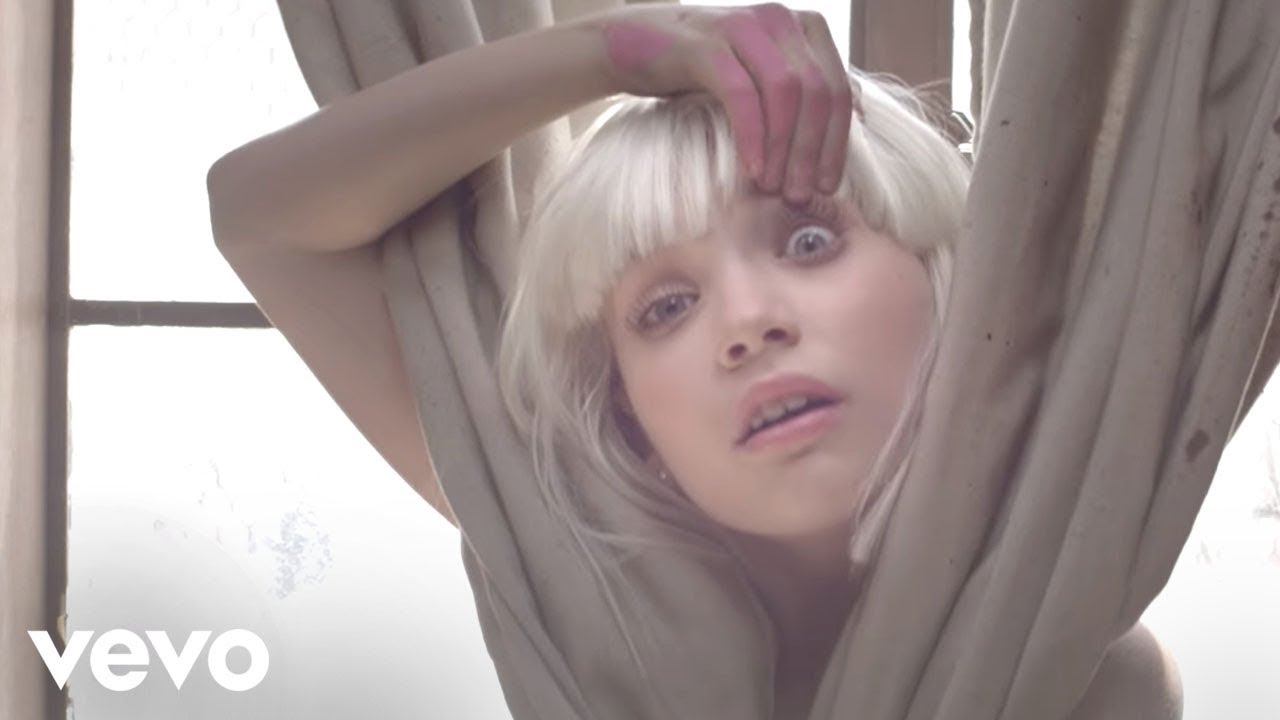
In July 2026, theaters nationwide bring back an audacious pop experiment with the wide release of Sia: Nostalgic for the Present, a concert performance film capturing the Australian songwriter's landmark 2016 arena tour. The theatrical cut revisits an era-defining stage design that upended traditional pop spectacle: rather than pacing the catwalk or executing synchronous routines, Sia Furler stood nearly motionless at the edge of the stage, obscured by an enormous two-tone wig, handing center stage entirely to dancer Maddie Ziegler. As highlighted in a recent Variety Report, the restored cinematic presentation preserves the raw emotional electricity of a live show that played closer to avant-garde gallery theatre than standard stadium entertainment.
The tour grew out of a seismic Coachella performance in April 2016, proving that an arena crowd would cheer for a headliner who refused to show her face. Across 22 North American dates, audiences did not watch a singer belting tracks into a spotlight. Instead, they watched Ziegler, then just 13 years old, interpret fear, manic joy, and domestic despair through Ryan Heffington's jagged, physical contemporary dance choreography. With the theatrical film arriving a decade after that tour began, the project offers a fresh look at the creative symbiosis between an elusive songwriter and her teenage avatar.
📌 Key Takeaways:
- The Theatrical Event: Directed in part by longtime visual collaborator Daniel Askill, the concert film documents the 2016 arena tour across a limited global theatrical run in July 2026.
- The Inverted Stage: Sia deliberately displaced the pop star ego by singing from stage left under a massive oversized wig, while Ziegler performed as her physical and emotional surrogate.
- Synchronized Illusion: The live production seamlessly mapped Ziegler's stage work to pre-recorded video vignettes featuring actors Kristen Wiig, Paul Dano, and Tig Notaro.
From Dance Moms to Global Phenomenon: The Genesis of an Unlikely Partnership
Sia first spotted Maddie Ziegler on the Lifetime reality television series Dance Moms. Struck by the expressive intensity the young dancer brought to competitive routines, Sia contacted her directly over Twitter in early 2014, inviting her to star in the music video for "Chandelier." Ziegler, only 11 years old at the time, assumed she would be an extra dancing in the background. Instead, she spent days in an abandoned Los Angeles apartment building wearing a platinum blonde bob and a tan leotard, contorting her face and limbs in a solo routine that quickly accumulated billions of views on YouTube.
The clip transformed Ziegler from a reality TV favorite into a fixture of contemporary dance, establishing an enduring partnership. Rather than moving on to other dancers, Sia kept Ziegler at the center of her visual identity for follow-up singles like "Elastic Heart" and "Big Girls Cry." Ziegler became more than a featured performer; she functioned as Sia's public-facing persona, embodying the internal chaos of songs written about addiction, media burnout, and survival.
By the time Sia booked a run of headline dates in 2016, she faced a structural dilemma. She had sworn off public visibility, tired of the relentless scrutiny attached to commercial pop stardom. Ziegler offered the ultimate creative solution: Sia would provide the voice from the shadows, while Ziegler brought the kinetic power to the boards.
Disappearing Act: The Architecture of Pop Star Anonymity
Pop concerts are historically built around charisma, eye contact, and vanity. Megawatt artists command the stage through towering video walls projecting their own faces, costume changes, and conversational crowd banter. Sia dismantled every element of that formula on the Nostalgic for the Present tour.
She positioned herself well off-center, pushed against a back riser near the wings. A gigantic, two-tone black-and-platinum wig covered her face down to her upper lip, crowned by an outsized structural bow. She spoke almost no words between tracks, focusing entirely on delivering technically demanding, pristine live vocals. The arena lighting cast her in dim silhouette while flooding the center of the stark white floor.
In that open white box, Ziegler commanded the arena. Alongside a tight ensemble of auxiliary dancers, she ran through Heffington's choreography: erratic twitches, sweeping leaps, silent screams, and playful pantomime. Audiences did not feel cheated by the singer's physical withdrawal. The contrast heightened the music's drama, turning songs like "Alive" and "Bird Set Free" into shared performance art.
Tracking the Evolution: From Viral Video to Theatrical Event
The progression from an experimental three-minute music video to a stadium-sized conceptual production reshaped how artists approach visual presentation. The timeline below illustrates how this collaboration advanced across key creative benchmarks.
| Production Phase | Creative Strategy & Staging | Audience Impact |
|---|---|---|
| "Chandelier" Music Video (2014) | Single-room solo shoot; introduction of the blonde bob wig and Ryan Heffington's theatrical movements. | Over 2.6 billion views; established Ziegler as Sia's visual alter ego. |
| Coachella Festival (April 2016) | Outdoor main stage; Sia stationary in corner; massive screens mirror live dance with celebrity-led films. | Hailed by critics as one of Coachella's most original headline sets in festival history. |
| Arena Tour (Fall 2016) | 22-city arena run; stark white cube staging; live physical dance tightly synchronized with screen projections. | Grossed roughly $11.5M over 23 dates; demonstrated viability of anonymous live pop. |
| Theatrical Cut (July 2026) | Remastered 4K multi-camera concert release directed by Daniel Askill; high-fidelity audio mix. | Global event run across select cinemas, revisiting the production for new audiences. |
Daniel Askill's Cinematic Canvas and the Screen vs. Stage Illusion
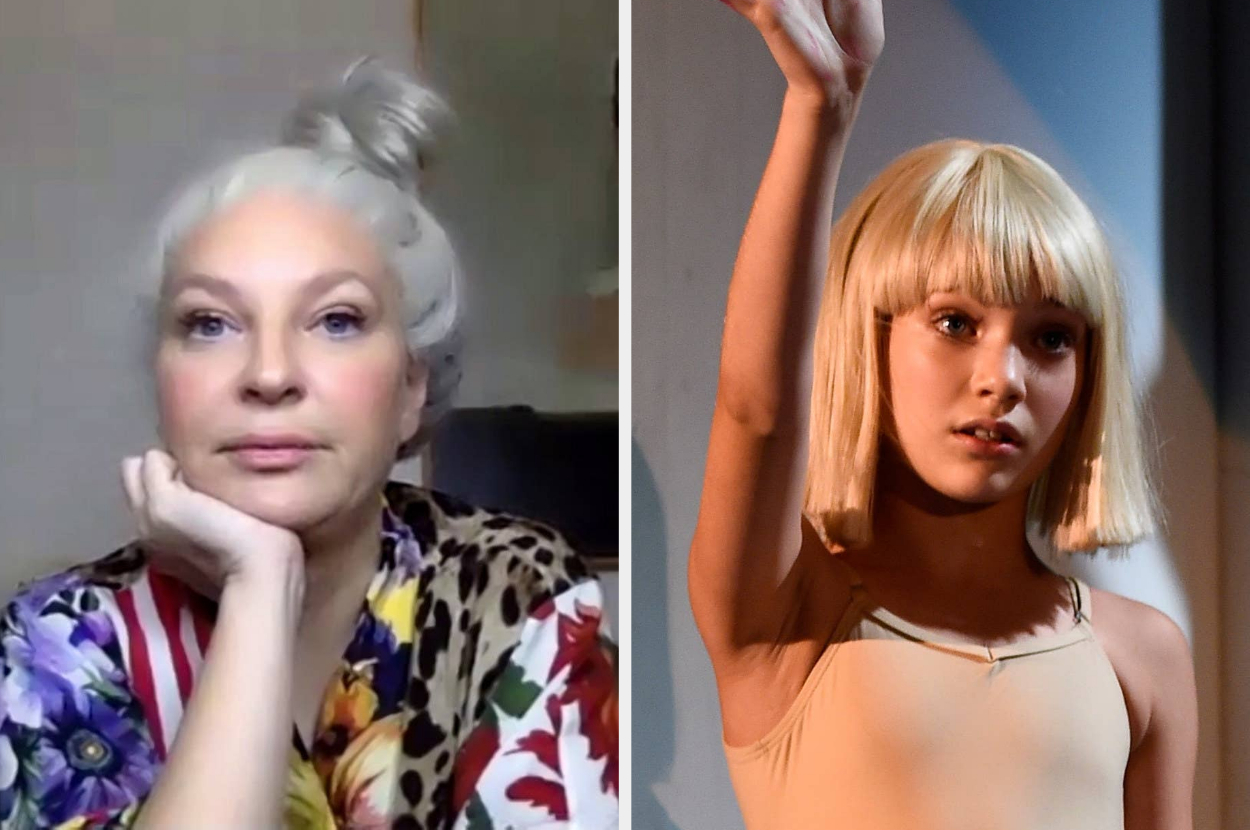
A crucial reason the tour worked, and why it translates cleanly into a cinematic film, was the visual balance engineered by Australian director Daniel Askill. Askill directed the original videos for "Chandelier" and "Elastic Heart," and for the live tour, he created pre-recorded vignettes that played across massive backdrop screens behind the performers.
These screen projections were not straightforward live feeds. Instead, Askill filmed high-concept short scenes featuring actors like Kristen Wiig (performing "One Million Bullets"), Paul Dano ("Bird Set Free"), and Tig Notaro. The films were framed and lit so precisely that they appeared to be real-time live footage of the stage floor.
Ziegler and her fellow dancers had to execute every jump, turn, and gestural cue with millisecond precision to align with the pre-recorded video sequences overhead. For audience members in the upper tiers of an arena, the visual illusion was startling: the real, living child on the stage was perfectly mirrored and amplified by the Hollywood talent on screen. Askill has noted that the tour was designed from the beginning as hybrid cinema, making its translation into a standalone concert documentary a natural progression rather than an afterthought.
The Cultural Paradox: Protection, Fame, and the Surrogate Spotlight
While the tour earned critical acclaim, it also sparked a complicated cultural debate. Sia's stated reason for wearing the wig was personal protection: she wanted to go to the grocery store unrecognized, avoid invasive paparazzi, and shield her mental health from the celebrity machine. Yet, in choosing a child to inhabit that visual identity on red carpets, live broadcasts, and international arena stages, critics asked whether the singer was merely transferring that harsh glare onto a minor.
Ziegler has frequently addressed this dynamic in interviews and memoirs, emphasizing that she felt sheltered and mentored by Sia, viewing the choreography as an artist's dream role rather than an exploitative burden. She noted that while other child stars faced scrutiny over their real-life personas, playing a dramatic character in a wig gave her a degree of artistic detachment.
Still, the dynamic remains one of pop music's most unusual arrangements. Sia created a barrier between herself and commercial fame by constructing an iconic physical stand-in, relying on Ziegler's boundless stamina and expressive discipline to carry the burden of the spectacle.
Frequently Asked Questions (FAQ)
Q1: When does the Sia concert film release in theaters?
A1: Sia: Nostalgic for the Present arrives in select theaters in late July 2026, following a promotional rollout and trailer premiere in June 2026.
Q2: Why didn't Sia face the crowd or dance during the 2016 tour?
A2: Sia adopted an oversized wig and stationary, corner-stage positioning to protect her personal privacy, manage performance anxiety, and critique commercial pop culture's obsession with artist appearance, preferring to let the music and live dance tell the story.
Q3: Did Maddie Ziegler perform live at every tour stop?
A3: Ziegler headlined the choreography for the vast majority of the 2016 North American tour dates, accompanied by an ensemble cast of dancers who carried out Ryan Heffington's signature contemporary routines.
The Enduring Legacy of Contemporary Pop's Boldest Stage Experiment
A decade after Sia and Maddie Ziegler first brought this production to festival fields and basketball arenas, mainstream touring looks drastically different. Modern pop is dominated by three-hour, narrative-spanning stadium tours driven by hyper-literal digital backgrounds and intense artist-audience interaction. The stripped-back, surrealist world of Nostalgic for the Present cuts against that trend.
The July 2026 theatrical cut demonstrates that pop shows do not require constant stage banter or glossy glamour to leave a mark. By retreating into the shadows and trusting an extraordinary young dancer with the emotional heart of her music, Sia proved that vulnerability can be expressed through absence just as powerfully as presence. Ziegler's frantic, captivating movements remain the beating engine of that vision.


