On-Air Proof: The Most Viral Clips from Venezuelan Podcasters Broadcasting from Miami
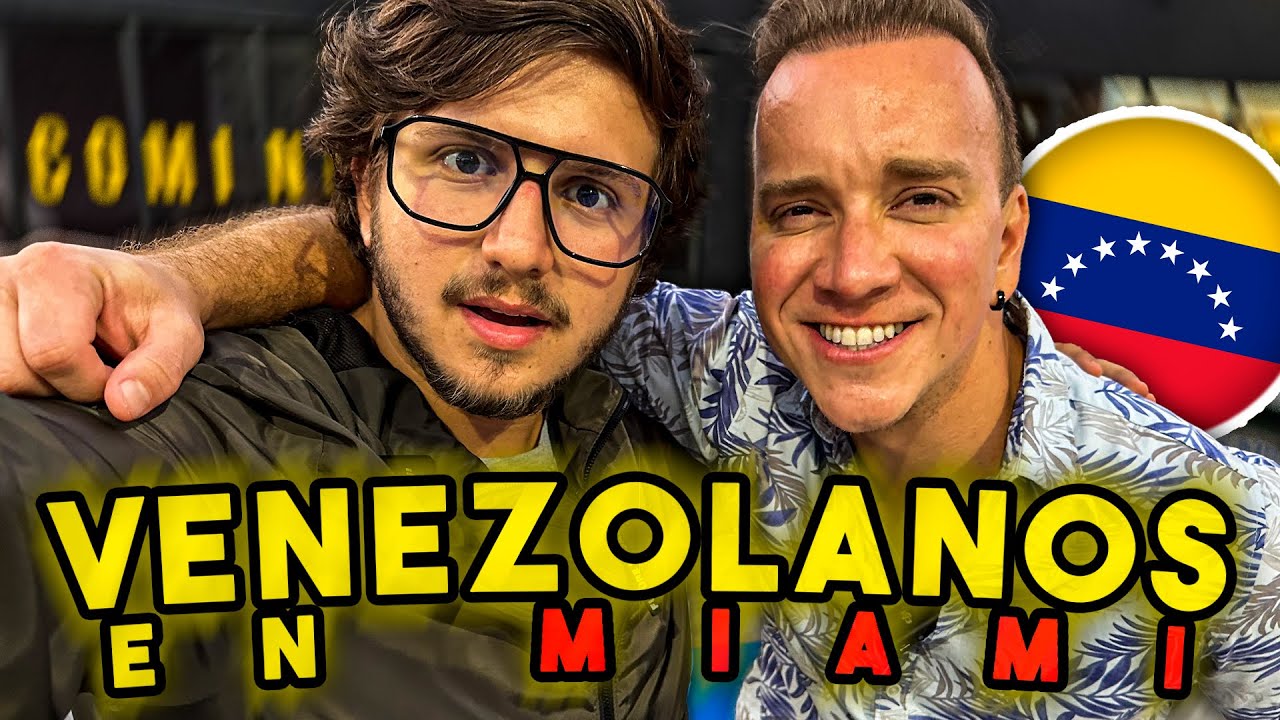
Inside a warehouse conversion two miles north of Miami International Airport, three red tally lights snap on simultaneously. The air conditioning hums against the South Florida humidity while two hosts sit behind Shure SM7B microphones, arguing over leaked procurement spreadsheets from Caracas. Within forty minutes of recording, an editor extracts a 45-second visual clip, adds bold yellow Spanish subtitles, and uploads it to TikTok and Instagram Reels. By midnight, that vertical excerpt amasses hundreds of thousands of views, sparked by raw sentiment across the diaspora.
As captured in a recent BBC Report chronicling the mix of celebration and persistent uncertainty in Doral, long known as "Little Venezuela", this community navigates its political and personal reality in real time. Independent Venezuelan creators in South Florida have constructed a parallel broadcasting system, bypassing legacy television networks to document exile, migration struggles, and systemic corruption at home.
📌 Key Takeaways:
- The Epicenter: Industrial parks across Doral and Medley now host dozens of dedicated Miami recording studios producing daily Spanish-language talk shows for global streaming audiences.
- The Content Blend: Viral clips successfully merge biting satirical commentary with serious investigative journalism, addressing everything from oil graft exposés to emergency humanitarian supply drives.
- The Financial Model: Independent Latin creators rely on regional corporate sponsors, live tour dates, and algorithmic syndication rather than legacy studio gatekeepers.
From Caracas Soundstages to Industrial Doral Warehouses
The migration of Venezuelan media talent to South Florida began as a trickle following government shutdowns of historic networks like RCTV in May 2007. Over the subsequent two decades, that trickle evolved into an exodus of technicians, screenwriters, voice actors, and on-camera hosts. Historical parallels run deep in Miami media history. In a January 2025 interview with CiberCuba, veteran actor Armando Tomey remarked that Cuban professionals historically taught Venezuelans and Colombians foundational television production techniques during the golden age of Latin American telenovelas. Today, that legacy has flipped into a decentralized, digital-first operation run by Venezuelan expatriates.
Rather than waiting for green lights from Telemundo or Univision, producers rent space in low-slung commercial flex warehouses across Doral and Medley. These facilities house multi-camera visual podcast sets equipped with Blackmagic switchers, acoustic wall panels, and dynamic LED backdrops. A crew of two people now handles tasks that once required an entire control room. The resulting output feeds a diaspora eager for voices that speak with the cadence, slang, and cultural references of their homeland.
Viral Clips Tackle Oil Investigations and Disaster Relief
The programming does not shy away from heavy subject matter. When the Organized Crime and Corruption Reporting Project (OCCRP) published its investigative project Cuello Blanco, Manos Sucias in January 2026, detailing the looting of Venezuela's state oil company, South Florida podcast studios became primary debate hubs. Creators dissected complex offshore money trails, showing real-estate purchase records across Brickell and Sunny Isles Beach directly on screen. These segments generated tens of thousands of clip shares among expatriates tracking public funds taken from their native country.
[Raw Studio Recording: Multi-Cam 4K]
│
▼
[Full Episode on YouTube & Spotify]
│
┌───────────────────┴───────────────────┐
▼ ▼
[Hard-News Segments] [Bite-Sized Humor Cuts]
OCCRP Corruption Dissections Immigrant Culture Clashes
Aid Drive Coordination TPS & Paperwork Parodies
│ │
└───────────────────┬───────────────────┘
▼
[Vertical Video Syndication]
TikTok • IG Reels • YouTube Shorts
Studio microphones also turn into coordination desks during crises. Following earthquakes and infrastructure failures in South America, podcasters team up with regional charities to broadcast supply-chain needs. Stations coordinated with collection efforts across Palm Beach County and Miami-Dade, directing volunteers to local collection warehouses with immediate updates on requested medical goods and non-perishables. The immediacy of the medium turns passive listeners into an active logistics network within hours.
Streaming Benchmarks: The Media Shift from 2024 to 2026
The shift from traditional broadcast appearances to independent digital programming has reshaped how media is funded, delivered, and consumed across South Florida.
| Operational Metric | Early Wave (2024) | Current Standard (2026) |
|---|---|---|
| Studio Setup Cost | $5,000, $12,000 (basic USB setups) | $25,000, $65,000 (4K multicam, soundproofed) |
| Primary Growth Vector | Audio-only directories & long-form YouTube | Short-form vertical clips (Reels, TikTok, Shorts) |
| Monetization Structure | AdSense & small local restaurant sponsorships | Multi-city live tours, fintech & legal retainers |
| Production Frequency | Weekly or bi-weekly sit-downs | 2, 4 live studio panels weekly plus daily cuts |
Comedy Channels Become the Front Porch of Exile Culture
Humor remains the engine that powers South Florida digital broadcasting. Programs hosted by stand-up comedians and satirists pull the largest audience shares, using irony to process the disorientation of immigrant life. An episode might spend twenty minutes mocking the challenges of securing auto insurance in Hialeah or the shock of buying groceries in suburban Broward County before pivoting straight into the psychological weight of expired travel documents.
This blend of comedy and vulnerability generates extraordinary loyalty. The comments sections under these shows often resemble communal group chats where listeners swap advice on immigration interviews, credit scores, and cold-weather work clothing for relatives moving farther north. By validating shared absurdities, these channels offer therapy through humor, transforming private anxieties into public, shared entertainment.
The Business Engine Behind Independent Latin Creators
Producing full visual episodes multiple times a week requires reliable revenue. The economic foundation of this creator economy relies heavily on local South Florida businesses that understand the spending power of the Venezuelan diaspora. Immigration law practices, tax consultants, international shipping couriers, and Doral car dealerships buy ad reads directly from the creators, bypassing traditional media agencies.
Creators leverage their digital reach into real-world ticket sales. A hit podcast taped in a modest Miami studio regularly fills 800-seat theaters in Orlando, Houston, Madrid, and Buenos Aires. Merchandising, VIP access passes, and Patreon subscriptions provide stability that traditional network employment can no longer match. These creators maintain complete control over their intellectual property, distribution choices, and editorial lines.
Frequently Asked Questions (FAQ)
Q1: Why has Doral become the primary production hub for these shows?
Doral features the highest concentration of Venezuelan residents and entrepreneurs in the United States. Its zoning offers accessible commercial flex spaces, and its proximity to Miami International Airport allows international guests, musicians, and touring comedians to visit studios directly without extensive travel delays.
Q2: Are these programs recorded exclusively in Spanish?
The vast majority air in colloquial Venezuelan Spanish. However, several productions now feature bilingual segments or publish English subtitles to engage second-generation diaspora members who grew up in the American school system and consume media in both languages.
Q3: How do independent creators manage legal and political commentary risks?
Shows handling investigative material, such as public corruption documents, rely on public-record filings, reporting from established international journalism networks, and expert legal contributors. Because they broadcast under United States First Amendment protections, they operate free from the regulatory censorship that shuttered stations inside Venezuela.
The Maturing Wave of South Florida Digital Broadcasting
The Venezuelan podcasting movement in Miami has outgrown its origin as an amateur, homesick hobby. It is now a resilient, profitable, and politically influential media apparatus. By combining visual production standards with an unfiltered conversational style, these creators have built an enduring bridge between South Florida and the global diaspora. Their studios will continue shaping exile identity, political accountability, and Latin digital entertainment for years to come.