Rage-Bait or Fantasy? The Calculated Psychology Behind Vacation Cheating POVs
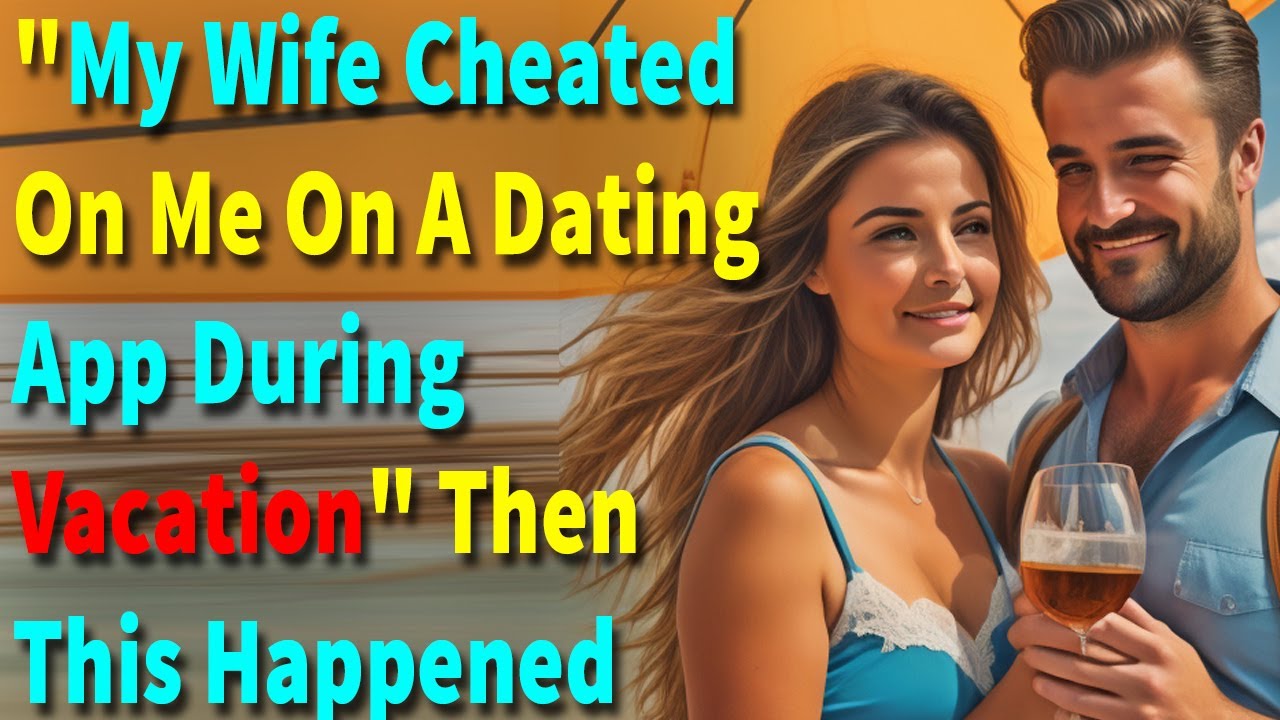
A creator stands on an infinity pool terrace overlooking the Amalfi coast, turns toward the camera, and flashes an intimate, complicit smile. The on-screen text delivers an immediate jolt: "POV: You told your partner you were on a business trip, but you're in Italy with me." Within 48 hours, the video collects 3.8 million views, thousands of outraged duets, and a comment section overflowing with moral condemnation.
This format is not an accidental viral anomaly; it is a calculated execution of audience engagement tactics designed to exploit human vulnerability and algorithmic reward loops. While clinical relationship research detailed in a Psychology Today Report demonstrates that unresolved relationship dissatisfaction and individual personality traits serve as actual real-world predictors of infidelity, short-form video creators treat betrayal as pure engagement bait. By blending sun-drenched holiday aesthetics with blatant infidelity tropes, creators trigger instantaneous indignation, hijacking platform recommendation systems to turn disgust into massive distribution.
📌 Key Takeaways:
- The Algorithmic Trigger: Provocative infidelity roleplays rely on comment section provocation, where intense moral disgust forces high dwell times and aggressive user commenting.
- The Dual Seduction: The trend merges luxury vacation escapism with taboo narrative fascination, bypassing normal viewer defenses through high-production visual framing.
- The Commercial Tradeoff: While creators capture millions of impressions, the tactic introduces severe brand safety liabilities, repelling mainstream corporate sponsors in favor of volatile short-term reach.
The Anatomy of Comment Section Provocation
The mechanics behind scandalous relationship roleplay content operate on emotional friction. Recommendation engines prioritize watch time, completions, and interaction density over sentiment polarity. A video that elicits quiet appreciation receives a passive double-tap and a swipe; a video that hints at blatant betrayal provokes a visceral moral reaction. Viewers stop scrolling, re-watch the clip to verify what they just read, and rush to the comments to condemn the creator.
To recommendation algorithms, that fury registers as gold-standard user interest. The viewer who writes three paragraphs detailing why cheating destroys families has spent 45 seconds on the post, looped the background video three times, and boosted the clip’s velocity score.
The text overlay acts as an emotional tripwire. Creators deploy ambiguous micro-cheating dynamics and illicit holiday affairs because betrayal represents a universal social boundary. Viewers cannot look away from what feels like an open confession of deceit.
How Vacation Escapism Amplifies the Taboo
Context transforms the provocation. An infidelity caption filmed in an ordinary suburban kitchen often reads as cheap or uncomfortable. Set that exact same caption against a backdrop of Santorini sunsets, private yachts, or secluded villas in Bali, and the psychological impact shifts dramatically.
Vacation settings tap into deep-seated associations with rule-breaking and identity suspension. Travel culture has long operated under the quiet banner of "what happens abroad stays abroad," framing foreign locales as spaces unmoored from daily domestic accountability. When creators pair aspirational wanderlust with open betrayal, they tap into parasocial voyeurism. The audience feels like an accidental witness to a private, illicit secret.
Long-form media has explored this intersection for decades. Cinematic analysis from outlets like ScreenRant highlights how narrative cinema continually uses destination infidelity to expose the fragile cracks beneath seemingly stable partnerships. Yet while film takes two hours to dissect character motivations and moral fallout, TikTok relationship tropes compress that entire dramatic arc into an intense, seven-second burst.
Algorithmic Rage-Bait Versus Conventional Lifestyle Content
The shift toward provocative roleplays highlights a split between traditional lifestyle influencers and creators engineering hyper-viral reach. The performance numbers show why creators embrace the risk of audience hostility.
| Content Dimension | Standard Travel Lifestyle | Vacation Infidelity POV |
|---|---|---|
| Primary Emotional Hook | Aspiration, relaxation, visual aesthetic | Moral indignation, voyeuristic shock |
| Average Watch Time Completion | 35%, 45% of total duration | 120%, 180% (frequent re-loops) |
| Comment-to-Like Ratio | Low (approx. 1 comment per 100 likes) | Extreme (approx. 8, 15 comments per 100 likes) |
| Audience Retention Mechanism | Visual beauty, audio pairing | Debate, personal projection, relationship post-mortems |
| Commercial Viability | High brand safety; premium travel sponsors | Low brand safety; monetized via secondary paywalls |
The data reflects a distinct strategy. Standard lifestyle creators build long-term trust, while rage-bait accounts prioritize raw velocity. For creators seeking immediate audience expansion or funnels toward paid third-party platforms, social friction offers a shortcut that aesthetic travel video alone can no longer achieve in saturated feeds.

The First-Person Camera and Micro-Cheating Dynamics
The mechanics of the point-of-view (POV) perspective alter how audiences process digital media. In third-person video, the audience observes characters from a detached distance. In a POV video, the camera lens serves as the viewer's own eyes.
When a creator titles a video "POV: sneaking around with me in Cabo," they force the viewer into an unsettling psychological binary. The audience member is either cast as the illicit lover participating in deceit, or cast as the betrayed spouse discovering the evidence. Both positions trigger deep emotional engagement.
This setup blurs the line between theatrical performance and genuine deception. Viewers frequently debate in comments whether the video portrays real behavior or fictional acting. Creators lean into this ambiguity. They drop subtle hints, ignore clarifying questions, and let the audience tear itself apart arguing over relationship red flags. The hesitation between believing the post and suspecting a setup extends dwell time, turning personal trauma and social taboos into platform currency.
Brand Safety Hazards and Creator Burnout
The commercial consequences of provocative infidelity roleplay reveal sharp boundaries. While scandalous captions generate millions of views, they routinely backfire when creators attempt to secure mainstream advertising partnerships.
Major travel hospitality brands, airlines, and consumer goods companies maintain rigorous brand safety filters. Automated advertising protocols and human procurement teams actively avoid accounts saturated with user debates about relationship betrayal, narcissism, and ethical rot. Creators who rely on infidelity sensationalism frequently find themselves trapped in an algorithmic corner: their accounts command millions of impressions, yet legitimate corporate sponsors refuse to associate with their profiles.
To survive economically, these accounts pivot toward direct audience subscription models, third-party link hubs, or affiliate marketing for digital products. Over time, the strategy yields diminishing returns. Audiences grow desensitized to repetitive provocations, forcing creators to concoct increasingly extreme narratives to maintain identical view thresholds. What starts as a cheeky marketing trick quickly degenerates into an exhausting race toward complete moral provocation.
Frequently Asked Questions (FAQ)
Q1: Are the creators in vacation cheating POV videos actually confessing to infidelity?
A1: Almost never. The vast majority of these videos are fabricated roleplays. Creators deploy shocking captions over generic vacation B-roll footage purely to exploit the recommendation engine's preference for high-comment, high-dwell-time content.
Q2: Why do people leave angry comments if they suspect the video is fake?
A2: Infidelity triggers intense personal memories and shared cultural boundaries. Even when viewers suspect a clip is staged, the casual presentation of deceit provokes an emotional urge to enforce moral norms, argue with other commenters, or project past relationship experiences onto the scenario.
Q3: How do platforms handle provocative relationship roleplay content?
A3: Most platforms allow relationship roleplays as long as they do not violate explicit guidelines regarding nudity, hate speech, or harassment. However, backend safety systems frequently categorize the resulting comment sections as volatile, reducing the creator's eligibility for premium advertising pools and creator fund bonuses.
Navigating the Attention Economy in 2026
Provocative relationship roleplay represents the logical endpoint of an attention economy that rewards emotional intensity over narrative truth. Vacation cheating POVs do not flourish because audiences admire deceit; they flourish because human psychology struggles to ignore the violation of sacred interpersonal boundaries.
For audiences navigating social feeds, recognizing these tropes as mathematical engagement hooks breaks their emotional grip. Behind the glamorous footage and the whispered captions sits an ordinary formula designed to capture seconds of human attention. As platform algorithms continue to evolve, the border between creative expression and calculated indignation will tighten, leaving users to decide whether a provocative caption deserves their outrage or simply a silent, indifferent scroll.