Proof of Peak Irony: How Black Screen Memes Broke the Internet Algorithm
You swipe up, expecting a high-energy cooking tutorial, an animated video essay, or a choreographed dance. Instead, the screen goes completely pitch-black. There is no visual hook, no talking head, and no text overlay. Only a faint snippet of muffled audio or an ominous five-second sound bite plays while your screen sits dead dark. Your thumb instinctively pauses. You tap the display, wondering if your Wi-Fi dropped, if your app crashed, or if your phone battery abruptly gave up. By the time you realize the video is working exactly as intended, the six-second clip has looped three times, handing the creator an off-the-charts retention score.
What began as a low-effort prank has exploded into one of the most disruptive phenomena across short-form video feeds. As highlighted in a year-end retrospective by the Boston University Report tracking how absurdism carried online communities through 2025, modern web culture increasingly abandons slick production in favor of raw negation. Black screen memes represent the collision point between Gen Z meme culture, visual fatigue, and deliberate algorithmic manipulation. They reveal how easily modern recommendation engines can be broken by literal visual emptiness.
📌 Key Takeaways:
- The Mechanic: Black screen memes trick viewers into pausing and tapping their devices, driving loop completion rates above 120% on major platforms.
- The Cultural Driver: Pervasive sensory overload and internet irony culture turned pitch-black clips and sound-only formats into anti-humor statements.
- Platform Response: Recommendation systems in 2026 are actively rolling out low-motion penalties to curb blank video trends and protect feed quality.
The Glitch That Wasn't: When Empty Displays Hijacked the For You Page
The rise of the blank video trend was quiet and disorienting. Early iterations surfaced across TikTok and Instagram Reels as subtle tricks disguised as technical errors. Creators uploaded four-to-seven-second videos featuring zero visual pixels, paired with audio snippets designed to sound like whispered secrets, ambient white noise, or viral argument clips cut off mid-sentence.
Human psychology did the rest. When an unexpected black void interrupts an endlessly stimulating scroll, users do not immediately swipe away. They pause. They tap the glass to check playback controls. They check their control center to see if Bluetooth disconnected. Every micro-second spent diagnosing this phantom technical error registers with the platform as rapt attention.
Within weeks, comment sections underneath empty voids filled with thousands of bewildered users asking the same questions: "Did anyone else think their phone turned off?" and "Why am I staring at my own reflection?" These comments triggered secondary algorithmic indicators. The blank screen evolved from an accidental optical illusion into a repeatable formula for viral distribution.
How Algorithmic Manipulation Turned Confusion into Watch Time
Short-form video distribution algorithms reward one metric above almost all others: watch time relative to total video duration. A 60-second video watched for 30 seconds yields a 50% completion rate. A four-second video watched for eight seconds yields a 200% completion rate. Recommendation systems interpret this inflated retention as proof of captivating content, immediately pushing the clip to a wider audience.
Creators realized they could engineer algorithmic manipulation without filming a single frame. By uploading an unlit screen with a title prompting viewers to "read the comments" or "listen very closely to the end," users would re-watch the clip multiple times trying to uncover the hidden joke. The joke, of course, was that there was nothing to uncover.
This structural exploit turned platform incentives upside down. Millions of views were generated not through creative storytelling or technical editing, but through behavioral baiting that weaponized the user's natural confusion against the algorithm's mechanical scoring models.
The Retention Game: Evaluating Short-Form Content Dynamics
The gap between high-effort video production and minimalist anti-humor reveals how distorted feed engagement metrics became heading into 2026. The table below outlines how different short-form formats perform across key user retention indicators:
| Content Format | Average Duration | Loop Retention Benchmark | Primary Interaction Trigger |
|---|---|---|---|
| High-Production Narrative | 30, 60 seconds | 45%, 65% | Visual storytelling, explicit punchline |
| Standard Kinetic Meme | 7, 15 seconds | 80%, 110% | Fast-paced text overlay, relatable reaction |
| Black Screen Loop | 3, 6 seconds | 130%, 220% | Perceived glitch, diagnostic tapping, audio focus |
| Sound-Only Ambient Clip | 10, 20 seconds | 90%, 125% | Audio context discovery, comment section debates |
Anti-Humor and the Collapse of Traditional Punchlines
Reducing black screen memes to simple algorithmic trickery ignores a deeper cultural current. As cultural commentary from outlets like InsideHook observed during their breakdown of online comedy trends, traditional punchlines have increasingly stalled. Users are reacting against formulaic, heavily scripted comedy skits that feel manufactured purely for monetization.
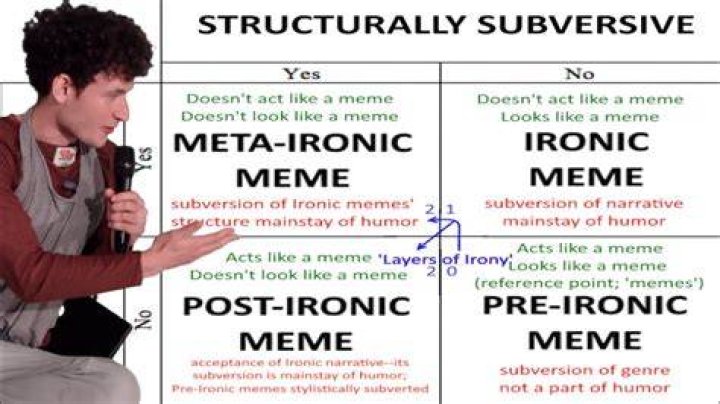
In their place, internet irony culture embraced anti-humor trends and post-ironic memes. A pitch-black video operating alongside a bizarre audio snippet functions as surrealist humor. The comedy comes from the total absence of effort. It mocks the very premise of modern content creation, where creators spend hours color-grading footage and synchronizing subtitles only to receive a fraction of the reach captured by a pitch-black screen.
For Gen Z audiences, the blank screen operates on an ironic wavelength. It mirrors the absurdist Dadaist movements of the early 20th century. By presenting nothing, the creator forces the audience to confront their own consumption habits. Looking at a dark display forces you to catch your own face staring back at the glass.
Visual Exhaustion and the Shift Toward Sound-Only Feeds
The explosion of empty screens also highlights severe digital fatigue and widespread social media burnout. Contemporary short-form feeds present an exhausting wall of stimuli: flashing captions, split-screen mobile games running beneath podcast clips, and hyper-saturated visuals calibrated to prevent blinking.
Hyperallergic captured this simmering viewer resentment during their coverage of annual high-profile event memes, noting an overarching public exhaustion with manufactured spectacle. The black screen represents visual silence. It provides a split-second sensory blackout in an environment that never stops screaming for attention.
This dynamic accelerated the popularity of sound-only viral clips. Many users treat video platforms as dynamic audio feeds, keeping their phones face-down or resting on desks while listening to isolated dialogues, obscure music edits, or conversational audio. The black screen meme caters directly to this behavioral shift, stripping away unnecessary visual clutter so the sound can stand alone.
Frequently Asked Questions (FAQ)
Q1: Why do creators upload black screen memes instead of regular videos?
Creators use black screens to capitalize on algorithmic loopholes and user confusion. Because empty screens frequently trick users into pausing or replaying a clip to see if their device is malfunctioning, the video secures loop retention rates often exceeding 150%, causing recommendation algorithms to distribute it aggressively.
Q2: Do social media algorithms penalize black screen and static video content?
Platforms have begun rolling out automated video heuristics designed to flag low-entropy and static visual uploads. If a video contains zero pixel movement or frame variation over several seconds, automated moderation filters may downrank the post or categorize it as low-quality bait to prevent platform spam.
Q3: What makes black screen memes appealing to viewers?
Beyond the initial confusion, they function as post-ironic commentary against over-produced feed content. They offer a momentary break from visual overstimulation, lean into absurdist Gen Z humor, and highlight community interactions in the comment section where users debate the joke.
The Algorithm Strikes Back
The era of effortlessly gaming video distribution networks with completely blank frames is rapidly closing. Engineering teams at TikTok, Meta, and YouTube have spent recent months tuning their content quality classifiers. By incorporating perceptual hash algorithms and visual entropy checks, platforms are learning to spot near-zero pixel movement and intentionally misleading static frames before they reach trending feeds.
Yet, the cultural impulse behind black screen memes will not disappear simply because platform filters adapt. When recommendation algorithms force feeds toward hyper-optimized, relentless visual noise, internet users inevitably push back with silence, irony, and blank space. The black screen was not just an exploit of code. It was a mirror held up to an exhausted digital audience, proving that sometimes, the most disruptive thing you can show a tired world is nothing at all.


