Raw Footage and Retrospectives: What the New Netflix Doc Reveals About RHCP
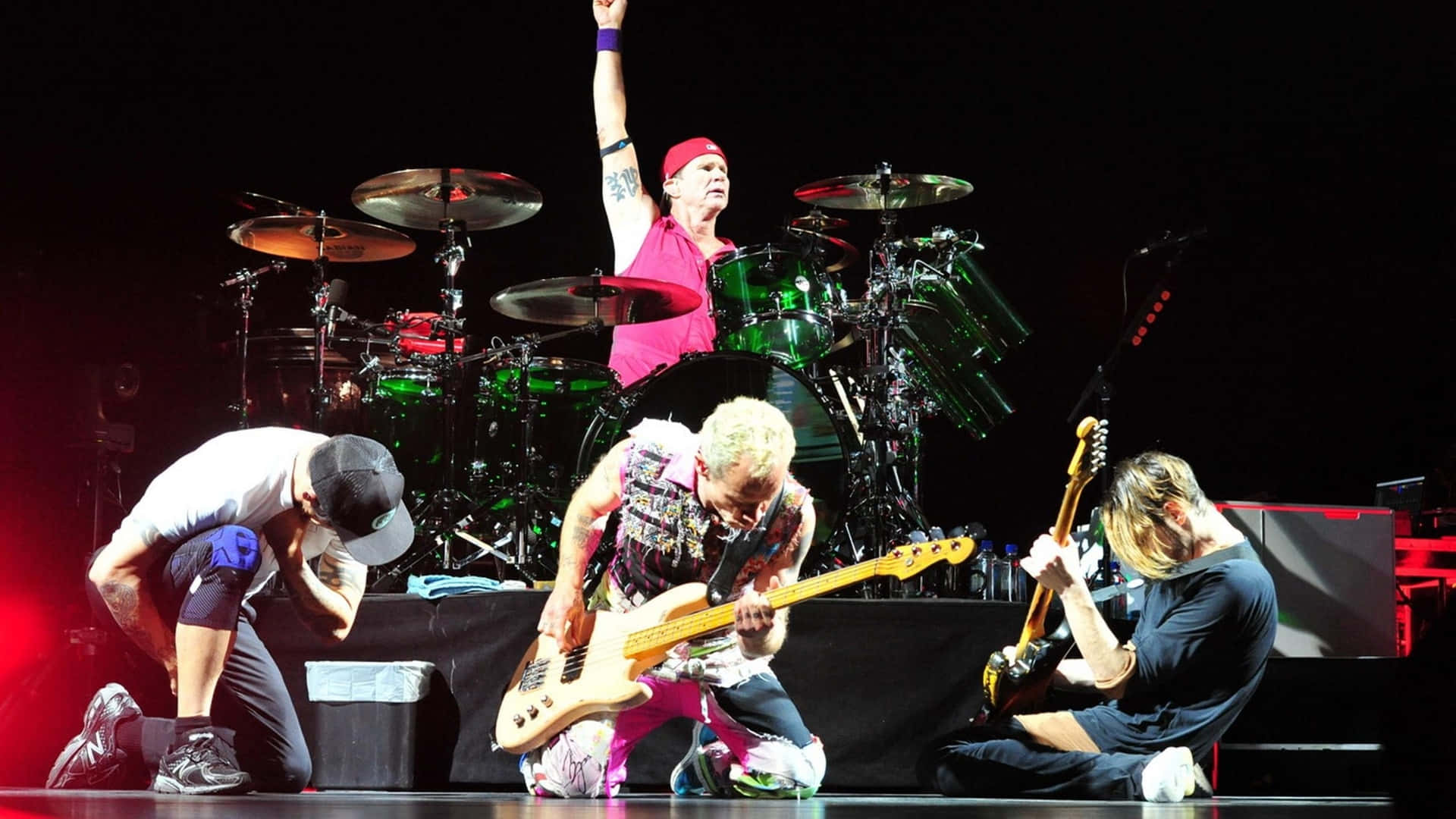
In early 2026, streaming giant Netflix debuted The Rise of the Red Hot Chili Peppers: Our Brother, Hillel, reigniting intense public debate over the volatile formative years of the California funk-punk icons. Built around rare studio reels, cassette demos, and home video captures from Hollywood's mid-1980s underground, the film sidesteps polished arena mythology to confront the raw creative spark and harrowing unraveling of founding guitarist Hillel Slovak. Yet its sudden release sparked immediate friction. As detailed in an IMDb Report, the project delivers an unvarnished chronicle of early band history while operating completely outside the blessing of surviving members Anthony Kiedis and Flea.
The tension between artist-approved hagiography and independent rock biography sits at the heart of this release. By relying on vintage recording sessions and memories from peers who witnessed the club days firsthand, the production sidesteps standard PR machinery. It focuses instead on the creative genius and tragic descent that permanently shaped modern alternative rock.
📌 Key Takeaways:
- The Unapproved Archive: The feature relies on private 1980s studio tapes and club footage assembled without authorization from Anthony Kiedis or Flea.
- The Central Figure: The film centers on founding guitarist Hillel Slovak, whose Hendrix-inspired funk guitar defined the original Red Hot Chili Peppers sound.
- The Historical Cost: Slovak’s fatal heroin overdose in June 1988 remains the defining tragedy that fractured the original lineup and propelled the band toward sobriety and global stardom.
The 1983 Hollywood Underground That Spawned the Sound
Long before filling international stadiums, the Red Hot Chili Peppers were a chaotic local act called Tony Flow and the Miraculously Majestic Masters of Mayhem. Formed at Fairfax High School by Israeli-born guitarist Hillel Slovak, bassist Michael "Flea" Balzary, vocalist Anthony Kiedis, and drummer Jack Irons, the group emerged from Los Angeles's decaying punk and street-funk scene. They performed their first set in early 1983 at the Rhythm Lounge on Melrose Avenue in front of barely thirty people.
Slovak was the musical nucleus. While Flea brought reckless slap-bass energy and Kiedis supplied rhythmic spoken-word swagger, Slovak anchored the rhythm section with dry, rhythmically sophisticated guitar work. He blended the hard-edged funk of Parliament-Funkadelic with the fluid blues distortion of Jimi Hendrix. That balance formed the bedrock of the band's self-titled 1984 debut and their groundbreaking 1985 follow-up, Freaky Styley, produced by funk pioneer George Clinton.
The newly surfaced recordings capture Slovak coaching Flea through rhythm changes, illustrating how Slovak's musical literacy gave early RHCP its rhythmic spine.
Unearthed Audio: What the Private Recordings Reveal
The primary appeal of the new documentary lies in private multi-track tapes and casual cassettes recorded between 1984 and 1987. For decades, fans knew these early years through muddy bootlegs and Kiedis's 2004 memoir, Scar Tissue. The documentary presents pristine soundboard audio and stripped-down instrumental stems from the Uplift Mofo Party Plan sessions at Capitol Studios.
These tapes highlight Slovak's technical dexterity. In rehearsal outtakes for tracks like "Behind the Sun" and "Me and My Friends," his rhythm tracks carry a dry, percussive bite that modern digital mastering often flattens. Rather than simply bashing out three-chord punk riffs, Slovak favored syncopated scratches and subtle microtonal bends.
The audio also captures the escalating chaos behind the mixing desk. Producers and engineers can be heard pleading with Slovak and Kiedis to stay focused as missed cues, slurred speech, and erratic pacing derail takes. The raw audio confirms what rock historians long argued: the early Chili Peppers were musically brilliant, yet rapidly spinning out of control.
Why the Surviving Members Withheld Approval
Industry trade outlets reported in late January 2026 that the Netflix production arrived without authorization from the band's management or surviving founders. While authorized rock documentaries guarantee direct access to master recordings and living members, unapproved retrospectives must license live bootlegs, regional broadcast clips, and third-party photography.
The band's reticence stems from deep personal trauma. For Kiedis and Flea, Slovak's life is not an intellectual case study; it is an open wound. Kiedis struggled alongside Slovak with severe heroin dependency throughout the mid-1980s, an ordeal that led to Slovak missing tour dates and cycling through brief, failed stints in rehabilitation.
When a documentary focuses intensely on that descent, surviving members often feel it reduces a complex friendship to an exploitation narrative. Flea has consistently maintained in interviews that Slovak was a sensitive visual artist and gentle spirit whose life should not be summarized solely by its tragic end.
Tracing the Creative and Commercial Turning Points
To understand Slovak's indelible mark on the Red Hot Chili Peppers, one must examine the stark contrast between their formative underground era and the post-1988 stadium ascent:
| Metric / Parameter | The Slovak Era (1983, 1988) | The Stadium Breakthrough (1989, 1996) |
|---|---|---|
| Core Guitarist | Hillel Slovak (Jack Sherman temporarily on debut) | John Frusciante (Dave Navarro on One Hot Minute) |
| Musical Direction | Raw funk-punk, heavy slap-bass, jagged Hendrix riffs | Melodic alt-rock, pop sensibilities, layered vocal harmonies |
| Commercial Reach | Underground college radio, ~500,000 units on Uplift | Diamond status (12M+ worldwide on Blood Sugar Sex Magik) |
| Archival Preservation | Soundboard cassettes, club VHS, local public access TV | Multi-track masters, MTV rotation, 35mm concert film |
| Key Studio Albums | Freaky Styley, The Uplift Mofo Party Plan | Mother's Milk, Blood Sugar Sex Magik |
The 1988 Tragedy and the Aftermath
In mid-1988, following a grueling European tour supporting The Uplift Mofo Party Plan, Slovak returned to his Hollywood apartment. On June 25, 1988, Slovak died alone from an accidental heroin overdose at age 26. Police discovered his body several days later, alongside his guitar and painting supplies.
The death devastated the group. Drummer Jack Irons quit the band in grief, subsequently requiring hospitalization for severe depression. Kiedis left Los Angeles immediately, fleeing to a remote fishing village in Mexico to confront his own addiction. Flea was left to wonder if the group could survive at all.
When the band eventually regrouped, they recruited eighteen-year-old guitarist John Frusciante, an ardent Slovak disciple who had memorized every one of his riffs, and powerhouse drummer Chad Smith. Dedicated to Slovak's memory, 1989's Mother's Milk featured the hard-rocking tribute "Knock Me Down." Two years later, the Slovak tribute "My Lovely Man" appeared on Blood Sugar Sex Magik.
The raw pain of Slovak's passing forced Kiedis and Flea into a discipline that converted their underground shock-rock act into one of the biggest rock bands on the planet.
The Ethics of Music Archiving in the Streaming Era
The arrival of The Rise of the Red Hot Chili Peppers: Our Brother, Hillel on Netflix highlights an ongoing evolution in digital music documentaries. Platforms crave gritty, real stories that unpack early cultural movements before corporate media management sanitized them.
Independent documentarians frequently rely on copyright exceptions, archival repositories, and surviving family members to assemble unauthorized histories. For fans, these unauthorized projects offer a refreshing look at early history without the self-censorship typical of official band autobiographies. For the artists, having their youth and trauma broadcast to hundreds of millions of subscribers without editorial input remains deeply unsettling.
By presenting these archival reels, the film ultimately ensures that Hillel Slovak is remembered as an extraordinary funk innovator rather than a tragic footnote in rock history.
Frequently Asked Questions (FAQ)
Q1: Why didn't Anthony Kiedis and Flea participate in the Netflix documentary?
A1: The documentary was produced without official band authorization. Kiedis and Flea have historically preferred to curate their history through direct memoirs, authorized projects, and tribute songs, avoiding third-party films that linger on the trauma of their 1980s drug addictions.
Q2: What albums did Hillel Slovak record with the Red Hot Chili Peppers?
A2: Slovak performed on two full studio albums: Freaky Styley (1985) and The Uplift Mofo Party Plan (1987). Although he co-wrote much of the 1984 debut album, contractual obligations with his other band, What Is This?, prevented him from tracking the guitar parts, which were performed by Jack Sherman.
Q3: How did John Frusciante join the band following Slovak's death?
A3: Frusciante was a devoted teenage fan who regularly attended RHCP club shows and studied Slovak's playing style intently. Flea invited Frusciante to jam in late 1988 after guitarist DeWayne McKnight had a brief, incompatible run with the band.
Preserving Rock History Beyond Corporate Polish
Music history tends to smooth out jagged edges. As bands transition into legacy acts playing sold-out football stadiums, the sweat, panic, and creative volatility of their youth fade into clean press releases. Independent documentaries perform a vital cultural service by pulling those hidden tapes out of basements and storage lockers.
Hillel Slovak lived at a frantic tempo, forging a sound that broke barriers between funk, punk, and hard rock. While surviving members may dispute how his story is packaged on television screens, the archival reels tell a clear story. Slovak was an uncompromising guitarist whose playing permanently shaped the trajectory of 1990s rock. The tape does not lie, and the sound he left behind remains unmistakable.


