Shimmying, Canes, and Crimson: Visual Proof of What Makes a Nupe Truly Stand Out

On university campuses and across digital video feeds, few spectacles command attention quite like a line of men in tailored suits twirling wooden canes with rhythmic, clockwork precision before breaking into a signature shoulder shimmy. Short clips of these performances frequently rack up tens of millions of views, sending curious viewers straight to search engines asking a simple question: What is a Nupe?
In contemporary American collegiate culture, a "Nupe" is an initiated member of Kappa Alpha Psi Fraternity, Inc., one of the historic Black Greek Letter Organizations (BGLOs) that make up the National Pan-Hellenic Council, popularly known as the Divine Nine. As highlighted in a Troy University Report covering campus Greek life, events like "Shimmy Like a Nupe" serve as philanthropic exhibitions where students learn the history, discipline, and stylized choreography that define the fraternity. Yet the name carries an intriguing duality, linking twenty-first-century campus step shows to centuries-old West African heritage.
📌 Key Takeaways:
- Fraternity Moniker: "Nupe" (often used interchangeably with "Kappaman") is the universal informal moniker for members of Kappa Alpha Psi Fraternity, Inc., established in 1911.
- Signature Traditions: The organization is renowned across the Divine Nine for its cane stepping, polished strolling lines, signature crimson and cream colors, and the viral shoulder shimmy.
- Ancestral Roots: The term draws historical parallels to the Nupe people of central Nigeria, an ancient kingdom governed by the Etsu Nupe that remains an influential cultural pillar today.
The Indiana Roots of Kappa Alpha Psi
The fraternity was founded on January 5, 1911, on the campus of Indiana University Bloomington. At the time, Black students endured severe racial isolation, barred from campus housing, athletics, and university-sponsored social functions. In response, ten undergraduate men led by Elder Watson Diggs and Ezra Dee Alexander banded together to create an organization that championed academic achievement, mutual support, and leadership.
Initially incorporated as Kappa Alpha Nu before changing its name to Kappa Alpha Psi in 1915, the fraternity chose as its fundamental motto: "Achievement in Every Field of Human Endeavor." Over the past century, that standard has produced prominent leaders across law, politics, sports, and civil rights, including civil rights attorney Arthur Shores, astronaut Bernard Harris, and basketball pioneer Bill Russell.
Within the National Pan-Hellenic Council (NPHC), each organization maintains distinct calls, strolls, and identities. Kappa Alpha Psi carved out an identity built on sartorial elegance, discipline, and theatrical showmanship. Members wear crimson and cream, sport the diamond insignia, and carry themselves with an intentional, polished poise that earned them their long-standing reputation as the gentlemen of the Divine Nine.
The Mechanics of Cane Stepping and the Viral Shimmy
The viral visibility of the fraternity centers on two distinct physical arts: cane stepping and the shimmy. While other BGLOs practice stepping, a percussive dance tradition utilizing footsteps, claps, and spoken words rooted in African gumboot dancing, Kappa Alpha Psi transformed the tradition by introducing canes during the mid-twentieth century.
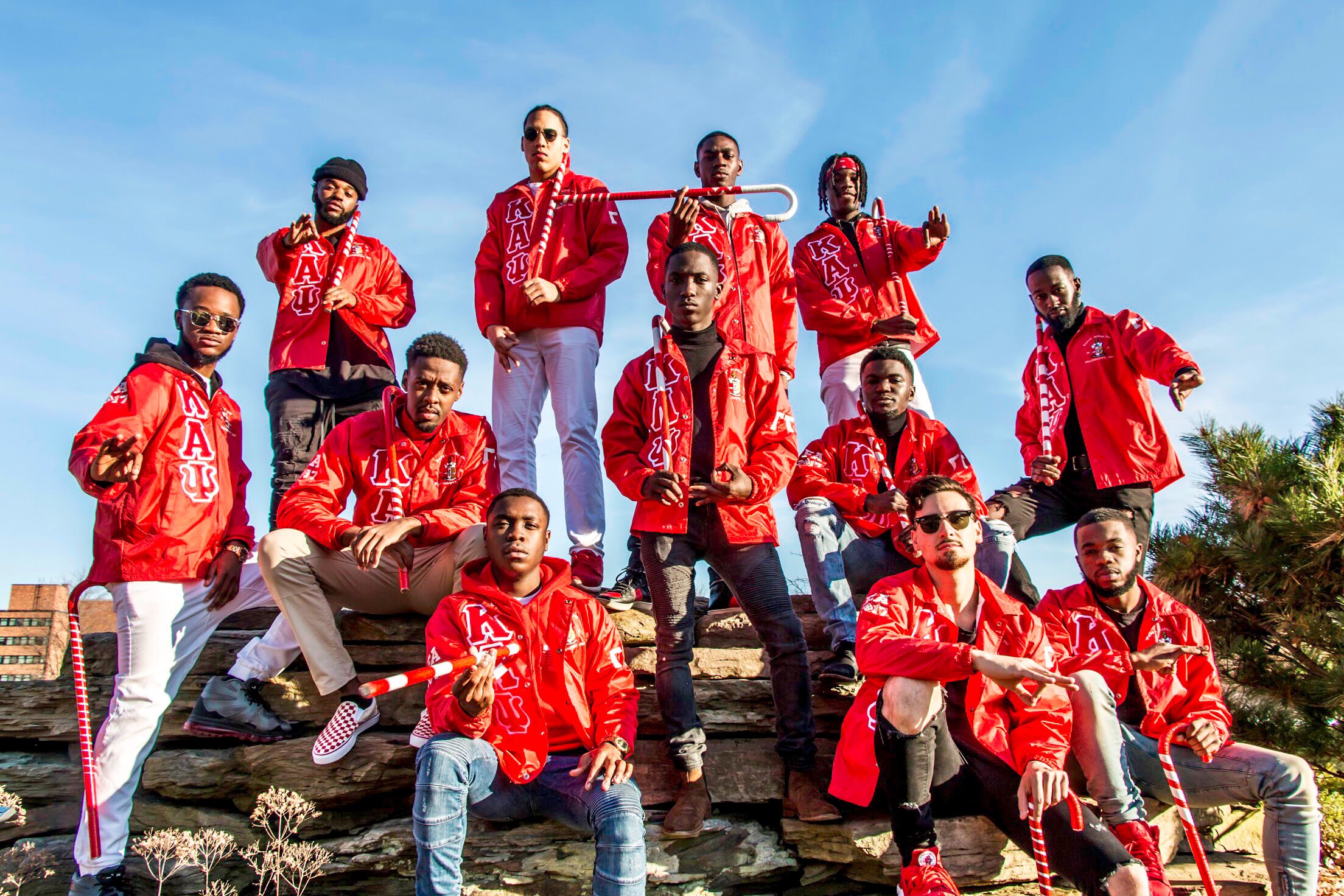
Kappas cane stepping relies on decorative wooden canes, historically referred to as "kane" or "tipper" sticks. Brothers spin, tap, flip, and toss these canes in synchronized cadences without breaking rhythm or dropping their grip. The movements demand exceptional hand-eye coordination and core control.
Then comes the shimmy. The move involves an isolated, rapid shaking of the shoulders accompanied by an assured, smiling expression directed at the audience. It is playful, rhythmic, and instantly recognizable. During annual campus showcases, chapters frequently host public competitions where sorority members and students compete in lighthearted versions of the routine to raise funds for community causes. On platforms like TikTok and Instagram Reels, clips tagged with these strolls regularly surpass viral thresholds, introducing global audiences to traditions born decades earlier on historically Black college quads.
| Tradition Element | Fraternity Expression (Kappa Alpha Psi) | Historical / Cultural Origin |
|---|---|---|
| The Canes (Kanes) | Decorative wooden canes twirled, spun, and caught during strolls and step routines. | 1950s, 1960s collegiate style adapted from Edwardian gentleman walking sticks. |
| The Shimmy | Rapid shoulder shake performed with swagger, charisma, and a composed facial expression. | Mid-century African American showmanship, social dance, and chapter stroll cultures. |
| The Name "Nupe" | Informal fraternal nickname ("Kappaman", "Nupe") used affectionately between members. | Colloquial evolution from original name Kappa Alpha Nu; parallels the Nupe people of Nigeria. |
| Official Colors | Crimson and Cream; worn in coordinated suits, blazers, and track jackets. | Adopted at founding in 1911 to signify dignity, boldness, and high achievement. |
Linguistic Origins: The Nupe People of Nigeria and the Moniker
While fraternity brothers embrace the moniker on campus, the word "Nupe" has an older, sovereign meaning on the African continent. The Nupe people of Nigeria reside primarily in the Middle Belt and Niger State along the Niger and Kaduna river basins. Known for their intricate bronze casting, glass beads, and weaving, the Nupe maintained a powerful historical emirate centered at Bida.
The monarch of this realm, titled the Etsu Nupe, commands immense civic and traditional reverence across West Africa. In recent addresses covered by The Nigerian Observer, the current Etsu Nupe, Alhaji Yahaya Abubakar, regularly convenes state discussions emphasizing national unity, education, and ethical governance. Benedict Aguele's public commendations of the crown celebrate the Etsu Nupe as an enduring symbol of African moral authority and institutional resilience.
How did an ancient Nigerian ethnic group become synonymous with an American fraternity founded in the Midwest? Historians point to two converging factors. First, when the fraternity was founded in 1911 as Kappa Alpha Nu, members were casually called "Nus" or "Nupes" by peers. Second, during the mid-twentieth century, as African American scholars and students connected their social organizations to pan-African history, the phonetic and cultural alignment between the fraternity's colloquial tag and the revered Nupe kingdom solidified. While the fraternity does not claim direct administrative descent from the Nigerian kingdom, the shared terminology serves as a bridge of respect across the diaspora.
Discipline Behind the Performance: The BGLO Step Show Tradition
Behind the five-second clips circulating on social platforms lies rigorous preparation. Stepping and strolling are not impromptu campus dances; they are rehearsed team disciplines governed by strict standards.
In the Black Greek Letter Organization step show tradition, precision is paramount. If one brother angles his cane two inches too high or missteps by half a beat, the visual symmetry of the entire eight-man line collapses. Preparation for major campus Greek showcases often requires four to six weeks of daily drilling.
Fraternity chapters combine sharp physical theater with service milestones. Before a line presents its stroll to an audience, members typically log extensive community volunteer hours, mentor local youth through programs like the Kappa League, and maintain strict academic grade point averages. The public performance celebrates brotherhood, discipline, and group cohesion earned behind closed doors.
Visual Identity and the Modern Kappaman
The aesthetic presentation of Kappa Alpha Psi remains unmistakable. The crimson jacket, the red-and-white striped cane, and the signature diamond hand sign communicate membership across international borders.
Alumni chapters continue these traditions well into professional life. From corporate boardrooms to national conventions, brothers wear crimson lapel pins and uphold traditions established during their undergraduate years. The cultural visibility achieved through social media has not diluted the fraternity's founding mission; instead, it has created a broader public appreciation for Black Greek collegiate history, demonstrating that style and serious civic achievement can exist side by side.
Frequently Asked Questions (FAQ)
Q1: Is "Nupe" the official name of the fraternity?
A1: No. The official name is Kappa Alpha Psi Fraternity, Inc. "Nupe" is an informal, widely accepted nickname used by members, Greek-life peers, and the general public, alongside "Kappaman."
Q2: Why do members of Kappa Alpha Psi carry canes?
A2: Canes became a fixture in the mid-twentieth century as a theatrical extension of stepping and strolling. They symbolize refinement, dignity, and historical showmanship, demanding immense hand-eye coordination during synchronized performances.
Q3: Are members of Kappa Alpha Psi related to the Nupe tribe of Nigeria?
A3: The fraternity is an American collegiate organization founded in 1911. While the name draws linguistic and historical parallels with the Nupe people of Nigeria and their royal seat under the Etsu Nupe, the fraternity's use of the moniker originated informally on campus and evolved into a celebrated cultural connection.
The Enduring Cultural Imprint of Kappa Alpha Psi
The viral popularity of modern stroll exhibitions reflects a century of calculated refinement rather than an overnight internet trend. When young men across the country lift their canes, lock step with their brothers, and flash the familiar crimson smile, they showcase traditions that kept Black collegiate leaders connected through decades of social upheaval. From its humble origins in 1911 Bloomington to worldwide digital recognition, the story of the Nupe proves that authentic brotherhood, academic achievement, and unmatched style will always hold the spotlight.


