Spotting Rare 'Diary of a Wimpy Kid' Editions: Real Covers vs. Internet Fan Art
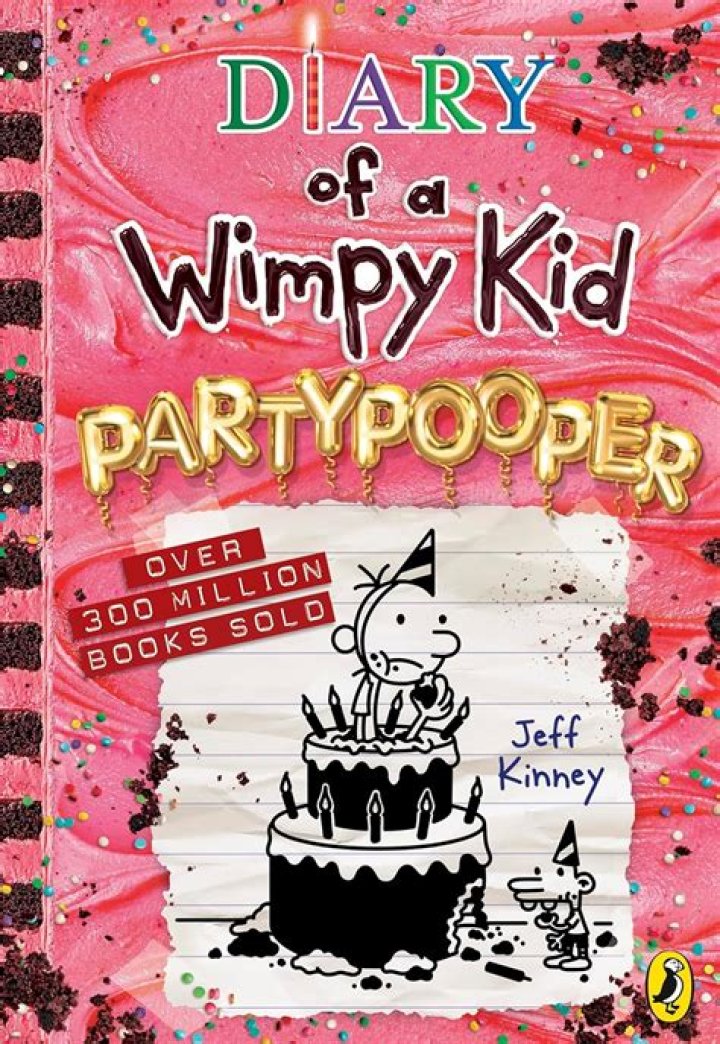
Viral short-form videos and community forums regularly circulate images of an eye-catching, lustrous golden volume attributed to Jeff Kinney’s iconic series. For younger collectors and long-time fans who grew up following Greg Heffley, the sight of a completely gilded hardcover triggers immediate curiosity. Speculation across auction sites has driven frantic queries about whether this represents a secret promotional run, an unreleased milestone reward, or an ultra-scarce distributor error.
Trade reporting frequently highlights how collector frenzy and limited print runs reshape the commercial landscape, as seen in market coverage from The Bookseller Report tracking high-velocity bestsellers. In the children's fiction sphere, where the Wimpy Kid franchise boasts over 275 million copies in print worldwide, distinct cover variations inevitably spawn modern folklore. Disentangling real archival printings from digital hoaxes requires looking straight at the production history of Abrams Books.
📌 Key Takeaways:
- The Core Reality: Abrams Books has never manufactured a completely solid gold hardcover of the mainline novels; full-gold covers circulating online originate as fan art and digital concept renders.
- Legitimate Variants: Authentic specialty releases do exist, including select anniversary foil-stamped editions, retailer slipcases, and author-signed tour printings.
- Collector Protection: Genuine copies always carry verifiable ISBN numbers matching official catalog listings, specific printer number lines, and standard Abrams publishing imprints.
The Viral Phenomenon Behind the Mythical Golden Cover
The rumor of a solid gold Diary of a Wimpy Kid volume gained traction on Reddit communities like r/LodedDiper before migrating to TikTok and Instagram reels. Enthusiasts frequently design hypothetical editions using Blender and Photoshop, rendering Greg Heffley’s cartoon likeness against gleaming, reflective gold foil. Because Kinney assigned a distinct, saturated monochrome color to each installment, red for the 2007 debut, blue for Rodrick Rules, green for The Last Straw, fans naturally imagined a metallic gold cover as the ultimate collector piece.
Context gets lost when these digital mockups cross platforms. Algorithmic clipping frequently removes artist watermarks and attribution tags. Within weeks, speculative commentary rebrands a 3D graphic demonstration as an elusive warehouse discovery. Unsuspecting buyers quickly flock to resale boards seeking out phantom inventory, confusing clever artistic tributes with bona fide publisher releases.
Official Abrams Books Variants: What Actually Exists
Abrams Books and its imprint, Amulet Books, have certainly produced specialized packaging to mark franchise milestones. When the series crossed its tenth anniversary, the publisher issued commemorative box sets and promotional merchandise featuring accented lettering. Certain special anniversary release volumes incorporated localized foil stamping onto Greg Heffley's silhouette or the title lettering, but the base cloth or paper wrap maintained standard thematic colors.
Retail partners have occasionally secured exclusive packaging. Barnes & Noble and independent booksellers have carried versions featuring tipped-in signature plates or exclusive promotional stickers. Kinney himself has autographed hundreds of books during cross-country tours aboard customized tour buses. Yet throughout these legitimate promotions, the production architecture remained standardized. No secret run substituted the iconic matte paper cover wraps for full-body mirrored gilding.
Real Editions Versus Online Fan Art: The Definitive Breakdown
Separating tangible print history from internet folklore requires examining physical specifications. The following table contrasts verified production variants against widespread online fabrications.
| Edition Type | Official Status | Distinguishing Visual Marks | Market Reality / Value |
|---|---|---|---|
| Original First Edition Hardcover (2007) | Official / Authentic | Matte red cover, full number line (10, 1), $12.95 USD cover price | $250, $650 depending on condition and signature |
| Foil-Accented Milestone Box Sets | Official / Authentic | Standard color hardcovers housed inside metallic slipcases | $40, $90 retail and secondary price |
| "Solid Gold" Viral Hardcover Concept | Internet Fan Art / Myth | Mirror-finish metallic wrap, missing standard ISBN barcode | $0 (Non-existent commercially; custom home crafts only) |
| Publisher Proof / Promotional Variant | Official / Rare | Softcover advance reading copies (ARCs), "Not for Sale" notices | $75, $200 among serious bibliophiles |
| Genuine Printing Error (Foil Bleed / Shift) | Official / Hardcover Misprint | Inverted cover wraps, missing spine text, misaligned debossing | $20, $50 novelty premium |
Verifying Authenticity: ISBNs, Copyright Leaves, and Foil Stamping
Book authenticity verification rests entirely on physical printing details. Every commercial book produced by Abrams Books holds an International Standard Book Number registered with national bibliographic agencies. If an online listing advertises a rare collector's edition that lacks an identifiable ISBN-13 matching official catalog entries, the item cannot be verified as authentic.
Inspect the copyright leaf positioned directly behind the title page. A genuine print run features a complete printer sequence line, legal deposit notations, and cataloging data from the Library of Congress. Physical binderies produce covers by gluing printed paper over dense greyboard. While legitimate manufacturing errors happen, such as inverted signatures or incomplete ink transfers, a bindery does not accidentally substitute standard stock for reflective gold foil across an entire printing batch.
First Edition Values and Market Realities in the Resale Space
High prices in the Wimpy Kid aftermarket belong to authentic historical milestones rather than internet rumors. True first-printing copies of the 2007 debut volume command hundreds of dollars from serious collectors. These copies must show the number sequence 10 9 8 7 6 5 4 3 2 1 on the copyright page alongside the original publication price.
Amateur sellers occasionally coat standard copies in custom metallic vinyl wraps before listing them as rare promotional variants. Experienced buyers steer clear of these altered artifacts. A genuine collector assigns zero value to post-market modifications, regardless of how neatly the vinyl matches internet fan art. Value requires untouched original condition, complete with authentic dust jackets or clean, uncracked spine hinges.
The Enduring Collector Cult Around Greg Heffley’s World
The persistent belief in an all-gold book speaks directly to Jeff Kinney's massive cultural imprint. Readers who encountered the series during elementary school are now adults with disposable income and a nostalgic desire to preserve childhood touchstones. Greg Heffley’s black-and-white diary format created an instantly recognizable design language that invites parody, customization, and tribute art.
Online fan communities continue to generate alternate universe covers, meme books, and custom mockups at a rapid clip. While creative reinterpretation keeps fan discourse vibrant, maintaining healthy skepticism protects buyers from deceptive auction listings. Recognizing the difference between artistic imagination and verifiable publishing history remains essential for anyone exploring this modern collecting space.
Frequently Asked Questions (FAQ)
Q1: Did Jeff Kinney ever authorize an official all-gold Diary of a Wimpy Kid book?
A1: No. Neither Jeff Kinney nor Abrams Books has ever published an all-gold cover for the mainline series. All fully gilded covers appearing across social platforms are either digital concept renders or home-crafted custom wraps.
Q2: How much is an authentic first edition of Diary of a Wimpy Kid worth?
A2: A genuine 2007 first-printing hardcover of the original red book in fine condition typically sells between $250 and $650. Copies personally signed by Jeff Kinney during early promotional stops can command even higher figures.
Q3: How can I spot a fake or altered Wimpy Kid book on online marketplaces?
A3: Cross-check the 13-digit ISBN on the back cover against the official publisher directory, inspect the copyright page for a valid printing sequence, and examine the board edges for bubbling vinyl that indicates an aftermarket metallic wrap.
Navigating the Wimpy Kid Collector Market in 2026
Modern internet folklore moves quickly, often turning harmless fan mockups into expensive collector rumors within a few viral cycles. Protecting yourself against inflated listings requires sticking to cold bibliographic facts. Genuine milestone printings from Abrams Books will always leave an official trail across industry databases, copyright offices, and authorized trade catalogs.
Treat unverified auction claims with healthy skepticism. Enjoy creative digital designs for what they are, clever tributes from an active fandom, while reserving your collector budget for documented first printings, author-signed tour copies, and verified publisher editions.


