The Anatomy Behind the Sound: What Happens Inside During Vaginal Air Release
The sudden, resonant acoustic pop during an inverted yoga posture or a shift in sexual cadence regularly catches people off guard. For decades, cultural taboos turned this involuntary bodily noise into a source of private mortification. Yet, physiologically speaking, the event is nothing more than displaced atmospheric gas escaping a collapsed muscular tube.
Clinical practitioners refer to the phenomenon as vaginal flatulence or garrulitas vulvae. As documented in investigative wellness coverage by a VICE Report exploring pelvic floor mechanics, this sound shares no biological relationship with gastrointestinal gas. Understanding why trapped air enters and exits the vaginal canal dispels unnecessary shame while clarifying when an unusual sound signals an underlying gynecological health issue.
📌 Key Takeaways:
- Core Mechanical Cause: Vaginal flatulence occurs when trapped air enters the vaginal canal due to negative pressure or physical displacement and gets forcefully expelled past the labia.
- Zero Digestive Connection: Unlike anal flatulence, vaginal gas contains ambient room air rather than fermented methane or sulfur, making it naturally odorless.
- Primary Triggers: High-friction penetration during sexual intercourse, inverted exercise and yoga positions, and changes in pelvic floor muscle tone generate the mechanical conditions required for involuntary air release.
- Clinical Boundary: Persistent foul odors or stool leakage alongside gas passage indicates a rare anatomical complication, such as a rectovaginal fistula, requiring immediate medical evaluation.
Vaginal Canal Anatomy and How Air Enters
The human vagina does not remain an open hollow cavern at rest. Its anterior and posterior walls sit pressed flat against one another, cushioned by mucosal folds known as rugae. This structure forms a potential space rather than an empty cylinder.
Air enters this space when physical forces overcome the natural resting seal. During shifts in posture or physical manipulation, the pelvic walls separate. If the introitus, the external opening, expands, ambient atmospheric pressure forces external air inward to fill the temporary void. Once the body alters position again, the elastic tissue snaps inward. The vaginal canal anatomy acts like an acoustic reed in a wind instrument: as the pelvic floor muscles contract, they drive the pocket of trapped air through the moistened labial folds, creating a sharp, flatulent vibration.
Friction, Intimacy, and Involuntary Air Release
Sexual intercourse remains the most widely cited catalyst for vaginal flatulence. When an object, finger, or penis moves repeatedly in and out of the vaginal vault, it behaves like a manual piston. Each outward stroke creates a small vacuum pocket; each inward stroke packs ambient air deeper into the posterior fornix, the widened recess behind the cervix.
A reporting feature published by HuffPost underscored that positioning directly dictates air volume. Rear-entry positions tilt the pelvis forward and drop the internal organs toward the abdominal wall. This gravitational pull pulls the vaginal ceiling upward, maximizing internal volume and sucking in air pockets. Once thrusting stops or angles change, pelvic contractions force that compressed bubble out in a rapid burst. It carries no biological harm, nor does it reflect arousal levels or personal hygiene.
Movement, Inversions, and Pelvic Floor Dynamics
Athletic training regularly triggers involuntary air release without any sexual component. Activities involving rapid intra-abdominal pressure changes, such as heavy squats, gymnastics routines, and core Pilates, draw air past the introitus. Inverted exercise and yoga positions, notably Shoulder Stand (Sarvangasana) and Downward-Facing Dog, produce distinct mechanical shifts.
When the hips elevate above the chest, gravity drags the abdominal viscera toward the diaphragm. This anatomical shift creates negative pressure inside the pelvis. The vaginal walls stretch open, drawing room air into the upper canal. The moment the practitioner lowers their hips back to the mat, positive intra-abdominal pressure returns. The air evacuates immediately. Pelvic physical therapists emphasize that this acoustic release is an ordinary physical consequence of fluid mechanics rather than poor physical control.

Distinguishing Normal Air Release from Clinical Conditions
Most occurrences of vaginal gas represent standard physical responses to pressure variations. However, structural damage to the pelvic diaphragm or tissue walls can alter how often gas escapes, and what accompanies it.
| Condition / Occurrence | Physical Origin | Aroma Profile | Action Required |
|---|---|---|---|
| Routine Vaginal Flatulence | Atmospheric air trapped during sex, yoga, or rapid athletic movement. | Odorless; matches normal ambient air. | None; normal physical reaction. |
| Pelvic Floor Dysfunction | Hypotonic (loose) or hypertonic (spastic) muscles failing to stabilize canal closure. | Odorless. | Targeted pelvic floor physical therapy and biofeedback. |
| Rectovaginal Fistula | Abnormal tissue tract connecting the rectum to the posterior vaginal wall. | Fecal, sulfurous, or intensely pungent. | Surgical intervention and diagnostic imaging. |
| Pelvic Organ Prolapse | Bladder, uterus, or bowel descending into the canal, altering internal geometry. | Odorless unless paired with secondary infection. | Pessary fitting, specialized core training, or surgical repair. |
The definitive factor separating benign noise from pathology is aroma. Intestinal flatulence smells because gut microbes produce hydrogen sulfide and methane during digestion. The vagina does not house digestive flora. Therefore, vaginal gas odor does not naturally exist. If gas escaping the front produces a distinct fecal smell or coincides with stool spotting, a rectovaginal fistula must be ruled out immediately. These structural tears typically stem from prolonged labor trauma, third- or fourth-degree obstetric lacerations, Crohn’s disease flare-ups, or pelvic radiation therapies.
The Role of Pelvic Floor Muscle Conditioning
The levator ani muscle group spans the bottom of the pelvis like a supportive hammock. These muscles maintain continuous baseline tone to support the bladder, uterus, and bowel, while resisting unwanted air intake. When this muscular sling becomes compromised, the frequency of involuntary air release often jumps.
Following vaginal childbirth, systemic hormonal shifts, or heavy physical strain, muscle tissue can become hypotonic, meaning it lacks sufficient baseline tension. A lax pelvic opening permits air to slip inside during basic daily movements like getting out of an automobile or ascending stairs. Conversely, a hypertonic pelvic floor, where muscles remain chronically clenched and unable to relax, can lock pockets of air inside the upper canal until they release suddenly with force.
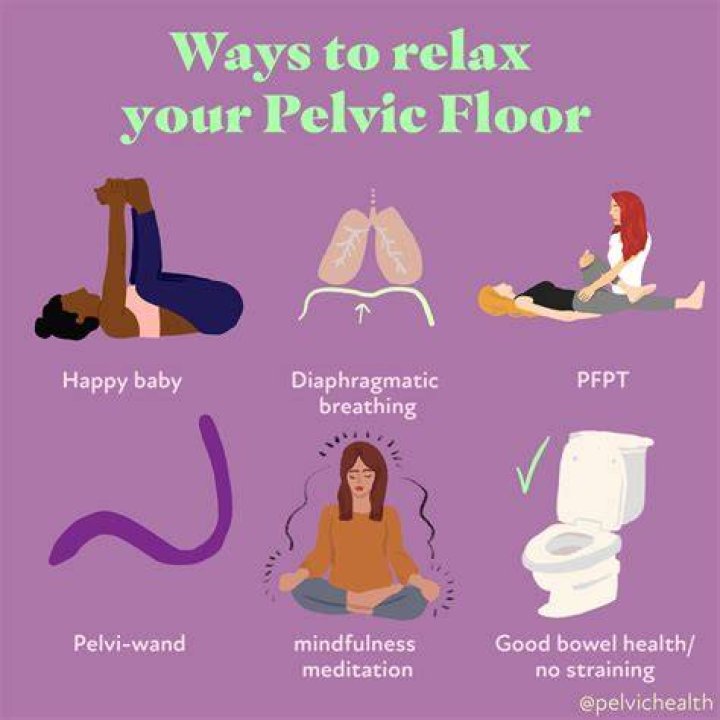
Working alongside a specialized pelvic floor physical therapist helps resolve persistent episodes. Practitioners utilize surface electromyography (sEMG) to assess muscle recruitment, teaching patients how to coordinate deep core activation with diaphragmatic breathing. Rebalancing these muscle layers prevents the unintended vacuum effect that pulls external air inward.
Frequently Asked Questions (FAQ)
Q1: Can a person intentionally prevent or stop a queef from happening?
A1: Complete conscious control is difficult once air enters the canal. Engaging the pelvic floor muscles (a gentle Kegel contraction) before shifting positions or changing angles during exercise can stabilize the introitus and reduce air intake. If air is already trapped inside, shifting weight forward or gently contracting the abdominal wall will expel it smoothly rather than holding it under pressure.
Q2: Why does vaginal flatulence happen more often after giving birth?
A2: Vaginal delivery stretches the soft tissue, fascia, and levator ani muscles that keep the vaginal walls resting against each other. During the postpartum recovery window, this expanded canal geometry allows room air to enter much more freely during routine movement. Rehabilitating the transverse abdominis and pelvic floor assists in restoring normal resting closure.
Q3: Does a queef mean that someone has a loose vaginal canal?
A3: No. Air intake is an issue of atmospheric physics, angles, and pressure changes, not canal dimensions. Highly toned athletes, including professional dancers and gymnasts, frequently experience it during floor work because their strong muscles generate powerful internal vacuums during intense movement.
Reframing Normal Pelvic Mechanics
The human body operates through pressure chambers, fluid balances, and soft tissue interfaces. It is naturally noisy. Vaginal flatulence is not a hygiene failing, a sign of anatomical inadequacy, or a medical crisis. It is atmospheric gas behaving predictably under physical pressure.
As medical literacy expands, social embarrassment gives way to anatomical understanding. Recognizing how pelvic muscles, positioning, and movement interact removes the stigma surrounding simple physical sounds. Aside from rare structural abnormalities marked by pain or foul odors, vaginal air release is an entirely safe, standard biological event.