The Complete Guide to Queefing: Causes, Prevention, and When to Worry
The sudden, audible release of air from the vaginal canal often catches people completely off guard, provoking embarrassment or needless medical anxiety. Yet, physiologically, this event has no connection to digestion or gastrointestinal distress. Known colloquially as a queef and medically termed flatus vaginalis or vaginal flatulence, it represents a basic mechanical reaction: displaced ambient air exiting a flexible muscular passage. As highlighted in a detailed HuffPost Report on intimate body mechanics, sexual health educators and physicians emphasize that this sound is entirely typical, harmless, and experienced by virtually everyone with a vagina at some point in their lives.
📌 Key Takeaways:
- The Core Mechanism: A queef occurs when ambient air gets pushed into the vaginal canal and is forcefully expelled by muscle contractions or shifts in body position.
- Odor & Composition: Because it consists of ordinary room air rather than digestive byproduct gases, vaginal flatulence is completely odorless in healthy individuals.
- Clinical Thresholds: Trapped air is benign unless accompanied by foul odors, fecal discharge, or pain, which can indicate structural complications like a rectovaginal fistula.
How the Vaginal Canal Traps and Expels Atmospheric Air
The vagina does not exist as an open, rigid cylinder. In its resting state, the vaginal walls collapse inward against each other. When an object, penis, finger, or medical speculum enters the canal, or when surrounding muscles relax and stretch, a temporary vacuum forms. Air slips inside past the labia. As soon as the internal volume decreases or surrounding pressure rises, that trapped air escapes through the introitus, causing the mucosal surfaces to vibrate and create a distinctive sound.
Pelvic floor muscles dictate much of this process. The pubococcygeus and wider levator ani group form a muscular sling supporting the bladder, uterus, and bowel. When these muscles shift between tension and relaxation, they alter the pressure gradient of the vaginal vault. An involuntary air release simply signals that pressure inside the canal surpassed the resistance of the vaginal opening. It requires no digestion, no bacterial fermentation, and no gastrointestinal pathway.
Why Sexual Intercourse and Specific Yoga Positions Trigger Vaginal Gas
Certain activities act as physical pumps, directly drawing air into the vaginal vault. Sexual intercourse represents the most frequent trigger. Repeated penetration operates much like a piston inside a chamber. As a partner penetrates and withdraws, air is pushed upward toward the posterior fornix. When changing positions or following deep thrusting, the collected volume pushes outward all at once. Positions involving elevated hips, such as rear-entry or legs-elevated angles, use gravity to pool air naturally at the top of the canal.
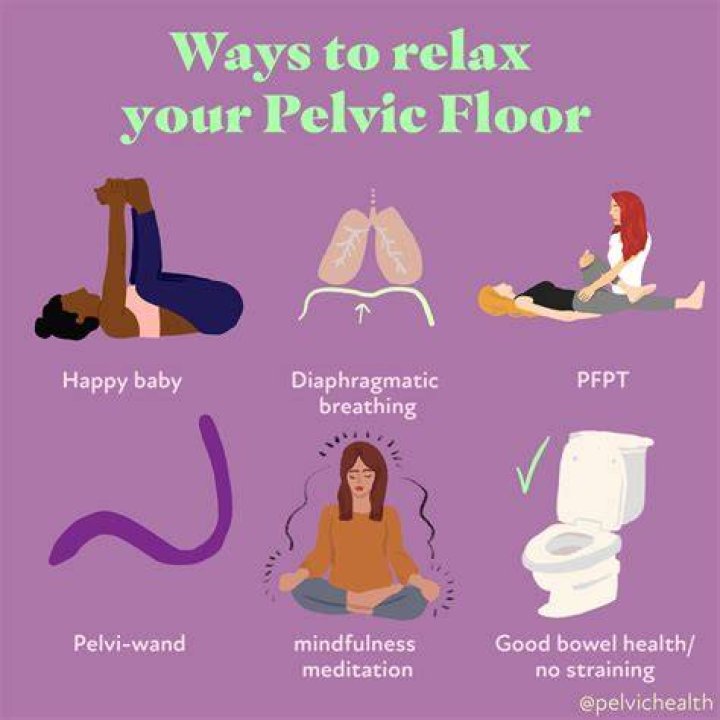
Physical fitness routines create an identical environment. Exercise and yoga positions that invert the pelvis, most notably Downward-Facing Dog, shoulder stands, Happy Baby, and deep squats, stretch the pelvic floor while tilting the pelvis forward. The negative pressure created in the abdominal cavity pulls outside air straight into the canal. Standing back up or transitioning to the next pose compresses the tissue, immediately pushing the air out. The occurrence is purely mechanical, reflecting standard musculoskeletal dynamics rather than poor physical conditioning.
Vaginal Flatulence vs. Intestinal Gas: Clinical Differences and Misconceptions
Widespread social confusion stems from the sound itself, which mimics anal flatulence. However, their biological origins and chemical compositions share nothing in common. Intestinal gas forms in the gut through the enzymatic breakdown of food by colon bacteria, generating methane, hydrogen, and sulfur compounds. Vaginal gas is merely nitrogen and oxygen from the ambient room.
| Characteristics | Vaginal Gas (Queef) | Intestinal Flatulence | Rectovaginal Fistula |
|---|---|---|---|
| Air Source | Ambient room air mechanically trapped inside | Microbial fermentation in the lower digestive tract | Bowel gas leaking into the vagina via an abnormal tract |
| Odor Profile | Completely odorless | Often pungent (sulfur, mercaptans, skatole) | Distinctly fecal or decaying odor |
| Typical Triggers | Penetrative sex, yoga inversions, intense core workouts | Dietary breakdown, carbonated drinks, slow motility | Spontaneous, persistent leaks unrelated to exercise |
| Medical Significance | Physiologically normal; requires zero treatment | Normal metabolic byproduct | Pathological condition requiring surgical intervention |
Because regular vaginal gas contains no sulfur, it leaves behind no scent. If someone detects an offensive or rotting smell alongside air release, the underlying cause is not standard air displacement. It points toward either a concurrent infection or a tissue defect between internal organs.
Postpartum Changes and the Mechanics of Pelvic Floor Tone
The frequency of involuntary air expulsion often changes dramatically across a person’s lifespan, particularly after childbirth. Vaginal delivery stretches the connective tissues, muscles, and nerves running through the pelvic diaphragm. In the weeks and months following delivery, postpartum changes in tissue laxity make it easier for air to slip inside during normal movement.
Clinical data shows that roughly 20% to 35% of women report a noticeable uptick in vaginal flatulence during the initial six months postpartum. When the muscles lack baseline tone, the vaginal opening does not close as firmly at rest, facilitating air ingress. Conversely, hypertonic pelvic floor dysfunction, where the muscles remain pathologically tight and unable to relax, can also trap pockets of air by creating irregular internal structural shelves. Targeted pelvic floor physical therapy often resolves frequent, disruptive episodes by restoring both strength and motor control to the levator ani.
When Trapped Air Signals an Issue: Rectovaginal Fistula and Gynecological Health
While standard vaginal gas is completely harmless, persistent air accompanied by other symptoms demands formal medical evaluation. The most significant structural disorder tied to this symptom is a rectovaginal fistula. This is an abnormal epithelialized tract connecting the lower rectum directly to the vaginal wall.
Rectovaginal fistulas are uncommon, occurring in fewer than 1% of uncomplicated vaginal deliveries, but risk rises to roughly 3% to 5% following severe third- or fourth-degree perineal tears. Other causes include Crohn’s disease flare-ups, pelvic radiation therapy, or complications from colorectal surgery. When a fistula is present, intestinal gas and liquid stool pass directly through the vagina. Patients notice a foul, fecal odor, chronic brown or yellow discharge, and recurring vaginitis or urinary tract infections.
It is equally important not to confuse routine air movement with bacterial vaginosis (BV) or trichomoniasis. Bacterial vaginosis represents a microbial imbalance where anaerobic bacteria overgrow normal Lactobacillus colonies. BV produces a watery grayish discharge and a distinct "fishy" odor caused by volatilized amines, but it does not produce trapped air pockets. If air release occurs alongside persistent itching, burning during urination, abnormal discharge, or odor, a gynecological health exam is essential to isolate the infection from normal biomechanical events.
Frequently Asked Questions (FAQ)
Q1: Why does a queef happen during tampon insertion or cup removal?
A1: Introducing any device into the vaginal canal carries air along with it. When inserting a tampon, the applicator introduces a small pocket of atmospheric air into the upper canal. Similarly, removing a menstrual cup breaks an airtight silicone seal, which can draw air inward that later escapes as the pelvic muscles contract.
Q2: Can you prevent vaginal gas from happening during sex?
A2: Complete prevention is unrealistic because the anatomy naturally expands when aroused. However, adjusting penetration angles, opting for smoother continuous strokes instead of repeated shallow withdrawals, and avoiding positions with extreme pelvic elevation can significantly reduce the amount of air pumped into the canal.
Q3: Does having frequent vaginal flatulence mean my pelvic floor is weak?
A3: Not necessarily. While pelvic laxity can facilitate air entry, elite athletes, gymnasts, and dedicated yoga practitioners experience it frequently due to strong diaphragmatic breathing, inverted postures, and deep core contractions that create transient vacuum pressures.
Rethinking Vaginal Flatulence in Gynecological Care
Vaginal flatulence remains weighed down by misplaced stigma, yet it represents nothing more than basic physics interacting with human anatomy. As medical practitioners continue dismantling antiquated taboos around sexual health, recognizing the mechanical reality of trapped air helps eliminate needless personal embarrassment. Paying attention to your body means monitoring for true clinical red flags, foul odors, painful intercourse, or unexplained discharge, while accepting that harmless sounds during movement or intimacy are simply proof of an adaptable, functioning anatomy.