The Clone Hero Chart Revolution: How Custom Songs Revived Rhythm Gaming Ahead of Sound System
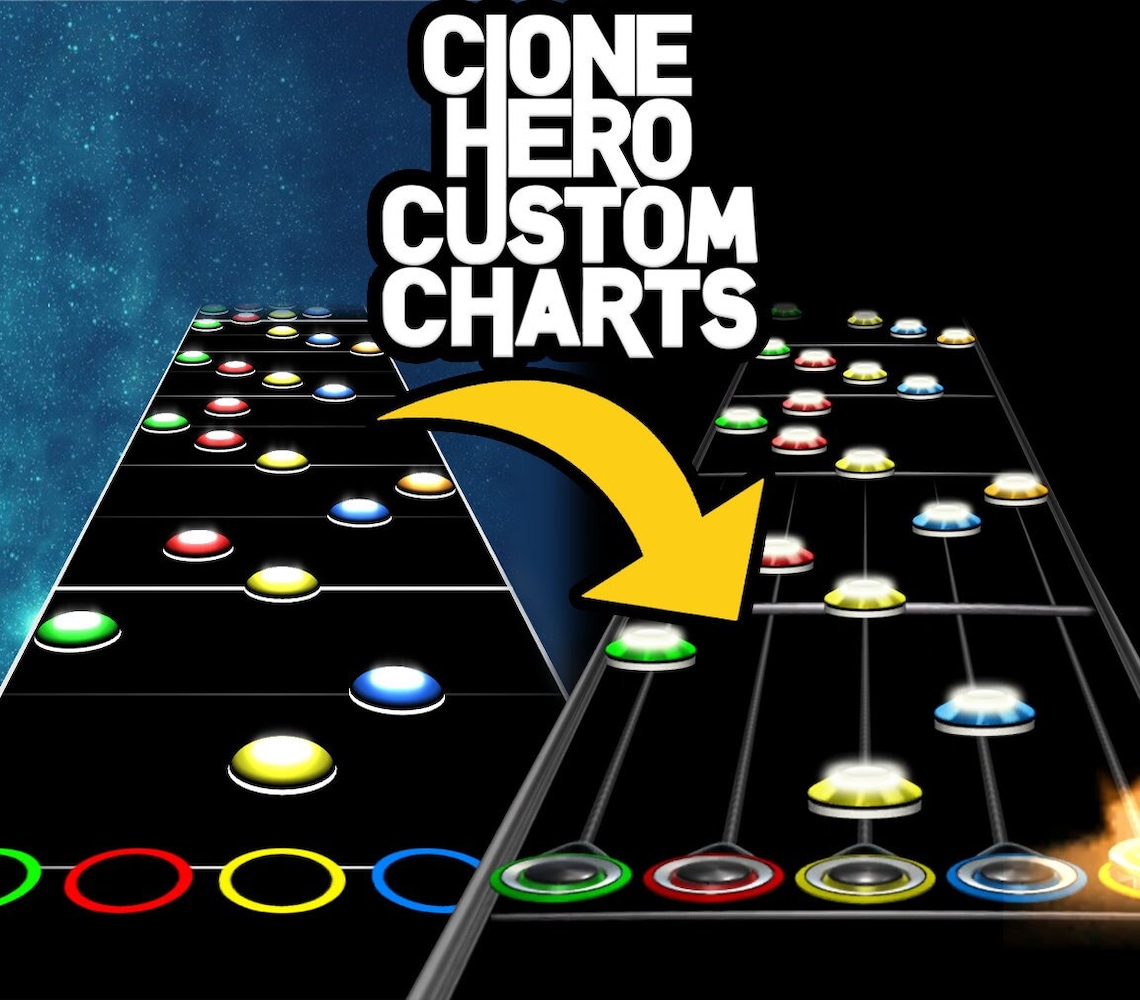
When major publishers abandoned rhythm gaming in the mid-2010s, they left behind closets full of deteriorating plastic peripherals and millions of stranded players. Fast-forward to 2026, and the genre is enjoying an unexpected commercial revival marked by Xbox announcements of licensed hardware like the 'Telecaster Edition' controller and fresh developer projects like Sound System. Yet this corporate return owes almost everything to a decade of grassroots survival led by Clone Hero charts, an open-source movement that kept the note highway alive when the retail industry considered it dead. As documented in a recent GamesHub report exploring how players navigate peripheral shortages without spending absurd sums on vintage gear, the ecosystem refused to die because fans simply built what studios wouldn't.
The transformation was driven by precision. Rather than settling for nostalgic reruns of mid-2000s radio rock, independent charters turned the rhythm game platform into a digital performance art. They translated impossible, hyper-technical prog-rock pieces like Polyphia's guitar acrobatics into intricate five-fret tap patterns, cataloged thousands of user-generated charts, and engineered modern tools that outperformed retail software engine code.
📌 Key Takeaways:
- Community Preservation: Independent charters salvaged legacy content by converting entire Guitar Hero and Rock Band disc archives into standardized open-source formats.
- Technical Evolution: Sophisticated charting utilities elevated song complexity far beyond classic retail titles, making math rock and shred guitar viable playable tracks.
- The Hardware Pipeline: Enthusiasts solved a brutal peripheral shortage through custom micro-controller modifications and 3D printing, paving the way for commercial hardware releases in 2026.
The Bedroom Coding Movement That Rebuilt the Note Highway
Clone Hero started as a humble Unity project built by srylain in the late 2010s, designed to eliminate the input lag and calibration headaches that plagued console releases. The timing was critical. Activision had put Guitar Hero on ice following the commercial fizzle of Guitar Hero Live, while Harmonix shifted focus away from big-box instrument bundles. Players who wanted sub-millisecond visual precision had nowhere to turn.
The response was entirely organic. Open-source rhythm games stepped into the vacuum, giving enthusiasts direct control over framerates, video offsets, and lane speed multipliers. Suddenly, players were no longer tethered to a living room TV with sluggish latency. A lightweight desktop client could run at 500 frames per second on basic PC hardware, delivering lightning-fast input feedback that retail console discs could never match.
That mechanical reliability attracted competitive players who had long outgrown conventional rhythm titles. Streamers turned ultra-difficult custom songs into viral entertainment, racking up millions of views while demonstrating finger-tapping patterns that bordered on superhuman dexterity. The engine provided the responsive canvas; the community provided the art.
From Classic Setlists to Polyphia: The Technical Leap in Charting
The early days of custom chart downloads focused on preservation. Volunteers systematically ripped, synchronized, and repackaged official Guitar Hero setlists and Rock Band conversions, ensuring entire disc libraries from 2005 through 2015 remained playable on modern operating systems. But preservation quickly evolved into outright innovation.
Traditional games mapped charts conservatively. Publishers had to consider casual players using standard peripherals, keeping note densities manageable and avoiding finger stretches that might generate customer complaints. Independent charters discarded those commercial limits. Armed with Moonscraper Chart Editor, creators began mapping modern progressive metal, Japanese fusion jazz, and electronic breakcore with microscopic accuracy.
Polyphia's discography stands as the prime example of this charting revolution. Tracks like "Playing God" and "G.O.A.T." feature hybrid picking, flamenco flourishes, and rapid natural harmonics. Charters mapped these nuanced techniques using open notes, tap sequences without strum requirements, and intricate hammer-on pull-off ladders that demanded precise two-handed fretting. The note highway mapping evolved from a simplified toy into an authentic rhythmic transcription tool.
The Archival Architecture: How Chorus Unified the Community
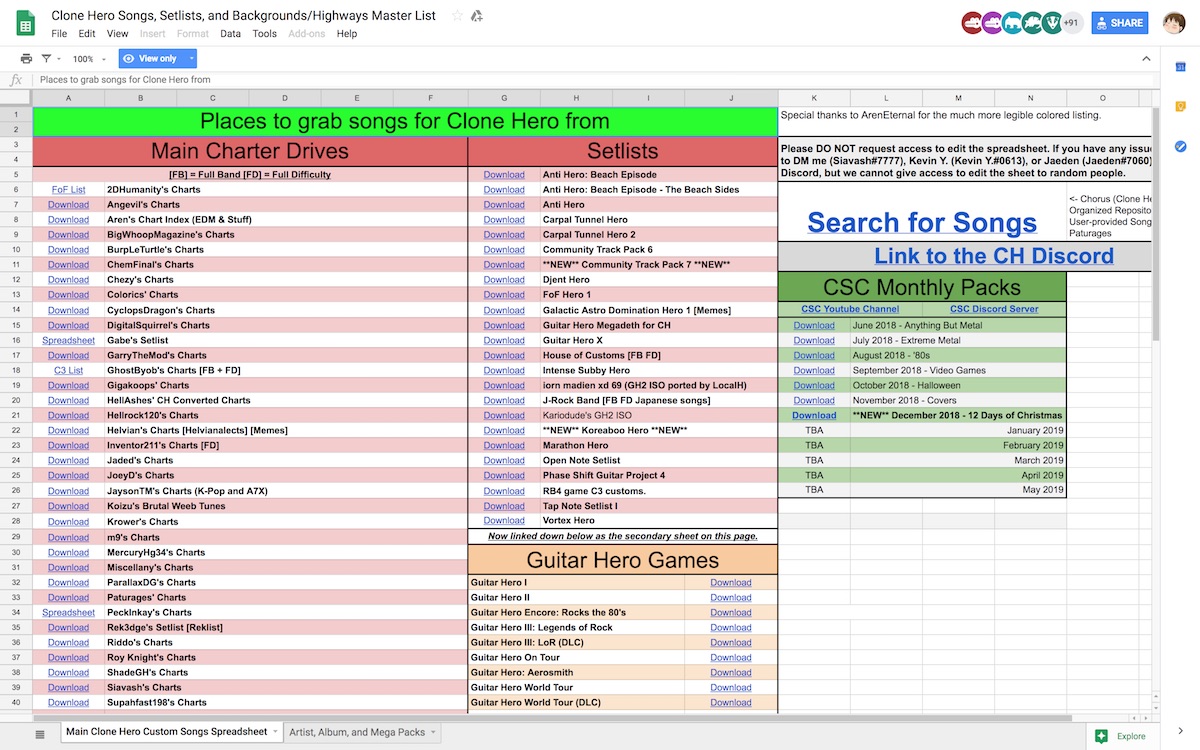
Scattered Google Drive folders and broken MediaFire links threatened the early custom music scene with massive file rot. If a prominent charter closed their account, dozens of classic song packs vanished overnight. The solution arrived through structured indexation engines, primarily the Chorus song repository.
Chorus organized community track packs through automated metadata scraping, enabling players to search by artist, charter name, musical genre, or specific mechanics like tap-note prevalence and open strumming. It shifted custom songs from a chaotic file-sharing underground into a searchable streaming-style index. Charters gained reputations based on timing precision, dynamic tempo maps, and chart consistency.
| Evolution Era | Content Sourcing & Mapping | Hardware Ecosystem |
|---|---|---|
| The Retail Era (2005, 2015) | Licensed master tracks; hard caps on note density; closed studio-produced setlists. | Mass-produced console bundles; proprietary wireless dongles; high input latency. |
| The Custom Preservation Wave (2016, 2023) | Full disc legacy conversions; emergence of Moonscraper; fan-curated Chorus database. | Thrift store hunting; ballooning secondary market prices ($150, $300 for clean guitars). |
| The Modern Ecosystem (2024, 2026) | Micro-beat mapping; open-note progressive charting; multi-track STEM integration. | Raspberry Pi Pico DIY modding; mechanical switch frets; commercial Telecaster controllers. |
This organized curation turned Clone Hero into an educational archive. Aspiring drummers, bassists, and guitarists used the software to slow down complex rhythmic arrangements to 50% speed, isolating difficult passages to study timing patterns before attempting them at full performance tempo.
The Great Peripheral Drought and the DIY Hardware Fix
Software freedom quickly collided with physical equipment scarcity. As consumer interest rebounded, the supply of functioning plastic guitar controllers dried up. Ten-year-old Xbox 360 Les Pauls and Wii guitars began fetching inflated sums on second-hand markets, often arriving with damaged strum switches or degraded capacitor boards.
Rather than surrendering to scarcity, the community applied engineering ingenuity to the problem. Modders started stripping broken guitars, gutting old circuits, and dropping in inexpensive $4 Raspberry Pi Pico microcontrollers loaded with custom firmware like Santroller. They swapped squishy rubber dome frets for tactile mechanical keyboard switches, offering ultra-crisp actuation and 1,000Hz polling rates over direct USB connections.
Makers followed up by publishing open-source 3D CAD files for guitar bodies, neck designs, and strum bars, allowing players to build brand-new instruments without needing original donor shells. This homebrew hardware pipeline kept the entry barrier low, demonstrating sustained market demand and directly encouraging traditional manufacturers to greenlight commercial controllers for current platforms.
Commercial Revival: How Sound System and New Gear Rely on Fan Foundations
The resurgence of rhythm gaming in 2026 is no accident. The announcement of upcoming projects like Sound System, alongside fresh hardware releases, shows corporate publishers recognizing the passionate audience that fan developers cultivated during the lean years.
In developer discussions regarding Sound System, the team acknowledged that modern rhythm titles must embrace user-created songs and affordable content pipelines from launch. Commercial developers can no longer gatekeep song libraries behind restrictive, expensive DLC packs while offering rigid track layouts. The expectations have shifted permanently.
Players now demand expert charting difficulty, customizable note skins, flexible practice modes, and multi-track audio options as baseline features. By setting the gold standard for software responsiveness and user freedom, the community charting scene proved that rhythm gaming was never a passing fad. It was a legitimate, permanent gaming subculture that merely needed the right tools to flourish.
Frequently Asked Questions (FAQ)
Q1: What software is used to create custom Clone Hero charts?
A1: The primary application is Moonscraper Chart Editor, a dedicated open-source utility designed specifically for five-fret and guitar-focused rhythm game charting. It provides millisecond-accurate tempo mapping, visual audio waveform displays, multi-track audio stem alignment, and simple export pipelines into formats read natively by Clone Hero.
Q2: How do players search for and download community songs?
A2: Most players search indexed web databases like Chorus (and its modern forks such as Chorus Encore). These search engines allow users to filter hundreds of thousands of songs by artist, difficulty level, release year, charting author, and specific mechanics like open notes or tap frets.
Q3: Can modern retail controllers be used for Clone Hero?
A3: Yes. Modern commercial hardware, alongside legacy peripherals connected via USB adapters or custom Pico-modded instruments running Santroller firmware, can be mapped directly within the engine's control settings on Windows, macOS, and Linux without proprietary drivers.
What Lies Ahead for Custom Rhythm Gaming
The journey of custom rhythm gaming proves that passionate communities can preserve and advance a medium far better than corporate stewards bound to licensing expirations. By maintaining expansive chart libraries, refining audio-sync engines, and engineering custom hardware, the community carried five-fret rhythm mechanics through what could have been complete obscurity.
As commercial projects like Sound System enter the market alongside licensed peripherals, they enter an ecosystem fundamentally reshaped by player standards. The note highway survived, expanded, and conquered technical barriers because players took the tools into their own hands, ensuring that anyone with a plastic guitar and a computer can find their favorite song waiting to be played.


