The Complete BookTok Guide: Finding Recommendations, Tropes, and Communities
In an attention economy where readers routinely struggle to reach the final page of a novel, a cultural exhaustion examined in a recent vox.com Report on why finishing a book feels so daunting, short-form video created an unexpected sanctuary for print literature. What began as teenagers crying over tearjerkers in bedroom clips transformed into an economic juggernaut capable of dictating global print runs, resurrecting decade-old backlists, and rearranging brick-and-mortar storefronts.
The TikTok book community operates on raw emotional resonance rather than dry literary criticism. Readers do not browse for lyrical prose or traditional awards; they hunt for specific emotional hits, fast-paced plots to snap a reading slump, and instantly recognizable character dynamics. Navigating this vast subculture requires understanding how algorithmic hooks intersect with modern publishing, and knowing which viral recommendations genuinely justify the frenzy.
📌 Key Takeaways:
- Retail Power: Physical stores and publisher catalogs are now organized around online virality, culminating in TikTok's official bestseller chart tracking certified retail velocity.
- Trope Economy: Commercial success relies heavily on specific reader tags, particularly enemies to lovers, forced proximity, and dark romance, over conventional genre classifications.
- Curation Tactics: Escaping repetitive algorithmic echo chambers demands vetting micro-creators, scrutinizing pacing over aesthetics, and identifying backlist gems rather than front-table promotional pushes.
How Short Videos Reshaped Publishing and Retail Aisles
The shift from standard online word-of-mouth to retail dominance happened rapidly. Walk into any major bookseller and the physical evidence sits front and center: the dedicated Barnes and Noble BookTok table remains the highest-converting floor display in brick-and-mortar retail. Publishers who once allocated marketing budgets to print reviews and morning television now redirect those capital pools directly into targeted creator campaigns.
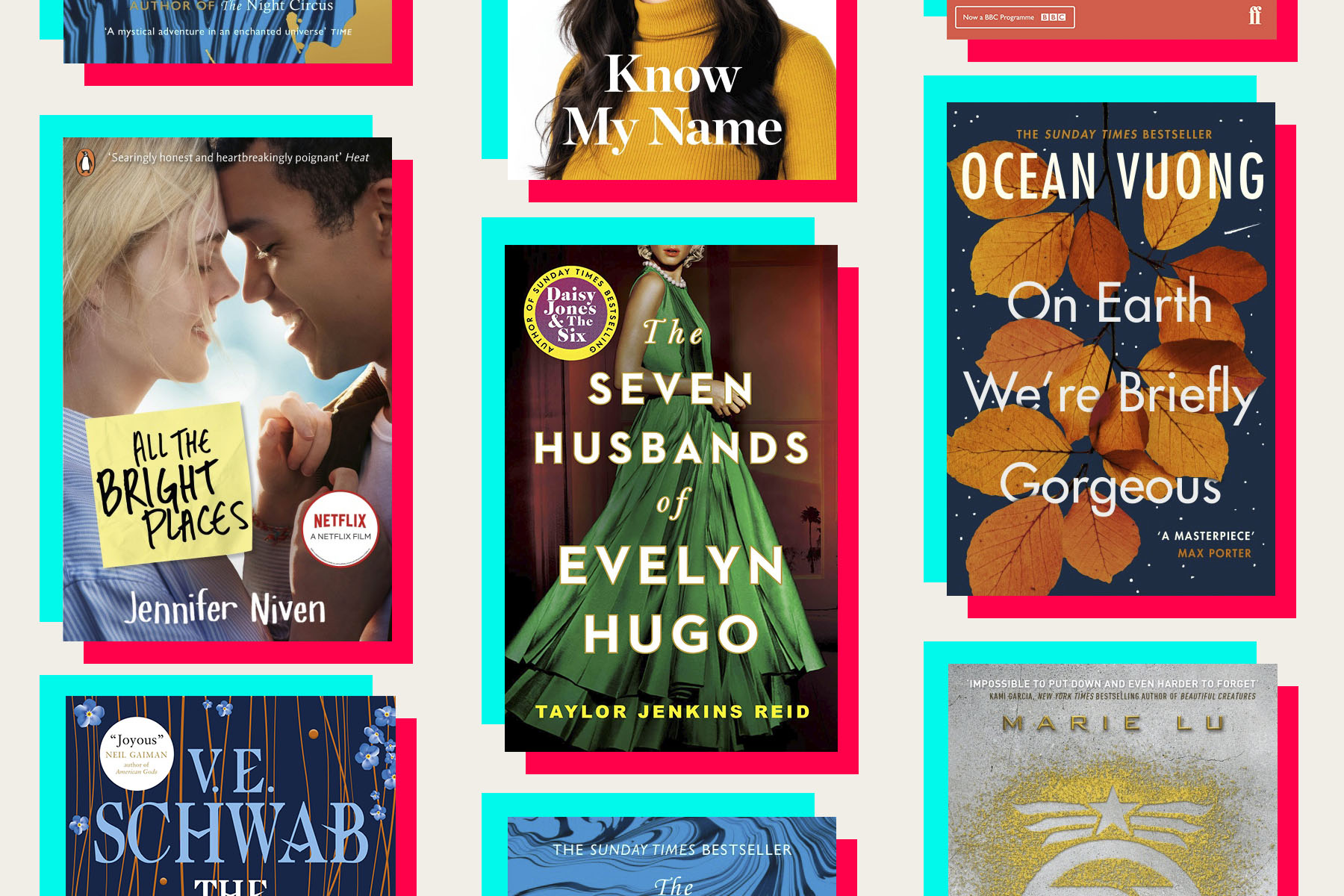
The institutional embrace of the platform crystallized when media networks, including the BBC, reported on TikTok launching its dedicated BookTok bestseller list. Tracking titles verified through point-of-sale data, the chart solidified the commercial standing of juggernauts like Freida McFadden’s psychological thriller The Housemaid, Rebecca Yarros’s fantasy epic Fourth Wing, and Rachel Reid’s MM romance Heated Rivalry. These books did not climb sales charts through promotional press junkets; they surged because twenty-second clips captured authentic reader gasp reactions, plot twists, and tear-streaked faces.
This dynamic radically altered backlist management. Historically, once a title slipped out of its ninety-day publication window without hitting sales minimums, it faded into remainder bins. Today, a casual creator mention can send a title published in 2014 back to the top of national print rankings within 72 hours. The publishing industry impact is structural: editorial acquisition boards now evaluate debut manuscripts based on their algorithmic packaging potential and emotional soundbites.
Decoding the Viral Trope System Behind the Recommendations
Newcomers to the community frequently find the vocabulary baffling. Content creators rarely categorize titles by standard BISAC shelf codes; instead, they classify books by narrative patterns and romance novel tropes. Understanding these core narrative frameworks is the fastest way to evaluate whether a recommendation aligns with your tastes:
The enemies to lovers trope stands as the platform's undisputed reigning framework. Readers seek stories where genuine animosity, ideological tension, or rival factions slowly collapse into high-stakes intimacy. When combined with fantasy world-building, as seen throughout the explosion of YA fantasy novels and new-adult "romantasy," the resulting tension produces compulsive, unputdownable hooks.
Other dominant narrative archetypes drive high engagement across feeds:
Morally Grey Protagonists: Antiheroes whose loyalties vacillate, prioritizing their personal bonds over collective ethics. Readers gravitate toward complex, flawed characters over squeaky-clean heroes.
Fake Dating and Forced Proximity: Practical plot contrivances that force characters into tight physical or social quarters, escalating emotional friction before romantic breakthroughs occur.
Found Family: A foundational staple in fantasy and dystopian subgenres where isolated misfits build unbreakable survival units, creating deep emotional investment for the reader.
The Data Behind Viral Breakouts
The transition of a self-published or midlist title into an international phenomenon follows distinct patterns across different genres. The data below outlines how major viral staples progressed from algorithmic discovery to sustained commercial dominance.
| Title & Author | Core Trope Hook | Breakout Catalyst | Market Trajectory |
|---|---|---|---|
| Fourth Wing(Rebecca Yarros) | Enemies to lovers, deadly war college, dragons | Coordinated creator unboxings, sprayed edge aesthetics | Instant multi-million print sellout; spurred Amazon TV option within months |
| The Housemaid(Freida McFadden) | Unreliable narrator, psychological suspense | Twist-reveal reaction videos without plot spoilers | Self-published digital run turned into global traditional publishing hit |
| Heated Rivalry(Rachel Reid) | Sports romance, secret rivals to lovers | Fan edits highlighting emotional angst across multi-year timeline | Category romance catapulted directly onto national bestseller tracking lists |
Algorithmic Solutions for the Modern Reading Slump
A reading slump is rarely a failure of discipline. More often, it stems from narrative mismatch: picking up slow-burn literary fiction when your cognitive bandwidth is drained by daily digital demands. Viral book recommendations succeed precisely because they cater to short attention spans through aggressive pacing, short chapters, and immediate narrative friction.
To cure reading fatigue, avoid sprawling thousand-page classics. Look instead for tight domestic thrillers or fast-moving young adult fantasies featuring cliffhanger chapter breaks. Psychological mysteries like The Housemaid structure their narratives to deliver rapid dopamine hits every three to five pages, making it easy to build momentum. Once your brain reclaims the habit of turning pages rather than doom-scrolling, tackling denser prose becomes significantly easier.
Another tactical move involves pairing print with audio at 1.25x to 1.5x speed. When tackling complex world-building in epic fantasy, dual-immersion reading eliminates the friction of deciphering invented dialects, keeping pacing steady while rebuilding baseline stamina.
Creator Production Trends and Finding Trusted Reviewers
The days of blurry front-camera book hauls have largely vanished. BookTok creator trends mirror broader shifts in online media production, where influencers use high-end 4K mirrorless setups, softbox lighting, and studio-grade directional microphones to produce high-gloss content. As production values escalated, so did promotional monetization, making it harder for everyday readers to separate organic passion from paid PR campaigns.
To curate an authentic, reliable feed, observe how creators handle titles they dislike. If an influencer awards five stars to every advance reader copy sent by major imprints, their recommendations offer little objective curation value. Look for micro-creators who articulate specific structural critiques, dissecting weak pacing, pacing drop-offs in final acts, or flat character arcs.
Diversify your feed by following creators dedicated to translated fiction, indie presses, and genre-specific niches like hard sci-fi or cozy fantasy. Engaging directly with comments asking specific diagnostic questions, such as "Does this have a satisfying third-act resolution?", reveals community sentiment far faster than corporate promotional blurbs.
Publishing Industry Pressures and Algorithmic Pitfalls
The explosive reach of video-based book discovery introduces undeniable systemic risks. The publishing industry’s current fixation on viral tropes risks homogenizing storytelling. When literary scouts prioritize books that fit neatly into marketing slogans like "mafia dark romance meets dragon academy," books with nuanced prose and unconventional structures struggle to find acquisition editors.
Aesthetic packaging, such as stenciled edges, faux-leather bindings, and elaborate foil embossings, sometimes masks subpar editorial quality. Readers frequently report buying a book based purely on its viral package, only to find hollow world-building and unedited prose inside. The commercial drive to publish rapid-fire sequels to maintain algorithmic relevance has also contributed to author burnout and declining narrative quality in extended series.
Readers should treat viral feeds as a springboard rather than a definitive canon. A book trending with millions of views indicates powerful emotional marketing, but your personal reading taste remains the ultimate filter.
Frequently Asked Questions (FAQ)
Q1: How do I train my TikTok algorithm to show me books I actually like?
A1: Stop lingering on videos featuring genres you dislike, as watch time triggers algorithmic distribution. Use the search bar for hyper-specific terms like "indie fantasy recommendations" or "literary thrillers with no romance," watch those clips completely, and interact with the comment sections. Within a few days, your feed will recalibrate.
Q2: Why do so many BookTok books feature special sprayed edges?
A2: Publishers realized physical aesthetics drive visual sharing on video platforms. Custom edges turn mass-market paperbacks into collectible art objects, driving advance pre-orders and encouraging readers to buy multiple editions of the exact same title.
Q3: Are all BookTok recommendations sponsored by publishing companies?
A3: No, but disclosures vary. Creators are legally obligated by consumer protection rules to tag sponsored content with paid partnership labels or #ad. Many reviews originate from free advance review copies (ARCs) rather than direct payment, meaning creators can still share honest negative opinions without violating financial contracts.
Building a Sustainable Reading Habit Beyond the Hype
The value of the online book space lies not in collecting viral trophies for your bookshelf, but in discovering stories that genuinely hook your attention. Whether you rely on rapid-fire thrillers to pull yourself out of a reading rut or explore rich enemies-to-lovers fantasy worlds, the medium serves you best when approached with intentional curation. Filter past the commercial noise, seek out reviewers who offer honest critiques, and select your next title based on the stories that speak to your curiosity rather than the current top trend.


