The Evolution of Lola Bunny: From 1996 Breakthrough to Modern Franchise Star
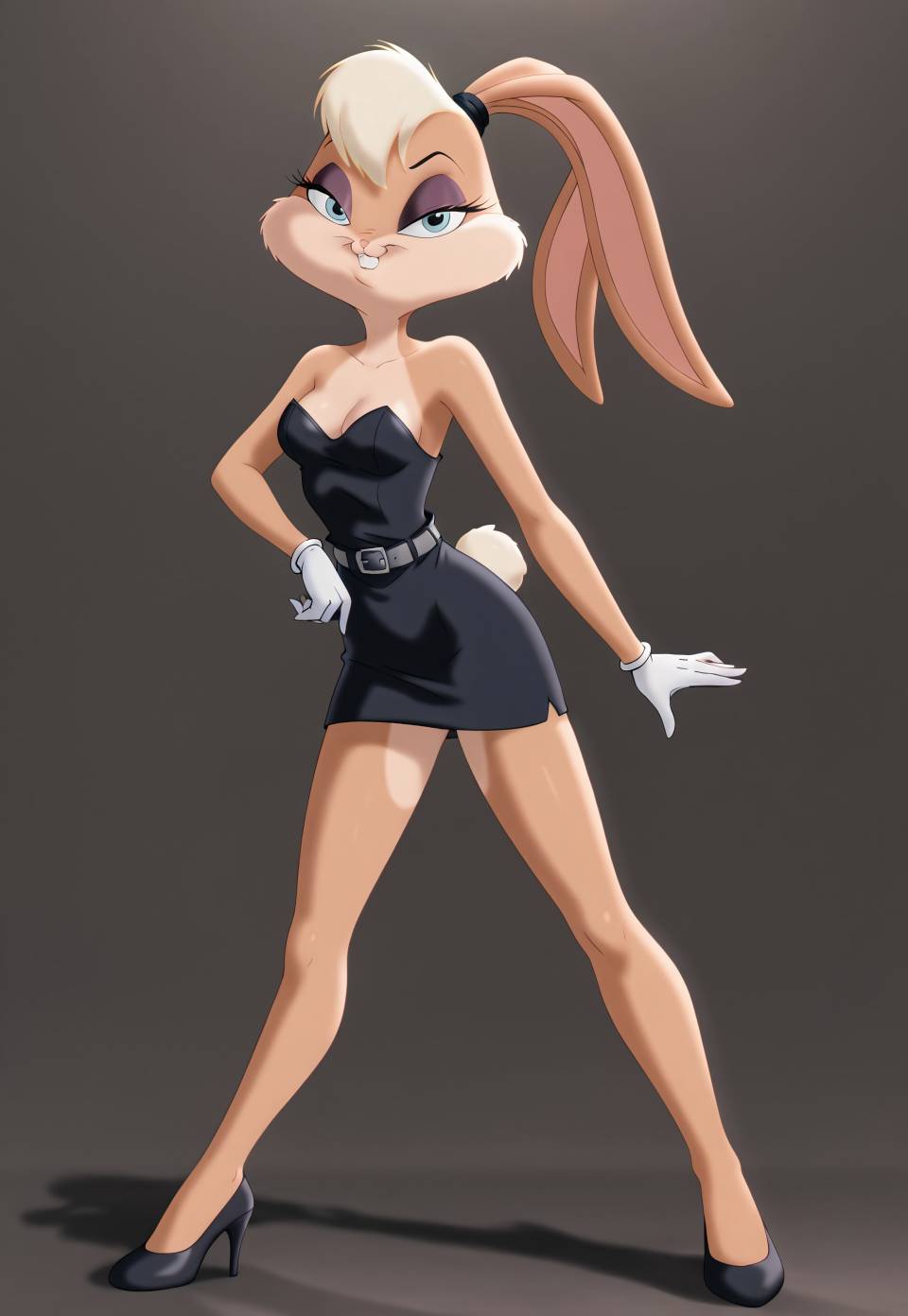
Few animated characters have sparked as fierce an ideological tug-of-war as Lola Bunny. When Warner Bros. introduced her in the 1996 commercial blockbuster Space Jam, animators built her as an athletic powerhouse who doubled as a mid-90s caricature of bombshell glamour. Decked out in a cropped midriff jersey and given an exaggerated pin-up physique, she was positioned instantly as an object of desire for Bugs Bunny and a generation of young moviegoers.
A quarter-century later, director Malcolm D. Lee sparked international headlines when he decided her original aesthetic was out of step with contemporary storytelling. As detailed in an IndieWire Report tracking the 2021 sequel Space Jam: A New Legacy, the production team overhauled her silhouette, traded cropped jerseys for standard athletic compression gear, and cast Zendaya to voice an assertive, Amazonian-trained athlete. The redesign exploded into a heated cultural debate touching on feminist representation, nostalgic attachment, and the creative boundaries of mainstream animation.
📌 Key Takeaways:
- The Origin Shift: Created in 1996 to provide Bugs Bunny with a capable romantic counterpart, Lola Bunny’s early design leaned heavily into classic Hollywood femme fatale tropes.
- The 2021 Redesign: Director Malcolm D. Lee modernized her look for *Space Jam: A New Legacy*, eliminating exaggerated curves in favor of functional basketball apparel and relocation to Wonder Woman’s Themyscira.
- The Cultural Friction: The design update divided internet audiences, drawing commentary from social figures like Paige Spiranac while illuminating larger industry trends regarding female cartoon characters.
The 1996 Debut and the Mechanics of the 90s Bombshell
Warner Bros. animation history had long lacked a prominent female peer within the Looney Tunes core roster. Supporting figures like Granny and Petunia Pig rarely participated in dynamic slapstick or central action set-pieces. Enter Space Jam in November 1996, a live-action and animation hybrid budgeted at $80 million that needed a contemporary female character capable of matching Michael Jordan’s on-court speed.
Voiced by Kath Soucie, Lola arrived as an exceptional basketball player who dismantled gender assumptions on the hardwood while embodying classic Hollywood visual cues. Her introductory scene, complete with saxophone cues, slow-motion hair flips, and Bugs Bunny freezing into heart-eyed stupefaction, established her aesthetic archetype. Her signature line, "Don't ever call me 'Doll,'" attempted to assert agency, yet her physical rendering reflected common mid-90s studio standards for female cartoon characters: tiny waistlines, exaggerated hips, and a midriff-baring uniform.
The character occupied an uneasy middle ground. She served as an elite, high-performing member of the Tune Squad while operating visually as a traditional pin-up love interest. This dual identity established a passionate fanbase that viewed her original look as iconic 1990s pop iconography.
Malcolm D. Lee and the Themyscira Reinvention
When production ramped up for Space Jam: A New Legacy, director Malcolm D. Lee found himself startled by the original 1996 presentation. Preparing for the sequel in 2019, Lee remarked during pre-production interviews that the original character design felt unnecessarily sexualized for a family-oriented studio project. His direct declaration, "This is a kids' movie, why is she in a crop top?", became the creative premise for her modern aesthetic overhaul.
The production team aligned Lola with contemporary sports apparel. Her new Tune Squad uniform featured extended basketball shorts, supportive compression sleeves, and a regulation team jersey matching the cut worn by LeBron James.
Narratively, Lee introduced her inside the DC Universe realm of Themyscira, training alongside Wonder Woman’s Amazons. This narrative device decoupled her from Bugs Bunny's shadow, turning her into an independent warrior who prioritizes team duty over slapstick romance. Zendaya was brought in to provide a grounded, confident vocal performance that stripped away the breathy register of earlier voice iterations.
Three Decades of Animation: The Lola Bunny Evolution
Lola Bunny’s path through Warner Bros. properties reveals dramatic creative shifts across three decades of television and feature films:
| Production Era | Aesthetic & Costuming | Core Narrative Role |
|---|---|---|
| Space Jam (1996) | Cropped jersey, short shorts, stylized curves, pin-up posture | Athletic star, romantic catalyst, and straight-faced foil |
| Baby Looney Tunes (2002, 2005) | Pastel toddler proportions, oversized ears, purple bow | Preschool ensemble leader, energetic problem solver |
| The Looney Tunes Show (2011, 2014) | Simplified line art, casual dresses, expressive facial cartoony squash/stretch | Eccentric, fast-talking, obsessive, unhinged comic engine |
| Space Jam: A New Legacy (2021) | Full athletic compression gear, regulation jersey, athletic musculature | Amazonian-trained warrior, tactical court leader, team glue |
The Aesthetic Backlash and Paige Spiranac’s Critique
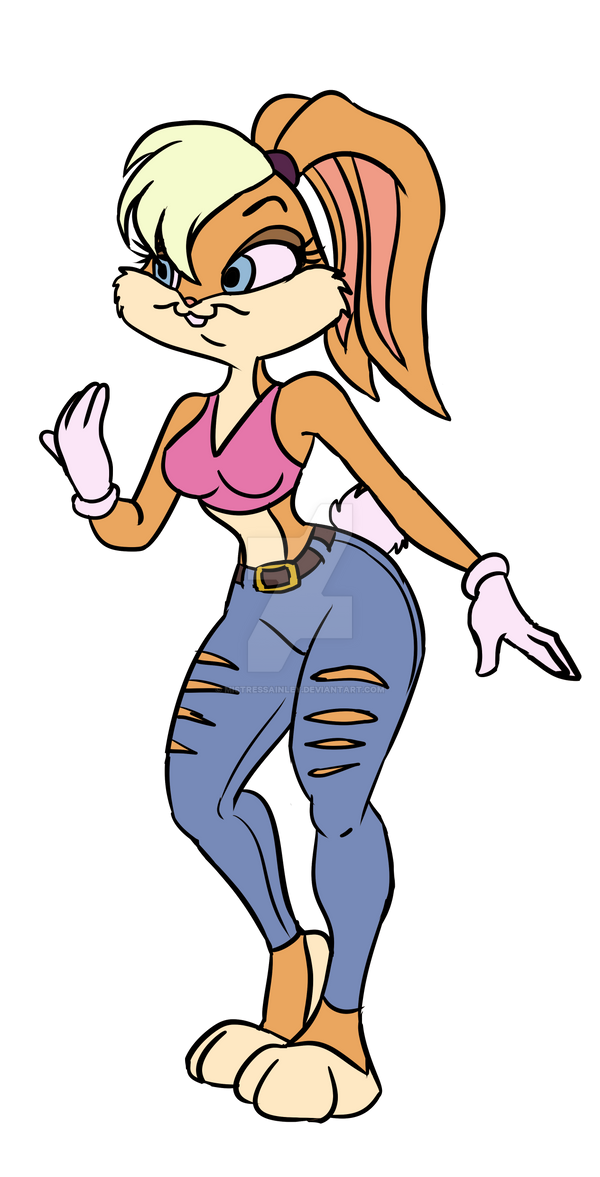
The visual update unveiled in spring 2021 immediately ignited widespread internet discourse. While progressive media praised the elimination of outdated visual clichés, a broad coalition of long-term fans criticized the change. Online commentators argued that modifying the character’s curves sent a contradictory message: that a female character must shed feminine physical markers to be taken seriously as an athlete.
High-profile sports personality Paige Spiranac joined the public debate, voicing frustration with the creative logic behind the redesign. Spiranac noted that desexualizing female figures by flattening curves or covering bodies carries its own implicit bias, suggesting that women with voluptuous bodies cannot simultaneously be elite competitors.
On social media platforms like X and Reddit, fan discussions fractured into competing camps. Some argued that changing an animated rabbit's waistline was an absurd flashpoint for culture-war posturing, while others viewed the alteration as unnecessary corporate sanitization driven by focus groups rather than creative storytelling.
The Comedy Correction of The Looney Tunes Show
Lost in the high-stakes battles between the two Space Jam films is the character's most critically acclaimed reinvention. In 2011, Warner Bros. Animation launched The Looney Tunes Show, a suburban sitcom format developed by Spike Brandt and Tony Cervone.
The writers made a deliberate decision: they stripped away the "cool girl" archetype entirely. Voiced by Kristen Wiig, this version of Lola became an eccentric, motor-mouthed, utterly unhinged comedic force. She stalked Bugs Bunny, went on manic conversational tangents, and demonstrated a total lack of social awareness.
Critics widely praised the Wiig era as the character's true creative breakthrough. Rather than existing as an accessory or an idealized athletic icon, she became genuinely funny, the fundamental requirement of any classic Looney Tunes resident. This version proved that character depth did not rely on physical design choices, but on comedic flaws and strong voice characterization.
Frequently Asked Questions (FAQ)
Q1: Why was Lola Bunny redesigned for the 2021 Space Jam sequel?
Director Malcolm D. Lee sought to modernize the character for a contemporary family audience, moving away from 1990s pin-up aesthetics toward practical athletic gear and an empowered, Amazonian warrior background.
Q2: Who originally voiced Lola Bunny in 1996?
Veteran voice actress Kath Soucie originated the role in the 1996 film. Zendaya took over the voice role for the 2021 feature Space Jam: A New Legacy.
Q3: Did the 2021 redesign change Lola Bunny's basketball skills?
No. In both films, she remains the most technically skilled basketball player on the Tune Squad roster, driving team plays and orchestrating court strategy alongside Michael Jordan and LeBron James.
What Lola Bunny’s Evolution Signals for Modern Animation
The ongoing debate surrounding Lola Bunny reveals the intense pressures modern studios face when updating heritage intellectual property. Characters born during the permissive, trope-heavy media landscape of the 1990s cannot easily glide into contemporary productions without scrutiny. Every creative choice, from the cut of an animated jersey to vocal casting, functions under high public engagement.
Warner Bros. has demonstrated that animated figures are fluid entities capable of transformation. Lola Bunny has functioned as a 1990s bombshell, an eccentric sitcom comedian, and an Amazon-trained athlete. As studios continue reviving twentieth-century catalog properties, her trajectory stands as a primary case study in how animation design directly mirrors the shifting values of commercial entertainment.


