The Evolution of Meena: How 'Sing' Created Animation’s Most Relatable Elephant
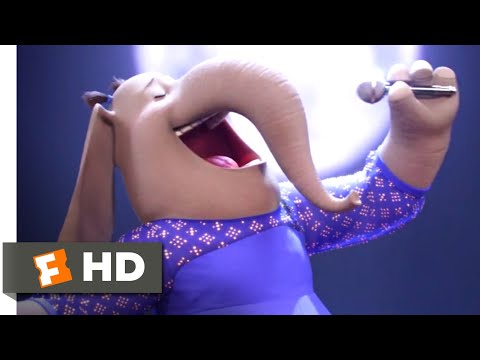
When Illumination Entertainment released its animated musical comedy Sing in late 2016, audiences expected the usual bright slapstick that defined the studio's Minion-led catalog. Instead, director Garth Jennings anchored the film's chaotic competition around a painfully quiet teenager: Meena the elephant. Paralyzed by performance anxiety so severe she choked during an open audition for theater impresario Buster Moon, Meena quickly grew from an oversized stagehand into the emotional core of the franchise. As documented in contemporary reviews like the Flayrah Report, the production struck an unexpected chord precisely because it grounded cartoon animal escapism in genuine social panic.
A decade into the franchise's lifespan, Meena stands apart from Hollywood's typical animated divas. Rather than wielding effortless charisma, she wrestles with self-doubt, family pressure, and romantic paralysis. Through two blockbuster films, holiday specials, and ongoing speculation surrounding Sing 3, her trajectory offers a rare masterclass in writing vulnerability for family audiences.
📌 Quick Summary:
- The Breakthrough: Voiced by Grammy-winning vocalist Tori Kelly, Meena transformed the classic stage fright storyline into a masterclass on dealing with crippling performance anxiety.
- The Evolution: While the 2016 original forced Meena out of the wings, Sing 2 expanded her hurdles to romantic vulnerability opposite Alfonso the ice cream elephant.
- The Industry Impact: Illumination broke away from slapstick tropes by pairing realistic vocal delivery with slow, multi-film character maturity rather than instant magical cures.
The Stage Fright Storyline: Deconstructing Meena's Anxiety
Most animated musical protagonists burst onto the screen desperate to be seen. Ariel longs for human shores; Elsa struggles to contain powers that refuse to stay hidden. Meena, by contrast, wants nothing more than to disappear into the floorboards. In the first film, her mother drags her to the Moon Theatre auditions, pushing an introverted teenager into a hyper-competitive room. When Buster Moon cues her track, Meena freezes entirely, her trunk twitching, eyes wide with horror, before she slinks off stage without singing a single note.
Garth Jennings handled this sequence with deliberate realism. The film does not frame Meena's failure as a punchline. Instead, the animation team observed actual panic triggers, depicting the physical constriction of anxiety through subtle ear-droops and shuffling feet. Rather than discarding her, Buster Moon offers Meena a job as a stage technician. For much of the narrative, she operates pulleys, paints backdrops, and supports other acts. She functions as an audience proxy inside Buster's dilapidated dream factory.
The turning point arrives in the ruins of the collapsed theater. Unaware that Buster is listening from beneath a pile of rubble, Meena softly sings Leonard Cohen's "Hallelujah" through her headphones. The scene avoids dramatic orchestral swells. Jennings strips the audio track to Kelly's raw acoustic vocal. When Buster finally convinces her to take the outdoor stage during the climactic showcase, her earth-shattering rendition of Stevie Wonder’s "Don't You Worry 'Bout a Thing" registers as an earned catharsis rather than an unearned miracle.
Casting Tori Kelly: The Vocal Precision Behind the Trunk
Finding a performer capable of both timid mumbling and four-octave belt work narrowed Illumination's casting options. Jennings chose recording artist Tori Kelly, whose background on American Idol gave her direct insight into the pressures of high-stakes auditions. While seasoned comic actors filled the supporting roles, Kelly's natural spoken shyness matched Meena’s vocal timbre without sounding cartoonish.
Voice cast guides frequently note the balance Kelly strikes in the booth. In conversational scenes, her line readings hover just above a whisper, often trailing off as if Meena regrets taking up acoustic space. Yet when she launches into her repertoire, the audio production leaves Kelly's vocal quirks intact: the micro-runs, the breath control, and the resonant chest voice. Kelly did not play an elephant; she played a terrified teenager who happened to weigh four tons.
This contrast became the defining engine of the character. Animated characters often lean on exaggerated voice work to project personality. Meena’s restraint creates contrast against Nick Kroll’s flamboyant pig Gunter and Taron Egerton’s earnest gorilla Johnny. When Kelly belts, the technical excellence justifies why Buster Moon consistently wagers his career on keeping her on the roster.
Meena’s Musical Trajectory: From Stevie Wonder to Dionne Warwick
Across the franchise, Meena's musical setlist mirrors her psychological development. Each performance marks a specific stage in her social adjustment, tracking her transition from behind-the-scenes helper to arena-level professional.
| Song Performance | Narrative Context | Psychological Hurdle |
|---|---|---|
| "Hallelujah" (Leonard Cohen) | Private rehearsal amid the collapsed Moon Theatre ruins | Rebuilding self-worth without an audience |
| "Don't You Worry 'Bout a Thing" (Stevie Wonder) | Climactic open-air charity performance | Overcoming crippling crowd paralysis |
| "I Say a Little Prayer" (Dionne Warwick / Aretha Franklin) | Redshore City street vendor encounter | Navigating adolescent infatuation |
| "Out of This World" (Original Duet) | Redshore City space musical centerpiece | Translating emotional reality into stagecraft |
The progression in the table demonstrates Jennings' refusal to treat stage confidence as a linear cure. In Sing 2, Meena’s vocal ability is no longer in doubt; she can command an auditorium. Instead, the emotional hurdle shifts to chemistry and self-expression under theatrical direction.

The Romance Arc: Introducing Alfonso the Ice Cream Elephant
When the troupe arrives in the glittering metropolis of Redshore City for Sing 2, Buster Moon casts Meena in the romantic lead of his high-budget science-fiction musical. The assignment triggers an entirely new creative breakdown: Meena has never been in love. Rehearsing an intimate duet opposite Darius (voiced by Eric André), a self-absorbed yak who cannot remember her name, leaves her emotionally detached.
The narrative resolves this through the introduction of Alfonso the ice cream elephant, voiced by Pharrell Williams. Unlike the ruthless media executives running Redshore City, Alfonso is an unassuming street vendor who hands Meena a free ice cream cone outside the venue. His gentle, sincere demeanor disrupts her anxiety. During her internal monologue performance of "I Say a Little Prayer," Meena projects her burgeoning feelings onto Alfonso, using that private emotional spark to navigate the clinical demands of the stage show.
By framing her emotional breakthrough around a working-class peer rather than an industry star, Jennings reinforced Meena’s core character identity. She remains immune to the narcissism of Redshore City’s entertainment industry. During the final space-opera showcase, Meena mentally replaces the insufferable Darius with Alfonso, delivering a triumphant romantic ballad that validates her growth as an artist who draws power from genuine human connection.
Illumination’s Narrative Shift: Why Meena Resonates Across Generations
Family animation has often struggled to portray introversion without treating it as an inherent flaw requiring eradication. Characters are typically told to speak up, stand out, and grab the spotlight. Meena's trajectory offers a different model. Her natural temperament remains quiet, gentle, and easily overwhelmed, even after headlining two multi-million-dollar stage productions.
Online community discussions across parenting networks and animation forums frequently highlight how younger viewers connect to Meena’s physical mannerisms. Her habit of pulling her ears down over her eyes like a protective hood gives visual form to sensory overload. Children recognize that posture immediately. By letting Meena retain her soft-spoken personality offstage, Illumination avoided the reductive trope that confident artists must become extroverts in their daily lives.
Financially, this relatability paid dividends. The two films generated over $1 billion at the global box office combined. Meena's showpiece numbers routinely rack up hundreds of millions of views on streaming platforms, serving as foundational tracks on family playlists worldwide. The character proved that animated audiences crave emotional authenticity alongside candy-colored spectacle.
Frequently Asked Questions (FAQ)
Q1: Who plays the elephant from Sing?
A1: Meena is voiced by Grammy Award-winning singer-songwriter Tori Kelly, who provides both the speaking dialogue and all singing vocals for the character across both feature films and related shorts.
Q2: What songs does Meena sing in Sing and Sing 2?
A2: Her major vocal performances include Stevie Wonder’s "Don't You Worry 'Bout a Thing" and Leonard Cohen’s "Hallelujah" in the first film, followed by Dionne Warwick's "I Say a Little Prayer" and the theatrical duet "Out of This World" in Sing 2.
Q3: Does Meena have a love interest in Sing 2?
A3: Yes. In Sing 2, Meena develops an infatuation with Alfonso, an empathetic elephant who sells ice cream outside the theater, voiced by musician Pharrell Williams.
Q4: Why does Meena wear a hood or cover her ears?
A4: Pulling her ears down is Meena’s visual coping mechanism for extreme performance anxiety and sensory overload, designed by animators to mirror how shy teenagers attempt to physically hide in public.
Where Illumination Takes Meena Next in the Sing Universe
With franchise creator Garth Jennings and Illumination head Chris Meledandri continuing to map the future of the franchise, Meena's trajectory will face new structural questions. Having mastered both vocal performance and stage romance, her natural progression points toward creative authorship. In an entertainment industry that constantly threatens to commercialize genuine talent, Meena’s steadfast humility remains her strongest narrative asset.
Rather than pushing her into conventional pop stardom, future installments must preserve the fragile balance that made her compelling from her first audition: a giant character carrying a modest heart. As animated storytelling continues to mature in its treatment of mental health and emotional well-being, Meena stands as proof that Hollywood can build an enduring blockbuster hero out of someone who simply needed a moment to breathe.


