The Funniest Tip Screen Memes Explained: The Best Parodies of the iPad Flip Moment

You order a drip coffee. The worker turns around, pours four ounces of roasted beans and water into a paper cup, and spins a white touchscreen around on its axis. Then comes the ritual incantation: "It's just gonna ask you a quick question." Suddenly, you are staring at three preset buttons offering 18%, 22%, or 25% gratuity, while the worker diligently studies the floorboards or stares directly into your eyes. What happens next is a silent negotiation that has ignited thousands of sketches, skits, and commentary across the internet.
Humor has always served as a mirror for collective social exhaustion. As cultural critics at the Patheos Report have observed when tracking how web memes decode our collective moral panics, digital satire thrives when an everyday chore turns unexpectedly confrontational. The barista tip meme and its countless spinoffs did not catch fire by chance. They crystallized a genuine consumer revolt against guilt-driven software interfaces, turning a daily transaction into a shared comedic universe.
📌 Key Takeaways:
- The Behavioral Trigger: The dreaded "it's just gonna ask you a quick question" line converts standard counter service into an involuntary social loyalty test.
- The Software Incentive: Merchant service platforms and point of sale software profit from percentage-based transaction cuts, creating structural incentives to maximize tip prompts.
- The Backlash: Skits and viral TikTok parodies highlight growing tipping fatigue, pushing restaurants and cafes to reevaluate default prompt layouts.
How Seven Words Turned Coffee Runs into Social Stand-Offs
The script is identical whether you buy an artisanal pastry in Seattle or an iced cold brew in Atlanta. A clerk rings up a purchase that required forty seconds of physical effort, gently pivots the stand, and utters the phrase. That exact sentence has become the universal punchline for modern counter service tipping.
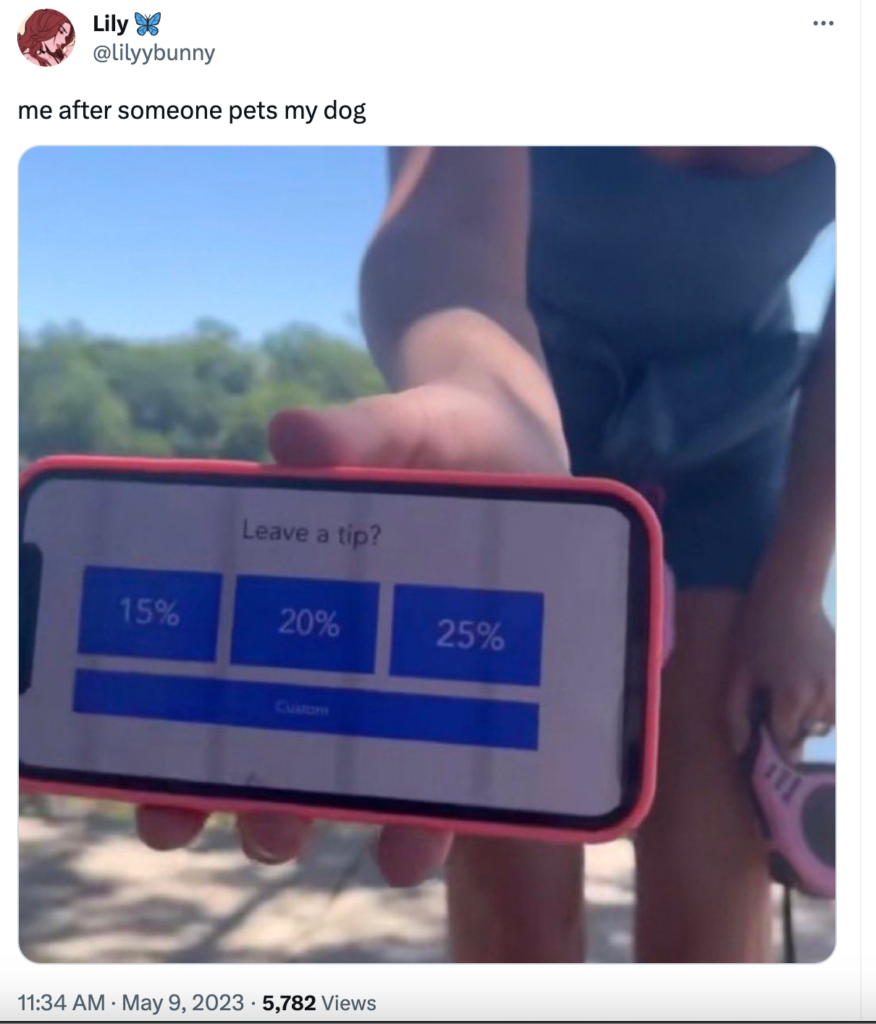
Social platforms exploded with creators deconstructing the theatrical tension of that transaction. Creators mimic the barista suddenly turning around to wipe an already pristine espresso wand. Others freeze in comic dread, pretending the screen requires military-grade launch codes. By naming the discomfort, the memes stripped away its polite veneer. The humor exposes the absurdity of treating an over-the-counter retail exchange like an evening of white-tablecloth service.
The awkward checkout interaction works as comedy because it weaponizes basic human social instincts. In traditional sit-down dining, tipping occurs after the meal, privately, inside a discreet leather booklet. The customer calculates the total after the server departs. The touchscreen tip prompt inverted that relationship: it demands public financial evaluation before you even hold your drink, under direct observation.
Inside the Viral Skits Parodying the Swivel Screen
TikTok and Instagram Reels transformed the physical iPad flip moment into an entire comedy subgenre. What began as simple parodies of coffee shop transactions quickly escalated into surreal comedy sketches mocking how far automated requests have spread into daily life.
Popular creator sketches feature absurd scenarios designed to test consumer boundaries:
- Mechanics turning an iPad after an oil change with default options starting at 30%.
- Self-checkout machines growing synthetic hands to pivot their own monitors toward confused grocery shoppers.
- Surgeons mid-procedure pausing over an operating table to present a touchscreen asking if the patient wants to tip for "extra precision."
- Funeral directors turning a terminal to family members to ask if they would like to leave a little something for the pallbearers.
The sketches mock an undeniable reality: the sudden spread of modern tipping culture into businesses that never previously requested gratuities. Pew Research surveys indicated that roughly 72% of American adults believe tipping is expected in far more places today than it was five years ago. Creators tap directly into that collective bewilderment. By taking the premise to its logical extreme, the videos validate the consumer's private impulse to say no.
The Software Architecture Behind the Rise of Tipflation
Behind the viral jokes sits an intentional software architecture designed to alter human behavior. The migration away from bulky registers toward tablets running Square, Toast, Clover, and Shopify fundamentally reshaped retail psychology over the past decade.
Tipping on counter terminals was not designed as an act of charity by payment companies. Payment processors often charge merchants a flat processing rate alongside a percentage-based cut, typically between 2.6% and 3.5% plus $0.10 per transaction. When average ticket totals climb due to added gratuities, overall gross payment volume rises, directly benefiting payment networks.
| Period | Standard Payment Interface | Consumer Friction Level |
|---|---|---|
| 2012, 2017 | Physical metal tip jars, optional spare change, paper credit card receipts with blank tip lines. | Negligible; dropping coins was strictly voluntary and largely unnoticed. |
| 2018, 2022 | Early Square POS terminals and Toast tablets introduced across quick-serve spots; presets set to 15%, 18%, and 20%. | Moderate; social tension grew during the pandemic as tipping became an explicit act of community support. |
| 2023, 2026 | Ubiquitous point of sale software prompting 20% to 30% defaults at kiosks, drive-thrus, and automated checkouts. | High; intense tipping fatigue fueling online memes, customer pushback, and "custom amount" tap rebellions. |
Software designers exploit default bias, a cognitive shortcut where users overwhelmingly choose pre-selected paths rather than hunting for manual workarounds. Finding the "No Tip" button often requires locating smaller text, navigating a submenu, or enduring an extra tap while someone watches. The interface turns personal discomfort into revenue.
The Workers Trapped on the Other Side of the Terminal
While shoppers vent their frustration online, service workers occupy an equally uncomfortable position. Baristas and counter staff are frequently caught in the middle of a conflict engineered by business models that use software prompts to supplement base pay.
Workers frequently post videos describing the dread they feel when swiveling the screen toward customers. Many emphasize that they did not configure the default prompt percentages, which are determined by business owners inside platform administrative dashboards. For employees earning minimum wage in major metropolitan hubs, those pooled digital contributions often dictate whether they can meet basic rent obligations.
Online commentary highlights this division. On Reddit forums like r/TalesFromYourServer and r/Barista, workers repeatedly point out that removing the screen prompt without raising baseline pay would trigger a mass staff walkout. The memes mock the awkwardness of the interaction, but the underlying driver remains an economic structure where business owners use customer generosity to subsidize base payroll costs.
When Hardware Replaces Human Service Completely
The humor turned sharper when touchscreens spread into environments with zero human interaction. Travelers passing through major international hubs began sharing photos of automated grab-and-go coolers prompting for 18% tips after customers scanned their own bottled water.
When there is no worker to receive the tip, the illusion falls apart. Who is getting the money? Is it split among distribution warehouse staff, sent to store managers, or swallowed by concession operators? In several legal disputes over wage theft and tip pool distributions, regulatory agencies investigated whether automatic digital gratuities at self-service kiosks complied with federal labor standards governing employee tips.
These instances stripped away any remaining social justification for the prompt. When an unmanned machine asks for a service reward, it confirms the public's worst suspicions about tipflation. It ceases to be an expression of appreciation and becomes an uninvited surcharge.
Frequently Asked Questions (FAQ)
Q1: Why do so many cafes and food counters use the same iPad swivel screen?
Square, Toast, and Clover captured a massive share of the small business market by offering low startup hardware costs combined with unified inventory, payroll, and card-processing software. Their swivel stands allow a single device to act as an employee register and a customer payment terminal.
Q2: Is it socially acceptable to select "No Tip" on a counter service touchscreen?
Yes. Traditional etiquette norms in North America mandate tipping for full-service table dining, delivery drivers, and personal grooming. For straightforward counter pickups where employees hand over pre-made goods or pour basic drinks, custom change or selecting "No Tip" remains entirely acceptable, despite default software prompts.
Q3: Can merchants legally change the preset tip percentages on point of sale software?
Store owners hold full administrative control over prompt defaults inside their management dashboards. They can set preset buttons to start at **10%**, switch prompts to flat dollar amounts like **$1.00**, or disable gratuity screens entirely for simple transactions.
What Lies Ahead for Point-of-Sale Culture
Satire serves as an early warning sign for shifts in consumer behavior. The sustained viral mockery of swivel-screen prompts has already forced retail operators and software developers to recalibrate their checkout experiences.
Pioneering hospitality groups have begun experimenting with "frictionless pay" models that eliminate tip prompts entirely in favor of transparent menu pricing and higher base wages. Elsewhere, software updates allow customers to complete their payments using their own smartphones via tap-to-pay without ever interacting with a shared touchscreen prompt.
The tip screen meme succeeded because it named an unspoken grievance that millions experienced daily. As customers grow more comfortable hitting "No Tip" and laughing off the awkward pause, the era of relying on digital guilt to balance payroll ledgers is meeting its limits. The swivel screen may remain, but its psychological grip over consumers has permanently broken.


