The Ghost Button: How Blockbuster Got Its Own Shortcut on Roku Before Vanishing Forever
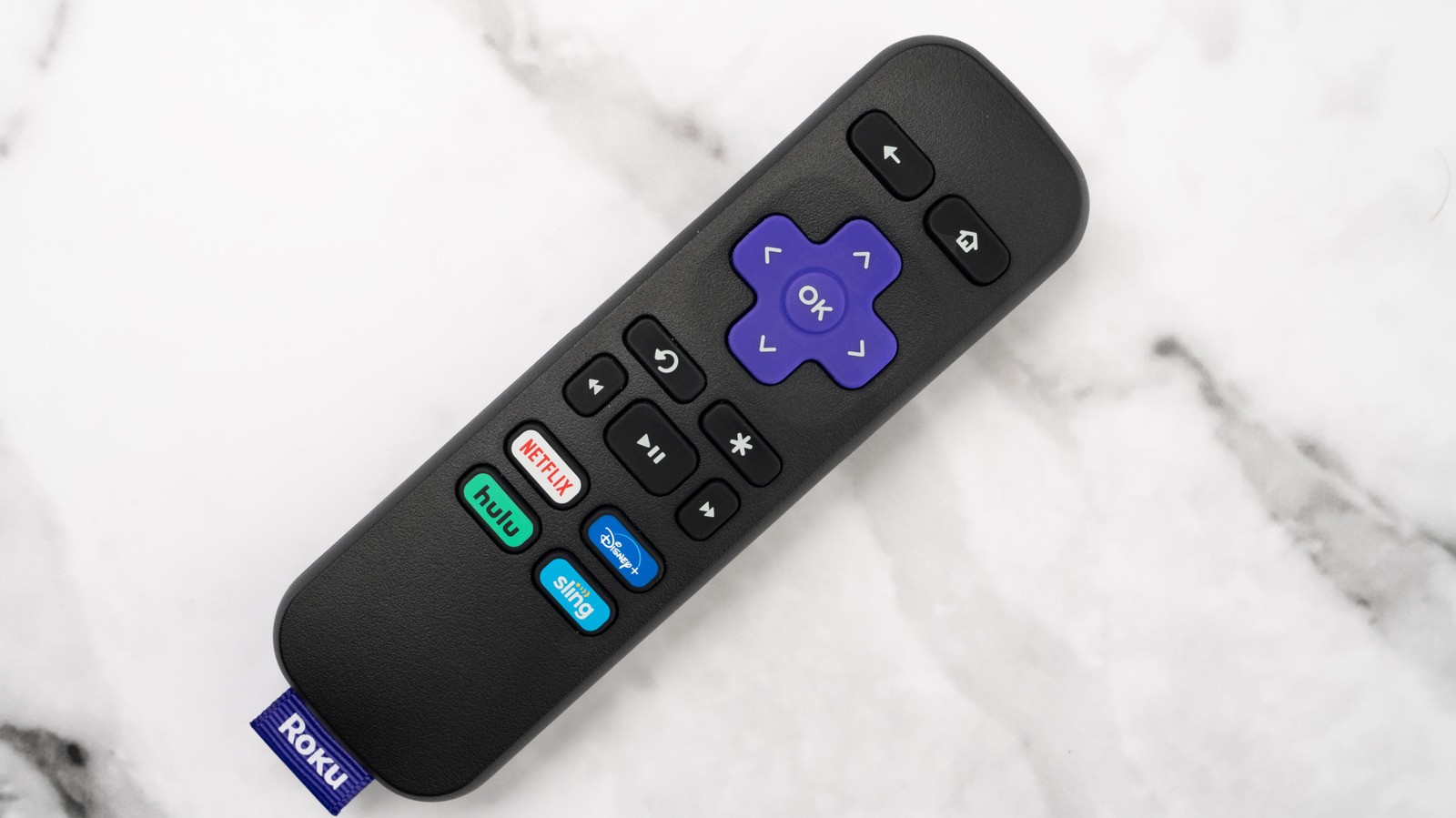
Pull an old Roku remote out of a junk drawer or find one at a local thrift store, and you might encounter a peculiar blue-and-yellow ticket logo resting right below the purple directional pad. It sits alongside Netflix, pristine and glossy, frozen inside injection-molded plastic. That button once opened Blockbuster On Demand, an ill-fated digital storefront that vanished almost immediately after hardware manufacturers stamped it onto millions of devices. While modern viewers take quick-launch keys for granted, as detailed in a recent BGR Report examining why streaming remotes carry revolving rosters of brand logos, that vintage Blockbuster clicker remains the ultimate symbol of corporate hubris colliding with permanent hardware.
Every physical clicker tells a story about corporate contracts. When you press that Blockbuster button today, the set-top box registers an infrared signal or Wi-Fi Direct handshake, attempts to fetch a dead software channel ID, and returns an error screen or simply does nothing. It is a monument to an era when traditional media giants panicked, threw millions of dollars at streaming hardware real estate, and lost the war anyway.
📌 Key Takeaways:
- The Artifact: The Blockbuster button appeared on Roku remotes following Dish Network's 2011 acquisition of the bankrupt video rental chain, intended to promote the short-lived Blockbuster On Demand service.
- The Business Model: Roku remote shortcuts are paid advertising placements; hardware manufacturers routinely charge streaming services between $1 and $2 per remote manufactured to secure physical real estate.
- The Hardware Trap: Because Roku hardcodes preset shortcut keys into remote firmware without native user-remapping options, millions of devices were left carrying permanent shortcuts to dead platforms.
The Thrift-Store Relic That Time Forgot
The physical artifact in question arrived primarily with the Roku 2 XS remote and its siblings around late 2011 and early 2012. Roku had redesigned its controller, moving away from the utilitarian wand of its first-generation digital media players to introduce motion control, gaming buttons for Angry Birds, and a row of dedicated app launchers.
Consumers unboxing a Roku 2 XS found four pre-selected services at the base of the remote: Netflix, Pandora, Crackle, and Blockbuster. Netflix was already the dominant subscription service. Pandora supplied internet radio. Crackle provided ad-supported movies. Blockbuster, sporting its iconic torn-ticket logo, was supposed to be the premium digital rental destination.
Pick up that remote today, and the tactile contrast is striking. The rubber membrane still yields with a satisfying click, but the digital infrastructure behind that click rotted away over a decade ago. It is an un-updatable piece of consumer electronics, a five-millimeter patch of silicone executing an instruction to launch an app that no longer exists on Roku servers.
Dish Network, Chapter 11, and the Desperate Push for Blockbuster On Demand
To understand why Blockbuster wound up on a streaming remote, trace the timeline back to April 2011. Blockbuster had filed for Chapter 11 bankruptcy the previous autumn, crushed under billions of dollars in debt and blindsided by Netflix's mail-order discs and Redbox kiosks. Satellite provider Dish Network, led by billionaire Charlie Ergen, swept in at a bankruptcy auction, buying Blockbuster's assets for approximately $320 million.
Ergen intended to use the brand name to build an entertainment ecosystem capable of fighting both cable rivals and Netflix. Dish launched Blockbuster On Demand, a transactional video-on-demand service designed to sell and rent digital titles without requiring a monthly subscription. Dish also introduced the "Blockbuster Movie Pass" for its satellite subscribers, bundling streaming, mail-order DVDs, and gaming discs.
Dish poured capital into customer acquisition. Streaming players were suddenly the primary gateway into living rooms, so Dish negotiated carriage agreements with hardware vendors. Securing a dedicated spot on the Roku 2 remote was the crown jewel of that distribution offensive. Dish executives bet that if millions of living rooms had a direct, tactile pathway into the Blockbuster store, convenience would overpower Netflix's growing library of original programming.
The bet failed almost instantly. Blockbuster On Demand lacked exclusive content, suffered from inconsistent technical performance, and relied on pay-per-rental pricing at a time when consumers demanded all-you-can-eat monthly subscriptions. Dish began shuttering physical stores in waves throughout 2012 and 2013, eventually killing the streaming service and letting the operational licenses lapse. The channel disappeared from the Roku Channel Store, leaving the remote's plastic launcher permanently orphaned.
The Paid Real-Estate War Behind Branded Remote Buttons
Hardware manufacturers do not pick shortcut buttons based on user testing or ergonomic value. Those four keys are high-yield, monetized billboard inventory.
Roku pioneered the sale of preset shortcut keys as an ancillary revenue stream to offset razor-thin margins on its streaming pucks and streaming sticks. Industry estimates indicate that streaming services historically paid hardware vendors between $1.00 and $2.00 per unit to secure a branded button on remotes bound for retail shelves. When an OEM ships 15 million streaming devices in a calendar year, auctioning off four shortcut slots yields tens of millions of dollars in near-pure profit.
Contracts for branded remote buttons typically include strict provisions:
- Exclusivity or Category Protection: Direct competitors often negotiate clauses preventing direct rivals from sharing the bottom tier on identical hardware runs.
- Service providers pay according to production batches, which is why two people buying the same Roku model three months apart might receive entirely different app buttons.
- Non-Remappability: Media companies insist on non-configurable keys. A streaming service will not spend seven figures for a remote button if the customer can instantly reassign it to Plex or YouTube.
This commercial dynamic explains why streaming remotes reflect corporate capital rather than viewer preference. Blockbuster paid for a billboard inside living rooms, assuming the service would outlive the plastic shell.
| Streaming Platform / Button | Peak Hardware Era | Sponsoring Entity | Current Operational Status |
|---|---|---|---|
| Blockbuster On Demand | 2011, 2013 | Dish Network | Defunct; service retired, channel removed |
| Rdio | 2014, 2015 | Rdio Inc. / Pandora | Defunct; bankrupt in 2015, assets sold |
| M-GO | 2013, 2015 | Technicolor / DreamWorks | Absorbed; rebranded to FandangoNOW (now Fandango at Home) |
| PlayStation Vue | 2016, 2018 | Sony Interactive Entertainment | Defunct; shut down in January 2020 |
| Netflix | 2011, Present | Netflix, Inc. | Active standard fixture across worldwide hardware |
The Fight to Reprogram: Workarounds, Hackers, and Universal Remotes
The persistence of dead buttons triggered frustration among streaming enthusiasts. An unused button is wasted space; an un-reprogrammable button pointing to an extinct corporation is an active annoyance. Over the years, hardware hobbyists and tech forums attempted various methods for remapping Roku buttons.
The fundamental hurdle is architectural. Standard Roku remotes communicate through specific infrared (IR) hex codes or Wi-Fi Direct RF packets. The preset shortcut keys emit an immutable command code tied directly to an internal software registry ID. When Roku updates its operating system, it maintains those legacy ID tables. If a button's target software does not exist, the OS discards the command.
Home-theater owners pursued several practical workarounds:
- Universal Remote Programming: Advanced programmable remotes (such as older Logitech Harmony units or modern Sofabaton remotes) bypass the OEM key matrix. Users teach the programmable remote native navigation commands, mapping actual favorite apps to macro sequences that launch apps from the Roku home grid.
- Firmware and Network Interception: Enthusiasts running custom home-automation hubs (like Home Assistant) have used packet inspection to catch the unique network burst sent by a remote keypress, triggering alternative smart home commands instead of launching an app.
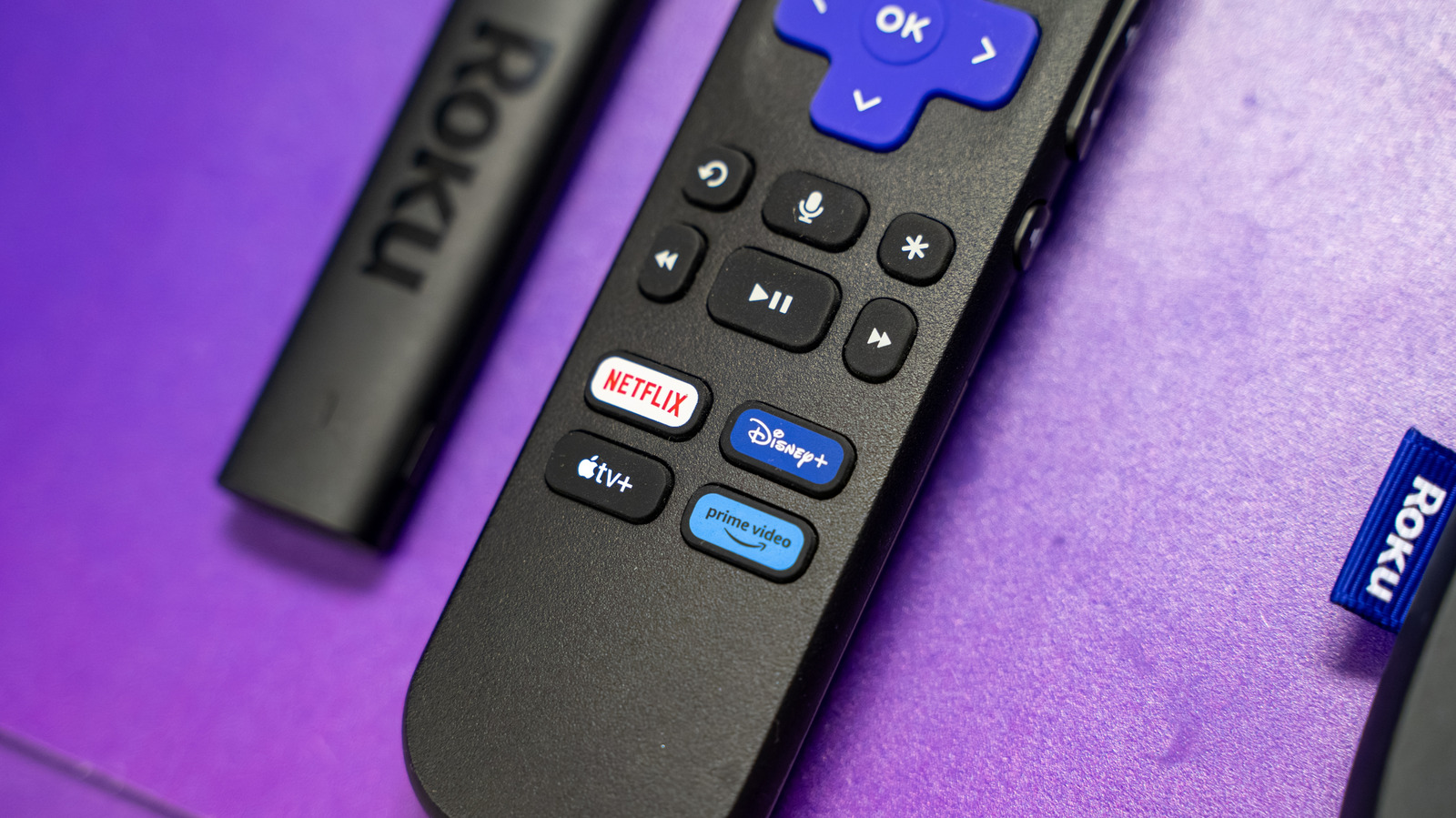
- Roku Voice Remote Pro Upgrades: Roku eventually recognized customer irritation with rotating sponsored buttons, introducing two customizable shortcut keys (`1` and `2`) on its premium voice remotes. Users can hold the button down for five seconds to assign any voice command, such as launching YouTube or playing a specific playlist. Crucially, however, the four sponsored slots beneath them remain non-customizable.
Because consumer devices lock down these keys through firmware cryptographic signing, average consumers cannot easily flash the controller chips. The dead Blockbuster button stays a dead Blockbuster button.
The Growing Graveyard of Streaming Remote Hardware
Blockbuster is the most striking example of hardware fossilization, but it is far from alone. The digital streaming ecosystem experiences relentless churn, creating an extensive graveyard of useless remote shortcuts.
During the mid-2010s, hardware rolled off assembly lines with dedicated keys for Rdio, an inventive music streaming service that declared bankruptcy in late 2015. Consumers bought streaming sticks bearing purple buttons for M-GO, a joint transactional venture between Technicolor and DreamWorks that was swallowed by Fandango. Later models featured buttons for PlayStation Vue, Sony's live-TV streaming experiment that closed operations in early 2020.
In every instance, the consumer electronics industry manufactured physical objects expecting multi-year utility, while software companies operated on cutthroat venture-capital cycles. A set-top box can easily last eight years on a secondary television. A niche streaming service backed by venture capital or corporate panic often survives fewer than three.
When those platforms shutter, the physical controller remains on the coffee table. It acts as an indelible record of whatever media executive signed the biggest distribution check during that specific quarter.
Frequently Asked Questions (FAQ)
Q1: What happens if I press the Blockbuster button on an old Roku remote right now?
A1: Nothing functional occurs. The remote sends an infrared signal or Wi-Fi Direct packet with the Blockbuster channel's legacy app ID. Because Roku removed the Blockbuster On Demand app from its Channel Store years ago, modern Roku OS versions either ignore the request entirely or briefly flash an error indicating that the channel is unavailable.
Q2: Can I reprogram the preset shortcut keys on a standard Roku remote?
A2: No. Roku hardcodes the four sponsored preset shortcut keys directly into the remote's internal firmware and does not offer a software remapping setting. To customize shortcut buttons, you must purchase a Roku Voice Remote Pro (which features two programmable custom buttons labeled 1 and 2) or use a programmable third-party universal remote that supports custom macro commands.
Q3: Why doesn't Roku let users change these buttons to whatever app they want?
A3: Branded shortcut buttons are an advertising product. Streaming services pay millions of dollars to Roku for guaranteed physical placement on consumer remotes. Those contracts require Roku to keep the keys hardcoded so users cannot replace the paying sponsor's app with a competitor.
Q4: Are Roku remotes with the Blockbuster button valuable to collectors?
A4: While they do not command astronomical prices, vintage Roku 2 remotes with the Blockbuster logo regularly sell on secondary markets like eBay for $15 to $35 as novelty tech collectibles and pieces of internet history.
Physical Reminders of an Ephemeral Software Economy
Consumer hardware once had an enduring permanence. An amplifier manufactured in 1978 does precisely what its chassis promises: it controls volume, adjusts bass, and switches inputs. Its faceplate reflects absolute technical utility.
Connected television remotes broke that convention. By selling physical buttons to the highest corporate bidder, hardware makers tied lasting plastic devices to ephemeral digital licensing agreements. The Roku Blockbuster button survives as a tangible punchline from the early streaming wars, warning hardware makers what happens when short-term ad revenue is etched into permanent physical equipment.


