The Global Sick Leave Surge: Investigating Worker Burnout and Policy Crackdowns
On the Monday morning following the Super Bowl, an estimated 16.1 million American employees did not log into work or report to their stations. Some cited sudden stomach bugs. Others claimed a busted water heater, severe migraine spikes, or a sudden family emergency. Corporate executives, however, viewed the wave through a colder lens: an escalating operational deficit that cost domestic employers $4.2 billion in lost productivity in a single shift. As corporate surveillance tightens and human resources teams rewrite the rulebook on unscheduled time off, the friction between employee autonomy and institutional attendance mandates has reached a breaking point.
The pressure is reshaping the nature of service operations nationwide. When desk workers and remote teams walk off the clock or battle sustained workplace burnout, companies increasingly struggle to backfill phone banks and operational lines. Some organizations have even turned to non-traditional or prison labor pools to insulate frontline workflows, as highlighted in a recent Snopes.com Report tracking municipal call center operations. The broader labor market faces an unavoidable reckoning: workers are calling out in record numbers, and the reasons go far beyond ordinary physical illness.
📌 Key Takeaways:
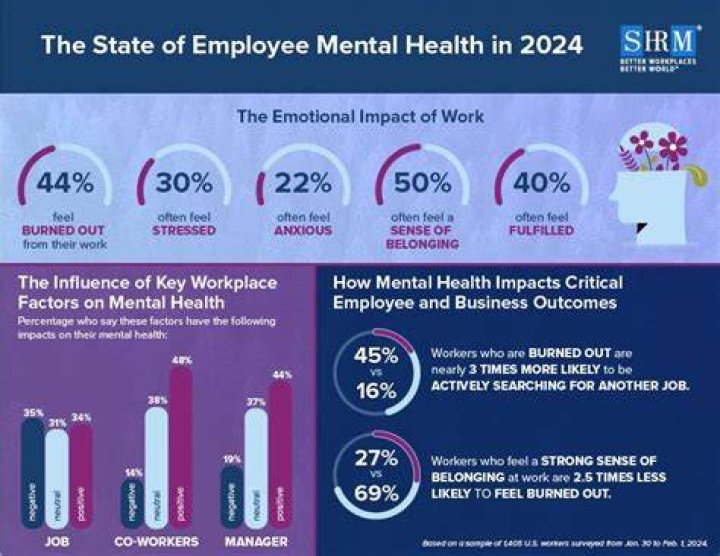
- The Real Absence Drivers: Viral infections and contagious symptoms remain the baseline, but workplace fatigue and acute mental strain now account for over **38%** of unscheduled call-outs.
- The Enforcement Shift: Mid-sized and enterprise firms are abandoning honor systems, replacing them with algorithmic tracking and rigid attendance policy point structures.
- The Productivity Fallout: Chronic unplanned absence drains corporate margins, but aggressive crackdowns frequently accelerate turnover and spark employee retaliation.
What the Absence Data Actually Reveals About Cultural Events and Weather
Corporate lore often treats the day after major sporting events, festival weekends, and blizzards as excuses for widespread malingering. The numbers show that cultural moments do prompt immediate spikes, but they are symptoms of a larger friction point rather than the root cause. Surveys from human resource consultancies show that 41% of staff who called out the morning after a major televised event already sat on the edge of workplace burnout. They did not simply wake up hungover. They used the cultural event as an escape valve.
Severe weather exposes an equally sharp divide. When freezing rain knocks out transit lines or power grids, frontline workers without remote options face an impossible choice: risk dangerous highways or burn scarce paid time off (PTO). In organizations running strict penalization models, a single snowstorm can push a retail or warehouse worker into formal disciplinary probation. White-collar managers often assume staff stay home out of laziness. The ground reality is economic calculus. If taking an unplanned absence costs less than a tow truck or emergency childcare, the employee stays home every time.
The Legitimate Baseline: Medical Emergencies, Contagious Illness, and Mental Health
Legitimate reasons to step away from work fall into three distinct functional categories: physical incapacity, family disruptions, and psychological exhaustion. When an employee runs an active fever or displays contagious symptoms like norovirus or respiratory infections, showing up at the office actively damages the business. The concept of "presenteeism", dragging an infectious body into an open-plan office, costs employers far more in cascading team infections than a three-day sick leave ever could.
Acute psychological exhaustion has moved into parity with physical pathology. Taking an unplanned mental health day is no longer treated merely as a lifestyle luxury in updated corporate handbooks. When cognitive exhaustion compromises decision-making, an extra day off prevents catastrophic errors in clinical, software, and financial environments. Beyond the worker's own health, acute crises involving dependents, such as an elderly parent's sudden hospitalization or a school closure due to infrastructure failure, constitute unavoidable disruptions that fall outside routine vacation planning.
Tracking the Shift: How Absence Reasons and Corporate Responses Evolved
The dynamics of taking time off shifted dramatically between the pre-pandemic era and the structural labor market of 2026. The table below outlines how common leave drivers, verification barriers, and corporate reactions have transformed across the past decade.
| Absence Driver | Pre-2020 Protocol | 2024, 2026 Operating Reality |
|---|---|---|
| Contagious Respiratory Illness | Workers expected to power through mild symptoms or provide paper notes. | Mandatory isolation protocols with rapid telehealth verification. |
| Severe Workplace Fatigue & Stress | Hidden under fabricated physical symptoms like food poisoning. | Recognized under designated mental health allotments and wellness policies. |
| Dependent & Family Care Crisis | Subject to supervisor discretion; often penalized as unauthorized absence. | Protected under state-level family leave statutes and flexible shift trades. |
| Chronic Condition Flare-Ups | Navigated through cumbersome FMLA paperwork and lost wages. | Integrated into intermittent short-term medical leave programs. |
The Mechanics of Calling In: Protocol, Paperwork, and the Telehealth Trap
Following the formal calling in sick protocol protects both the worker's job security and the company's daily workflow. Most structured businesses require notice at least two hours before a scheduled shift. The standard approach requires brevity. A worker needs to state that they are incapacitated by illness or an urgent personal crisis, specify the expected duration of the absence, and outline the immediate state of their active projects. Over-explaining symptoms frequently creates credibility issues; enterprise managers do not need graphic descriptions of a stomach virus.
The friction point emerges when managers demand a clinical doctor's note for short absences. In 2026, securing an immediate in-person appointment for an acute condition like a migraine or food poisoning is economically irrational. Telehealth platforms have stepped into this vacuum, generating automated medical excuses for fees ranging from $25 to $65.
This system creates perverse outcomes. Employees pay out of pocket to prove they cannot sit at a desk, while clinics spend valuable time issuing bureaucratic receipts. Corporate HR compliance units now deploy verification software to check whether medical notes originate from accredited local providers or automated digital mills, turning simple sick days into paperwork disputes.
Corporate Surveillance Versus Frontline Realities
Enterprise software suites now track keyboard activity, badge swipes, and collaboration hub statuses in real time. For knowledge workers, taking an unauthorized day off is nearly impossible without leaving digital traces. If a remote worker claims a severe migraine but appears online streaming video games or posting on social networks, enterprise security tools flag the inconsistency.
This digital surveillance regime creates genuine anxiety. Line-level staff frequently report working through severe pain simply to avoid triggering automated disciplinary warnings. In distribution centers and manufacturing plants, the "occurrence point" system remains standard: call out without five days' advance notice, and you receive an infraction point regardless of whether you have a fever. Accumulate six points inside a rolling 12-month window, and termination follows automatically. This mechanical approach eliminates empathy from management, driving workers to hide dangerous physical impairments while operating heavy machinery.
The Legal Boundaries of Short-Term Medical Leave and Unpaid Absence
Understanding statutory protections prevents workers from forfeiting their rights during prolonged illnesses. While single-day absences fall under company-specific discretionary PTO banks, extended recovery periods trigger statutory frameworks. In the United States, the Family and Medical Leave Act (FMLA) grants eligible workers up to 12 weeks of job-protected, unpaid leave for qualifying personal or family health conditions.
State-level mandates have accelerated sharply. Several states now require employers to provide accrued, mandatory paid sick leave that cannot be penalized through attendance policy points. When an acute flare-up turns into a systemic medical hurdle, transitioning from sporadic unplanned absences to structured short-term medical leave provides a legal shield against wrongful termination. HR compliance officers must navigate these overlapping municipal, state, and federal mandates, making arbitrary firings for legitimate sick leave a significant legal liability.
Frequently Asked Questions (FAQ)
Q1: What are the most legally protected reasons to call off work without advance notice?
A1: Sudden severe illness, medical emergencies involving dependents, bereavement, jury summons, and domestic safety emergencies are protected under various statutory frameworks. Under state sick leave laws and federal medical leave guidelines, employers cannot legally retaliate against staff for using accrued mandatory sick hours for legitimate healthcare needs.
Q2: Can my employer fire me for taking a single unplanned mental health day?
A2: In at-will employment states, an employer can fire an employee for virtually any reason that does not violate anti-discrimination statutes. However, if the mental health day is covered by accrued paid sick leave or pre-approved intermittent leave, the firing may violate state labor codes or disability protection acts.
Q3: How much detail should I give my manager when calling out sick?
A3: Keep the message brief and professional. State that you are unable to work due to illness, provide your anticipated return date, and clarify who can cover critical tasks. You are not required to disclose private medical diagnoses unless you are applying for formal extended leave or your employee handbook explicitly requires clinical documentation for multi-day absences.
Managing the Balance Between Labor Resilience and Output Demands
Workplace attendance is fundamentally an operational equation, not a moral test. Companies that build buffer capacity into their staffing models absorb unscheduled absences without disrupting customer deliveries or burning out remaining team members. Conversely, organizations operating on lean staffing models find that a single employee calling out creates an operational emergency.
Workers will continue to call out when personal crises, acute illnesses, or deep fatigue outstrip their daily stamina. The modern workplace cannot eliminate spontaneous absences, but it can discard punitive policies that encourage sick employees to infect coworkers or hide chronic exhaustion. Building clear communication standards, maintaining realistic shift coverage, and recognizing the biological limits of the human workforce remain the only viable paths to sustainable productivity.


