The 'Great Meme Reset' Explained: Did the TikTok Algorithm Actually Change?

In late 2025 and early 2026, millions of TikTok feeds suddenly began serving up raw, surreal, and oddly nostalgic comedy formats. Users speculated that ByteDance pushed a covert update to the TikTok FYP algorithm, a phenomenon dubbed by culture trackers as the "Great Meme Reset." As highlighted in an early [Forbes Report](https://news.google.com/rss/articles/CBMingFBVV95cUxQbVM0enJ6TW9BMkZZZThlWjNybnlXVVpTeWQ5M2xJbDdJdlBJeXdlREF1OTM2MW1nbTBoTFJPTUdmNGVWM3FYM3liUC1wS1h1bmpEVFZkSERqOV9OSG1rM3ZXYlVTc1g5UzF6N2xYM2pGM2tWc0hMSlVEVUIzQXR1Y241cjVOdHctbkpNaFJoRzZlaWtLUEs1WkxjYTQ1Zw?oc=5), creators started documenting drastic shifts across their recommendations, reporting that months of curated niche feeds were suddenly overwritten by hyper-viral, absurdist slapstick.
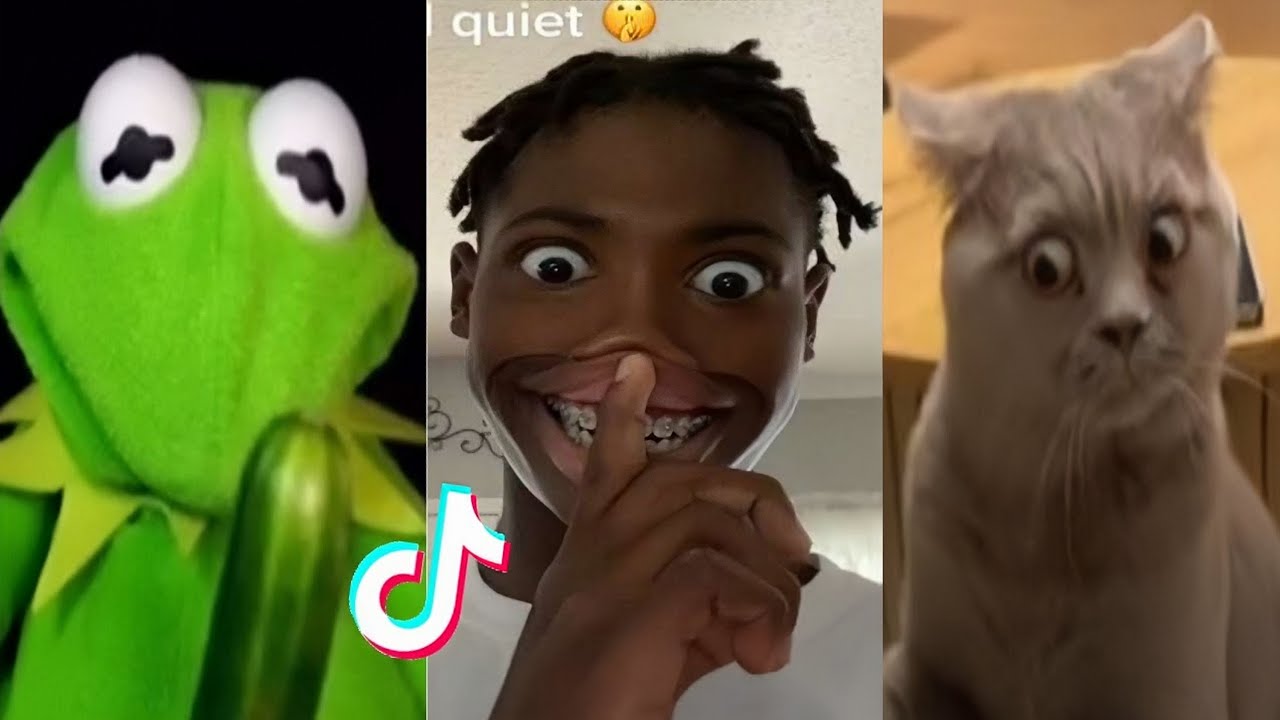
The sudden change sparked debate across digital communities. Viewers fatigued by polished brand activations and sterile sponsored skits embraced bizarre formats like the Realistic Troll Face meme and the "Hey You Might Know Me" trend. What felt like an overnight technical overhaul emerged as a collision between platform fatigue, collective user rebellion, and quiet adjustments to recommendation weights.
📌 Key Takeaways:
- The Platform Reality: Recommendation adjustments favored early watch-through retention over narrow interest clusters, pulling broad viral comedy back to central feeds.
- The Cultural Rebellion: The viral "2026 is the new 2016" ethos pushed audiences toward lo-fi, chaotic Vine-era formats at the expense of studio-lit skits.
- The Algorithmic Tug-of-War: While intentional timeline detox efforts struggled against platform loops, raw parody formats unlocked massive engagement spikes.
The Mechanics Behind the For You Page Shakeup
The conversation around a platform reset began when creators noticed their micro-targeted comedy bubbles had vanished. For years, the recommendation engine funneled users into hyper-specific subcultures based on granular interaction points. By early 2026, those isolated feeds began collapsing back into a shared cultural town square. Users across North America, Europe, and Southeast Asia opened their apps to find identical audio snippets and unhinged visual templates dominating their screens.
Engineering analyses suggest ByteDance tweaked engagement metrics to reward raw completion rates and direct shares over passive dwell time. When short clips generate rapid message-sharing spikes, the system prioritizes them across demographic boundaries. This social media algorithm shift weakened interest-based silos, allowing eccentric humor to travel at speeds unseen since early 2020. The algorithmic ceiling broke, pulling mainstream audiences directly into weird internet subcultures.
The Surreal Rise of the Realistic Troll Face and Audio Chaos
The visual language of humor on the platform transformed rapidly during the spring. Leading the surge was the Realistic Troll Face meme, which resurrected a legendary 2010 rage comic and rendered it with disturbing, hyper-detailed skin textures, uncanny eyes, and subtle facial twitches. As Yahoo News Singapore documented in their coverage of the trend, the visual frequently collided with the viral "Hey You Might Know Me" trend, creating an unsettling yet hilarious storytelling template.
In these clips, creators pair the hyper-detailed face with distorted, slow-panning camera movements and deadpan voice filters. The setup lures viewers in with standard conversational storytelling before descending into escalating social awkwardness or existential parody. The audio track functions as a psychological cue. Millions of users instantly recognize the warbled opening notes of the sound, priming them to watch until the punchline lands. This pacing feeds directly back into recommendation loops, keeping funny TikTok memes pinned to the top of universal discovery pages.
Why '2026 Is the New 2016' Took Over the Feed
Beneath the surreal visual formats lies deep nostalgia for an earlier era of online video. Forbes tracked the emergence of the "2026 is the new 2016" trend, which saw users deliberately discarding cinematic camera gear, external microphones, and elaborate editing suites. Instead, creators returned to shaky smartphone footage, harsh fluorescent room lighting, and disjointed pacing reminiscent of peak Vine.
The cultural appetite shifted away from hyper-rehearsed creator houses and multi-camera production sets. Modern audiences now associate high production values with covert brand sponsorships and algorithmic pandering. Creators leaning into low-resolution parody videos, jagged jump cuts, and unscripted living-room sketches consistently outperform heavily edited studio productions. Internet meme culture staged a calculated retreat to simple absurdity, stripping away commercial gloss in favor of immediate, unfiltered laughs.
Timeline Detoxing and the Collapse of Feed Control
Frustrated by repetitive sounds and chaotic visuals, segments of the user base attempted to fight back. In February 2026, The New York Times reported on organized creator circles attempting a systematic timeline detox. These users spent hours tapping "Not Interested," resetting their content preferences inside account settings, and aggressively seeking out educational or long-form material.
The experiment yielded mixed results. While users temporarily cleared their feeds of specific sounds, the underlying structural mechanics pulled them back toward high-retention comedy within seventy-two hours. A single accidental pause on an absurdist sketch signaled the engine to re-populate the feed with related variations. The power dynamics between user intentionality and algorithmic momentum remain heavily skewed toward the machine, reinforcing that a true reset requires platform-level changes rather than manual curation.
Tracking the Evolution of Short-Form Comedy Formats
The mechanics of viral reach have undergone structural shifts over the past six years. Platform priorities moved away from early musical challenges, pushed through commercialized sketches, and landed on high-velocity surrealism.
| Era | Dominant Comedy Style | Primary Algorithm Driver | Production Aesthetic |
|---|---|---|---|
| 2020, 2022 | Choreographed dances, lip-sync skits, observational relatable humor | Watch-time loops, audio reuse volume | Ring lights, front-facing cameras, bedroom backdrops |
| 2023, 2025 | Narrative storytimes, multi-part sketches, podcast clips | Dwell time, comment section arguments, search queries | Multi-mic setups, studio lighting, dynamic subtitles |
| 2026 Present | Surreal anti-humor, nostalgia parody, rage-face revival | Direct message shares, immediate retention velocity | Lo-fi handheld video, intentionally degraded audio, uncanny CGI |
The data highlights why funny TikTok memes look so distinct today compared to two years ago. The premium placed on immediate shares directly incentivizes jarring punchlines. When a video relies on polished narrative arcs, viewers rarely send it to friends instantly. An uncanny, five-second surreal gag, however, prompts an immediate share to group chats.
Who Benefits from the Shift and Who Struggles
The current algorithmic climate reshuffles creator economics across the platform. Independent creators, casual uploaders, and meme aggregators find themselves with renewed leverage. Anyone with a smartphone, an ear for viral audio trends, and an instinct for chaotic timing can capture hundred-thousand-view impressions overnight without spending capital on gear.
Conversely, corporate brands and lifestyle creators operating under rigid marketing guidelines face steep declines in reach. Corporate humor reliant on legal approvals and clean corporate packaging feels completely out of sync with current feeds. Audiences actively swipe past sanitized content, driving down completion metrics. Until brand teams abandon safe, focus-grouped messaging, their skits will languish in low-distribution brackets.
Frequently Asked Questions (FAQ)
Did TikTok push a literal "reset" button on user recommendation models?
Platform engineers have not published code changes confirming a global system wipe. The perceived reset stems from recalibrated weighting models that reward rapid shares and total watch-through rates over historical niche engagement, effectively flattening isolated feed silos.
Why do specific comedy formats spread across the app in hours?
When creators repurpose viral sounds, the engine clusters new uploads into high-velocity test groups. If early viewers watch the first two seconds without swiping, the algorithm distributes the video outward to general feeds rather than waiting for interest confirmations.
Can users permanently detox their feeds from surreal memes?
Manual resets through app preferences clear initial history, but maintaining a strictly informative feed requires aggressive behavioral discipline. Lingering on funny TikTok memes for even a few seconds instantly signals recommendation engines to restore surreal content into your daily rotation.
The Trajectory of Short-Form Satire
The Great Meme Reset demonstrated that user behavior and distribution math remain locked in constant tension. As commercial pressures turned short-form video feeds into hyper-monetized digital storefronts, audiences sought out raw absurdity as an antidote. What casual observers interpreted as a technical platform malfunction was the inevitable cultural reaction to digital over-polish.
Whether this lo-fi comedy boom persists or transforms into a new commercial sub-genre depends on how brands and engineers react. Creators who master short, punchy hooks while honoring the raw, unscripted aesthetic will continue dictating universal feeds. Modern humor abandoned corporate sanitization, carving out a space where the strangest, most immediate comedic ideas reliably capture the room.


