The Hidden Risks of TikTok MP3 Download Sites: What Free Converters Actually Install on Your Phone
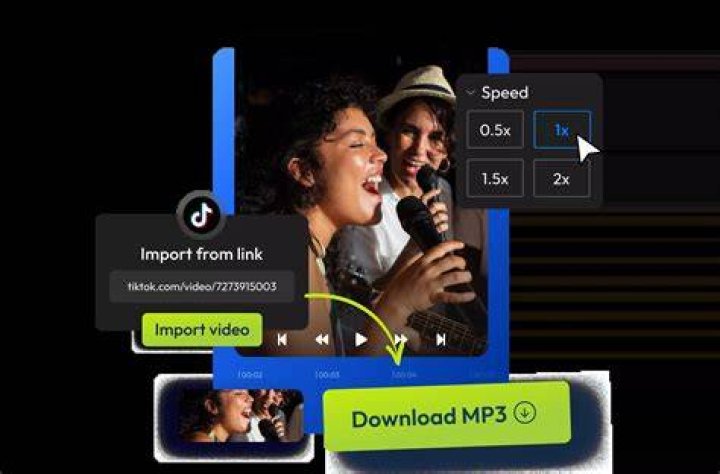
Viral audio moves at breakneck speed. A 15-second sped-up bridge, an obscure indie sample, or an unreleased studio leak can dominate millions of short-form feeds overnight. When listeners want those tracks stored directly on their hardware, web queries for free sound extraction surge. Yet the search ecosystem surrounding TikTok music download utilities remains an operational minefield populated by aggressive affiliate cloakers, rogue browser notification hooks, and stealth drive-by exploits.
As documented in a recent Les Outils Tice Report tracking multi-platform utilities such as cobalt tools alongside conventional web scrapers, the functional difference between independent open-source projects and predatory commercial converters has widened significantly. Users chasing a quick audio clip routinely risk device performance, account security, and basic digital privacy.
📌 Key Takeaways:
- The Monetization Trap: Free ad-driven converters rarely make money on audio encoding; their real revenue stems from deceptive intermediary redirect networks and adware distribution.
- Direct System Exploits: Modern mobile attacks through converter portals bypass basic malware scans by installing persistent malicious calendar subscriptions and rogue web push profiles.
- Architectural Alternatives: Clean, open-source processors and on-device sandbox extractions completely bypass the server-side traps engineered by ad-heavy ripper networks.
The Mechanical Architecture Behind Shady Audio Converters
Commercial web converters operate on razor-thin margins. Hosting server fleets capable of parsing video streams, demuxing audio tracks, and re-encoding multi-gigabyte platform transfers costs substantial capital every month. Web banners and standard programmatic ads cannot cover these infrastructure overheads. To stay profitable, operators lease their incoming web traffic out to high-yield gray-market advertising syndicates.
When you feed a video link into a low-grade tiktok mp3 converter, the underlying server runs an automated scraper that grabs the target stream directly from ByteDance content distribution networks. Simultaneously, the browser client gets subjected to aggressive script injections. The site triggers multiple invisible overlay layers. Your initial tap on a simulated "Download MP3" button never touches the conversion script; instead, it registers an affiliate click, fires off tracking cookies, and initializes an external ad redirect chain designed to bypass native popup blockers.
By the time the actual audio file reaches your download folder, your browser session has communicated with anywhere from 12 to 30 unverified third-party ad exchanges. These networks profile your device architecture, screen resolution, operating system version, and approximate geolocation.
Payloads and Deception: What Gets Placed on Mobile Hardware
Traditional computer viruses targeting executables have largely fallen by the wayside. Modern malicious actors deploy browser-based persistence vectors that deceive users into granting system permissions voluntarily.
On Apple iOS devices, commercial sound scrapers frequently push automated `.ics` calendar invitation payloads. A pop-up masquerades as an audio file verification prompt. Tapping "Accept" or "Subscribe" installs a cloud-synced spam calendar directly into your native phone storage. Within hours, your lock screen fills with urgent alerts claiming your device has suffered remote compromise, directing you toward fraudulent anti-virus apps or credential-harvesting phishing forms.
Android devices face different attack surfaces. Aggressive platforms routinely package stripped audio tracks inside companion `.apk` bundles or spoof system alert binaries. If an unsuspecting user attempts to open a downloaded file labeled `sound_39821.mp3.apk`, the operating system requests sideloading authorization. Granting that access allows invasive adware payloads to run background persistence daemons, inject persistent pop-up ads over other running apps, and continuously drain battery telemetry.
Browser push notification hijacking represents the most common threat across all mobile platforms. Converters disguise push permission dialogs as human-verification checks: "Click Allow to verify you are human and unlock the audio file." Once confirmed, the rogue origin sends scheduled notifications simulating critical banking updates, adult dating platforms, and fraudulent system crashes straight into your phone's notification shade.
Comparing Popular Audio Rip Approaches and Security Exposures
Selecting an audio extraction pipeline involves trade-offs between speed, computational security, and legal friction. The matrix below outlines how primary sound acquisition channels stack up against real-world threat vectors:
| Extraction Pipeline | Adware & Malware Exposure | Audio Bitrate Fidelity | Privacy & Telemetry Cost |
|---|---|---|---|
| Ad-Supported Web Converters(Free browser portals) | Extreme: Drive-by redirects, fake updates, calendar injections | Poor: 64, 128 kbps (Double lossy re-encoding) | Aggressive cross-site tracking and digital fingerprinting |
| Open-Source Aggregators(Cobalt tools, yt-dlp backends) | Negligible: Zero commercial ads, zero redirection tracking | Source Direct: Native AAC stream without transcoding loss | Zero user data retention or analytics scraping |
| On-Device Local Scripts(iOS Shortcuts, Local FFmpeg) | Zero: Executes strictly inside native operating system sandbox | Exact Platform Match: Original container audio | Air-gapped from third-party advertising monitors |
| Licensed Music Marketplaces(Bandcamp, Qobuz, Apple Music) | Zero: Audited consumer distribution channels | Studio Quality: 320 kbps MP3 up to 24-bit FLAC | Standard account billing telemetry only |
Copyright Compliance and Platform Enforcement
The platform tensions surrounding third-party stream rippers extend well beyond security exploits. Major labels and indie rights groups aggressively audit unauthorized audio distribution. When automated tools strip audio assets out of original videos, they detach the track from its cryptographic identification headers and platform tracking metadata.
Record labels manage extensive digital asset footprints across ByteDance networks. When a creator uploads an edited snippet, mechanical licensing platforms run acoustic fingerprinting algorithms to register commercial splits. Ripping that audio through a third-party audio extractor breaks that chain of provenance. Creators who re-upload those stripped tracks into their own commercial projects, promotional reels, or external client work face immediate DMCA takedowns, algorithmic distribution penalties, and outright account strikes.
As industry roundups from legal mp3 platforms highlight, commercial rights organizations treat unmonitored audio extraction as copyright circumvention. For creators building long-term digital footprints, banking your audio library on untracked third-party converters builds systemic liability into your content pipeline.
Secure Methods to Save Audio Without Compromising Your Phone
If you need to extract TikTok sound safely for reference files, editing scratch tracks, or personal offline listening, you do not need to risk your hardware on malware-riddled redirect portals. Several safe extraction vectors exist that keep your browser clean:
First, test if the original creator has permitted native saving. Tapping the spinning vinyl record icon at the bottom-right of the video screen allows you to "Add to Favorites." This saves the exact track inside your personal profile library for instant production use without downloading single megabytes of unvetted local data.
Second, if you require a standalone local audio file on your device, use open-source architectures rather than search-engine-optimized conversion farms. Platforms like cobalt tools offer verified, clean web endpoints that process platform links without secondary ad networks, push notification requests, or tracking pixels. The codebase remains publicly inspectable, stripping away the entire financial incentive for injecting malicious payloads.
Third, implement on-device extraction using native operating system tools. On iOS, you can download the video natively via the app's sharing menu, then use a sandboxed Shortcut script running a local media separation action to save the audio container directly to your Files app. On Android or desktop computers, open-source command-line engines like yt-dlp pull the source AAC audio directly from public CDN links with zero intermediary web services involved.
Frequently Asked Questions (FAQ)
Q1: Can a web converter infect an iPhone without downloading an app?
Yes, through social engineering vectors rather than traditional viruses. Malicious converters push malicious web profiles, fraudulent calendar subscriptions, or spoofed configuration files that trigger persistent lock-screen alerts, spam redirects, and credential-harvesting pop-ups.
Q2: Why does an MP3 converter download trigger a file ending in .apk or .exe?
That indicates a malicious file disguise. Legitimate audio extractions strictly terminate with standard container suffixes such as `.mp3`, `.m4a`, or `.aac`. If a downloaded file ends with `.apk`, `.dmg`, `.exe`, or `.iso`, delete it immediately without opening or granting execution permissions.
Q3: Is using a TikTok sound ripper illegal for personal listening?
Extracting public streams for purely personal reference rarely triggers criminal liability, but it violates platform terms of service. Re-uploading, monetizing, or syncing those extracted tracks into new public commercial content without licensing constitutes direct copyright infringement under digital copyright statutes.
Q4: How do I remove rogue calendar spam or push alerts caused by a converter site?
On iOS, navigate to Settings > Apps > Calendar > Calendar Accounts, inspect any unfamiliar third-party listings, and select "Delete Account." On Android or desktop browsers, open your browser settings, navigate to Site Settings > Notifications, and revoke push privileges from every unfamiliar domain.
Auditing Your Digital Audio Pipeline
Fast access to trending audio should never come at the expense of device integrity. The commercial web conversion ecosystem thrives on urgency, taking advantage of users who prioritize immediate convenience over browser safety. When you search for rapid file conversion tools, understand the monetization machinery waiting behind that search result.
Protecting your mobile hardware requires zero financial investment. Ditch ad-choked rippers that bombard your screen with verification captchas and redirect scripts. Rely instead on native app features, verified open-source endpoints with auditable public codebases, or local on-device automation scripts. You retain high-fidelity sound without turning your smartphone into an unmonitored relay station for gray-market advertising syndicates.


