The Legacy Breakfast Revolution: How Huevos a la Mexicana Conquered Modern Menus
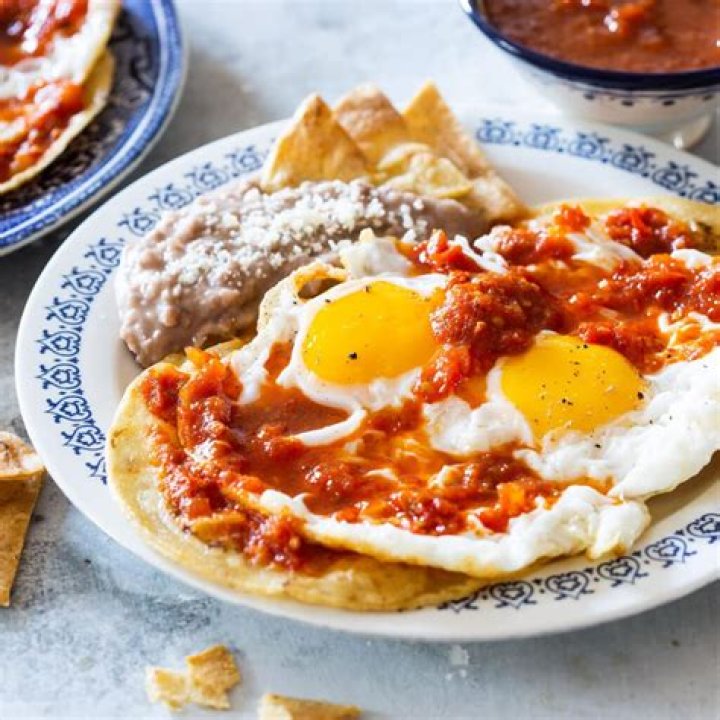
Every morning across the urban sprawl of Mexico City, the borderland diners of San Antonio, and neighborhood cafes in Chicago, cast-iron skillets hiss with the same unmistakable rhythm. Green serrano peppers hit sizzling lard first, followed closely by diced white onion and ripe red tomatoes. Within seconds, the aromatic vapors of the Mexican flag colors, green, white, and red, fill the room before beaten eggs fold into the pan, pulling the softened produce into soft, curdy folds. It is an unassuming ritual that defines the traditional Mexican breakfast.
While global morning menus spent years trapped in an endless cycle of avocado toast variations and heavy hollandaise, a structural shift occurred across diner counters and viral morning recipe feeds. Home cooks and professional line chefs alike have returned to fast, high-heat ancestral cooking. As recent food culture reporting in the Simply Recipes Report highlighted when breaking down quick skillet staples like huevos divorciados, time-pressed diners are aggressively prioritizing vibrant, high-protein morning dishes that assemble in minutes without sacrificing regional authenticity.
📌 Key Takeaways:
- The Essential Trifecta: True huevos a la mexicana relies strictly on the balance of raw, pan-sweated serrano peppers, diced white onion, and tomatoes representing the national flag.
- Borderland Evolution: The dish moved from northern home kitchens and San Antonio taco stands into mainstream modern breakfast menus due to low ingredient overhead and explosive flavor density.
- Culinary Execution: Avoiding watery scrambled eggs requires sautéing the moisture out of the tomatoes before introducing the eggs into the quick morning skillet.
The Tricolor Foundation Behind Mexico's National Scramble
To understand why this specific preparation commands such intense loyalty, one must look at the name itself. The phrase "a la mexicana" is culinary shorthand across Mexican gastronomy for any dish anchored by the chromatic trio of the national flag: green chiles, white onions, and red plum tomatoes. You find the combination in guisados, rice preparations, and braised meats. In morning cooking, however, the formula reaches its purest technical expression.
The preparation is deceptively simple: scrambled eggs with tomatoes, serrano peppers, and diced white onion. Yet the dish exposes any cook who attempts shortcuts. Pre-cooked salsa poured into raw eggs produces an unappealing, grayish slurry. Authentic preparation requires sweating the aromatic trinity directly in the skillet so that the sharp sulfur of the raw onion softens into sweetness, the serrano oils infuse the cooking fat, and the tomatoes collapse into a concentrated jam. Only when that moisture evaporates do the beaten eggs hit the pan, picking up the rich, rust-colored fond clinging to the steel.
From San Antonio Taco Counters to the Modern Brunch Canon
The migration of huevos a la mexicana across North America traces back through decades of borderland labor patterns and family-run taquerías. In San Antonio, Texas, where breakfast tacos are treated with near-religious devotion, morning shifts at historic West Side molinos have long started with eggs scrambled a la mexicana, wrapped in thick flour or warm corn tortillas straight off the comal. These counters did not cater to leisurely weekend crowds; they fed municipal workers, construction crews, and students who needed immediate, nutrient-dense calories that cost under $3.
Over the last three years, the wider restaurant industry caught up with what working-class kitchens always knew. Skyrocketing wholesale food costs forced restaurateurs to reconsider labor-intensive breakfast preparations. Huevos a la mexicana emerged as an operational revelation: zero specialized equipment, minimal waste, and an assembly time under eight minutes. High-end metropolitan brunch spots that once ignored scrambled eggs now serve them alongside rich refried black beans, wedges of salted queso fresco, and freshly charred heirloom corn tortillas, commanding prices north of $16 per plate.
The Skillet Hierarchy: How Mexican Morning Staples Compare
Mexican breakfast cuisine features distinct structural categories. While social media often lumps these preparations together under the broad umbrella of Latin brunch, their flavor profiles, cooking methods, and functional purposes differ substantially.
| Dishes | Core Egg Technique | Salsa / Produce Integration | Average Prep Time |
|---|---|---|---|
| Huevos a la Mexicana | Soft-curd scramble folded directly into the pan | Fresh diced tomatoes, serranos, and onions sautéed in fat before eggs are added | 8, 12 minutes |
| Huevos Rancheros | Sunny-side up or lightly over-easy fried eggs | Ladle of warm, cooked tomato-chile salsa poured over eggs on a crisp tortilla base | 15, 20 minutes |
| Huevos Divorciados | Two separate fried eggs, isolated on the plate | One egg topped with salsa roja, the other with salsa verde, divided by beans | 15, 18 minutes |
| Machacado con Huevo | Firm scramble bound with shredded dried beef | Dried beef rehydrated with onions, chiles, and tomatoes before scrambling | 12, 15 minutes |
Heat Control and Moisture Management in 15-Minute Egg Recipes
The culinary difference between a restaurant-grade plate and a watery home disappointment boils down to moisture release. Plum or Roma tomatoes carry significant water weight. If dropped into a pan alongside raw eggs, the liquid separates during coagulation, producing rubbery curds swimming in pink water.
Skilled line cooks address this through sequential thermal staging. First, heat the fat, traditionally pork lard, though neutral avocado or vegetable oil dominates today, until shimmering. Add the diced serrano peppers and white onion, sweating them over medium-high heat for roughly 90 to 120 seconds until the onion turns translucent. Drop the tomatoes in next, tossing frequently. The salt must go in at this stage to draw out vegetable liquids quickly.
Once the tomato moisture cooks down into a glossy, bubbling reduction, lower the heat slightly. Pour in the lightly beaten eggs. Use a heat-resistant spatula to sweep broad ribbons across the skillet floor, allowing the uncooked egg to flow underneath. Remove the skillet from direct heat while the curds remain slightly glossy; the residual cast-iron energy finishes the cook without drying out the eggs.
Plate Architecture: The Balancing Role of Beans and Queso Fresco
Huevos a la mexicana is rarely served in isolation. Because the scramble delivers high acid from cooked tomatoes and intense capsaicin from fresh serrano peppers, the accompaniments must provide creamy, grounding counterweights.
Refried black beans or pinto beans act as an edible mortar on the plate. Cooked down with lard, epazote, and garlic, the beans provide earthy starch that buffers the chile heat. Alongside, a scattering of crumbled queso fresco offers cool salinity, melting subtly against the hot scramble without turning stringy like aged cheeses do. Folded into warm corn tortillas straight from the comal, the combination forms a complete, self-contained breakfast ecosystem that requires no bottled hot sauce or synthetic seasonings.
Frequently Asked Questions (FAQ)
Q1: Can jalapeño peppers be substituted for serrano peppers in huevos a la mexicana?
A1: Yes. While traditional Mexican home cooks favor serrano peppers for their sharper, brighter heat and thinner skin, jalapeños are widely used when milder spice is preferred. Remove the seeds and inner white ribs if you want the fresh pepper flavor without intense heat.
Q2: Why do my scrambled eggs turn watery when cooking this dish?
A2: Wateriness occurs when tomatoes are added too late or undercooked. You must sauté the diced tomatoes until their liquid evaporates into a concentrated paste before pouring in the beaten eggs. Adding salt directly to the raw eggs can also accelerate moisture weeping if left sitting before hitting the pan.
Q3: How does this dish fit into modern meal preparation routines?
A3: It sits among the fastest high-protein morning routines available. The vegetable base can be pre-diced and stored in an airtight container for up to 3 days. When ready to eat, cooking the produce and eggs takes under six minutes in a hot skillet, yielding roughly 18 to 22 grams of protein per serving depending on egg count.
The Enduring Pull of the Comal
Morning menus cycle through fads with predictable regularity. Extravagant batters, imported syrups, and hyper-processed breakfast sandwiches routinely dominate social media algorithms before collapsing under the weight of their own complexity. Huevos a la mexicana avoids this fate because it relies on fundamental agricultural logic rather than kitchen theater.
The dish requires three field vegetables, fresh eggs, fat, and heat. It satisfies the strict nutritional demands of modern eaters while preserving the borderland roots that sustained generations of early risers. As long as skillets get hot and tortillas warm on the comal, this tricolor scramble will remain the standard against which all other Mexican breakfasts are measured.


