The Modern Spam Crisis: How Digital Clutter Escalated from Inbox Pranks to Systemic Network Floods
The Modern Spam Crisis: How Digital Clutter Escalated from Inbox Pranks to Systemic Network Floods
When automated defenses stutter, the raw volume of internet garbage becomes impossible to ignore. Millions of email users confronted this reality on a Sunday morning when Gmail's spam filter crashed, and Google had no timeline for an immediate fix, as reported by The Times of India on January 25, 2026. Blatant phishing lure campaigns, sketchy cryptocurrency pump-and-dump alerts, and classic pharmaceutical solicitations bypassed proprietary classifiers, spilling directly into primary customer feeds. What felt like an isolated backend glitch laid bare a much broader vulnerability: the modern web runs on an endless, invisible war against automated intrusion, and defense teams are operating on razor-thin margins.
Spam is no longer just harmless marketing residue. It has transformed into an industrialized vector for malware distribution, credential theft, and telecommunication sabotage. Understanding what spam is, where the moniker originated, and how attackers coordinate automated delivery systems helps explain why consumer platforms struggle to keep communication channels clean.
📌 Key Takeaways:
- Core Definition: Spam encompasses unsolicited bulk communication sent across digital platforms without recipient consent, spanning email, SMS, messaging apps, and robocalls.
- The Mechanics: What began as a Monty Python comedy sketch parodying Hormel canned meat evolved into high-volume botnet operations leveraging social engineering and stolen server credentials.
- The Threat Shift: Modern junk communications have pivoted away from clumsy sales pitches toward sophisticated spear-phishing campaigns, credential harvesting, and voice-cloning phone scams.
From Canned Meat to Digital Floods: The Monty Python Legacy
The term spam predates the public internet by decades, rooting itself in corporate grocery branding and British sketch comedy. In 1937, Hormel Foods introduced SPAM, an affordable canned spiced ham product that served as a staple ration for Allied soldiers during World War II. Its cultural identity shifted permanently on December 15, 1970, when the comedy troupe Monty Python broadcast a sketch set in a greasy cafe where every item on the menu included the canned pork. As the scene progressed, a group of Viking patrons drowned out all customer conversation by chanting the word repeatedly, making normal communication impossible.
Early computer enthusiasts adopted the sketch as shorthand for repetitive, disruptive message inundation. On May 3, 1978, Gary Thuerk, a marketer at Digital Equipment Corporation, sent the first documented unsolicited mass digital message across ARPANET. Rather than targeting specific enterprise clients, Thuerk blasted an invitation to 393 recipients simultaneously to demonstrate new DECSYSTEM-20 mainframes. The defense research community reacted with fury, reprimanding Thuerk for violating acceptable use policies. By the early 1990s, Usenet message board users regularly referred to flooded, repetitive forum postings as spamming, cementing the term into digital lexicon.
| Time Period | Delivery Vector | Primary Attacker Objective |
|---|---|---|
| 1978, 1994 | ARPANET & Usenet Newsgroups | Unsanctioned product marketing & legal services |
| 1995, 2003 | Unauthenticated SMTP Open Relays | Counterfeit retail, penny stocks, herbal stimulants |
| 2004, 2018 | Compromised PC Botnets (Storm, Cutwail) | Trojan downloads, banking fraud, credential scraping |
| 2019, 2026 | AI-Driven Phishing, SMS Swarms, VoIP Spoofing | Business Email Compromise (BEC), account hijackings |
What Spam Is Today: The Architecture of Unsolicited Mass Traversal
Spam is technically defined as unsolicited bulk email sent to recipients without verifiable affirmative consent. Yet this standard technical definition obscures the operational scale powering modern intrusion. Sending an email incurs near-zero marginal cost for the sender. Attackers take advantage of this economic asymmetry by firing billions of payloads across transmission routes, requiring only an infinitesimal response rate, often less than 0.0001%, to generate substantial illicit profits.
Modern junk mail generation relies on three distinct structural pillars:
- Zombie Botnet Infrastructure: Compromised residential Internet-of-Things (IoT) hardware and unpatched routers provide millions of rotating IP addresses, allowing operators to disperse traffic and evade real-time blacklists.
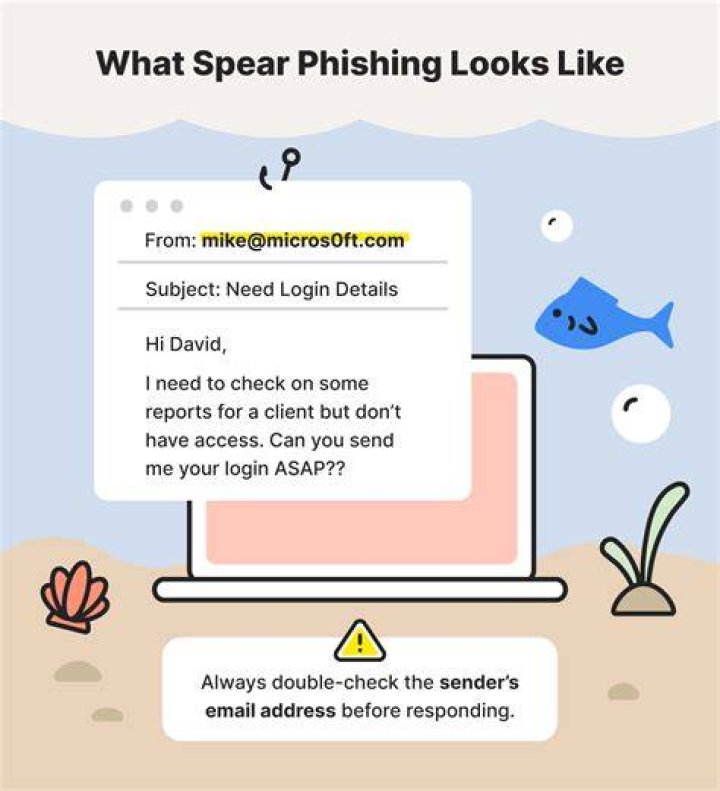
- Identity Deception (Email Spoofing): Attackers forge Simple Mail Transfer Protocol (SMTP) packet headers to impersonate trusted logistics couriers, banking portals, or corporate executives, deceiving basic mail clients.
- Dynamic Semantic Obfuscation: Natural language generation models allow operators to produce unique message copies on demand, bypassing older heuristic tools that look for identical keyword strings.
The Regulatory Stalemate: Why the CAN-SPAM Act Failed to Halt Abuse
In response to exploding network saturation, the United States passed the Controlling the Assault of Non-Slicked Pornography And Marketing (CAN-SPAM) Act on December 16, 2003. The framework did not outlaw unsolicited business emails. Instead, it established administrative guardrails: message senders were required to provide clear opt-out mechanisms, avoid deceptive headers, and list legitimate physical mailing addresses. Violators faced theoretical fines exceeding $40,000 per infraction.
Legitimate marketing agencies adjusted their campaign software to comply with the rules. Malicious distribution syndicates simply relocated their hosting platforms overseas. Attackers operating outside Western legal jurisdictions had zero incentive to process unsubscribe requests; clicking "Opt-Out" on suspicious messages usually confirmed that an inbox was active, triggering ten times the inbound traffic. By establishing an "opt-out" framework rather than demanding mandatory "opt-in" verification, the strict standard later enforced by the European Union's GDPR in 2018, the statute allowed commercial inboxes to remain cluttered with low-value corporate messages.
The Evolution from Nuisance Ads to Phishing and Malware Distribution
During the early 2000s, junk communications revolved around absurd financial schemes, counterfeit watches, and dubious pharmaceutical products. Today's transmissions present immediate operational security hazards. Cyber syndicates use high-volume outbound engines as delivery systems for malware distribution and targeted social engineering schemes.
Contemporary spam campaigns fall into specific malicious categories:
- Spear-Phishing and Credential Harvesting: Deceptive security warnings push corporate workers toward spoofed single-sign-on portals, harvesting enterprise tokens to bypass multi-factor authentication.
- Infostealer Delivery: Outbound messages containing corrupted PDF attachments or macro-enabled documents install covert background spyware, copying crypto-wallet seeds, desktop passwords, and active browser sessions.
- Invoice Interception (BEC): Attackers monitor internal enterprise billing discussions to send spoofed payment redirect notifications, draining millions of dollars from corporate accounts.
- Voice and SMS Spam: Mobile users face persistent barrages of SMS package delivery scams and automated voice calls that use synthesized audio to mimic family members in distress.
Gmail Spam Filters and the Algorithmic Arms Race
Filtering engines at hyper-scale providers like Google, Microsoft, and Proton analyze hundreds of billions of incoming signals every single day. The defense stack relies on explicit domain authentication protocols alongside deep learning algorithms designed to spot suspicious patterns instantly.
Standard defensive frameworks deploy SPF (Sender Policy Framework), DKIM (DomainKeys Identified Mail), and DMARC (Domain-based Message Authentication, Reporting, and Conformance). These technical standards authenticate domain ownership, preventing unauthorized parties from spoofing bank and government domains. When configured properly, DMARC instructs receiving mail servers to quarantine or reject forged messages immediately.
Machine learning classification engines review the remaining traffic. These models process contextual language cues, sender domain reputations, structural formatting quirks, and user engagement metrics. But when an algorithmic training pipeline breaks down, as occurred during the January 2026 incident, the raw volume of garbage overwhelms default user settings, revealing how much toxic traffic internet gateways absorb behind the scenes.
Defending the Personal Perimeter: Actionable Junk Mail Prevention
Relying exclusively on native host algorithms leaves digital communications vulnerable. Users can deploy several straightforward configurations to protect their primary accounts:
- Deploy Masked Aliasing Services: Use disposable email routing aliases for online checkouts, forums, and commercial newsletter signups. If a vendor database leaks your details, shut down that isolated alias without abandoning your primary inbox.
- Audit Inbound DMARC Headers: When dealing with unexpected financial requests, check the raw email headers to confirm that SPF and DKIM signatures pass domain validation checks.
- Avoid Direct Unsubscribe Links on Unknown Messages: Clicking links inside completely unrecognized messages confirms your address is active. Use your email client's native "Report Spam" button instead, which trains machine learning classifiers without signaling the sender.
- Block Unknown Carrier Telephony Gateways: Restrict inbound cellular calls from non-contact numbers and disable SMS auto-retrieval options to neutralize malware delivery vectors.
Frequently Asked Questions (FAQ)
Q1: Why does spam continue to hit my inbox if my provider uses advanced machine learning filters?
A1: Attackers frequently compromise legitimate small-business web servers and cloud services to dispatch campaigns. Because these legitimate domains have clean IP reputations and valid DKIM authentication keys, defensive filtering engines allow their initial wave of messages through until recipient abuse reports catch up.
Q2: Does replying to a spam email or clicking 'unsubscribe' cause actual harm?
A2: Engaging with messages from untrusted senders confirms that your email account is active and monitored by a real person. This makes your contact details far more valuable on underground broker lists, drastically increasing the volume of incoming malicious messages.
Q3: How do automated phone scams and text messages link back to email spam networks?
A3: The infrastructure behind modern junk messaging is deeply connected. Data breaches that expose email lists usually include telephone numbers and names. Threat groups load these cross-referenced databases into automated dialers and SMS shortcode aggregators, running synchronized attacks across every communication channel you own.
The Future of Digital Communication Hygiene
The boundary between benign advertising and criminal harassment has broken down entirely. Spam is no longer a collection of harmless commercial advertisements; it is an industrial assault on communication networks. As attackers use accessible language tools and rotating cloud servers to generate convincing scams at massive scale, basic manual defense strategies can no longer keep pace.
Protecting modern networks demands rigorous cryptographic sender authentication, strict provider accountability, and privacy-focused user habits. Communication channels will never be entirely free of clutter, but treating unsolicited messages as potential security risks rather than simple annoyances is the only way to safeguard your personal data.


