The Odyssey Cast Reveals Behind-the-Scenes Details of Circe’s Chilling Pig Scene
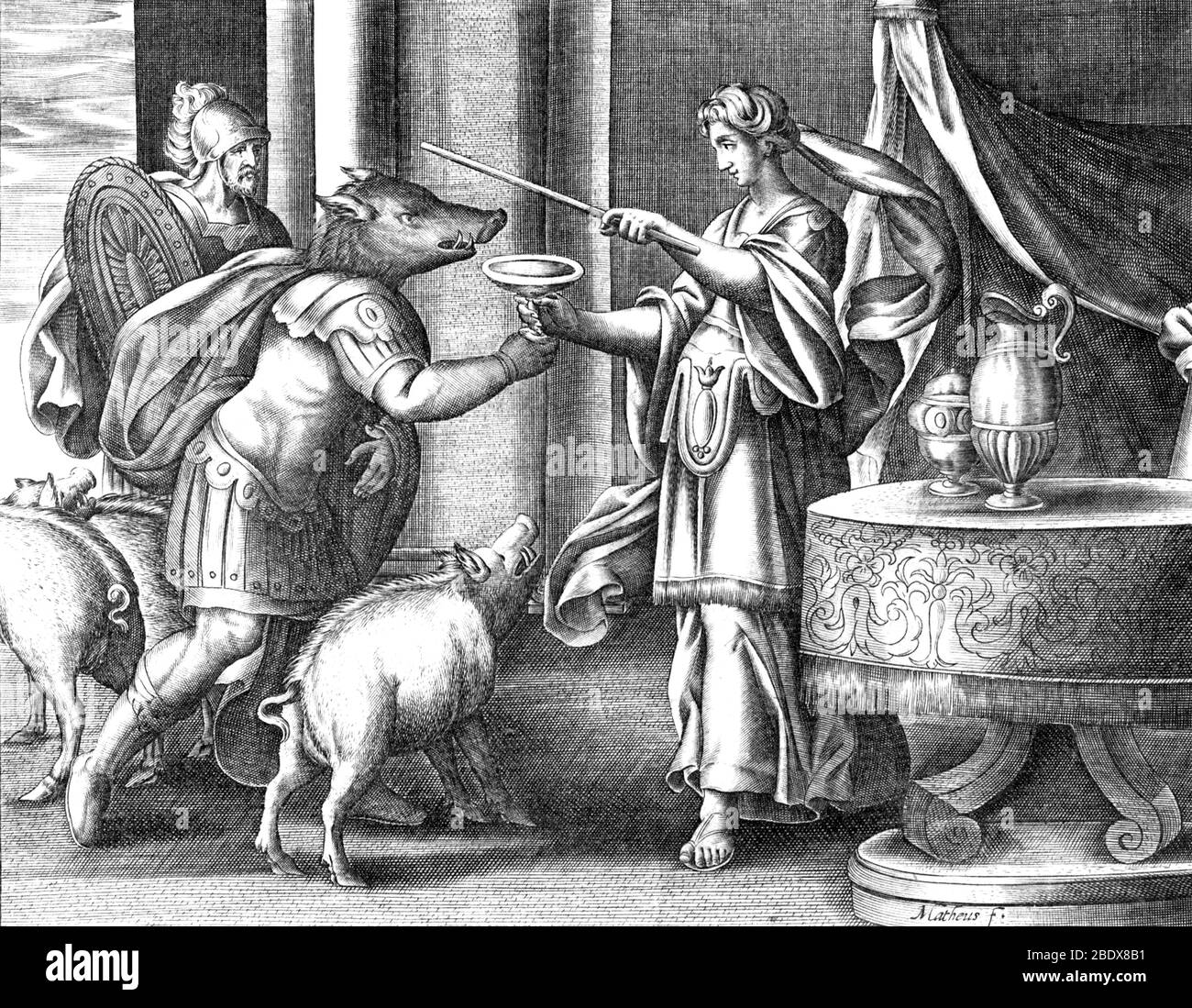
When Odysseus’s starving scouts accept honeyed wine inside the stone halls of Aeaea, Homer’s tenth book describes their instant descent into squealing beasts. In the latest high-profile screen adaptation of The Odyssey, that mythic nightmare arrived on screen not through a swirl of green-screen pixels, but through visceral, grueling in-camera physical effects. As detailed in an extensive Vanity Fair Report, two-time Oscar nominee Samantha Morton and her co-stars spent weeks on set pulling off the sorceress Circe’s infamous feast entirely with prosthetics, mechanical rigs, and live staging.
The sequence has quickly ignited debate across film circles. While modern sword-and-sandals productions lean heavily on algorithmic digital doubles, director and crew chose an uncompromising tactile methodology. The result is an unsettling, claustrophobic transformation scene that prioritizes body horror over glossy digital spectacle, capturing the terror of Homer's ancient text with shocking immediacy.
📌 Key Takeaways:
- No Digital Doubles: The production bypassed computer-generated imagery for Circe's transformation scene, utilizing multi-stage silicone prosthetics, pneumatics, and trained livestock.
- Morton's Vision: Samantha Morton, who waited decades to take on the mythological sorceress, insisted on a performance-driven sequence rooted in unsettling theatrical stillness.
- Physical Cost: Actors portraying Odysseus's crew endured up to six hours of daily prosthetic application and intense physical contortions on practical Greek-island soundstages.
Samantha Morton’s Decades-Long Road to Circe
Samantha Morton did not want Circe to look like a standard fantasy archetype. Speaking to USA Today during the film's international press rollout in late July 2026, Morton revealed that she had eyed Homer’s sorceress for decades, waiting for a production bold enough to treat the island ruler as something distinctly dangerous rather than decorative. Morton brought a chilling calm to Aeaea, opting for quiet vocal modulations and predatory stillness instead of grand theatrical gestures.
The Los Angeles Times highlighted how Morton routinely stole scenes throughout production by subverting audience expectations of mythological villainy. Rather than brandishing glowing wands or shouting incantations, her Circe wields mundane domestic power. She serves laced wine, brushes bread crumbs from a stone table, and watches men lose their humanity with calm curiosity. That cold restraint set the tone for the entire sequence, forcing the camera to linger on the physical agony of the crew’s metamorphoses rather than cutting away to flashier visual flourishes.
Inside the Practical Rig: Turning Odysseus’s Men into Swine
Pulling off a multi-stage physical mutation on set required an intricate coordination of mechanical design and prosthetic craftsmanship. According to breakdown interviews with SYFY, the sequence utilized a technique dubbed progressive staging. Three separate actors played each afflicted crewman across three distinct phases of the transformation. First came partial facial swelling and skin tearing achieved with hyper-realistic silicone appliances. Next came mechanical under-suits that snapped collars forward and forced spines into unnatural bends.
Cast members revealed to Capital UK that the shoot involved zero tracking dots or green body-stockings. Performers were strapped into custom hydraulic rigs hidden beneath banquet tables and woven floor mats. These pneumatic rigs pulled the actors downward while bladder-filled silicone suits expanded on camera to simulate muscle groups warping into porcine anatomy. Cinematographers captured the transformations in lingering medium shots with minimal cuts, refusing to rely on the motion-blur cheats typical of digital post-production.
Practical Body Horror vs. Digital VFX: Production Metrics
The decision to abandon CGI for this pivotal set-piece required dramatic shifts in schedule allocation, makeup budgets, and performer endurance. The contrast between this production's in-camera techniques and standard high-budget mythological films illustrates why the scene feels so distinctive on screen.
| Production Element | Standard Modern Fantasy (CGI Pipeline) | The Odyssey (2026 Practical Shoot) |
|---|---|---|
| Prep & Application Time | 30, 45 minutes for visual-tracking dots | 4.5, 6 hours per actor for multi-layer prosthetics |
| Set Construction & Logistics | Uniform green/blue soundstage enclosures | Custom false-floor stone palace with pneumatic traps |
| Performer Physicality | Isolated motion capture on empty stages | Tethered contortionism alongside live trained animals |
| Lighting & Texture Control | Post-rendered digital subsurface scattering | Real oil, sweat, and animal bladders under direct torches |

Soundstage Chaos and the Aeaea Animal Handlers
Shooting the climax of the scene introduced logistical hurdles that tested the entire ensemble. Once the human actors completed their on-camera contortions, production handlers introduced real Berkshire and Tamworth pigs into the banquet hall to interact with the remaining cast members. The transition between prosthetic bodies rolling beneath tables and live animals scrambling across overturned platters had to match seamlessly.
Morton noted that the smell of hot banquet food, wet stone, and live livestock fundamentally changed the energy of the performances. Cast members playing Odysseus's landing party described the sensory overload as genuine disorientation. When their comrades dropped to all fours, coughing up wine mixed with viscous stage bile, the horror was palpable. That visceral reaction translates directly to the screen, grounding an ancient mythological sequence in raw human dread.
Mythological Authenticity and Homer’s Brutal Allegory
In Homer’s original Greek, Circe's potion does not merely alter the exterior flesh; the text stresses that the men retain their human minds while trapped in the bodies of swine, crying out as they are herded into pens. Filmmakers throughout cinematic history have struggled with this tonal balance, often veering into camp or cartoonish absurdity. By leaning into physical prosthetics reminiscent of classic 1980s body horror, this production preserves Homer’s psychological cruelty.
Online film communities and critical dispatches have widely praised the sequence for respecting the weight of ancient myth. Morton's performance centers the punishment on Greek concepts of hubris and gluttony. Odysseus's crew behaves like beasts long before Circe hands them their bowls. Her magic merely strips away the illusion of their civilized nature. By grounding that philosophical shift in tactile, physical effects, the production ensures that the horror feels earned rather than synthetically manufactured.
Frequently Asked Questions (FAQ)
Q1: Was any digital animation or visual effects software used in Circe's transformation scene?
A1: According to production statements shared with SYFY and Capital UK, the transformation sequence was captured without CGI character models or digital morphing. Digital post-production was restricted entirely to cleanup tasks, such as erasing support wires, hydraulic tubes, and prosthetic seams.
Q2: How did the crew transition from human actors to actual pigs on set?
A2: The transition relied on precise staging, progressive camera whips, and practical multi-actor substitution. Contortionists wearing mechanical rigs dropped beneath banquet tables or rolled behind stone pillars, allowing handlers to release trained pigs into the immediate eyeline of the actors within the same continuous shot.
Q3: Why did Samantha Morton pursue the role of Circe in this specific production?
A3: Morton noted in interviews with USA Today that she had waited decades to play Circe because past adaptations simplified the character into a one-dimensional sorceress. The commitment of this production to historical texture, psychological realism, and practical effects convinced her to sign on.
The Enduring Power of In-Camera Mythmaking
The immediate cultural impact of Circe’s swine sequence marks an important creative benchmark for big-budget historical and fantasy cinema. In an entertainment landscape saturated with weightless digital set-pieces, tactile filmmaking creates an immediate, visceral connection that green screens rarely match. Audiences instinctively recognize the weight of authentic materials, the tension of real muscles straining against leather, and the unrepeatable chaos of live animals sharing space with seasoned actors.
Samantha Morton and the ensemble have proved that ancient literature does not require synthetic spectacle to captivate modern viewers. By investing in practical artistry, mechanical ingenuity, and unblinking performances, this adaptation of The Odyssey delivers a scene as terrifying and unforgettable as Homer intended thousands of years ago.


