The Real Meaning of 'Alt Girl': Internet Slang, Music Roots, or Mindset?
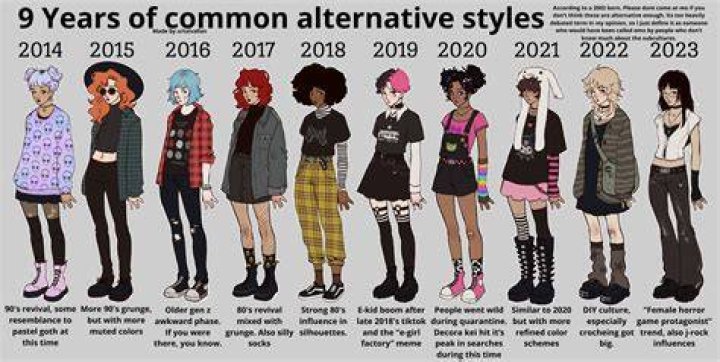
A search for the term "alt girl" across social video platforms yields billions of algorithmic impressions, serving up chunky combat boots, layered silver chains, dark eyeliner, and oversized vintage flannels. What originated decades ago as fractured underground music scenes has consolidated into a singular, viral identity category. As cultural linguists and lifestyle analysts track modern taxonomy shifts, from regional naming archives documented in the Parents Report to digital subcultural vernacular, labels undergo rapid commercial flattening once they enter algorithmic feeds.
The label exists in a state of friction. Longtime participants in underground scenes argue the moniker cheapens decades of countercultural organizing into a thirty-second wardrobe transformation. Meanwhile, younger creators adopt the phrase as a broad umbrella for self-expression, thrift shopping, and creative independence outside the mainstream consumer track. Understanding the real alt girl meaning requires cutting through algorithmic trends to examine where this subcultural identity actually began, what musical movements formed its backbone, and why its psychological ethos persists.
📌 Key Takeaways:
- Subcultural Origins: Modern "alt" identity descends from a continuous line of 1970s punk, 1980s post-punk and goth, 1990s riot grrrl, and 2000s indie scenes.
- The Algorithmic Pivot: Social platforms repackaged historically distinct musical subcultures into an interchangeable, visual "alt aesthetic" between 2020 and 2026.
- Ethos Over Outfits: Authentic alternative identity centers on an anti-mainstream mindset, DIY creative production, community solidarity, and skepticism toward consumer conformity.
From Basement Shows to Algorithmic Micro-Trends
The internet slang origin of "alt girl" accelerated dramatically around mid-2020 when platform algorithms began sorting creators into aesthetic camps. Before the term became a catch-all hashtag, "alternative" functioned strictly as a relational descriptor. An individual was alternative to something specific: mainstream top-40 radio, suburban corporate culture, or hyper-curated, preppy social norms.
Historically, regional physical spaces defined alternative belonging. Teenagers congregated in record stores, all-ages basements, skateparks, and independent zine fairs. Participation required presence, localized community ties, and a shared social investment.
The digital shift altered that framework entirely. On short-form video platforms, visual signifiers divorced from their historical scenes became rapid-fire signposts of identity. The term consolidated previously distinct aesthetics, punk studs, dark goth makeup, grunge flannel, and early-2000s scene accents, into a single digital archetype. What had taken years of immersion in physical scenes became accessible as an instant visual identity with a quick clothing order.
Sonic Foundations: Punk Lineage, Goth Ethos, and Indie Rock
Alternative subculture is fundamentally musical. Stripping sound from the identity reduces a rich cultural tradition to a hollow costume. The movement's foundation dates back to mid-1970s punk music roots, where artists like Patti Smith, Siouxsie Sioux, and Poly Styrene rejected pop music polish in favor of raw distortion and political defiance.
By the early 1980s, goth culture fractured off from post-punk, trading aggressive distortion for atmospheric gloom, literary lyricism, and theatrical androgyny. Bands like The Cure, Bauhaus, and Cocteau Twins built an aesthetic universe that celebrated melancholy and introspective dread.
The 1990s introduced two critical pillars: Pacific Northwest grunge fashion and the riot grrrl movement. Groups like Bikini Kill, Sleater-Kinney, and Hole turned alternative identity into an explicitly feminist battleground. Women embraced ripped tights, babydoll dresses, smeared lipstick, and screaming vocal delivery to reclaim personal agency and attack systemic misogyny.
A decade later, mid-2000s indie rock injected a bookish, vintage thrift style into the cultural mix. That lineage matters. The political fury of riot grrrl, the brooding theatricality of post-punk, and the unpolished grit of 1990s garage bands provide the actual architecture for what modern internet culture casually brands as "alt."
Decoding the Aesthetic Spectrum: Evolution and Contrasts
The modern digital ecosystem often conflates closely related subcultures. Distinguishing between genuine alternative participation and internet micro-trends requires examining where visual styles and underlying philosophies diverge.
| Subcultural Identity | Historical Era | Defining Visual Elements | Core Philosophy & Ethos |
|---|---|---|---|
| Classic Goth & Punk | 1976, 1989 | Leather jackets, safety pins, spiked hair, heavy black kohl, Victorian velvet | Anti-establishment rebellion, DIY independence, dark romanticism |
| Grunge & Riot Grrrl | 1990, 1998 | Oversized flannels, Doc Martens, torn slips, faded band tees, thrifted denim | Anti-consumerism, raw feminist activism, rejection of corporate polish |
| Digital E-Girl | 2018, 2022 | Winged liner, blush across nose bridge, dyed hair streaks, anime/skater crossover | Webcam performance, gaming culture, algorithmic visibility |
| Contemporary Alt Girl | 2023, 2026 | Hybrid vintage layering, chunky footwear, upcycled garments, eclectic jewelry | Individual curation, curated anti-mainstream taste, creative autonomy |
The contrast between the e-girl vs alt girl labels highlights this shift. The e-girl look originated largely through digital camera framing, gaming aesthetics, and online performance culture. Alt identity, by contrast, retains deep ties to physical music traditions, analog DIY methods, and underground counterculture movements.
The Tension Between Fast-Fashion Hauls and Anti-Mainstream Ethics
A striking paradox sits at the heart of the modern alt aesthetic: the industrial supply chain.
Historic alternative scenes ran on strict anti-consumerist tenets. Secondhand thrift stores, homemade clothing repairs, customized patches, and hand-printed band t-shirts served as practical defenses against corporate fashion cycles. Dressing alternative meant spending little money while spending considerable time crafting a look.
Modern digital consumption flipped this dynamic. Ultra-fast-fashion conglomerates track real-time social metrics, reverse-engineering indie aesthetics into cheap polyester garments within days. Search terms like "grunge aesthetic haul" or "goth wardrobe starter pack" reveal shopping carts packed with synthetic skirts and factory-distressed sweaters manufactured overseas.
Buying alternative clothes from a disposable retail pipeline represents a total inversion of historical subcultural principles. The tension sparks regular debate across community forums. Can someone legitimately embody an anti-mainstream counterculture movement while relying on rapid-cycle industrial consumerism to buy the uniform? Scene veterans say no. The aesthetic without the ethics is merely dress-up.
The Alt Mindset: Autonomy, Dissent, and Community Survival
Beneath changing clothes and shifting social tags lies a distinct psychological perspective: the anti-mainstream mindset.
This outlook begins with skepticism toward standardized social templates. Mainstream culture frequently demands predictable milestones, corporate visual uniformity, and commercial compliance. The alternative impulse pushes back, prioritizing creative autonomy and unconventional personal priorities.
It also manifests as a shared protective space for marginalized groups. Historically, alternative music subcultures served as refuges for queer youth, neurodivergent individuals, and social outsiders who felt excluded by conventional social structures. Embracing unconventional hair colors, body modifications, and distinctive styling acts as social armor, signaling shared community values to fellow outsiders while keeping conservative social expectations at a distance.
When stripped of algorithmic commercialism, claiming this identity reflects a deliberate commitment to authenticity over universal approval.
Frequently Asked Questions (FAQ)
Q1: What is the main difference between an alt girl and an e-girl?
An e-girl look originated primarily within digital streaming and social video spaces, drawing heavily from anime, skate culture, and 2000s web aesthetics tailored for phone screens. An alt girl identity stems directly from physical music countercultures, such as punk, goth, grunge, and indie rock, emphasizing DIY creativity, live music scenes, and subcultural values.
Q2: Do you have to listen to specific music to be considered alt?
Yes. Alternative subcultures emerged directly from independent musical traditions. While you do not need to listen exclusively to punk or goth records, engaging with alternative music genres, such as post-punk, riot grrrl, shoegaze, or underground indie, remains foundational to the subculture's history and community identity.
Q3: Can someone dress in the alt aesthetic without buying from fast-fashion retailers?
Relying on vintage thrift shops, secondhand platforms, clothing swaps, and self-customized clothing is the traditional way to build an alternative wardrobe. DIY production and secondhand sourcing match the movement's core anti-consumerist values far better than buying new clothing from corporate fast-fashion retailers.
Subculture in the Post-Algorithmic Era
Internet platforms will continue parsing countercultures into short-lived digital trends. What social feeds label as an "alt girl" may shift toward new retro revivals or digital subgenres over the coming years.
The underlying human impulse, however, remains rock solid. Beyond online tags, viral audio clips, and commercial fast-fashion knockoffs, the alternative identity endures wherever people choose authentic creative independence over corporate trends. It lives in small, independent venues, handmade patches, thrifted garments worn to threads, and the refusal to smooth over personal eccentricities for social approval. Subculture has never been about following an online checklist; it thrives entirely on carving out a space of one's own.


