The Rise of Low-Calorie Spritzes: How Health Trends Are Reshaping Happy Hour Menus
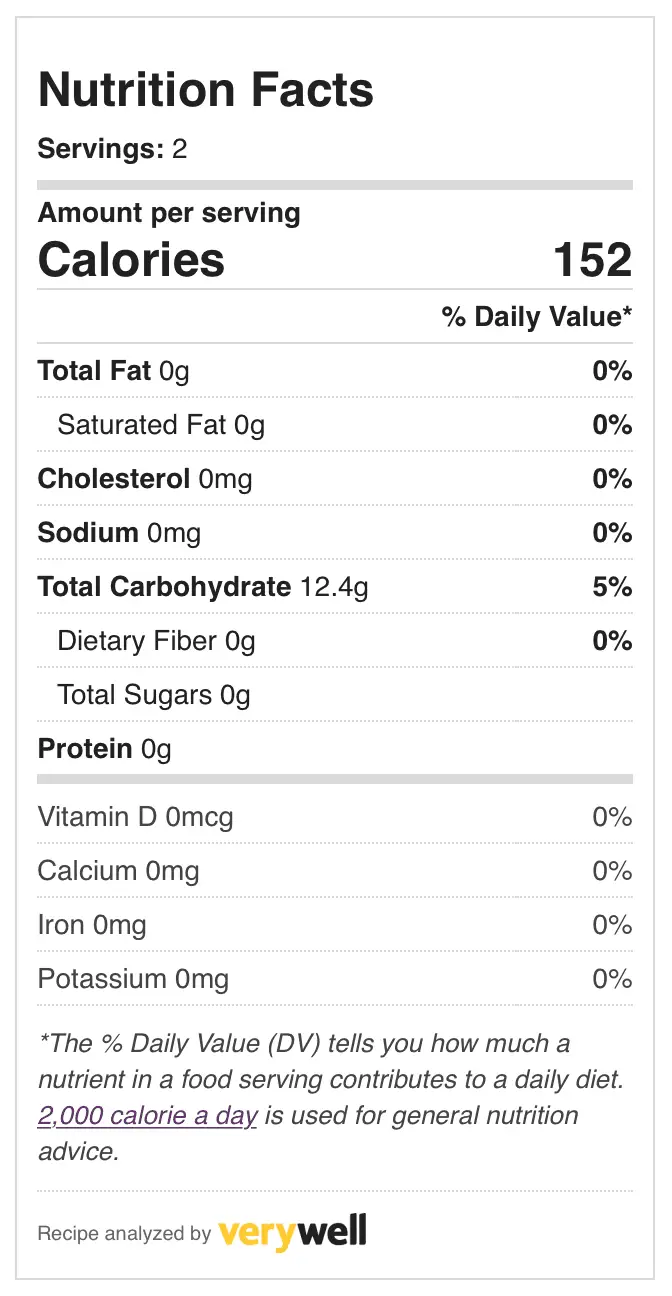
Cocktail menus across global capitals have undergone a quiet mathematical audit. As patrons scrutinize back-bar bottles for residual sugars and volumetric alcohol, the signature orange stemware dominating outdoor terraces has emerged as an unexpected nutritional focal point. According to an industry analysis from The Drinks Business Report, spritzes provide the best low-calorie cocktail option for modern bar-goers seeking lighter alternatives without sacrificing social ritual.
The numbers back up the visual ubiquity. While creamy resort concoctions and dense syrup-heavy classics routinely cross the 300-calorie threshold, an orange aperitivo built over cracked ice balances vibrant botanical bitter notes against modest alcohol volumes. Achieving that balance requires understanding how three common shelf ingredients combine to generate the drink's complete metabolic footprint.
📌 Key Takeaways:
- Caloric Baseline: A standard build delivers approximately 125 to 150 calories, depending strictly on the bartender's heavy-handedness with the liqueur.
- Sugar Source: Virtually all carbohydrates originate from the aperitivo cordial itself, which holds roughly 15 grams of sugar per 60ml pour.
- Optimization Strategy: Lengthening the soda pour while opting for extra-brut sparkling wine cuts total energy density by up to 30% per glass.
Deconstructing the Glass: Prosecco, Liqueur, and Hidden Sugars
The classic Venetian build operates on clear proportions, yet the caloric weight distributes unevenly across its three components. Sparkling wine provides effervescence and base alcohol. An ordinary dry Prosecco contributes roughly 19 to 21 calories per fluid ounce, accompanied by negligible carbohydrates if vinified dry. In a standard 90ml pour, the wine accounts for around 65 calories.
The bitter liqueur carries the lion's share of carbohydrate energy. Bitter aperitivo cordials rely on high sucrose concentration to offset gentian root, rhubarb, and cinchona bark extracts. Two ounces of Aperol inject roughly 103 calories and 15 grams of sugar straight into the goblet. Soda water provides volume, fizz, and dilution at precisely zero calories, neutralizing the overall caloric density per fluid ounce.
When combined, the glass nets between 125 and 158 calories and 16 grams of carbohydrates. It sits significantly below cream-based drinks or standard sour-mix builds, though it remains distinctly more sugary than plain spirits combined with zero-calorie effervescent mixers.
How the 3-2-1 Formula Controls Your Total Energy Intake
The longevity of the spritz rests on its venerable golden ratio: three parts sparkling wine, two parts bitter liqueur, and one part sparkling water. This precise formulation dictates both the sensory balance and the final metabolic math.
When bartenders deviate from this standard specification, the nutritional metrics shift rapidly. An extra splash of cordial adds nearly 50 calories of unrefined sugar within seconds. Conversely, bars practicing conscientious service preserve a sessionable baseline by leaning on clean, unflavored club soda.
Alcohol volume acts as a secondary metabolic lever. Pure alcohol contains 7 calories per gram, trailing only pure dietary fat in energy density. Because Italian red aperitivo cordials rest around 11% alcohol by volume (ABV) and standard Prosecco hovers between 11% and 11.5% ABV, the finished cocktail yields a gentle composite strength of roughly 8% to 9% ABV. This restrained strength keeps systemic ethanol oxidation lower than drinks built from 40% ABV grain spirits.
Bar Menu Comparison: Spritzes Against Classic Summer Cocktails
Understanding where the aperitivo sits within a broader night out requires direct comparison against standard bar orders. While many patrons treat highballs, sours, and tropical drinks as interchangeable indulgences, laboratory nutritional analysis demonstrates steep variances in both sugar load and pure energy content.
| Cocktail Serve | Average Calories | Total Sugars (g) | Typical ABV (%) |
|---|---|---|---|
| Standard Aperol Spritz | 135, 150 kcal | 14, 16 g | 8.5% |
| Classic Lime Margarita | 220, 280 kcal | 18, 24 g | 18.0% |
| Classic Negroni | 190, 210 kcal | 11, 13 g | 24.0% |
| Vodka Soda with Lime | 95, 105 kcal | 0 g | 10.0% |
| Piña Colada | 420, 550 kcal | 45, 60 g | 13.0% |
The comparative data shows why hospitality establishments rely on the spritz format during warm seasons. While an unflavored vodka highball remains the absolute lowest-calorie alcoholic drink on paper, it lacks the complex aromatic profiles, social theater, and prolonged sippability that make bitter aperitifs compelling to casual drinkers.
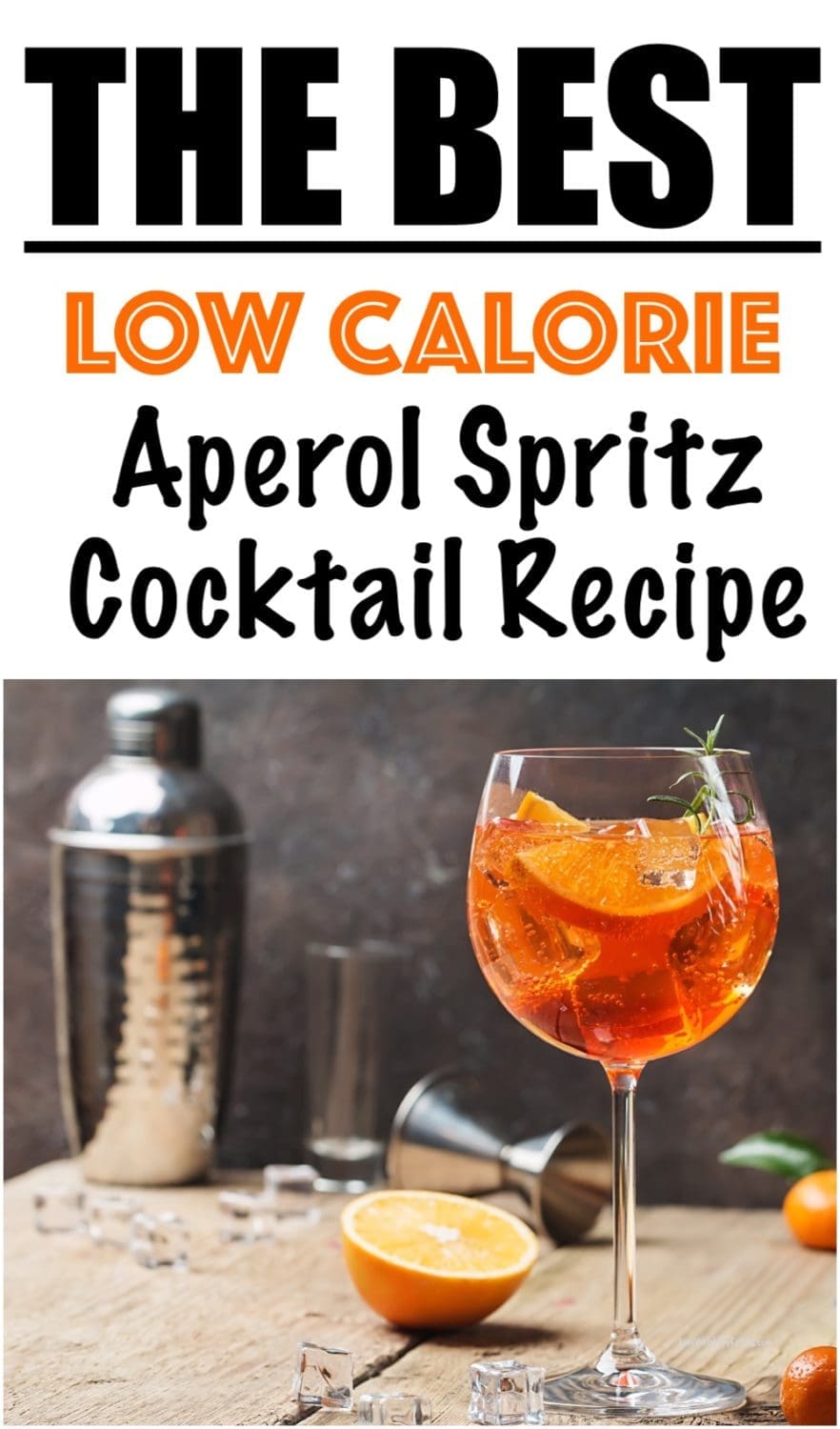
The Skinny Spritz Movement: Adjusting Ratios Behind the Bar
Cocktail enthusiasts looking to trim surplus sugars from their orders have begun requesting specific structural modifications. Mixologists report a marked rise in orders specifying high-soda proportions or lower-sugar sparkling wine bases.
A conventional prosecco labeled "Extra Dry" actually contains between 12 and 17 grams of residual sugar per liter, a labeling quirk that often confuses consumers. Asking for a "Brut" or "Brut Nature" sparkling wine immediately drops residual sugar in the wine component down to under 3 grams per liter, shaving roughly 15 to 20 calories off the glass.
The second intervention targets liquid volume. By restructuring the glass into a 2-1-2 ratio, two ounces of sparkling wine, one ounce of bitter liqueur, and two ounces of club soda, the caloric payload drops down to roughly 90 to 95 calories. The palate retains bright carbonation, crisp acidity, and an authentic citrus finish without the syrupy viscosity that lingers at the bottom of improperly assembled builds.
Cultural Shift Toward Mindful Drinking and Calorie Transparency
The broader adoption of lighter aperitivo cocktails reflects systemic changes in how modern consumers relate to hospitality. Bar-goers no longer prioritize maximum alcohol delivery per dollar spent. Instead, daytime social gatherings and professional happy hours center on functional moderation, clean flavor profiles, and lower systemic inflammation.
Digital beverage applications and menu-labeling mandates in several jurisdictions have dismantled historical ambiguities around mixed drink compositions. When diners see exact calorie listings next to beverage choices, dense dessert cocktails drop sharply in popularity while sparkling, water-lengthened aperitifs capture sustained market share.
Industry suppliers have responded by introducing low-sugar bitter concentrates, dealcoholized botanical infusions, and zero-dosage sparkling wines designed specifically for daylight consumption. The goal is no longer abstinence versus excess, but rather the preservation of culinary pleasure through calculated recipe architecture.
Frequently Asked Questions (FAQ)
Q1: Does substituting soda water with tonic water affect the calorie count?
A1: Yes, significantly. Soda water contains zero calories and zero sugar, whereas standard commercial tonic water contains high-fructose corn syrup or sucrose, packing roughly 80 to 90 calories and 21 grams of sugar per cup. Substituting tonic into a spritz turns a 140-calorie cocktail into a 200-calorie beverage.
Q2: Is an Aperol Spritz compatible with a ketogenic or low-carb diet?
A2: It fits strict ketogenic protocols poorly. While the alcohol volume is modest, the two ounces of bitter aperitivo liqueur contain 15 grams of simple carbohydrates. For individuals maintaining a daily threshold of 20 to 30 grams of carbs, a single glass consumes half or more of that daily allowance.
Q3: How does a Campari Spritz compare nutritionally to an Aperol Spritz?
A3: Campari carries a higher alcohol by volume (24% to 28.5% depending on jurisdiction versus Aperol's 11%). Because ethanol contains 7 calories per gram, a Campari Spritz typically registers higher in total energy, totaling approximately 170 to 195 calories per glass despite having a similar sugar profile.
Navigating Happy Hour Menus With Smarter Cocktail Orders
Treating beverages with the same mindfulness applied to plate nutrition begins with reading the cocktail list structurally rather than emotionally. Sparkling spritzes secure their position atop warm-weather bar orders because their foundational architecture emphasizes clean dilution, gentle ABV metrics, and botanical complexity over heavy syrups and rich dairy emulsions.
To keep consumption lean, order your glass with a dry Brut or Extra Brut prosecco base, request a generous hand with the soda water, and encourage plenty of fresh citrus peel garnish. The resulting serve respects both the historic Italian aperitivo tradition and the practical physical realities of modern everyday wellness.


