The 'Sugar Bug' Vein Myth: Why Social Media Claims About Your Baby's Nose Are Causing Unnecessary Panic

A parent scrolling through social media notices a faint, branching blue line sitting across their four-month-old's nasal bridge. Within minutes, algorithmic feeds deliver short-form videos declaring the mark a "sugar bug", an ominous physical harbinger of severe sugar sensitivities, volatile toddler tantrums, and impending attention disorders. Panicked caregivers flood online forums questioning their infant's diet, scheduling unnecessary genetic panels, and buying specialized detox drops.
Pediatricians encounter this exact sequence on a weekly basis. As detailed in a clinical advisory from the checkupnewsroom.com Report, clinicians routinely reassure parents that this visible vessel is standard infant facial anatomy rather than a systemic medical disorder. Understanding why this benign vascular feature became a lightning rod for maternal dread requires peeling back layers of viral misinterpretation, ancient diagnostic folklore, and modern wellness commerce.
📌 Key Takeaways:
- Anatomical Reality: The visible blue mark is the superficial dorsal nasal vein, exposed purely by normal infant skin translucency and minimal subcutaneous fat.
- The Viral Confusion: Social media posts conflate traditional Chinese medicine face-reading concepts with modern dietary panics, falsely linking normal blood vessels to sugar sensitivity and MTHFR gene variants.
- Clinical Guidance: The vein carries zero predictive value for childhood hyperactivity or metabolic dysfunction, and it naturally recedes as the child's facial structure matures.
The Biology Behind the Faint Blue Line Across Infant Noses
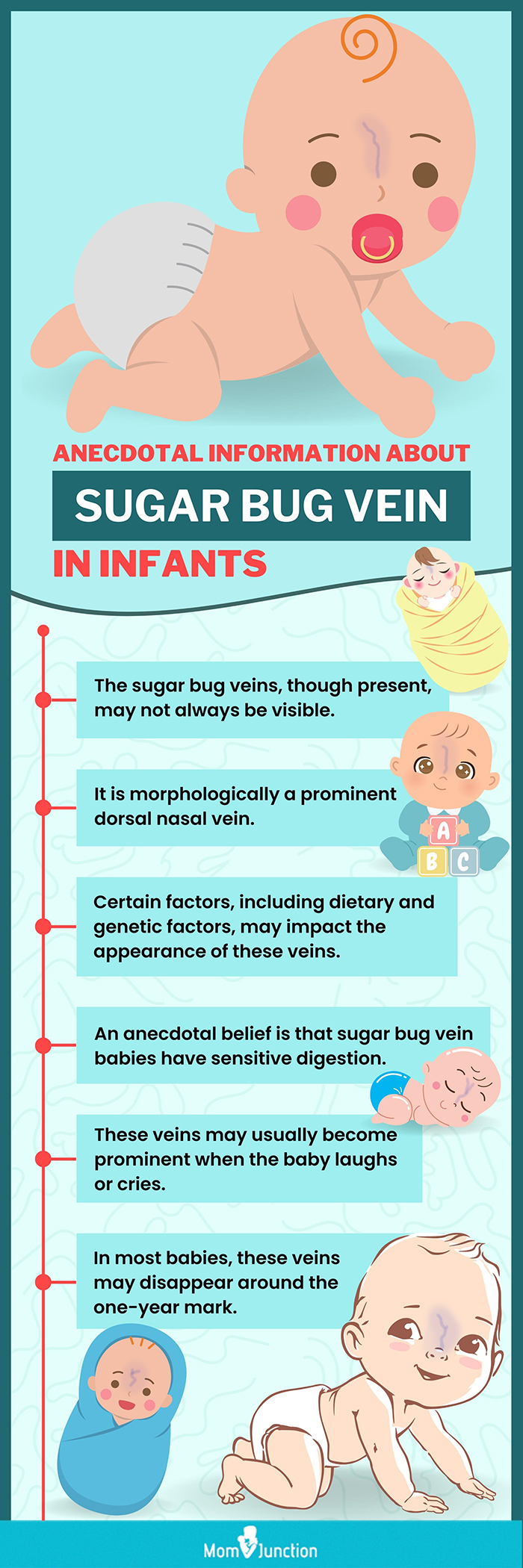
The human face contains an intricate network of superficial veins that return deoxygenated blood to the central circulatory system. In pediatric dermatology, the blue line on a baby's nose is identified as the superficial dorsal nasal vein. It runs vertically down the bridge of the nose, occasionally branching across the root between the eyes.
Infants are biologically predisposed to show these vessels. Newborn skin is roughly 30% thinner than adult dermis. Subcutaneous fat deposits across the nasal bridge remain virtually nonexistent during the first year of life. When ambient light strikes the skin, red wavelengths penetrate deeper while shorter blue wavelengths reflect outward from the deoxygenated venous blood. The vein appears pronounced not because it is inflamed or enlarged, but because the overlying tissue acts as a translucent window.
As children grow between the ages of one and three, their facial architecture changes rapidly. The nasal bone elongates, collagen fibers within the dermis thicken, and local fat distribution expands. In the overwhelming majority of cases, these structural shifts obscure the nasal bridge vein entirely without medical intervention.
From Ancient Folklore to TikTok: How 'Shan Gen' Became a Sugar Curse
The term "sugar bug" does not appear in medical textbooks. Its contemporary use stems from a garbled interpretation of traditional Chinese medicine (TCM). Classical diagnostic texts reference an area between the inner corners of the eyes known as Shan Gen, or the "Mountain Root." Ancient practitioners observed venules in this region to evaluate digestive disharmony, cold patterns, or generalized irritability in young children.
Centuries later, English-language parenting subcultures translated these broad digestive observations into colloquial terms. Around the mid-2000s, alternative health blogs started labeling the vessel a "sugar bug," asserting that its presence warned of poor carbohydrate tolerance. By 2024, short-form video algorithms supercharged the label into an ironclad diagnosis.
Online creators stripped the concept of its original historical context. They replaced centuries-old clinical nuance with sensational claims: infants with this vein would suffer uncontrollable sugar rushes, violent meltdowns, and chronic behavioral difficulties. The assertion resonated because toddler tantrums are ubiquitous. When an overtired two-year-old throws a tantrum after eating a birthday cupcake, an anxious parent seeks an explanation. The visible blue line offers an immediate, visually tangible target for blame.
The Pseudoscientific Leap to MTHFR Genes and Childhood Hyperactivity
Once the sugar sensitivity myth established itself online, fringe wellness communities tied the visible vein to complex genetic mechanisms. The most persistent claim asserts that the dorsal nasal vein indicates an MTHFR gene mutation, a variant affecting how the body processes folate. Influencers claim the mark signifies impaired methylation, poor detoxification, and an elevated risk for childhood hyperactivity and ADHD.
These assertions lack biological foundation. The American College of Medical Genetics and Genomics explicitly advises against routine testing for MTHFR polymorphism precisely because variants are common, benign, and disconnected from isolated visible physical traits. A superficial cranial blood vessel does not signal enzymatic methylation efficiency.
Equally unfounded is the link to neurodevelopmental outcomes. Peer-reviewed pediatric literature has evaluated hundreds of thousands of developmental trajectories without finding a correlation between nasal bridge veins and attention-deficit disorders. Attributing temperamental volatility to a superficial vein misrepresents ordinary developmental milestones while burdening parents with misplaced guilt.
Clinical Reality Versus Viral Pathology: A Comparative Breakdown
Evaluating social media claims against validated pediatric medicine clarifies how dramatically online narratives deviate from anatomical facts.
| Diagnostic Parameter | Viral Social Media Claims | Pediatric Clinical Evidence |
|---|---|---|
| Underlying Etiology | Toxin accumulation, gut dysbiosis, MTHFR mutations | Normal superficial dorsal nasal vein visible via thin infant dermis |
| Behavioral Association | Predictor of severe hyperactivity, tantrums, ADHD | Zero demonstrated link to temperament or cognitive development |
| Dietary Impact | Extreme intolerance to refined sugars and dairy | Unrelated to carbohydrate metabolism or enzymatic activity |
| Recommended Action | Elimination diets, methylated vitamins, detox baths | No treatment needed; regular pediatric checkups suffice |
| Long-Term Prognosis | Lifelong metabolic impairment if left untreated | Fades naturally between ages 1, 3 as facial bone and skin thicken |
Monetizing Parental Guilt: The Commercial Engine Behind Toddler Behavior Myths
The endurance of toddler behavior myths is rarely accidental. Anxious parents represent one of the most lucrative consumer demographics in digital marketing. When an account warns a mother that her baby's facial vein indicates toxic overload, the post rarely stops at diagnosis. It is followed by an affiliate link.
A thriving online marketplace relies on these parenting anxiety triggers. Products marketed to eliminate the so-called sugar bug range from $45 tincture bottles of unverified herbs to high-dose liposomal vitamins. In severe instances, parents place toddlers on restrictive ketogenic or allergen-free diets that risk genuine nutritional deficiencies during critical growth windows.
Medicalizing ordinary developmental hurdles creates a captive customer base. Toddlers throw tantrums because their prefrontal cortex is undeveloped, not because a vein is visible between their eyebrows. Framing emotional dysregulation as an internal medical failure exploits parental self-doubt, diverting focus from age-appropriate behavioral strategies toward commercial pseudoscience.
When Pediatricians Actually Worry: Differentiating Vascular Anatomy from Real Anomalies
While the overwhelming majority of visible nasal bridge veins represent normal anatomy, distinct vascular conditions do occasionally warrant pediatric evaluation. Knowing what requires assessment helps families avoid unnecessary worry over harmless traits.
Benign dorsal nasal veins lie flat beneath the skin. They show an even blue or light purple tint, do not pulse, and do not change size when an infant rests calmly. They cause zero discomfort when gently touched during normal hygiene routines.
Conversely, pediatricians watch for raised, rapidly expanding lesions. An infantile hemangioma, for example, typically emerges within the first few weeks of life as a bright red, strawberry-like plaque that can proliferate rapidly. Vascular malformations that pulse, swell noticeably when the baby cries, or distort surrounding nasal cartilage require prompt evaluation by a specialist to rule out midline dermoid cysts or deeper sinus abnormalities.
Frequently Asked Questions (FAQ)
Does a prominent nasal bridge vein mean my toddler will react badly to sugar?
No. There is no biological mechanism connecting the visibility of the dorsal nasal vein to glucose processing, insulin release, or dietary sugar sensitivity. Toddler behavioral swings around sugary treats reflect basic developmental psychology and glycemic spikes common to all young children.
Will the blue line on my baby's nose ever disappear?
In most instances, yes. Between the ages of 12 and 36 months, an infant's skin thickens, dermal collagen production increases, and the nasal bridge expands. These structural changes obscure the vein in the vast majority of children, though it may remain faintly visible in individuals with exceptionally fair skin.
Is genetic testing for the MTHFR mutation necessary if my baby has this vein?
No. Major medical organizations, including the American College of Medical Genetics, do not recommend genetic screening based on superficial physical traits. The presence of a nasal vein provides zero clinical indication of a patient's methylation status.
When should a doctor examine a mark on the bridge of a baby's nose?
Consult your pediatrician if the mark is noticeably raised, pulses, bleeds, grows rapidly in surface area, or appears accompanied by localized swelling that affects the child's breathing or eye movement.
Reframing Infant Anatomy Beyond Algorithmic Panic
Parenthood invites vulnerability, and digital platforms are engineered to transform that vulnerability into engagement. The transformation of a standard dorsal nasal vein into an ominous warning label illustrates how easily everyday anatomy can be distorted to fuel commercial anxiety.
Children do not arrive with hidden genetic diagnoses stamped across their nasal bridges. Transparent skin, delicate features, and intense emotional bursts are standard facets of early childhood. Relying on board-certified pediatric guidance rather than speculative online diagnostic claims protects families from unnecessary diets, baseless guilt, and manufactured fear.


